
 EN
EN
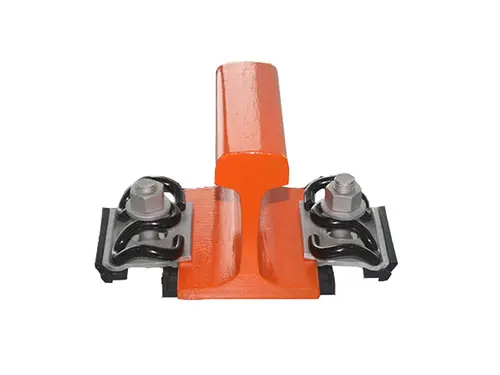
Global rail projects demand adherence to strict technical and safety standards, and understanding which standards apply to rail support is critical for successful project implementation. The rail support infrastructure forms the foundation of any railway network, and compliance with international standards ensures structural integrity, passenger safety, and operational reliability. Rail support systems must meet rigorous specifications across different regions, and these requirements vary depending on project location, track type, and operational context. Organizations planning or executing rail projects must navigate a complex landscape of standards that govern everything from material composition to installation procedures and performance monitoring. This comprehensive guide explores the key standards that apply to rail support in global rail projects and explains how these regulations shape system design and deployment.
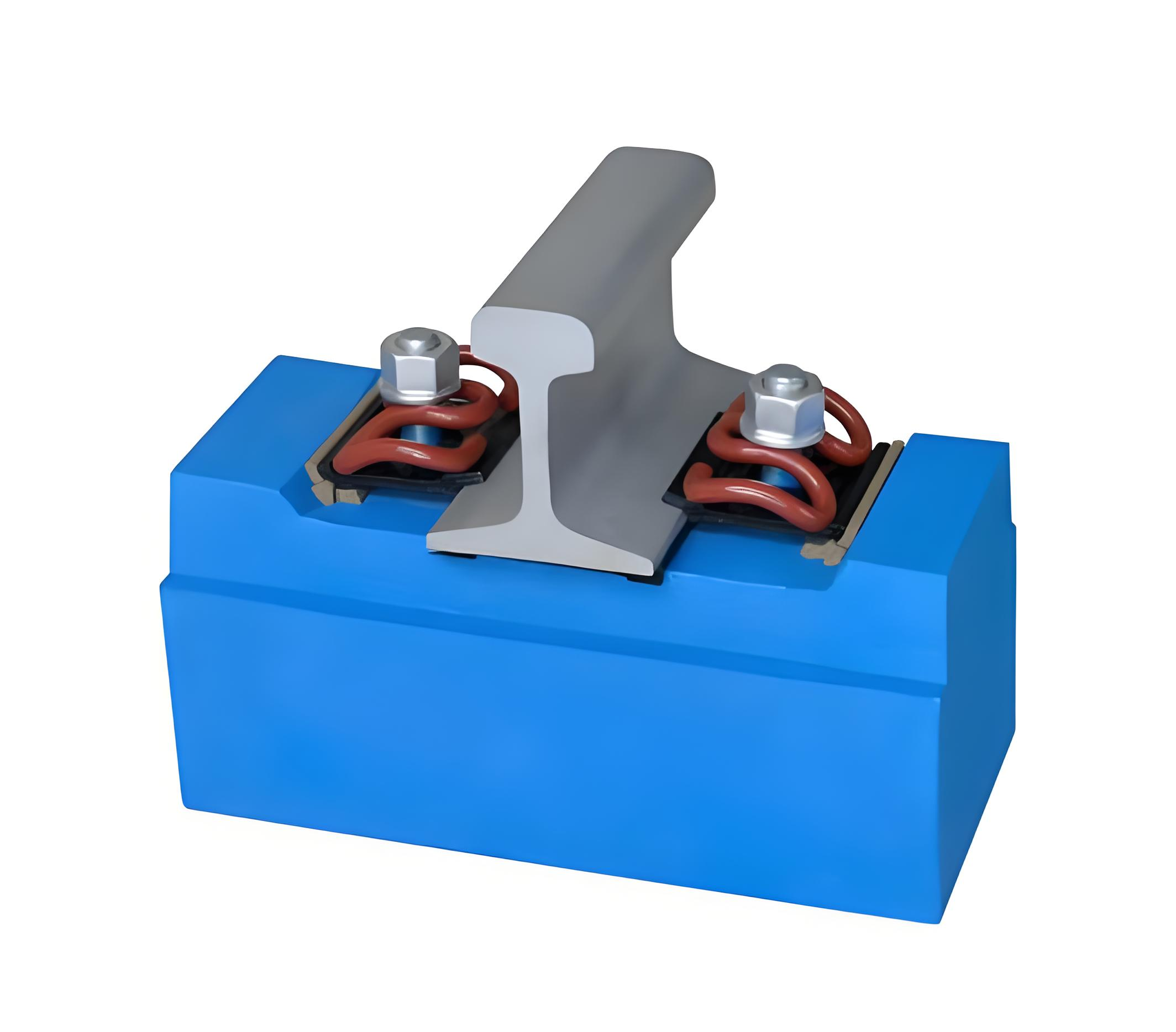
Rail support systems operate within a framework of international, regional, and local standards that collectively govern their design, manufacture, installation, and maintenance. Understanding these standards is essential for project managers, engineers, and procurement specialists who must specify compliant rail support solutions. The standards landscape for rail support includes performance criteria, material requirements, testing protocols, and safety margins that protect both infrastructure investment and operational safety. Different countries and regions maintain their own standards bodies, and major rail projects often must comply with multiple standards simultaneously depending on their geographic scope and stakeholder requirements.
International Standards for Rail Support Systems
ISO and EN Standards Framework
International Organization for Standardization (ISO) standards provide the foundation for many rail support specifications globally. ISO 13674 and related standards define technical requirements for rail support that ensure consistency across international rail projects. These rail support standards specify material properties, dimensional tolerances, and load-bearing capacities that apply regardless of geographic location. European Norm (EN) standards, particularly EN 13146 series, establish detailed technical requirements for rail support components used in European rail networks and projects funded by European institutions. The EN standards for rail support complement ISO frameworks and often exceed minimum requirements to ensure heightened safety margins. Organizations implementing rail support in compliance with these standards demonstrate commitment to internationally recognized best practices and ensure interoperability across national borders.
American and North American Specifications
In North America, the American Railway Engineering and Maintenance-of-Way Association (AREMA) standards govern rail support specifications for projects within the United States and Canada. AREMA rail support standards address track geometry, fastening systems, and structural support requirements tailored to North American operational conditions and climate considerations. These rail support standards differ from European and Asian specifications because they reflect unique North American railroad network characteristics, including track gauge standards and typical train configurations. Compliance with AREMA rail support specifications is mandatory for projects on North American freight and passenger railways, and many U.S. transit agencies reference AREMA standards in procurement documents. For rail support systems deployed across multiple North American jurisdictions, understanding AREMA requirements ensures seamless regulatory acceptance and operational compatibility.
Regional and National Rail Support Standards
Asian and Pacific Rail Support Requirements
Asia-Pacific rail projects follow diverse standards because different countries maintain independent rail authorities with distinct specifications. Japanese rail support standards, established by the Japanese Industrial Standards (JIS) committee, emphasize high-speed railway requirements and earthquake resilience in rail support design. Chinese rail support standards, developed through China Railway Corporation frameworks, specify requirements for the extensive high-speed rail network and freight rail infrastructure across the region. Rail support standards in Australia and Southeast Asian countries often blend European and Asian specifications while incorporating regional climate and geological factors. India's rail support specifications, managed through the Indian Railways Standard Manual, govern rail support for one of the world's largest railway networks. Understanding these diverse rail support standards is essential for projects operating across multiple Asian nations, as harmonization efforts remain incomplete despite growing regional cooperation.
African and Emerging Market Rail Support Standards
Developing nations and emerging markets often adopt rail support standards from established sources while adapting them for local conditions and economic considerations. African rail projects increasingly reference international standards including ISO frameworks while incorporating technical guidance from development finance institutions such as the World Bank. Rail support standards in emerging markets may prioritize cost-effectiveness and maintenance accessibility alongside safety compliance. Projects in regions with limited technical infrastructure often receive substantial support from international standards organizations to ensure that rail support specifications remain technically sound despite resource constraints. Many developing nations are harmonizing rail support standards with international frameworks to facilitate technology transfer and attract international investment in railway modernization initiatives.
Technical Requirements and Compliance in Rail Support Design
Material Specifications and Testing Protocols
Rail support standards establish rigorous material specifications that govern steel grade, composition, and mechanical properties required for safe operation. Testing protocols for rail support systems include tensile strength verification, fatigue testing, and corrosion resistance evaluation to ensure components perform reliably throughout their operational lifespan. Rail support standards mandate traceability documentation proving that materials meet specified chemical composition and mechanical property requirements. Non-destructive testing procedures are integral to rail support compliance, with ultrasonic, magnetic particle, and dye penetrant testing used to verify material integrity before installation. Dimensional tolerances specified in rail support standards affect the precision required during manufacturing and installation phases, and exceeding tolerance limits can compromise system performance.
Installation and Maintenance Standards
Rail support standards extend beyond design and material requirements to encompass installation procedures and ongoing maintenance protocols. Installation standards for rail support specify bolt torque specifications, sequence requirements, and environmental conditions acceptable for installation activities. Rail support systems must be installed by personnel trained and certified according to standards applicable in their respective jurisdictions, ensuring consistent quality across projects. Maintenance standards for rail support define inspection intervals, lubrication requirements, and replacement criteria that preserve system functionality throughout the asset lifecycle. Compliance monitoring for rail support systems requires documentation of installation records, inspection reports, and maintenance activities that demonstrate ongoing standards adherence. Regular audits of rail support installations verify continued compliance with applicable standards and identify corrective actions when deviations are detected.
Safety Performance and Load Capacity Standards
Structural Load Testing and Verification
Rail support standards establish safety factors and load capacity requirements that reflect the extreme operational stresses that railway infrastructure must withstand. Dynamic load testing procedures for rail support systems simulate operational conditions to verify that components perform safely under maximum anticipated loads. Rail support standards specify minimum safety margins that must be maintained even when components approach end-of-life conditions or experience degradation from environmental exposure. Fatigue analysis protocols embedded in rail support standards predict component longevity under repetitive loading cycles, informing maintenance intervals and replacement schedules. Static load capacity testing for rail support verifies that systems can support maximum anticipated loads without permanent deformation or failure.
Environmental and Durability Requirements
Rail support standards address environmental durability requirements by specifying corrosion protection, thermal expansion tolerance, and performance under extreme weather conditions. Geographic factors influence which rail support standards apply, as tropical climates require different corrosion protection than temperate regions. Temperature extremes affect rail support material properties and expansion characteristics, necessitating design adjustments and specification variations across different climatic zones. Ultraviolet exposure and chemical exposure from de-icing compounds and industrial pollution require rail support systems to incorporate protective coatings and material selections specified in applicable standards. Long-term durability testing for rail support systems ensures that environmental degradation remains within acceptable limits over decades of operational service.
FAQ
What are the primary international standards bodies that govern rail support?
The primary international standards bodies for rail support include ISO (International Organization for Standardization), CEN (European Committee for Standardization) which publishes EN standards, AREMA (American Railway Engineering and Maintenance-of-Way Association) for North America, and various national standards organizations including JIS in Japan and BSI in the United Kingdom. Each organization publishes rail support standards that reflect regional operational requirements, climatic conditions, and safety philosophies. Organizations implementing global rail projects must identify which standards apply based on project geography and stakeholder requirements, often requiring compliance with multiple rail support standards simultaneously.
How do rail support standards differ between high-speed and freight railway applications?
Rail support standards for high-speed applications emphasize dynamic stability, precise track geometry, and fatigue resistance due to sustained high-speed operations and strict timing requirements. Freight rail support standards prioritize heavy load capacity, damage tolerance, and maintainability because freight operations involve extreme static loads and continuous exposure to weather elements. High-speed rail support standards typically require tighter tolerances and more frequent inspection intervals, while freight rail support standards focus on robustness and repair accessibility. Some rail support standards are application-specific, while others establish baseline requirements applicable across multiple railway types with supplementary guidance for specialized applications.
How can organizations ensure compliance with applicable rail support standards?
Organizations ensure rail support compliance through comprehensive standards identification during project planning, procurement specification development that references applicable rail support standards, supplier qualification programs verifying standards compliance capability, and quality assurance protocols that verify compliance during manufacturing and installation phases. Third-party certification for rail support systems provides independent verification that products meet required standards, and documentation retention allows regulatory agencies to audit compliance throughout the asset lifecycle. Regular training for personnel involved in rail support specification, procurement, installation, and maintenance ensures consistent understanding of standards requirements across all project phases. Engaging with standards development organizations and industry bodies keeps organizations informed about evolving rail support standards that may affect future projects.