EN
Quick Links
This illustrative case focuses on the supply of track fastening components for selected sections of the corridor. The design team required components compatible with the approved rail and track-support arrangement, including areas where the track str...
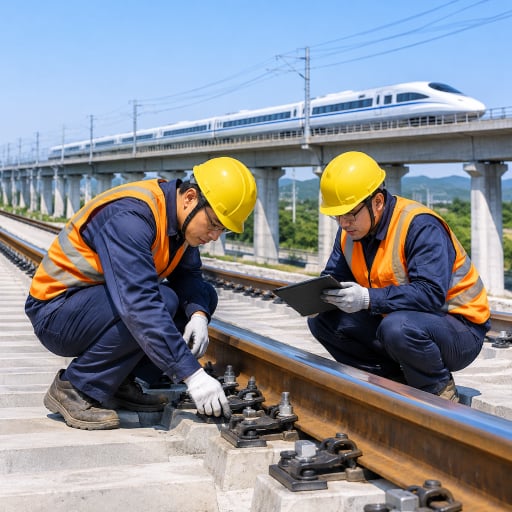
This illustrative case focuses on the supply of track fastening components for selected sections of the corridor. The design team required components compatible with the approved rail and track-support arrangement, including areas where the track structure and environmental conditions varied. On bridge and tunnel sections, the project placed particular emphasis on consistent installation and dependable product documentation.
High-speed railway projects demand careful coordination because the track system is designed as an integrated whole. Rails, support structures, fastening components, and track geometry must work together within the project’s engineering criteria. A product that is appropriate for one section may not automatically be suitable for another. The customer therefore needed a supplier that could follow the approved technical requirements and manage production in line with a tightly sequenced construction plan.
Customer Requirements
The customer’s first priority was compliance with project specifications. The proposed fastening components had to match the rail profile and the selected track form. Their dimensions and performance characteristics needed to be reviewed by the responsible engineering team before production approval.
The second requirement was consistency across multiple work sites. The corridor included separate construction packages, each with its own schedule and storage conditions. The customer wanted components delivered in clearly identified lots so that site teams could receive, inspect, and allocate materials without mixing products from different batches.
The third requirement related to documentation and quality assurance. The customer requested approved technical drawings, product information, inspection records, and other documents required by its project procedures. It also needed a defined process for resolving technical questions. On a large railway project, a small discrepancy between a drawing revision and a delivered product can lead to delays if it is not identified early.
Delivery timing was another major concern. The contractor needed the components to arrive in sequence with track construction. Delivering too early could create unnecessary storage and handling risks; delivering too late could interrupt installation. The supply plan therefore had to take account of manufacturing lead times, transport arrangements, and the construction programme.
Product Selection
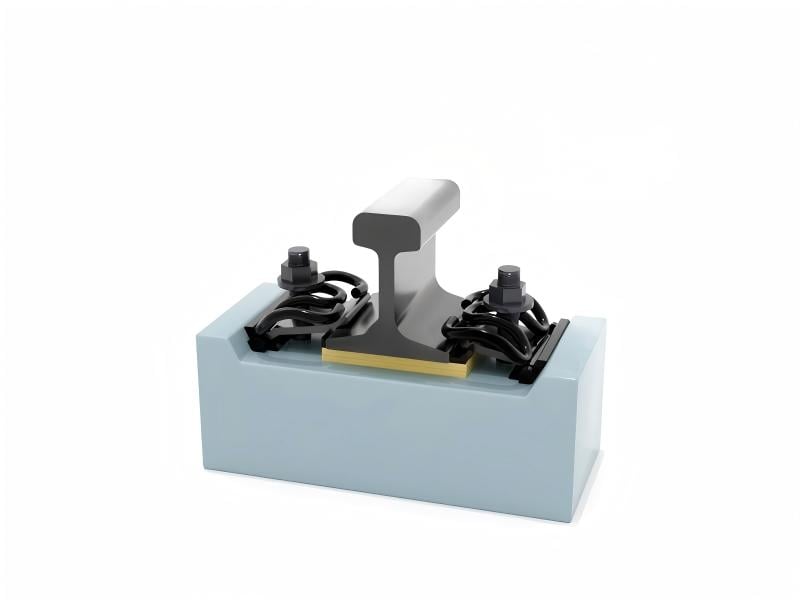
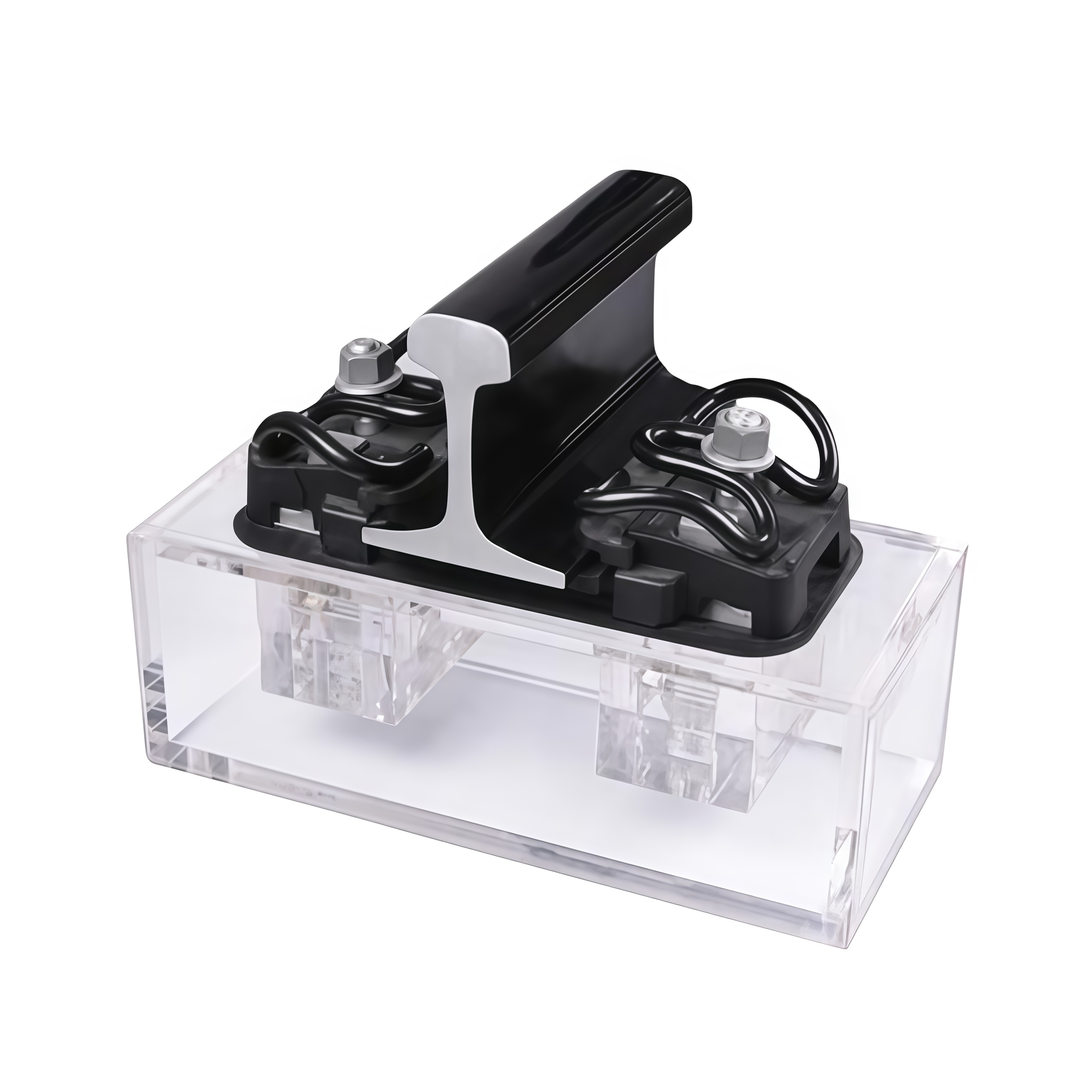
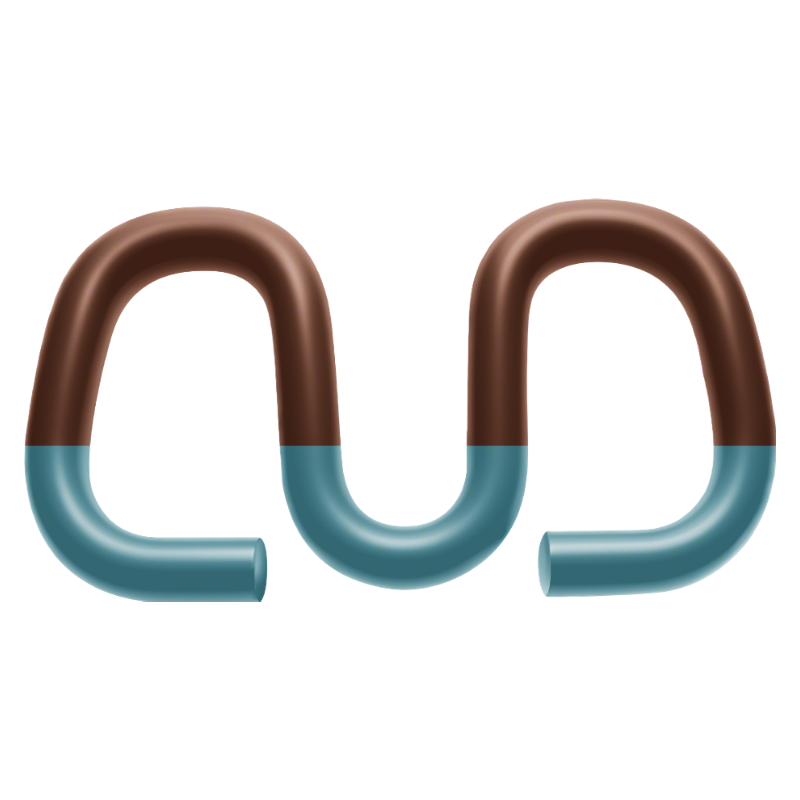
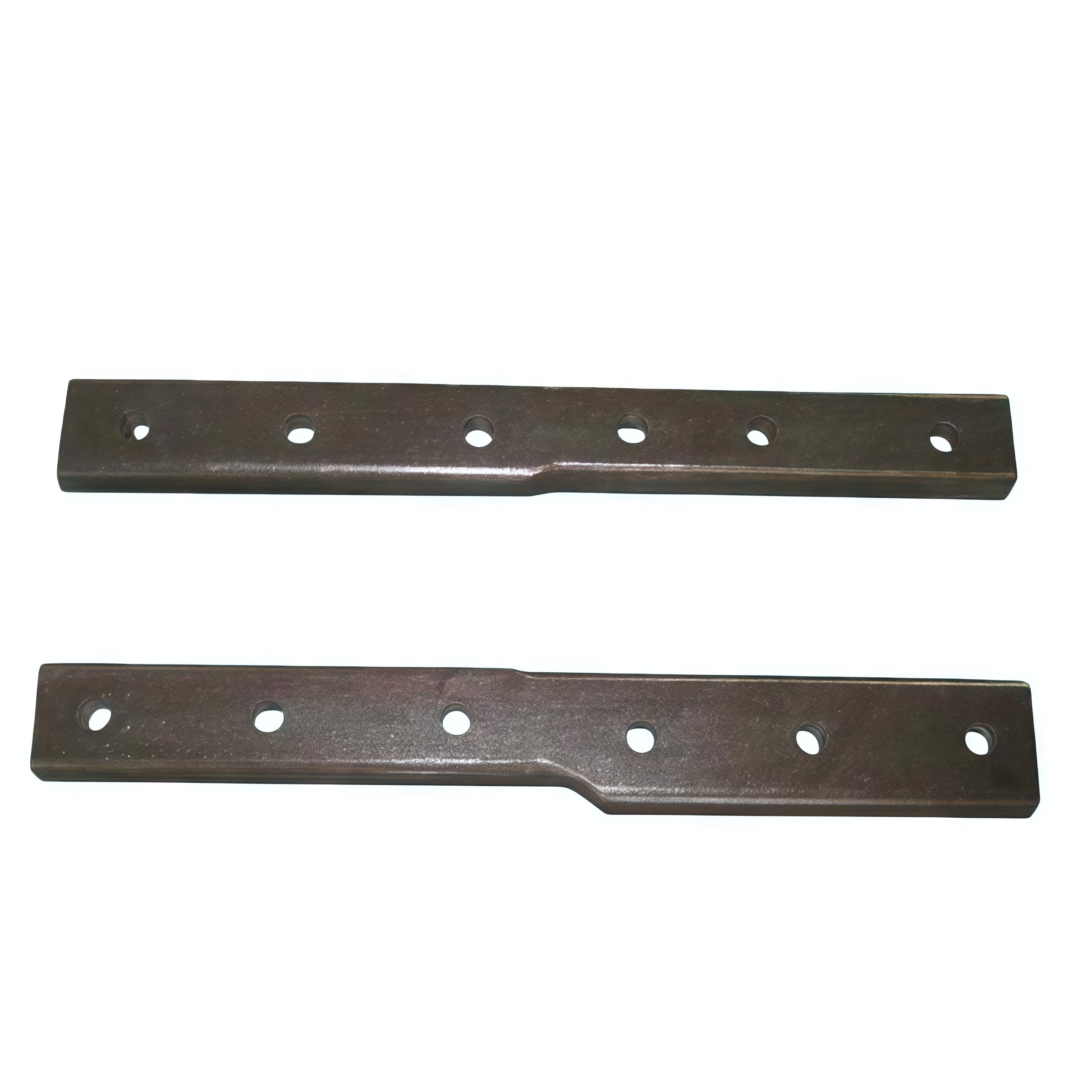
The project team reviewed a fastening package intended for the approved track design. Depending on the section and final engineering requirements, the package could include rail clips, resilient pads, insulators, baseplates, and related hardware. The exact configuration was not selected from a general catalogue alone. It was checked against the project’s drawings, rail type, support details, and required installation arrangement.
The technical review considered how the fastening system would secure the rail and interact with the supporting structure. The customer also evaluated whether the components could be installed using the planned construction equipment and procedures. Compatibility between individual parts was essential: the clip, pad, insulator, and supporting components had to function together as the specified assembly.
To reduce risk, the parties reviewed samples or sample assemblies before confirming production. This allowed the customer to check the component geometry and confirm that the proposed arrangement matched the approved design. Any required tests or acceptance criteria remained subject to the project’s formal engineering and quality procedures.
Production and Delivery Planning
Once the product configuration was approved, the supplier and customer established a production and delivery schedule linked to the construction sequence. Rather than treating the corridor as one large shipment, the team grouped deliveries by work package and planned installation period. This made it easier for the contractor to manage stock at different locations.
The quality plan identified the checks required during production and before dispatch. Inspection records were associated with production batches, and product labels were prepared to support traceability. Packaging was also planned with the practical conditions of rail construction in mind. Components needed protection during transport and handling, but the packaging also had to allow site teams to identify and access materials efficiently.
Communication played an important role throughout this process. When the project team requested clarification about a drawing or delivery sequence, the question was directed to the appropriate technical or logistics contact. Keeping one current set of approved documents helped reduce the risk of outdated information being used by production or site personnel.
Installation and Project Outcome
Installation proceeded in stages as the relevant track sections became available. The site team inspected deliveries, confirmed the product identification, and installed components according to the approved method. Where work moved from one structure type to another, the contractor followed the design information applicable to that section rather than assuming that the same detail applied everywhere.
In this illustrative case, the supply approach supported better coordination between procurement and construction. Deliveries were arranged around actual work packages, documentation was available for review, and batch identification helped the customer manage incoming materials. These steps do not replace engineering approval or site quality control, but they can make those processes more organized.
The project also reinforced the importance of realistic delivery planning. A high-speed railway corridor may involve long distances, multiple contractors, and changing site access conditions. A schedule that looks simple on paper can become difficult if delivery dates are not coordinated with construction progress and storage capacity.
Lessons for Future High-Speed Projects
Successful procurement begins with a clear technical definition. Customers should identify the rail type, track form, interfaces, environmental conditions, applicable standards, and project-specific acceptance requirements before requesting a final quotation. Any unresolved design questions should be addressed before production begins.
Suppliers, in turn, should provide more than a price and estimated lead time. Clear product documentation, revision control, batch traceability, and a delivery plan that reflects the construction sequence can help customers manage project risk. The best supply arrangement is one that fits the approved engineering design and can be tracked from factory to site.
For a large high-speed railway, dependable components matter—but so does dependable coordination. When engineering, quality, logistics, and construction teams work from the same approved information, they are better positioned to keep the project moving while maintaining control over materials and installation.