EN
EN
Quick Links

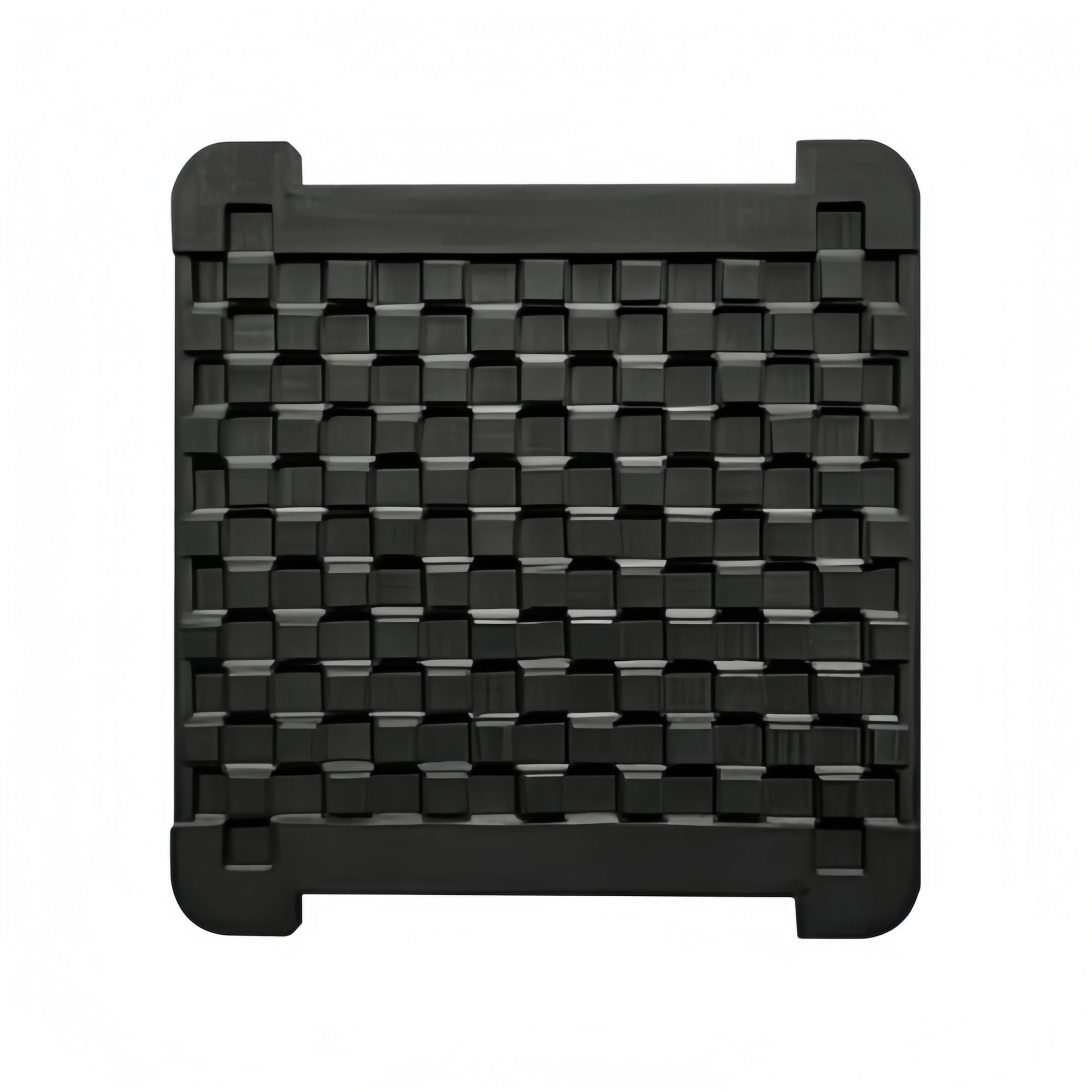
Multi-spec & multi-stiffness under-rail pads in stock for all rail gauges, excellent anti-aging, wear & salt fog resistance.
Stable mass production supports one-stop bulk procurement matched with full rail fastener kits to accelerate any track laying schedule.
The Under-Rail Pad is a critical elastic component used in modern railway track systems to improve track stability, reduce vibration, and extend the service life of rail infrastructure. Installed directly between the rail base and the sleeper, it acts as a cushioning layer that absorbs dynamic forces generated by train movement. Manufactured from high-quality natural rubber, synthetic rubber, or composite elastomer materials, the Under-Rail Pad offers excellent elasticity, mechanical strength, and resistance to aging, wear, and environmental stress.
Through advanced molding and vulcanization technology, each pad is engineered with precise thickness, hardness, and dimensional accuracy to ensure uniform performance across the entire track. Its durable construction effectively distributes vertical and lateral loads, preventing localized stress concentration and minimizing wear on sleepers and fasteners. The Under-Rail Pad also provides excellent resistance to water, oil, UV exposure, and temperature fluctuations, ensuring long-term stability and reliability even under harsh operating conditions. With options for different rail types—such as P43, P50, P60, and UIC60—and various sleeper materials including concrete, wood, and composite types, it can be customized to meet specific engineering requirements and environmental conditions.
Function & Application
The Under-Rail Pad serves several vital functions in enhancing railway performance and safety. Its primary role is to absorb vibration and impact forces transmitted between the rail and sleeper, thereby reducing noise, improving passenger comfort, and minimizing structural fatigue in track components. By providing elasticity and cushioning, the pad helps maintain precise track geometry, preventing deformation and reducing the risk of sleeper cracking or ballast damage caused by concentrated loads.
The pad’s vibration-damping capability not only protects the track structure but also extends the lifespan of fastening systems by reducing mechanical wear. It helps stabilize rail alignment, ensuring consistent contact between the rail and sleeper even under heavy axle loads and frequent train operations. This stability results in smoother train rides, lower maintenance requirements, and enhanced operational safety.
The Under-Rail Pad is widely used in various railway systems, including high-speed railways, heavy-haul freight lines, metro and light rail systems, and standard mainline tracks. It is suitable for both new track construction and existing line maintenance. Its simple installation process allows for efficient assembly without specialized tools, and it can be easily replaced during regular maintenance. The pad’s anti-slip surface design ensures a secure fit under the rail base, preventing displacement under vibration or load cycles.
Compliant with international standards such as UIC, AREMA, and EN, the Under-Rail Pad can be customized in terms of hardness, thickness, material composition, and color to meet specific project requirements. Furthermore, it is made from environmentally friendly and recyclable materials, aligning with global sustainability goals by reducing waste and extending infrastructure lifespan.
In summary, the Under-Rail Pad is an essential solution for achieving improved track elasticity, reduced vibration, and long-lasting durability in railway systems. Its combination of superior performance, easy maintenance, and environmental sustainability makes it a trusted choice for enhancing the safety, efficiency, and reliability of modern railway operations worldwide.
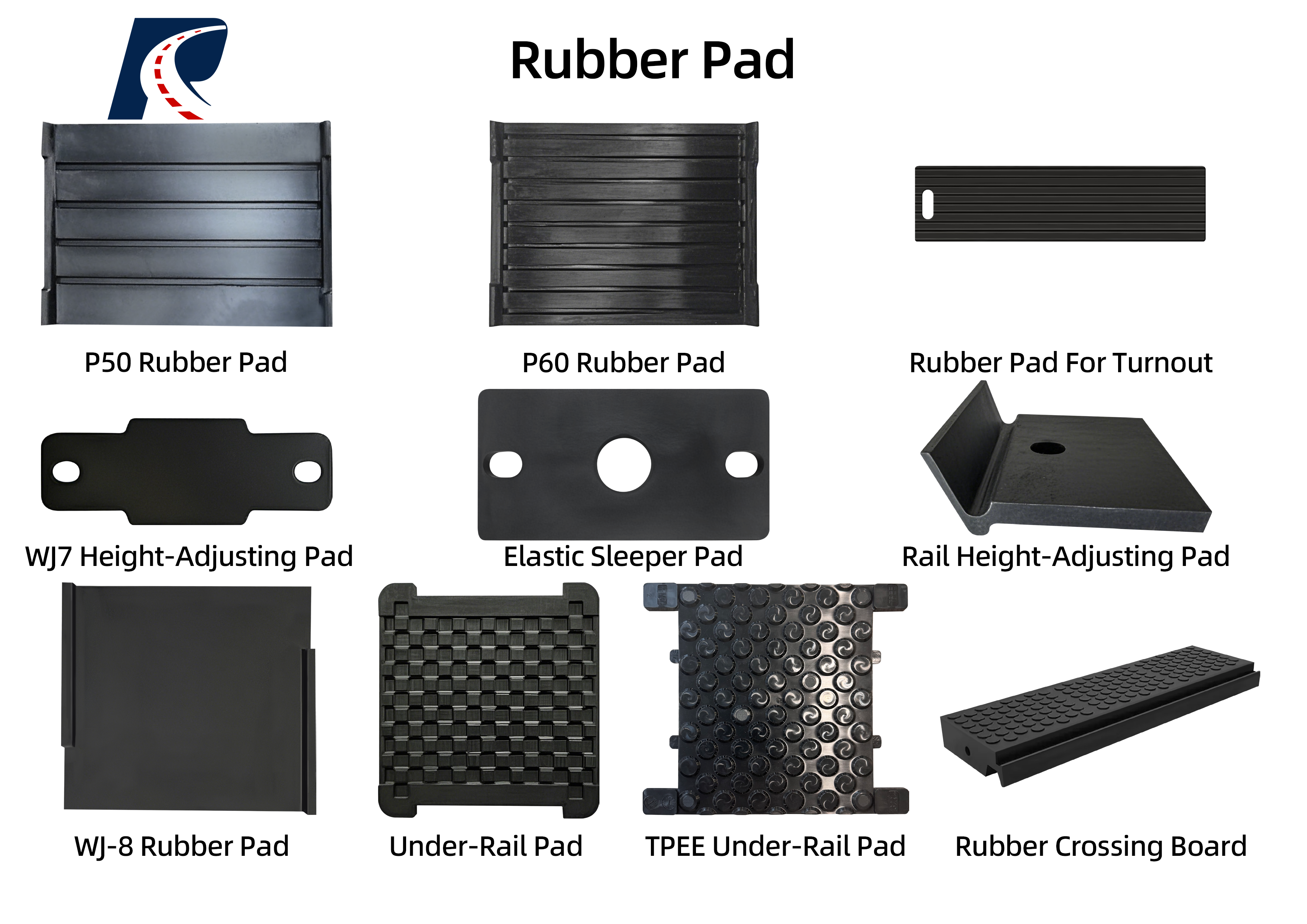
I. Overview of Railway Track Padding
Rubber track pads (hereinafter referred to as “rubber pads”) are critical components in railway track structures. Installed between rails and concrete sleepers, their primary functions include:
- Absorbing high-speed vibrations and impacts generated by passing vehicles to protect the subgrade and sleepers
- Providing electrical insulation for signaling systems Additionally, due to prolonged exposure to atmospheric conditions, rubber pads must exhibit excellent resistance to natural aging, cold temperatures, and heat. Rubber pads used in subways feature superior vibration damping and low-noise performance.
II. Characteristics of Railway Track Padding
1. Strong shock absorption, anti-aging properties, wear resistance, stability, and resistance to high and low temperatures. Products combine natural rubber, styrene-butadiene rubber, neoprene, HDPE, EVA, and high-density polyethylene. They exhibit high elasticity and resist deformation or fracture across various temperatures.
2. Extended service life with low maintenance and replacement costs.
3. Comprehensive range of models suitable for laying various rails (43kg, 50kg, 60kg) and sleepers (wooden, concrete).
4. Excellent load-bearing capacity, vibration damping, and insulation properties. Highly wear-resistant with minimal compression deformation, superior rigidity, aging resistance, and no mud displacement. Long service life and easy installation. Railway rubber pads significantly enhance rolling stock transport capacity, reduce crossing maintenance frequency, and prevent traffic accidents caused by stalled vehicles.
5. Rubber pads offer a service life exceeding three times that of traditional track plates. Testing confirms stable performance without deformation under applied pressures exceeding 80 tons. Manufactured primarily from rubber using scientific formulations and advanced production techniques, these pads meet railway speed enhancement and environmental requirements while boosting locomotive transport capacity.
Our factory is equipped with multiple guide rail pad production lines featuring machinery for machining, injection molding, rubber refining, vulcanization, forming, and inspection. We have our own rail pad development engineers, designing, producing and inspecting. What’s more, rail pads for high-peed rail are our featured products, including both the elastic rubber plates and height adjustment pads.
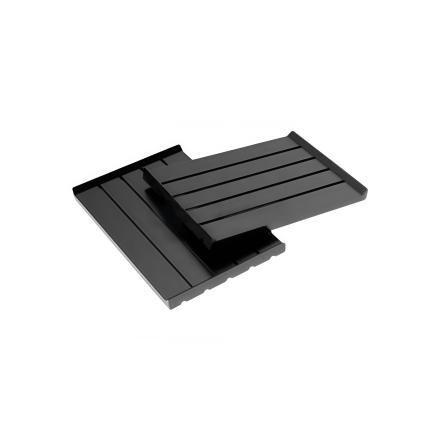
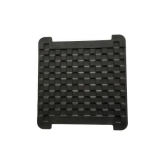
The Following are Rubber Rail Pads Parameters:
| Type | Diameter(mm) | Weight(kg) | Material |
| WJ8-B | 285mm*150mm*12mm | 0.35kg | Thermoplastic elastomer |
| WJ8-6 | 175mm*160mm | 0.24kg | Premium natural rubber or synthetic rubber |
| P50 | 185mm*131mm*10mm | 0.29kg | Premium natural rubber or synthetic rubber |
| P60 | 185mm*151mm*10mm | 0.34kg | Premium natural rubber or synthetic rubber |
| WJ8-6 | 175mm*160mm | 0.24kg | Premium natural rubber or synthetic rubber |
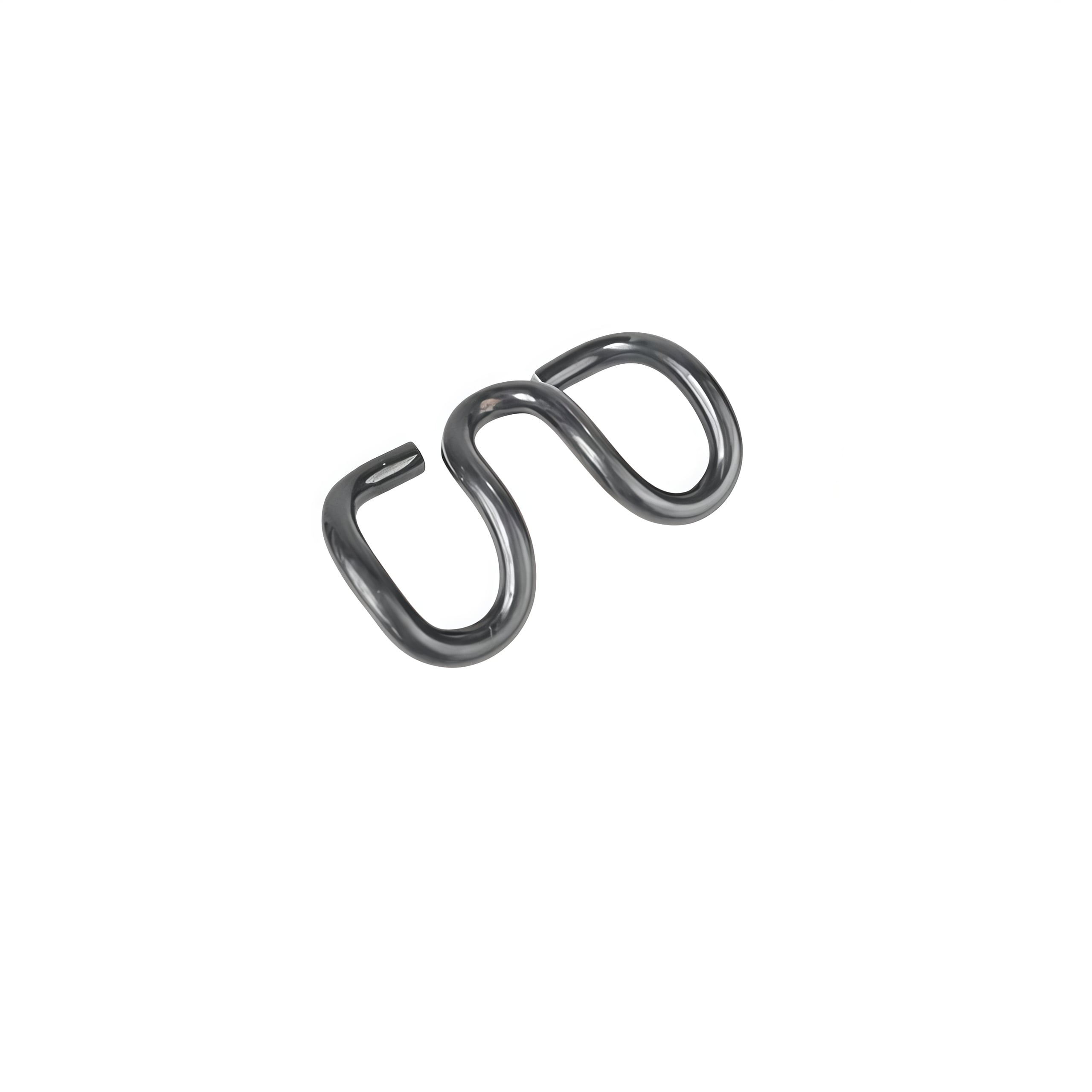
Type I Rail Clips
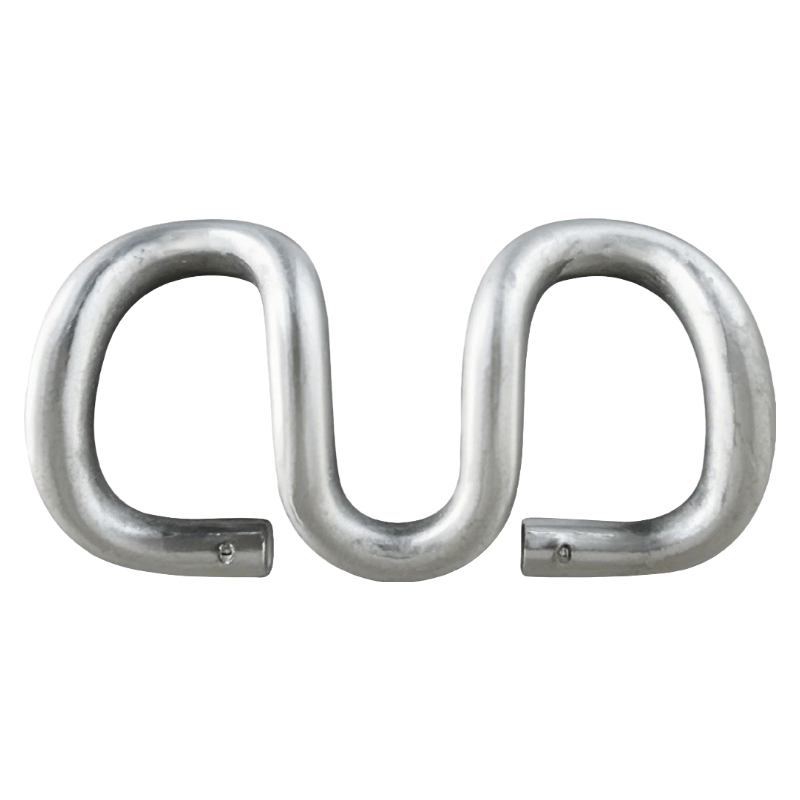
Zinc Diffusion Coated Rail Clip
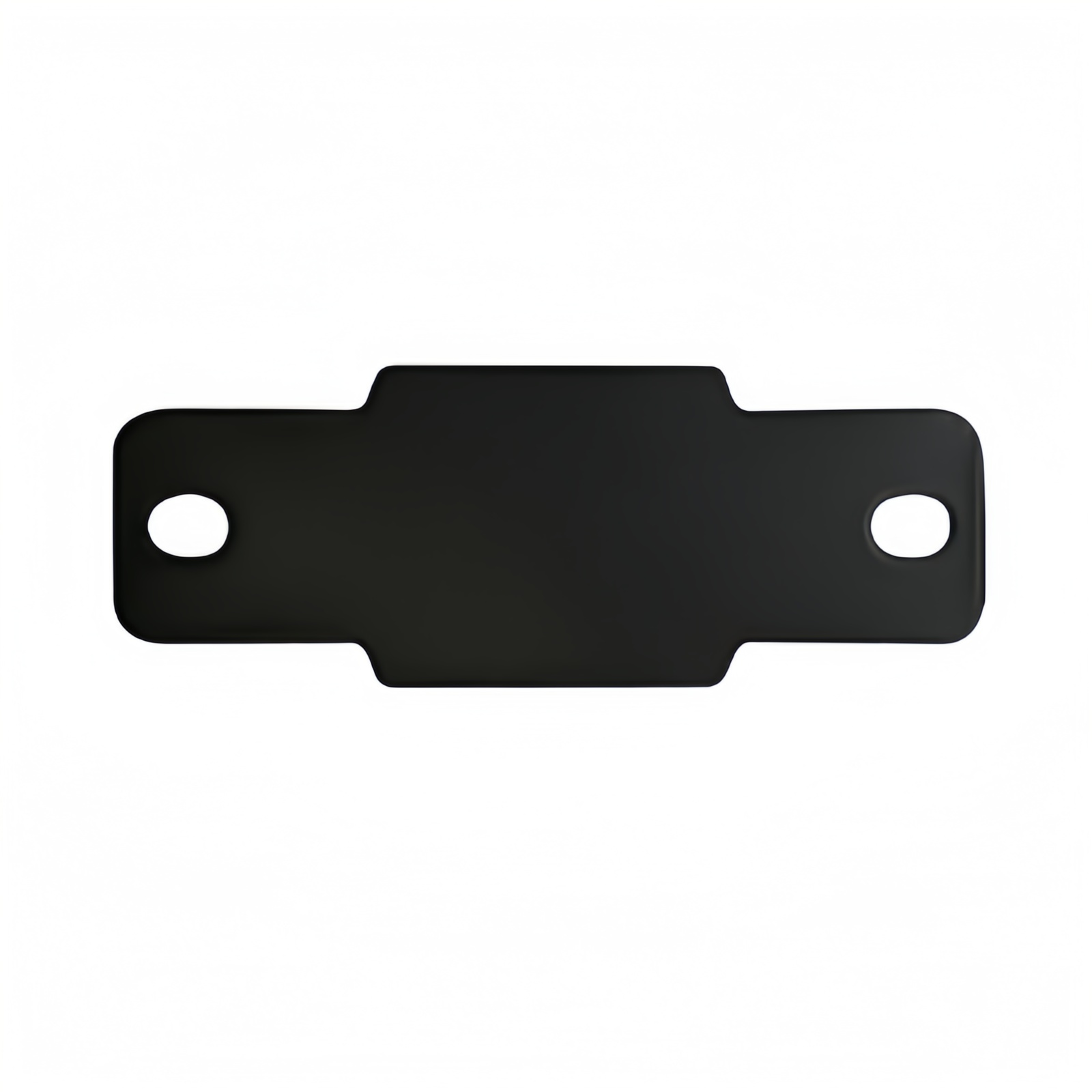
WJ7 Height-Adjusting Pad
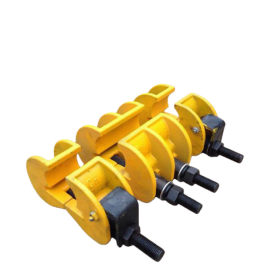
Railway Emergency Clamp