
 EN
EN
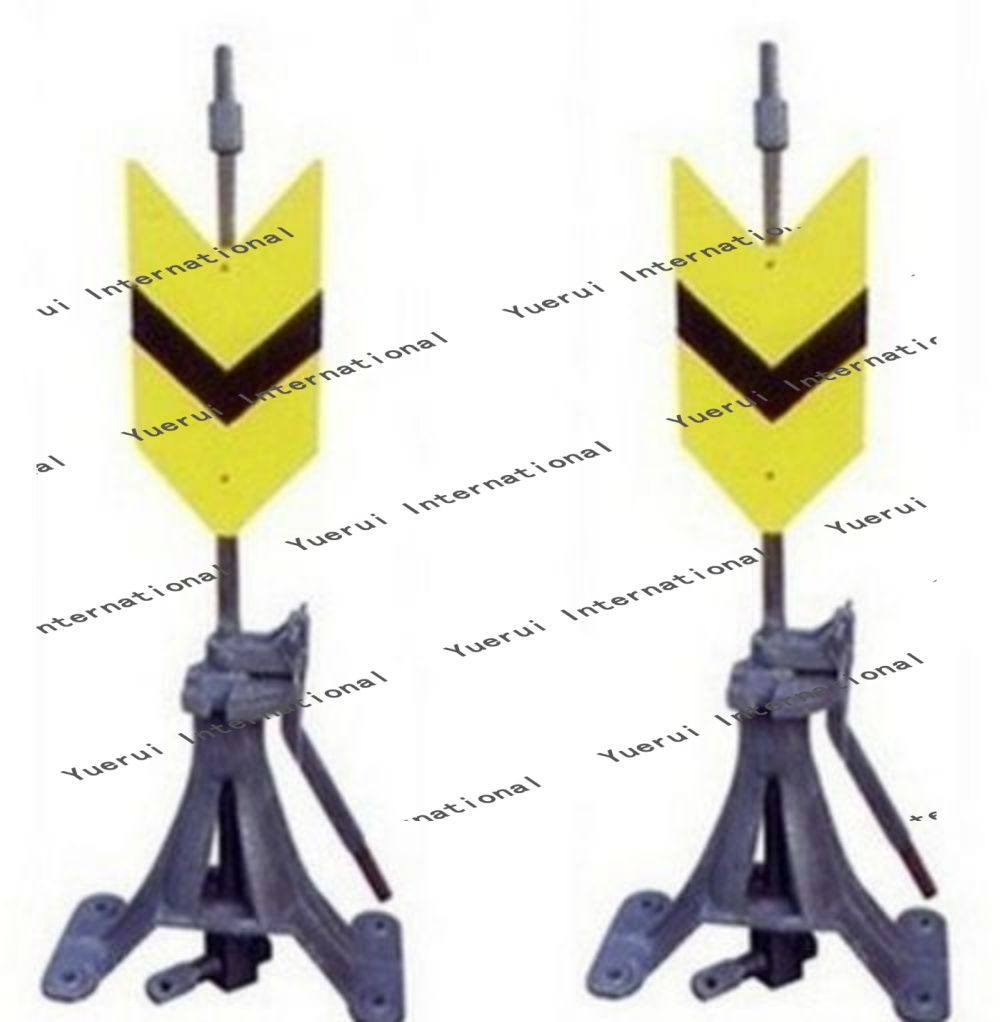
Konstruksi kereta api modern menuntut ketepatan luar biasa dan standar keselamatan yang tak tergoyahkan guna memastikan jaringan transportasi yang andal. Fondasi keberhasilan konstruksi jalur kereta api terletak pada pemilihan dan penerapan alat rel khusus yang tepat alat rel yang memungkinkan insinyur dan kru konstruksi mencapai penyelarasan akurat hingga tingkat milimeter sambil tetap mematuhi protokol keselamatan tertinggi. Instrumen canggih ini telah merevolusi cara proyek infrastruktur kereta api dilaksanakan, mengubah tantangan konstruksi kompleks menjadi proses yang dapat dikelola dan diulang secara konsisten, sehingga menghasilkan keluaran yang seragam di berbagai jenis medan dan kondisi lingkungan.
Kategori Penting Peralatan Konstruksi Kereta Api
Sistem Pengukuran dan Penyelarasan
Pengukuran presisi membentuk fondasi utama dalam konstruksi kereta api profesional, yang memerlukan alat rel khusus yang dirancang untuk mengatasi tantangan unik dalam proyek infrastruktur linier. Peralatan survei canggih memungkinkan tim konstruksi menetapkan garis dasar yang akurat serta mempertahankan geometri jalur secara konsisten sepanjang tahapan konstruksi yang berkepanjangan. Sistem-sistem ini mengintegrasikan teknologi laser dan sensor digital untuk memberikan umpan balik secara waktu nyata mengenai parameter penjajaran, sehingga setiap bagian jalur memenuhi spesifikasi teknis yang ketat.
Alat-alat rel modern untuk aplikasi pengukuran mencakup total station canggih yang mampu melacak beberapa titik acuan secara bersamaan, memungkinkan tim konstruksi mempertahankan koordinasi presisi di seluruh lokasi konstruksi skala besar. Waterpass digital dan teodolit elektronik memberikan lapisan verifikasi tambahan, memastikan bahwa pengukuran awal tetap akurat seiring kemajuan konstruksi melalui berbagai tahapan dan kondisi cuaca.
Peralatan Peletakan dan Penentuan Posisi Jalur Rel
Pemasangan fisik rel kereta api memerlukan peralatan penentuan posisi yang kokoh, mampu menangani berat besar dan persyaratan dimensi komponen rel baja. Alat khusus untuk rel dalam kategori ini meliputi pengangkat rel hidrolik, dongkrak penyelarasan, serta sistem penentuan posisi presisi yang memungkinkan tim kerja memanipulasi bagian rel berat dengan ketepatan tinggi. Alat-alat ini dilengkapi fitur keselamatan yang dirancang guna mencegah kecelakaan selama penanganan material yang dapat mencapai beberapa ton per meter panjangnya.
Peralatan canggih untuk peletakan rel mengintegrasikan kontrol berbasis komputer yang secara otomatis menyesuaikan parameter penentuan posisi berdasarkan spesifikasi teknis yang telah ditetapkan sebelumnya. Otomatisasi ini mengurangi kesalahan manusia sekaligus mempertahankan ketepatan konsisten yang diperlukan dalam aplikasi kereta api berkecepatan tinggi modern, di mana penyimpangan kecil pun dapat mengganggu keselamatan operasional dan standar kinerja.
Protokol Keselamatan dan Sistem Manajemen Risiko
Integrasi Peralatan Pelindung Diri
Alat-alat rel modern mengintegrasikan sistem keselamatan komprehensif yang melampaui peralatan pelindung diri tradisional, mencakup sistem pemantauan dan peringatan terintegrasi. Perlengkapan keselamatan cerdas terhubung dengan peralatan konstruksi untuk memberikan deteksi bahaya secara waktu nyata, serta memberi peringatan kepada pekerja terhadap potensi bahaya sebelum berkembang menjadi insiden keselamatan serius. Sistem-sistem ini memantau kondisi lingkungan, status peralatan, dan posisi pekerja guna menciptakan zona keselamatan komprehensif di sekitar area konstruksi yang sedang aktif.
Alat-alat rel canggih kini dilengkapi kunci pengaman terintegrasi yang mencegah operasi ketika parameter keselamatan tidak terpenuhi, sehingga memastikan kegiatan konstruksi tidak dapat dilanjutkan kecuali semua protokol keselamatan telah diterapkan secara tepat. Integrasi teknologi ini secara signifikan menurunkan tingkat kecelakaan dalam proyek konstruksi kereta api, sekaligus memungkinkan penyelesaian prosedur pemasangan kompleks secara lebih efisien.
Pemantauan dan Pengendalian Lingkungan
Proyek konstruksi kereta api harus memperhitungkan berbagai faktor lingkungan yang dapat memengaruhi hasil dari segi keselamatan maupun ketepatan. Alat khusus untuk rel memantau kondisi cuaca, stabilitas tanah, dan tingkat getaran guna memastikan kegiatan konstruksi hanya dilakukan ketika kondisi mendukung pelaksanaan pekerjaan yang aman dan akurat. Sistem pemantauan ini menyediakan aliran data secara terus-menerus yang membantu manajer proyek mengambil keputusan berbasis informasi mengenai penjadwalan konstruksi dan alokasi sumber daya.
Sistem pengendali lingkungan yang terintegrasi dengan alat-alat rel memungkinkan tim konstruksi mempertahankan kondisi kerja yang optimal bahkan dalam situasi cuaca atau medan yang menantang. Platform kerja berpengatur suhu dan sistem peredam getaran menjamin bahwa pengukuran serta pemasangan presisi tetap dapat dilakukan meskipun terdapat variasi lingkungan eksternal yang—jika tidak dikendalikan—dapat mengurangi kualitas proyek.
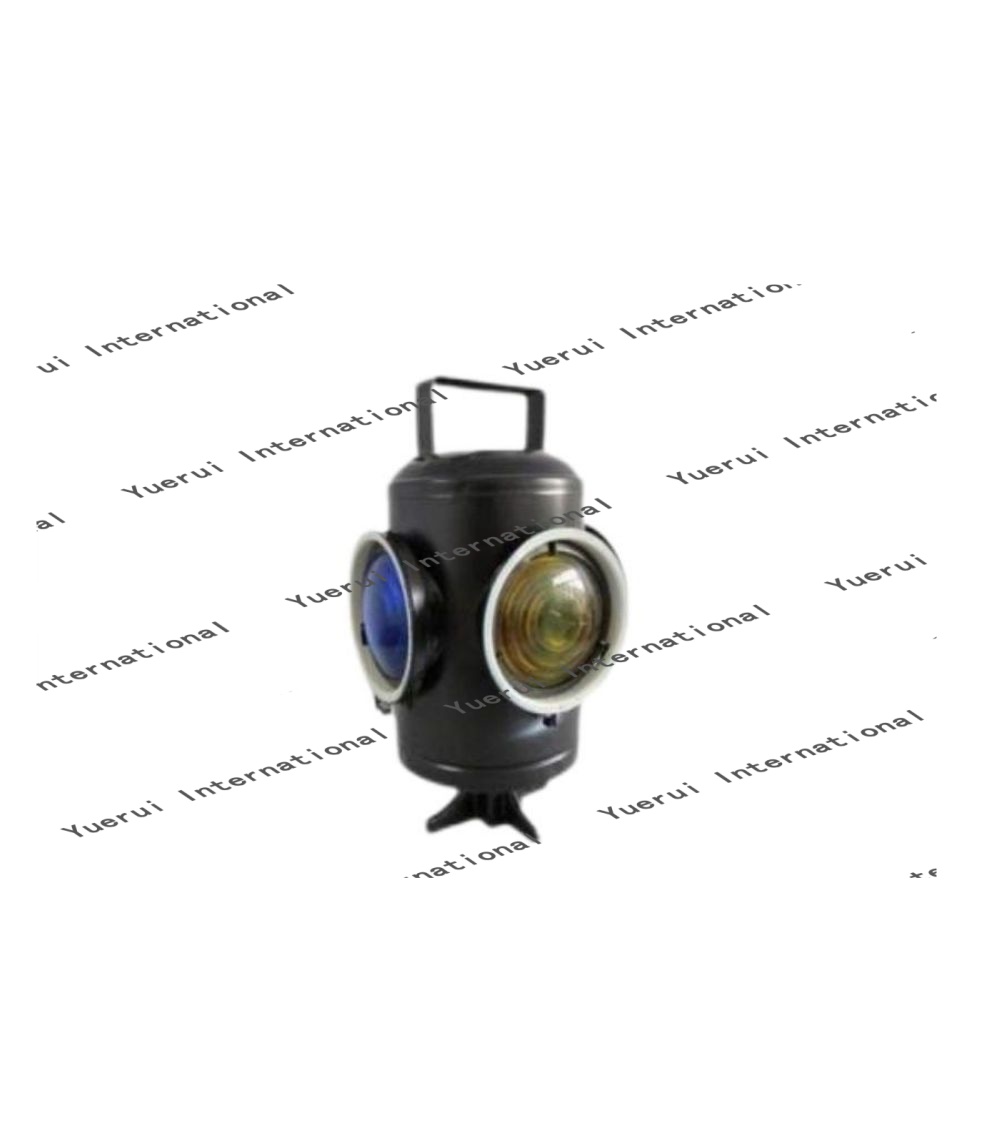
Penerapan Teknologi Presisi dalam Konstruksi Jalur Rel
Pengukuran Digital dan Jaminan Kualitas
Alat-alat rel modern memanfaatkan teknologi digital untuk mencapai tingkat akurasi pengukuran dan verifikasi kualitas yang belum pernah terjadi sebelumnya di seluruh proses konstruksi. Sistem berpanduan laser menyediakan pemantauan berkelanjutan terhadap geometri rel, secara otomatis mendeteksi dan menandai setiap penyimpangan dari spesifikasi teknis sebelum penyimpangan tersebut memengaruhi jadwal proyek atau persyaratan keselamatan. Sistem-sistem ini menghasilkan dokumentasi komprehensif yang mendukung protokol jaminan kualitas serta kebutuhan kepatuhan terhadap regulasi.
Alat-alat rel digital memungkinkan berbagi data secara daring antar tim konstruksi yang berbeda dan para pemangku kepentingan proyek, sehingga semua pihak yang terlibat dalam proyek tetap memiliki akses terhadap informasi terkini mengenai akurasi dan kemajuan pekerjaan. Keterhubungan ini mendukung koordinasi yang lebih baik serta waktu respons yang lebih cepat ketika penyesuaian atau koreksi diperlukan selama proses konstruksi.
Sistem Kalibrasi dan Verifikasi Otomatis
Alat-alat rel modern mengintegrasikan sistem kalibrasi otomatis yang secara terus-menerus memverifikasi akurasi pengukuran dan kinerja peralatan selama proyek konstruksi berlangsung dalam jangka waktu panjang. Sistem-sistem ini menghilangkan prosedur kalibrasi manual yang memakan waktu dan sebelumnya mengganggu alur kerja konstruksi, sehingga memungkinkan operasi berkelanjutan sambil mempertahankan presisi pengukuran yang melampaui metode verifikasi manual konvensional.
Sistem verifikasi canggih yang terintegrasi dalam alat-alat rel modern memberikan beberapa konfirmasi pengukuran independen, menciptakan pemeriksaan akurasi redundan yang secara praktis mengeliminasi kemungkinan kesalahan sistematis yang memengaruhi hasil proyek. Redundansi ini mendukung baik tujuan keselamatan maupun persyaratan presisi, sekaligus mengurangi waktu keseluruhan yang diperlukan untuk menyelesaikan proyek konstruksi kereta api yang kompleks.
Integrasi dengan Manajemen Konstruksi Modern
Perencanaan Proyek dan Optimalisasi Sumber Daya
Alat kereta api canggih terhubung secara mulus dengan sistem perangkat lunak manajemen konstruksi, memungkinkan manajer proyek mengoptimalkan alokasi sumber daya dan penjadwalan berdasarkan data kemajuan waktu nyata serta metrik kinerja peralatan. Integrasi ini mendukung penyusunan jadwal proyek yang lebih akurat dan membantu mengidentifikasi potensi hambatan sebelum berdampak pada aktivitas jalur kritis atau jadwal pengiriman proyek secara keseluruhan.
Alat kereta api cerdas memberikan peringatan pemeliharaan prediktif serta rekomendasi optimisasi kinerja yang membantu tim konstruksi mempertahankan efisiensi puncak sepanjang durasi proyek yang berkepanjangan. Sistem-sistem ini menganalisis pola penggunaan dan faktor tekanan pada peralatan untuk merekomendasikan jadwal pemeliharaan optimal serta parameter operasional yang memperpanjang masa pakai peralatan tanpa mengorbankan standar kinerja yang konsisten.
Dokumentasi Kualitas dan Dukungan Kepatuhan
Alat-alat rel modern secara otomatis menghasilkan dokumentasi komprehensif yang mendukung kebutuhan kepatuhan terhadap regulasi serta protokol jaminan kualitas sepanjang proses konstruksi. Pencatatan digital menghilangkan potensi kesalahan manusia dalam dokumentasi sekaligus menyediakan akses instan ke data historis yang mendukung pemecahan masalah dan inisiatif peningkatan berkelanjutan.
Sistem pemantauan kepatuhan terintegrasi dalam alat-alat rel memastikan bahwa seluruh kegiatan konstruksi memenuhi atau melampaui standar keselamatan dan kualitas yang berlaku, serta memberikan peringatan otomatis ketika parameter apa pun mendekati batas yang dapat diterima. Pemantauan proaktif ini mendukung kepatuhan yang konsisten sekaligus mengurangi beban administratif bagi tim konstruksi dan manajer proyek.
Perkembangan Masa Depan dalam Teknologi Konstruksi Kereta Api
Aplikasi Kecerdasan Buatan dan Mesin Pembelajaran
Generasi berikutnya dari alat kereta api akan mengintegrasikan sistem kecerdasan buatan yang mampu belajar dari pola konstruksi serta secara otomatis mengoptimalkan parameter operasional sesuai kondisi lokasi spesifik dan kebutuhan proyek. Sistem cerdas ini akan menganalisis sejumlah besar data konstruksi guna mengidentifikasi peluang optimasi yang mungkin terlewat oleh operator manusia, sehingga mendukung tingkat efisiensi dan akurasi yang lebih tinggi dalam proyek kereta api di masa depan.
Algoritma pembelajaran mesin yang terintegrasi ke dalam alat kereta api akan memungkinkan kemampuan analisis prediktif yang membantu tim konstruksi mengantisipasi tantangan potensial serta menerapkan solusi secara proaktif sebelum masalah tersebut memengaruhi jadwal proyek atau hasil keselamatan. Kemampuan prediktif ini merupakan kemajuan signifikan dibandingkan pendekatan reaktif yang saat ini digunakan dalam manajemen konstruksi dan penyelesaian masalah.
Peningkatan Keselamatan Melalui Integrasi Teknologi
Alat-alat kereta api masa depan akan dilengkapi sistem keselamatan yang jauh lebih canggih, yang memanfaatkan sensor, kamera, dan kecerdasan buatan untuk menciptakan jaringan pemantauan keselamatan menyeluruh di sekitar lokasi konstruksi. Sistem-sistem ini akan memberikan kesadaran 360 derajat terhadap bahaya potensial sekaligus menerapkan langkah-langkah perlindungan secara otomatis ketika kondisi berbahaya terdeteksi, sehingga semakin menurunkan tingkat kecelakaan—yang memang sudah sangat rendah—dalam konstruksi rel kereta api modern.
Alat-alat kereta api canggih yang sedang dikembangkan akan mengintegrasikan kemampuan operasi otonom untuk aktivitas konstruksi berisiko tinggi, sehingga menghilangkan keterlibatan pekerja manusia dalam situasi berbahaya tanpa mengorbankan presisi dan standar kualitas yang diperlukan dalam konstruksi rel kereta api profesional. Evolusi teknologi ini akan memungkinkan pembangunan infrastruktur kereta api di lokasi yang sebelumnya tidak dapat diakses atau sangat berbahaya, sambil tetap mempertahankan standar keselamatan optimal.
Pertanyaan yang Sering Diajukan
Jenis presisi apa yang dapat dicapai alat-alat kereta api modern dalam konstruksi jalur rel?
Alat-alat rel modern mampu mencapai akurasi penentuan posisi dalam kisaran 1–2 milimeter untuk aplikasi kereta api standar, dengan beberapa sistem khusus yang mampu mencapai presisi di bawah satu milimeter untuk pemasangan rel kecepatan tinggi. Alat-alat ini menggunakan panduan laser, teknologi GPS, dan sensor digital untuk menjaga konsistensi akurasi di seluruh tahap konstruksi, sehingga geometri rel jadi memenuhi toleransi ketat yang diperlukan guna operasi kereta api yang aman dan efisien.
Bagaimana alat-alat rel meningkatkan keselamatan pekerja selama proyek konstruksi?
Alat-alat rel modern mengintegrasikan berbagai sistem keselamatan, termasuk deteksi bahaya otomatis, kunci antar-peralatan (interlocks) yang mencegah pengoperasian tidak aman, serta pemantauan peralatan pelindung diri terintegrasi. Sistem-sistem ini menciptakan zona keselamatan komprehensif di sekitar kegiatan konstruksi, memberikan peringatan secara waktu nyata terhadap bahaya potensial, serta mematikan peralatan secara otomatis ketika parameter keselamatan tidak terpenuhi—secara signifikan mengurangi risiko kecelakaan selama proyek konstruksi kereta api.
Apa saja persyaratan perawatan yang dimiliki alat-alat rel modern?
Alat-alat rel modern dilengkapi sistem perawatan prediktif yang memantau kinerja peralatan dan secara otomatis menjadwalkan kegiatan perawatan berdasarkan pola penggunaan aktual, bukan berdasarkan interval waktu yang bersifat acak. Sebagian besar sistem memerlukan inspeksi harian dasar serta verifikasi kalibrasi berkala, sedangkan kemampuan diagnostik canggih mampu mengidentifikasi potensi masalah sebelum masalah tersebut memengaruhi jadwal konstruksi atau keandalan peralatan, sehingga meminimalkan waktu henti tak terduga dan biaya perawatan.
Bagaimana alat-alat rel terintegrasi dengan sistem manajemen konstruksi yang sudah ada
Alat-alat rel saat ini terhubung secara mulus dengan perangkat lunak manajemen konstruksi melalui protokol komunikasi standar, menyediakan kemampuan berbagi data secara waktu nyata yang mendukung koordinasi proyek yang lebih baik serta optimalisasi sumber daya. Sistem-sistem ini secara otomatis memperbarui kemajuan proyek, status peralatan, dan metrik kualitas di platform manajemen pusat, memungkinkan manajer proyek mengambil keputusan berdasarkan kondisi lapangan dan kemajuan konstruksi terkini.
Daftar Isi
- Kategori Penting Peralatan Konstruksi Kereta Api
- Protokol Keselamatan dan Sistem Manajemen Risiko
- Penerapan Teknologi Presisi dalam Konstruksi Jalur Rel
- Integrasi dengan Manajemen Konstruksi Modern
- Perkembangan Masa Depan dalam Teknologi Konstruksi Kereta Api
-
Pertanyaan yang Sering Diajukan
- Jenis presisi apa yang dapat dicapai alat-alat kereta api modern dalam konstruksi jalur rel?
- Bagaimana alat-alat rel meningkatkan keselamatan pekerja selama proyek konstruksi?
- Apa saja persyaratan perawatan yang dimiliki alat-alat rel modern?
- Bagaimana alat-alat rel terintegrasi dengan sistem manajemen konstruksi yang sudah ada