
 EN
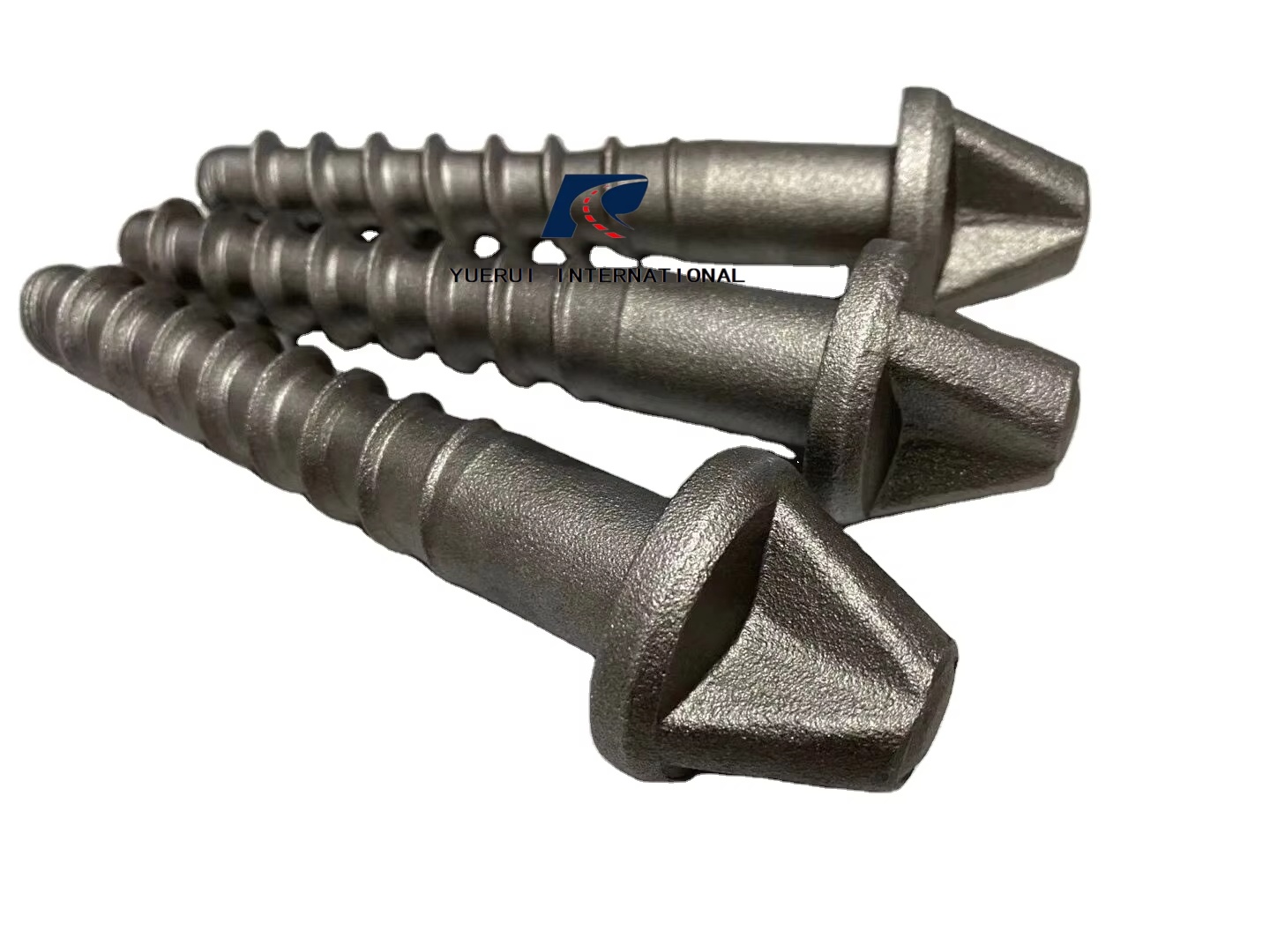
The rail spike remains one of the most fundamental components in traditional railway fastening systems, serving as the critical link between the rail and the wooden or concrete tie beneath it. Understanding the role of rail spike technology is essential for railway engineers, maintenance professionals, and infrastructure planners who depend on these time-tested fastening solutions. A rail spike secures the rail to the sleeper or tie, preventing lateral movement and maintaining proper track geometry under the constant stress of train operations.
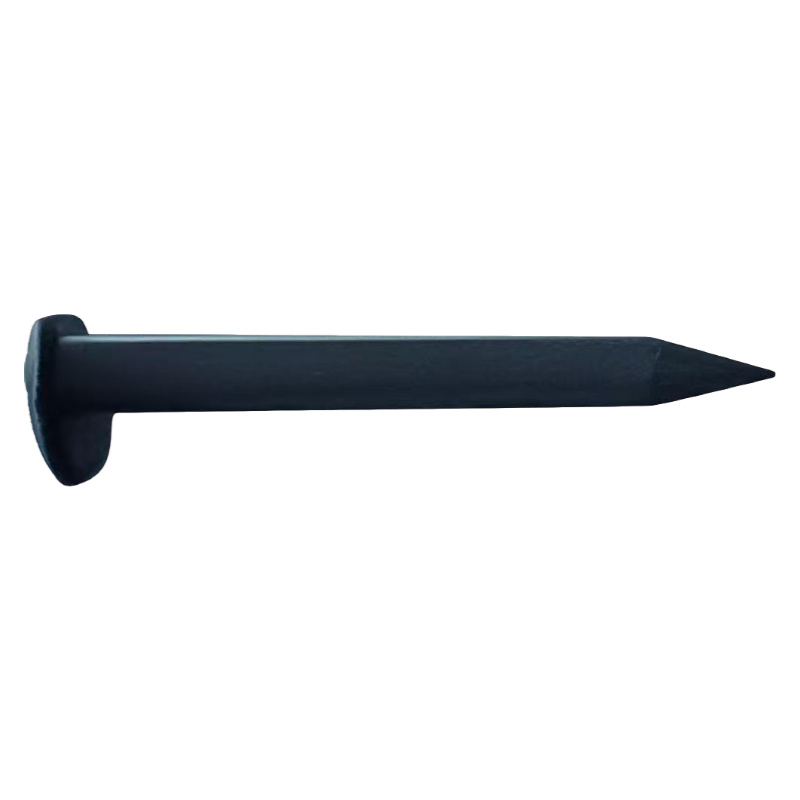
Since the earliest days of railway construction in the nineteenth century, the rail spike has proven its value as a reliable, cost-effective fastening method. Modern railways worldwide still depend on rail spike systems in combination with advanced materials and design refinements. The rail spike functions through mechanical grip and friction, using wedge-shaped geometry to lock the rail firmly onto the tie and resist both vertical and horizontal forces generated by passing trains.
Structural Design and Mechanical Function
How Rail Spike Geometry Provides Holding Power
The rail spike design incorporates a distinctive wedge shape that creates mechanical advantage when driven into the tie. A typical rail spike features a sharpened point, a tapered body, and a head designed for hammer impact. When a rail spike penetrates the wooden or concrete tie, the wedge geometry forces the tie material to compress around the spike body, creating friction and grip. This mechanical locking action means the rail spike can withstand pull-out forces without requiring threaded fasteners or chemical bonding.
The rail spike's holding power depends on several design variables, including spike length, diameter, material hardness, and the density of the tie material. A standard rail spike typically measures between four and six inches in length, with diameters ranging from three-eighths to one-half inch depending on rail weight and track class. Engineers select rail spike specifications based on rail tonnage, anticipated axle loads, and environmental conditions. The rail spike must penetrate sufficiently deep to engage solid tie material while maintaining proper clearance between the rail foot and the tie surface.
Material Composition and Durability
Traditional rail spike manufacturing uses medium-carbon steel, which offers optimal balance between hardness, toughness, and cost-effectiveness. A rail spike forged from this material can resist bending under load while maintaining enough ductility to avoid brittle fracture. Modern rail spike production includes quality controls for carbon content, tensile strength, and hardness testing to ensure consistent performance across millions of fasteners deployed on railway networks. The rail spike material must withstand repeated stress cycles, corrosion exposure, and occasional impact forces without permanent deformation.
Surface treatments enhance rail spike longevity in corrosive environments. Hot-dip galvanizing, a process where rail spike components are coated with zinc, provides extended protection against rust and oxidation. In coastal regions and areas with aggressive chemical exposure, galvanized rail spike options extend service life by ten to fifteen years compared to untreated carbon steel versions. The rail spike's material choice directly influences maintenance intervals and total cost of ownership over the track asset lifecycle.
Installation Methods and Maintenance Practices
Driving and Placement Techniques
Proper installation of each rail spike requires precision and skill developed through rigorous training programs. Railway workers position the rail spike at the correct angle relative to the rail foot, typically driving the fastener at a slight backward angle to enhance mechanical grip. The rail spike must be driven to a specific depth that ensures full engagement with the tie while maintaining proper track gauge and rail cant. Installation crews use powered spike drivers, pneumatic hammers, or manual mallets depending on track maintenance authority standards and field conditions.
The rail spike installation pattern follows standardized practices established over more than a century of operational experience. Track specifications typically require two rail spikes per tie on main lines and may reduce to one spike per tie on lightly traveled branch lines. The spacing between rail spikes along the rail length depends on rail weight, train speed, and axle load classification. Each rail spike position is carefully marked during layout to ensure uniform spacing and symmetrical support of the rail foot.
Inspection and Replacement Cycles
Maintenance personnel regularly inspect rail spike condition as part of comprehensive track asset management programs. Track inspectors walk or ride inspection vehicles along the railway, identifying loose rail spikes, corroded fasteners, and bent or fractured spikes requiring replacement. A loose rail spike indicates that the friction bond between spike and tie has degraded, potentially due to wood deterioration, vibration-induced movement, or material fatigue. Early detection and replacement of problematic rail spikes prevents more serious track defects and ensures safe train operations.
Replacement of worn or damaged rail spikes follows systematic procedures that minimize service interruption. Maintenance crews may perform spike replacement during scheduled track maintenance windows or in emergency situations when inspections reveal critical fastening failures. Modern track maintenance programs use specialized equipment to withdraw old rail spikes, inspect tie condition, and install new fasteners to proper specifications. The rail spike replacement frequency depends on track age, traffic volume, and environmental exposure, typically occurring at intervals between five and twenty years on well-maintained railway lines.
Performance Characteristics and Track Stability
Resistance to Longitudinal and Lateral Forces
The rail spike design specifically addresses the complex force environment created by moving trains on railway tracks. Longitudinal forces arise as accelerating and braking trains push or pull against the rail, while lateral forces develop during curved track navigation and high-speed operations. The rail spike's wedge geometry creates friction resistance that opposes both force directions, preventing the rail from sliding along the tie surface. This dual-directional holding capacity makes the rail spike particularly effective for traditional railway fastening applications where tie-down bolts and modern elastic fasteners may require more sophisticated engineering.
Track geometry stability depends directly on the consistent grip provided by multiple rail spikes along the rail length. If individual rail spikes lose holding power through corrosion, wood decay, or manufacturing defects, the entire rail section becomes vulnerable to misalignment. This phenomenon explains why railway maintenance organizations implement regular inspection protocols focused on identifying and replacing compromised rail spikes before track geometry problems develop. The rail spike's ability to maintain consistent clamping force over extended service periods directly correlates with track safety and train operational reliability.
Interaction with Tie Materials and Long-Term Performance
Wooden ties have dominated traditional railway fastening systems for generations, and the rail spike design evolved specifically to optimize performance with wood materials. The spike point penetrates wood fibers with minimal splitting resistance, while the wedge body compresses surrounding wood to create exceptional grip. Over time, wood ties absorb moisture, develop checking and weathering, and become softer in surface layers. This degradation can reduce rail spike holding power, requiring periodic re-driving of fasteners to restore proper clamping force and track geometry.
Concrete ties, increasingly common in modern railway construction, require different rail spike specifications and installation procedures. The rail spike must feature a harder, more aggressive point geometry to penetrate concrete effectively without deforming. Concrete tie fastening systems often incorporate special anchoring points or channels designed to accommodate rail spike insertion and prevent concrete spalling. Rail spike performance on concrete ties demonstrates that traditional fastening technology can adapt to modern tie materials while maintaining the fundamental advantages of mechanical wedge-based grip.
FAQ
What is the standard size and weight of a rail spike?
A standard rail spike typically measures four to six inches in overall length, with a diameter of three-eighths to one-half inch depending on rail weight class. Most common rail spikes weigh between four and twelve ounces, and specifications vary based on railway authority standards and historical track construction practices. Rail spike dimensions are carefully engineered to provide adequate penetration depth into ties while maintaining proper spacing relative to the rail foot and wheel gauge requirements.
How many rail spikes are required per tie on a typical main line track?
Main line railway track typically uses two rail spikes per tie, one on each side of the rail web, providing symmetrical support and balanced resistance to lateral and longitudinal forces. This two-spike configuration has become standard across major railway networks because it offers optimal balance between fastening security, installation labor efficiency, and maintenance accessibility. Some specialized applications with particularly heavy traffic or high-speed operations may employ additional fasteners or modified fastening systems, but the traditional two-rail-spike-per-tie arrangement remains the most common practice.
Can rail spikes be reused after removal from service?
Rail spikes can sometimes be reused if inspection reveals no permanent deformation, cracks, or excessive corrosion, though many railway organizations prefer to replace removed fasteners with new components to ensure consistent quality and performance. Once a rail spike has been driven and then withdrawn, the repeated stress cycling and material deformation can reduce its effectiveness compared to new fasteners. Rail spike reuse decisions depend on regulatory requirements, cost considerations, and the condition assessment performed during removal, with modern maintenance best practices typically favoring new fastener installation to maintain track safety standards.