
 EN
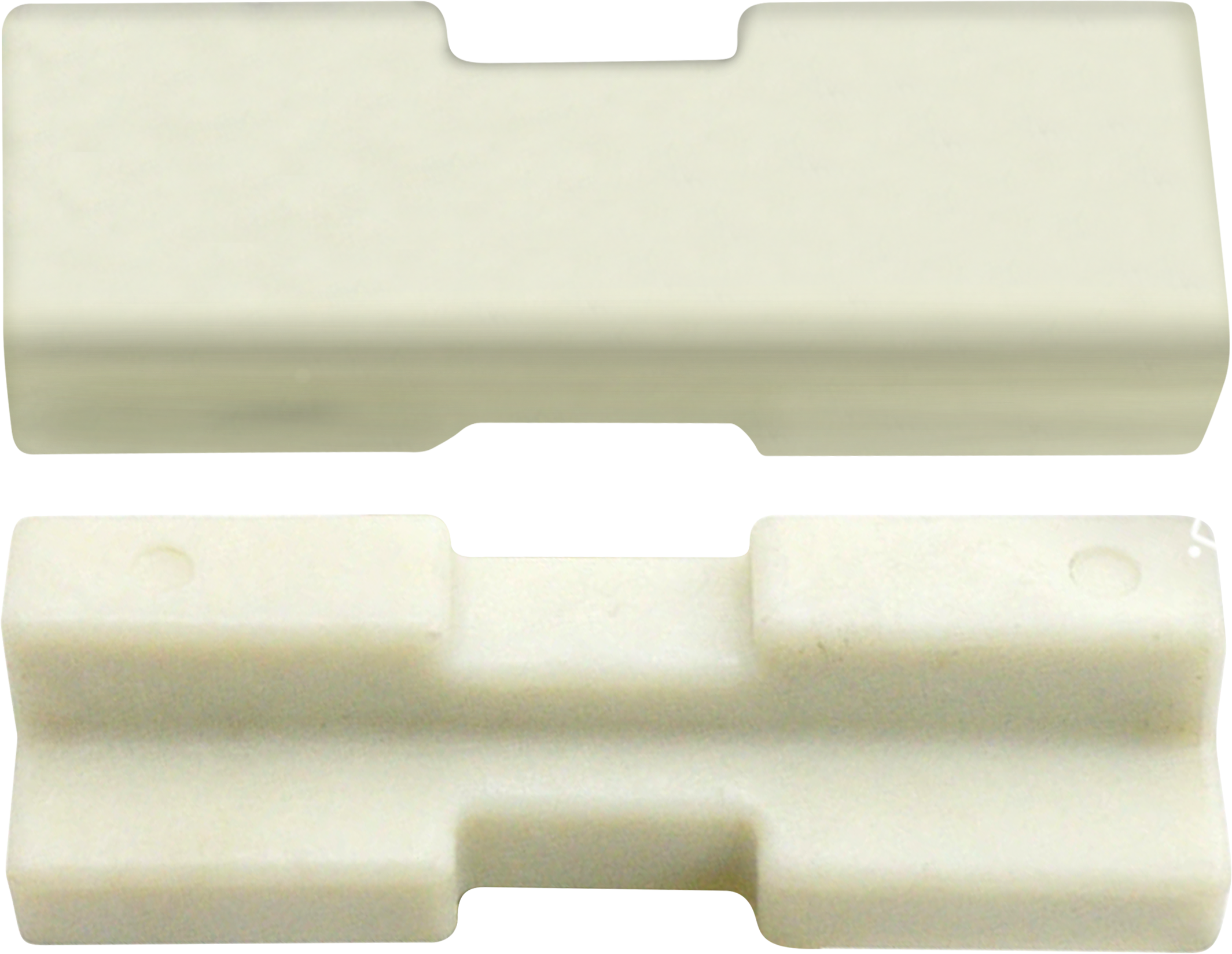
Track gauge inspection and monitoring are fundamental to railway safety and operational efficiency. The track gauge refers to the distance between the inner edges of the two rails in a railway track, and maintaining precise measurements is critical for preventing derailments, reducing maintenance costs, and ensuring smooth train operations. Accurate track gauge monitoring requires specialized tools and equipment designed specifically for this purpose, allowing railway maintenance teams to detect deviations early and take corrective action before safety issues arise or service disruptions occur.
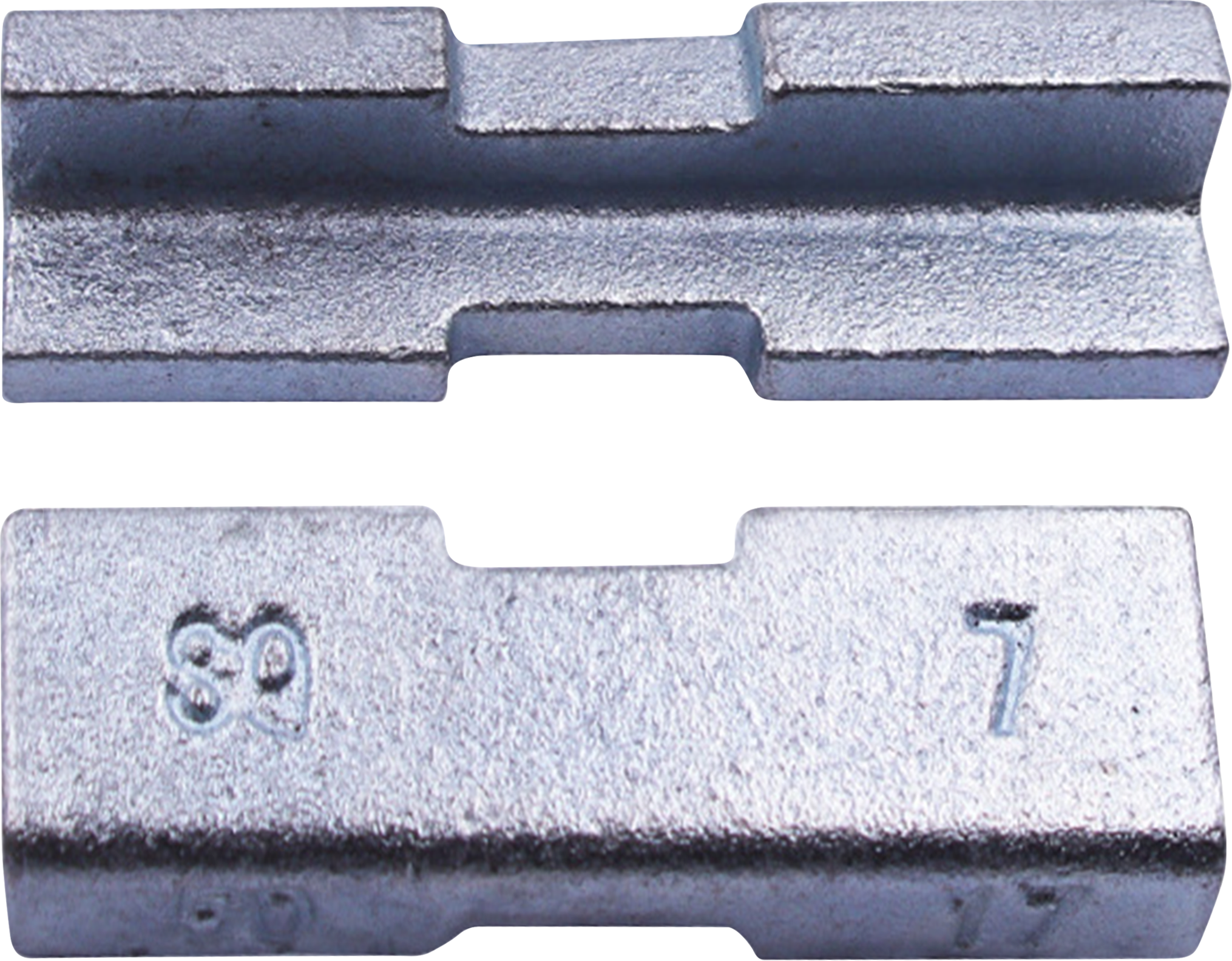
Railway networks worldwide depend on consistent track gauge measurements to maintain service quality and safety standards. Different regions may use different standard track gauge widths, such as 1435 millimeters for standard gauge railways, and any deviation from these specifications can lead to serious operational problems. The selection and proper use of track gauge inspection tools directly impacts the reliability of rail infrastructure and the effectiveness of predictive maintenance programs across freight, passenger, and urban transit systems.
Digital Track Gauge Measurement Devices
Portable Electronic Track Gauge Tools
Modern track gauge inspection relies heavily on portable electronic devices that provide rapid, accurate measurements of rail separation. These digital track gauge tools typically feature electronic sensors that capture precise readings, often with accuracy tolerances measured in millimeters or even smaller. Portable track gauge measurement devices reduce human error compared to manual methods and provide instant data logging capabilities, allowing inspectors to record measurements at multiple locations along a rail line and identify patterns of gauge degradation over time.
Digital track gauge systems often include wireless data transmission features that allow real-time reporting to centralized maintenance management platforms. Battery-powered track gauge inspection equipment enables field teams to work efficiently without power infrastructure, and many modern devices feature ruggedized designs suitable for harsh railway environments. The data collected through track gauge monitoring tools can be analyzed to create trend reports that help predict when corrective maintenance will be necessary before gauge deviations reach critical levels.
Laser-Based Track Gauge Inspection Systems
Laser technology has revolutionized track gauge measurement by providing non-contact measurement capabilities that reduce inspection time and improve accuracy. Laser-based track gauge inspection equipment uses precise light beams to measure the exact distance between rails without physical contact, eliminating wear on sensitive measuring surfaces. These advanced track gauge monitoring systems can operate in challenging weather conditions and provide measurements accurate to within a few millimeters, making them ideal for high-speed rail corridors where even minor gauge deviations can create operational issues.
Traditional and Manual Track Gauge Tools
Mechanical Track Gauge Measurement Instruments
Despite the rise of electronic solutions, mechanical track gauge inspection tools remain essential components of railway maintenance toolkits. Traditional track gauge measuring devices, such as mechanical calipers and gauge wedges, provide reliable measurements without requiring batteries or complex electronics. These track gauge tools are particularly valuable as backup systems and for field verification when digital track gauge equipment is unavailable or requires calibration confirmation.
Mechanical track gauge measurement devices are durable, cost-effective, and require minimal training to operate effectively. Field inspectors can quickly identify gross track gauge violations using simple mechanical tools before deploying more sophisticated track gauge inspection equipment for detailed analysis. The simplicity and reliability of traditional track gauge monitoring instruments make them indispensable in railway maintenance operations, especially in remote locations or on heritage railway systems where modern infrastructure may be limited.
Gauge Wedge and Fixed Measurement Devices
Gauge wedges represent one of the oldest and most practical track gauge inspection methods, using wedge-shaped tools that fit precisely between the rails to indicate gauge width. These track gauge measurement tools are based on standardized dimensions, allowing inspectors to quickly identify whether track gauge measurements fall within acceptable operating ranges. Modern track gauge wedges often include graduated markings that provide more granular measurement data than basic pass-fail determinations.
Advanced Monitoring and Diagnostic Systems
Continuous Track Gauge Monitoring Networks
Sophisticated railway systems increasingly rely on continuous track gauge inspection networks that provide real-time monitoring across entire rail corridors. These automated track gauge monitoring systems use stationary sensors placed at strategic locations to continuously measure gauge separation and alert maintenance teams to deviations. Continuous track gauge measurement systems dramatically improve safety by detecting sudden gauge shifts caused by rail buckling, foundation settlement, or accident damage before trains encounter hazardous conditions.
Networked track gauge inspection equipment integrates data from multiple measurement points, allowing railroad operators to analyze gauge trends across thousands of kilometers of track simultaneously. Track gauge monitoring systems that collect continuous data enable predictive maintenance models that forecast maintenance needs based on gauge degradation patterns. This proactive approach to track gauge management reduces emergency repairs, extends rail infrastructure lifespan, and improves overall network reliability.
Ultrasonic and Advanced Sensor Track Gauge Tools
Ultrasonic track gauge inspection technology represents the frontier of measurement precision, using sound waves to detect rail separation with extraordinary accuracy. These advanced track gauge monitoring systems can identify microscopic variations in gauge width that might indicate early stress or rail movement. Ultrasonic track gauge measurement devices provide data that engineers can use to assess rail component stress and predict maintenance requirements before visible wear develops.
Integration of multiple sensor types in comprehensive track gauge inspection platforms allows railway maintenance teams to correlate gauge measurements with other critical infrastructure parameters such as rail temperature, vertical alignment, and lateral forces. Track gauge monitoring systems that combine multiple sensor inputs provide holistic infrastructure assessment capabilities that go beyond simple distance measurement. These integrated track gauge tools support advanced analytics that improve decision-making throughout railway maintenance and operations departments.
FAQ
What is the standard track gauge measurement across most railways?
The standard track gauge of 1435 millimeters, also known as standard gauge, is used by approximately 55 percent of global railway networks. However, different regions maintain different track gauge specifications, including narrow gauges like 1000 millimeters used in mountain railways and wider gauges like 1676 millimeters in some countries. Proper track gauge inspection tools must be calibrated to the specific track gauge standard maintained by each railway operator to ensure accurate measurements.
How frequently should track gauge inspection and monitoring be conducted?
Track gauge inspection frequency depends on multiple factors including train traffic volume, track age, climate conditions, and gauge stability history. High-speed rail corridors typically require track gauge monitoring weekly or even daily, while lower-traffic lines may need inspection monthly or quarterly. Modern track gauge measurement systems with continuous monitoring sensors eliminate the need for scheduled inspections by providing real-time alerts when measurements drift outside acceptable ranges.
What safety risks arise from improper track gauge measurements?
Deviations from proper track gauge specifications can cause derailments, train instability, excessive rail wear, and catastrophic infrastructure failures if left undetected. Trains traveling on misaligned track gauge experience increased vibration, accelerated component fatigue, and reduced braking effectiveness. Track gauge inspection and monitoring programs using appropriate tools and regular measurement protocols are essential safeguards that protect passengers, cargo, railway personnel, and public safety along rail corridors.