
 EN
EN
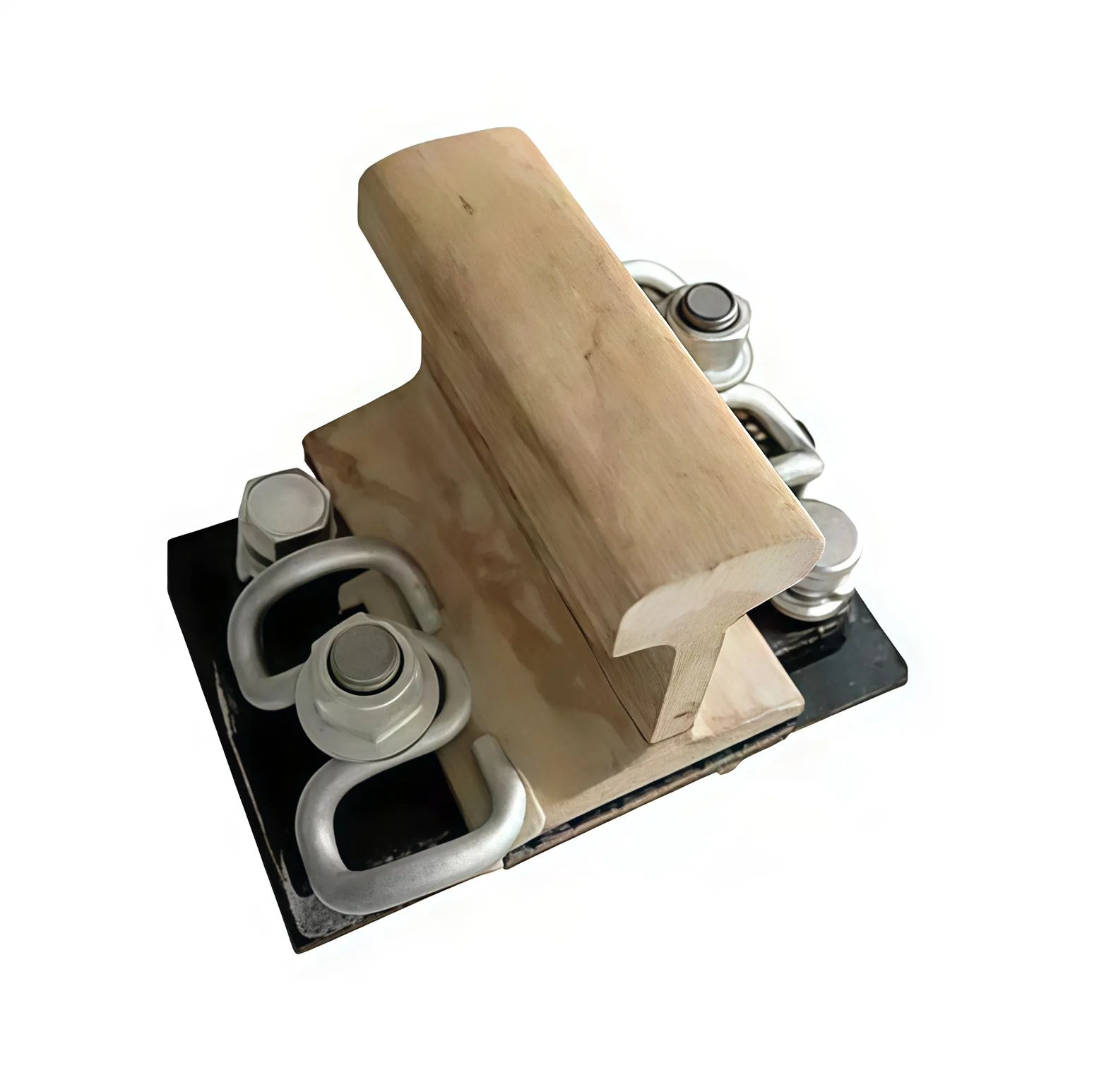
Modern rail transit systems face a critical engineering challenge that extends far beyond basic structural integrity: the management of vibration and noise transmission through infrastructure. As urban rail networks expand into densely populated areas and high-speed corridors demand greater precision, the role of rail supports has evolved from simple load-bearing components to sophisticated vibration mitigation systems. Optimized rail supports represent a fundamental shift in how engineers approach the interface between track and structure, employing advanced materials, geometric designs, and damping mechanisms to interrupt the energy transmission pathways that generate disruptive noise and harmful vibrations. This article examines the specific mechanisms through which properly engineered rail supports achieve measurable reductions in both airborne noise and structure-borne vibration, providing transportation authorities and civil engineers with practical insight into the performance characteristics that distinguish conventional fastening systems from acoustically optimized alternatives.
The optimization of rail supports centers on controlling the energy transfer pathway between rolling stock and supporting infrastructure through strategic manipulation of stiffness, damping, and mass distribution characteristics. When trains traverse track, wheel-rail contact generates dynamic forces across a broad frequency spectrum, from low-frequency oscillations associated with vehicle suspension dynamics to high-frequency impacts from rail surface irregularities and wheel flats. Traditional rigid rail supports transmit this energy efficiently into concrete slabs and tunnel structures, where it radiates as audible noise and propagates through building foundations as perceptible vibration. Optimized systems interrupt this transmission through carefully engineered elastomeric interfaces, tuned mass-spring configurations, and geometry-specific load distribution patterns that convert mechanical energy into heat while maintaining the vertical and lateral stability essential for safe railway operations. The effectiveness of these interventions depends on matching support characteristics to specific operational parameters including train speed, axle load, curve radius, and the acoustic sensitivity of adjacent environments.
Vibration Isolation Mechanisms in Advanced Rail Support Systems
Elastomeric Material Selection and Energy Dissipation Properties
The foundation of vibration control in optimized rail supports lies in the careful selection and configuration of elastomeric materials that serve as the primary energy dissipation interface between rail and structure. Natural and synthetic rubber compounds exhibit viscoelastic behavior characterized by both elastic energy storage and viscous energy dissipation, with performance determined by polymer chemistry, cross-link density, and filler material composition. High-damping elastomers used in advanced rail supports typically demonstrate loss factors between fifteen and thirty percent across the critical frequency range of twenty to two hundred hertz, converting mechanical vibration energy into thermal energy through internal molecular friction. The dynamic stiffness of these materials changes with loading frequency, temperature, and pre-compression level, requiring careful engineering analysis to ensure optimal performance under actual service conditions. Rail supports incorporating properly selected elastomers can achieve insertion loss values exceeding twenty decibels in the mid-frequency range where structure-borne noise transmission is most problematic for residential environments.
Mass-Spring Resonance Tuning for Frequency-Specific Attenuation
Optimized rail supports function as mass-spring-damper systems with natural frequencies deliberately positioned below the dominant excitation frequencies generated by train passage. The fundamental resonance of the support system, determined by the ratio of supported mass to elastic stiffness, creates a mechanical filter that attenuates vibrations above the resonant frequency while potentially amplifying motion near resonance. Effective rail supports typically target natural frequencies between eight and fifteen hertz, providing significant attenuation beginning around twenty hertz where environmental vibration standards become stringent. The isolation efficiency increases with frequency at approximately twelve decibels per octave above the resonance point, making these systems particularly effective against high-frequency rail corrugation noise and wheel impact transients. However, the resonance itself must be carefully damped to prevent excessive low-frequency amplification that could compromise track stability or passenger comfort. Advanced rail supports incorporate compound elastomeric elements with graduated stiffness properties that provide both the compliance necessary for isolation and the damping required to control resonant behavior.
Load Distribution Geometry and Contact Stress Management
The geometric configuration of rail supports significantly influences both their vibration isolation capability and their contribution to rail surface condition, which directly affects rolling noise generation. Discrete point supports create concentrated contact stresses and allow greater rail deflection between support points, potentially increasing both rail corrugation wear patterns and radiated noise. Optimized rail supports often employ continuous or closely-spaced configurations that distribute loading more uniformly along the rail length, reducing peak stresses and minimizing vertical rail deflection under wheel loads. This geometry simultaneously improves fatigue life and reduces the rail vibration modes most responsible for airborne noise radiation. The support spacing interval critically affects the beam-on-elastic-foundation behavior of the rail, with shorter spacing generally providing better high-frequency vibration control at the cost of increased system stiffness and material quantity. Advanced designs balance these competing requirements through variable spacing patterns that concentrate support density in acoustically sensitive zones while optimizing spacing elsewhere for cost effectiveness.
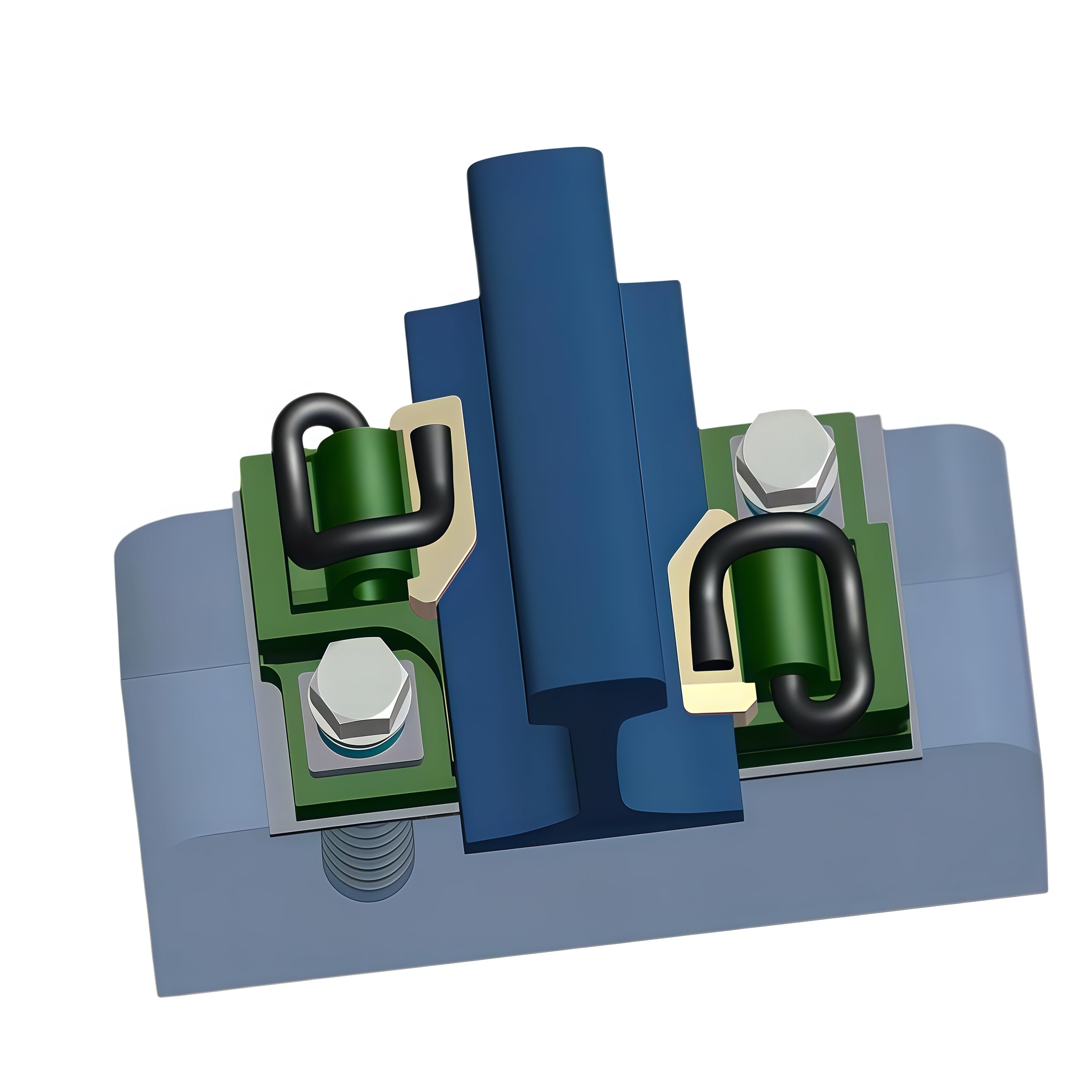
Noise Reduction Pathways Through Support System Optimization
Structure-Borne Noise Transmission Interruption
Structure-borne noise represents one of the most challenging aspects of railway environmental impact, as vibrations transmitted through rail supports propagate through tunnel linings, elevated guideway structures, and building foundations before radiating as audible sound in adjacent spaces. Optimized rail supports address this transmission pathway by introducing high-impedance discontinuities that reflect vibration energy back toward the track rather than transmitting it into the structure. The effectiveness of this isolation depends on the impedance mismatch between the elastic support element and the surrounding rigid structure, with greater stiffness differences producing better isolation. Rail supports designed specifically for structure-borne noise control typically achieve dynamic stiffness values between ten and fifty kilonewtons per millimeter, substantially lower than the effective stiffness of concrete direct fixation. When properly implemented across an entire track system, these supports can reduce structure-borne noise levels in adjacent buildings by fifteen to twenty-five decibels across the frequency range most perceptible to human hearing. The isolation performance extends to both vertical and lateral vibration directions, though optimization typically prioritizes vertical control where dynamic loads are greatest.
Rail Vibration Damping and Acoustic Radiation Control
Beyond isolating structure-borne transmission, optimized rail supports can directly reduce the vibration amplitude of the rail itself, thereby decreasing the acoustic power radiated as airborne rolling noise. The rail acts as an efficient sound radiator due to its elongated geometry and relatively low structural damping, with noise radiation efficiency particularly high at frequencies where rail cross-sectional dimensions approach wavelength scales. Rail supports that incorporate substantial damping material in intimate contact with the rail foot can extract vibration energy directly from the rail, reducing vibration amplitudes and associated noise radiation. This damping effect proves most significant at mid to high frequencies above five hundred hertz, where rail vibration involves cross-sectional deformation modes rather than simple bending. Measurements on optimized rail supports with integral rail damping features demonstrate noise reductions of three to six decibels compared to conventional fastening systems, with benefits most pronounced during high-speed operation where rolling noise dominates the overall sound signature. The damping approach complements rather than replaces structure-borne isolation, as the mechanisms address different components of the overall noise generation and transmission process.
Impact Noise Mitigation Through Compliance and Geometry
Impact-generated noise from wheel flats, rail joints, and switches represents particularly annoying acoustic events that generate complaints even when average noise levels remain acceptable. Optimized rail supports reduce impact noise severity through elastic compliance that cushions the shock loads and distributes impact energy over longer time periods, reducing peak sound pressure levels. The vertical compliance of the support system allows the rail to deflect slightly under wheel impact, increasing contact duration and reducing the peak force magnitude that would otherwise generate high-amplitude acoustic transients. This mechanism proves particularly valuable at special trackwork locations where geometric discontinuities inevitably generate impact events. Additionally, rail supports with controlled lateral stiffness can reduce flanging noise at tight-radius curves by allowing controlled lateral rail displacement that reduces the lateral creep forces responsible for curve squeal. The compliance must be carefully calibrated to provide impact mitigation without compromising the geometric stability essential for safe vehicle guidance, requiring sophisticated analysis of the coupled vehicle-track dynamic system.
Performance Variables and Optimization Considerations
Environmental and Operational Condition Effects
The vibration and noise control performance of rail supports varies significantly with environmental conditions and operational parameters that affect material properties and loading characteristics. Temperature variation directly influences elastomer stiffness and damping properties, with most rubber compounds becoming stiffer and less compliant at low temperatures while softening at elevated temperatures. This temperature sensitivity requires careful material selection and performance verification across the full temperature range expected in service, typically from minus forty to plus sixty degrees Celsius for exposed installations. Rail supports must maintain adequate isolation performance despite these material property variations while simultaneously ensuring that track geometry remains within tolerance across all temperature conditions. Loading frequency also affects elastomer behavior, with dynamic stiffness typically increasing with vibration frequency due to viscoelastic time-dependent response characteristics. Optimized rail supports account for this frequency dependence through material formulation and geometric design that targets performance at the frequencies most critical for environmental noise control.
Maintenance Requirements and Long-Term Performance Stability
The practical effectiveness of optimized rail supports depends critically on maintaining their designed performance characteristics throughout extended service life under demanding operational conditions. Elastomeric materials in rail supports experience continuous dynamic loading, environmental exposure, and potential contamination that can degrade mechanical properties over time. Oxidation, ozone attack, and ultraviolet exposure cause surface cracking and hardening that reduces compliance and damping capacity, potentially compromising vibration isolation effectiveness. Optimized rail supports incorporate protective measures including carbon black reinforcement, antioxidant additives, and geometric designs that shield critical elastomer surfaces from environmental exposure. The support system design should also facilitate inspection and replacement of worn components without extensive track outages, as practical maintainability directly determines whether theoretical performance advantages translate into sustained field benefits. Track maintenance practices including rail grinding and fastener tension management also influence the ongoing noise and vibration performance of rail supports, as these factors affect the dynamic loads transmitted into the support system.
Integration with Complete Track System Design
Achieving optimal vibration and noise reduction requires coordinated design of rail supports within the context of the complete track system, including rail profile, rail pad properties, baseplate configuration, and underlying foundation characteristics. Rail supports represent one component within a multi-stage isolation and damping system where the cumulative effect determines overall environmental performance. The stiffness relationship between rail pads immediately under the rail and the primary rail supports below the baseplate or sleeper critically affects load distribution and vibration transmission pathways. Systems with excessively soft rail pads may concentrate deflection at the rail-pad interface, reducing the effectiveness of primary rail supports in controlling structure-borne transmission. Conversely, very stiff rail pads combined with compliant primary supports can create a two-stage isolation system with enhanced high-frequency performance but requiring careful tuning to avoid problematic mid-frequency resonances. Optimized designs consider the entire load path from wheel-rail contact through final dissipation in the foundation structure, allocating stiffness and damping properties at each interface to achieve performance targets while maintaining constructability and cost effectiveness.
Measurement Methods and Performance Verification
Laboratory Testing Protocols for Material and Component Characterization
Rigorous laboratory testing provides the foundation for understanding how rail supports will perform in controlling vibration and noise under actual service conditions. Dynamic stiffness testing using sinusoidal or broadband excitation across the frequency range from five to two hundred hertz characterizes the frequency-dependent load-deflection behavior that determines isolation effectiveness. These tests typically apply preloads representative of actual rail loading conditions and measure both in-phase and out-of-phase force components to determine storage modulus and loss factor. Standardized test methods such as those specified in EN 13146-9 and similar national standards ensure consistent characterization and enable meaningful comparison between alternative rail supports. Durability testing through millions of loading cycles at various amplitudes and frequencies simulates years of service to verify that performance remains stable throughout the design life. Temperature cycling combined with dynamic loading exposes potential degradation mechanisms that might compromise field performance. Advanced testing facilities also evaluate noise radiation from test track sections using different rail supports, directly measuring the acoustic benefit under controlled conditions with calibrated source excitation.
Field Measurement Techniques for Operational Performance Assessment
Field measurements on operational track provide the ultimate validation of vibration and noise control effectiveness under actual service conditions with real trains, varied operational speeds, and existing environmental context. Vibration measurements using accelerometers mounted on rails, baseplates, and structural elements quantify the transmission loss achieved by rail supports across different frequency bands and under various train types. Time-history analysis reveals peak vibration levels during train passage while frequency analysis identifies which vibration modes are most effectively controlled. Structure-borne noise measurements in adjacent buildings before and after rail supports installation or upgrade demonstrate the practical environmental benefit achieved. Microphone array measurements near the track isolate airborne noise contributions from different sources including wheel-rail rolling noise, rail vibration radiation, and structure-borne re-radiation. These comprehensive field assessments reveal how theoretical design performance translates into measurable environmental benefit under complex real-world conditions. The measurements also identify any unintended consequences such as low-frequency vibration amplification or geometric stability issues that might require design refinement.
Predictive Modeling and Simulation Tools
Sophisticated computational modeling enables engineers to predict the vibration and noise performance of rail supports during the design phase, reducing the need for expensive physical prototyping and enabling systematic optimization. Finite element analysis models the detailed stress distribution, dynamic response characteristics, and vibration modes of rail supports under realistic loading conditions. Multi-body dynamics simulation of coupled vehicle-track systems reveals how rail supports influence ride quality, wheel-rail contact forces, and dynamic load distribution along the track. Frequency-domain transmission loss calculations predict structure-borne noise levels in buildings based on track vibration measurements and known transmission path characteristics. These modeling approaches require accurate material property data including frequency-dependent stiffness and damping characteristics of elastomeric components. Validation against field measurements builds confidence in model predictions and enables parametric studies that identify which design variables most significantly influence performance. The modeling capability allows engineers to optimize rail supports for specific applications, balancing vibration isolation, noise reduction, structural requirements, and cost constraints to achieve the best overall system performance.
FAQ
What is the typical vibration reduction achieved by optimized rail supports compared to conventional systems?
Optimized rail supports typically achieve vibration reductions of fifteen to twenty-five decibels in the frequency range from thirty to two hundred hertz compared to direct rail fixation or conventional rigid fastening systems. The exact reduction depends on the specific support design, frequency content of the vibration source, and characteristics of the transmission path. Low-frequency isolation below twenty hertz is generally limited by practical constraints on support compliance and natural frequency positioning. High-frequency attenuation above two hundred hertz can exceed thirty decibels with properly designed systems. These reductions translate into substantial decreases in structure-borne noise levels in adjacent buildings and significantly improved environmental compatibility for urban rail systems.
How do rail supports affect both vibration transmission and direct noise radiation simultaneously?
Rail supports influence both vibration transmission and noise radiation through complementary mechanisms that address different aspects of the acoustic signature. The elastic compliance of optimized rail supports isolates structure-borne vibration transmission into foundations and structures, reducing re-radiated noise in adjacent spaces. Simultaneously, damping materials integrated within the rail supports extract energy from rail vibration modes, reducing the acoustic power radiated directly from the rail as airborne rolling noise. Impact compliance reduces peak force levels that generate transient noise events. These multiple mechanisms work together to provide comprehensive noise control, with relative importance varying by application depending on whether structure-borne or airborne noise dominates the environmental impact.
Do softer rail supports compromise track stability or require more frequent maintenance?
Properly engineered rail supports balance vibration isolation compliance with adequate stiffness to maintain geometric stability and resist lateral forces from vehicle guidance and thermal rail expansion. Modern optimized rail supports achieve this balance through compound elastomer designs with non-linear stiffness characteristics that provide greater resistance to large displacements while remaining compliant under normal dynamic loading. Geometric constraints and positive mechanical connections prevent excessive movement. When correctly designed and installed, optimized rail supports do not inherently require more frequent maintenance than conventional systems, though inspection intervals should verify that elastic elements have not degraded and that track geometry remains within tolerance. Some highly compliant systems may require more frequent geometry correction, but this operational consideration must be weighed against the significant environmental benefits achieved.
Can rail supports be optimized for both new construction and retrofit applications in existing tunnels?
Rail supports can be optimized for both new construction and retrofit scenarios, though design constraints differ between these applications. New construction allows complete integration of optimized rail supports within the overall track system design, including foundation preparation, drainage provisions, and vertical clearance allocation. Retrofit applications must work within existing geometric constraints including limited vertical space, existing fastening hardware, and operational restrictions on track possession time. Specialized low-profile rail supports have been developed specifically for retrofit applications where vertical space is severely limited, achieving significant vibration reduction within height envelopes as small as twenty-five millimeters. Retrofit installations may also employ modular designs that allow installation during normal maintenance windows without complete track reconstruction. While new construction generally allows greater optimization freedom, modern retrofit rail supports can deliver substantial noise and vibration benefits in existing infrastructure where environmental requirements have become more stringent.
Table of Contents
- Vibration Isolation Mechanisms in Advanced Rail Support Systems
- Noise Reduction Pathways Through Support System Optimization
- Performance Variables and Optimization Considerations
- Measurement Methods and Performance Verification
-
FAQ
- What is the typical vibration reduction achieved by optimized rail supports compared to conventional systems?
- How do rail supports affect both vibration transmission and direct noise radiation simultaneously?
- Do softer rail supports compromise track stability or require more frequent maintenance?
- Can rail supports be optimized for both new construction and retrofit applications in existing tunnels?