
 EN
EN
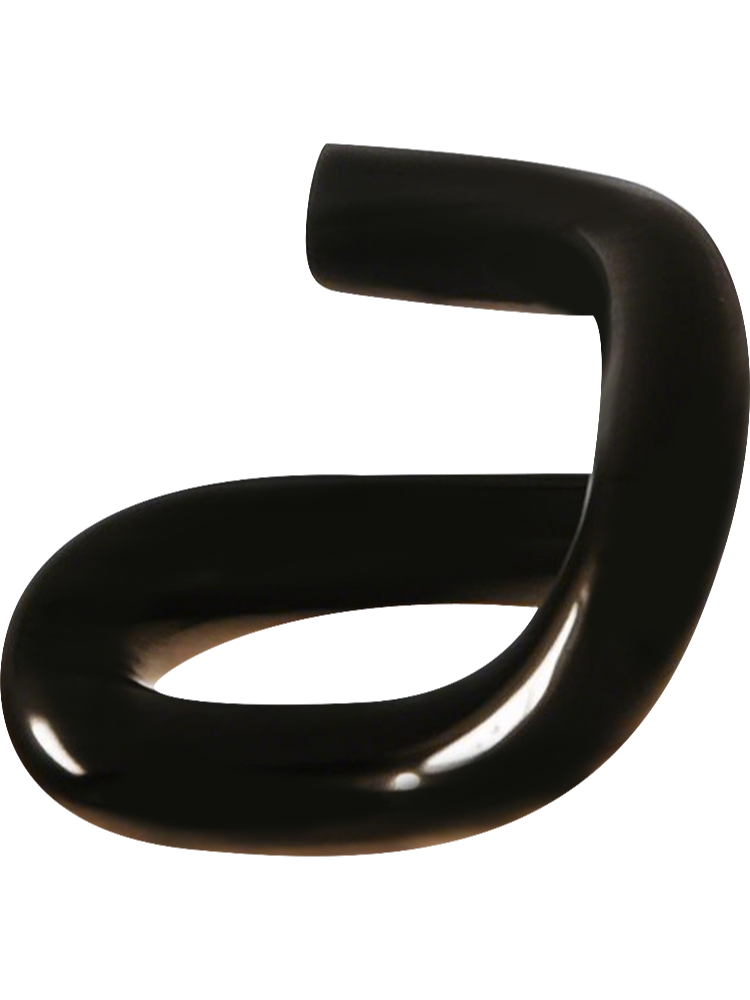
Modern railway infrastructure relies on precise and efficient installation methods to ensure safety and longevity. The process of securing track clips has evolved dramatically from manual labor to sophisticated automated systems. These technological advancements have transformed how rail networks maintain structural integrity while reducing installation time and human error. Automated systems now handle the complex task of positioning and fastening track clips with remarkable accuracy, ensuring consistent quality across thousands of miles of rail infrastructure.
The integration of robotics and sensor technology has revolutionized railway maintenance and construction workflows. Automated installation systems combine mechanical precision with real-time monitoring to place track clips at optimal positions along rail lines. These systems reduce the physical demands on workers while simultaneously improving the consistency and reliability of track clip placement. Understanding how these automated processes function provides insight into the future of railway infrastructure development and the critical role that track clips play in maintaining safe rail operations.
Core Components of Automated Track Clip Installation Systems
Robotic Positioning and Guidance Mechanisms
Automated track clip installation begins with sophisticated robotic positioning systems that travel along existing rail infrastructure. These mobile platforms integrate laser guidance technology and GPS positioning to maintain precise alignment with rail sections requiring track clips. The robotic arms mounted on these platforms feature multiple degrees of freedom, allowing them to approach track clips from optimal angles regardless of rail curvature or gradient. Advanced sensors continuously measure the distance between the installation head and the rail surface, ensuring that track clips are positioned at exact specifications. The positioning accuracy typically reaches within millimeters, far exceeding the consistency achievable through manual installation methods. These robotic systems can operate continuously for extended periods, installing track clips at rates significantly faster than traditional crews while maintaining uniform quality standards across the entire installation sequence.
Fastening Force Control and Quality Verification
The critical phase of track clip installation involves applying precise fastening force to secure the clips without damaging rail components. Automated systems employ torque-controlled fastening tools that apply predetermined force levels based on track clip specifications and rail type. Real-time force sensors monitor the installation process, detecting anomalies such as insufficient engagement or over-tightening that could compromise track clip performance. The system automatically records fastening data for each track clip, creating a comprehensive installation log that maintenance teams use for quality assurance and future reference. This data-driven approach to track clip installation ensures that every fastener meets engineering standards and provides the necessary clamping force to maintain rail gauge and prevent lateral movement. Advanced systems can adjust fastening parameters dynamically based on environmental conditions such as temperature and humidity, which affect the mechanical properties of track clips and rail materials.
Operational Workflow of Automated Installation Processes
Pre-Installation Scanning and Path Planning
Before automated systems begin installing track clips, they conduct comprehensive scanning operations to map the rail section and identify precise installation locations. High-resolution cameras and LIDAR sensors create detailed three-dimensional models of the rail infrastructure, detecting existing track clips, sleeper positions, and any obstacles that might interfere with the installation process. The system's control software analyzes this spatial data to generate optimized installation sequences that maximize efficiency while ensuring proper spacing between track clips. This planning phase accounts for rail joint locations, switches, and other infrastructure features that require specialized track clip configurations. The automated system compares the scanned rail condition against design specifications, flagging any discrepancies that require human intervention before track clips can be installed. This preliminary assessment phase significantly reduces installation errors and ensures that track clips are placed according to engineering requirements rather than approximations.
Continuous Monitoring and Adaptive Control
During the installation of track clips, automated systems continuously monitor multiple parameters to maintain quality and adapt to varying conditions. Vibration sensors detect irregular resistance during fastening operations, which may indicate damaged threads, foreign material, or misaligned components. The control system uses this feedback to adjust installation speed, applied torque, and positioning to accommodate these variations without human intervention. Temperature sensors monitor both ambient conditions and the temperature of fastening tools, as excessive heat can affect the mechanical properties of track clips and compromise installation quality. The automated system logs all installation parameters for each track clip, including exact location coordinates, timestamp, applied force, and any anomalies detected during the process. This comprehensive data collection enables maintenance teams to predict when installed track clips may require inspection or replacement based on installation conditions and subsequent track usage patterns.
Safety and Efficiency Advantages of Automation
Reduction of Workplace Hazards
Automated installation of track clips dramatically reduces worker exposure to dangerous railway environments. Manual installation traditionally required workers to operate in active rail corridors, facing risks from passing trains, heavy equipment, and repetitive strain injuries from handling track clips and fastening tools. Automated systems eliminate the need for personnel to work directly on the track during installation, allowing operators to control the process from protected locations away from moving rail traffic. The robotic platforms incorporate safety interlocks that immediately halt operations if unauthorized personnel enter the work zone or if approaching trains are detected. This safety-first design philosophy has reduced workplace accidents associated with track clip installation by substantial margins in railway systems that have adopted automation technology. Workers now focus on system supervision, quality verification, and exception handling rather than performing physically demanding and hazardous manual installation of track clips.
Consistency and Long-Term Performance
The uniform installation quality achieved by automated systems directly impacts the long-term performance of track clips and overall rail infrastructure reliability. Human installers naturally vary in their technique, fatigue levels, and interpretation of installation specifications, leading to inconsistencies in how track clips are positioned and fastened. Automated systems apply identical procedures to every track clip, ensuring that clamping forces, positioning accuracy, and installation speed remain constant throughout extended installation campaigns. This consistency translates to more predictable track clip performance and easier maintenance planning, as railway operators can rely on uniform installation quality rather than accounting for human variability. The detailed installation records generated by automated systems enable predictive maintenance strategies, where track clips are inspected or replaced based on actual installation parameters and usage history rather than generic time-based schedules. Railway operators report extended service life for track clips installed by automated systems compared to manually installed components, attributed to the precision and consistency of robotic installation processes.
FAQ
What types of track clips can automated systems install?
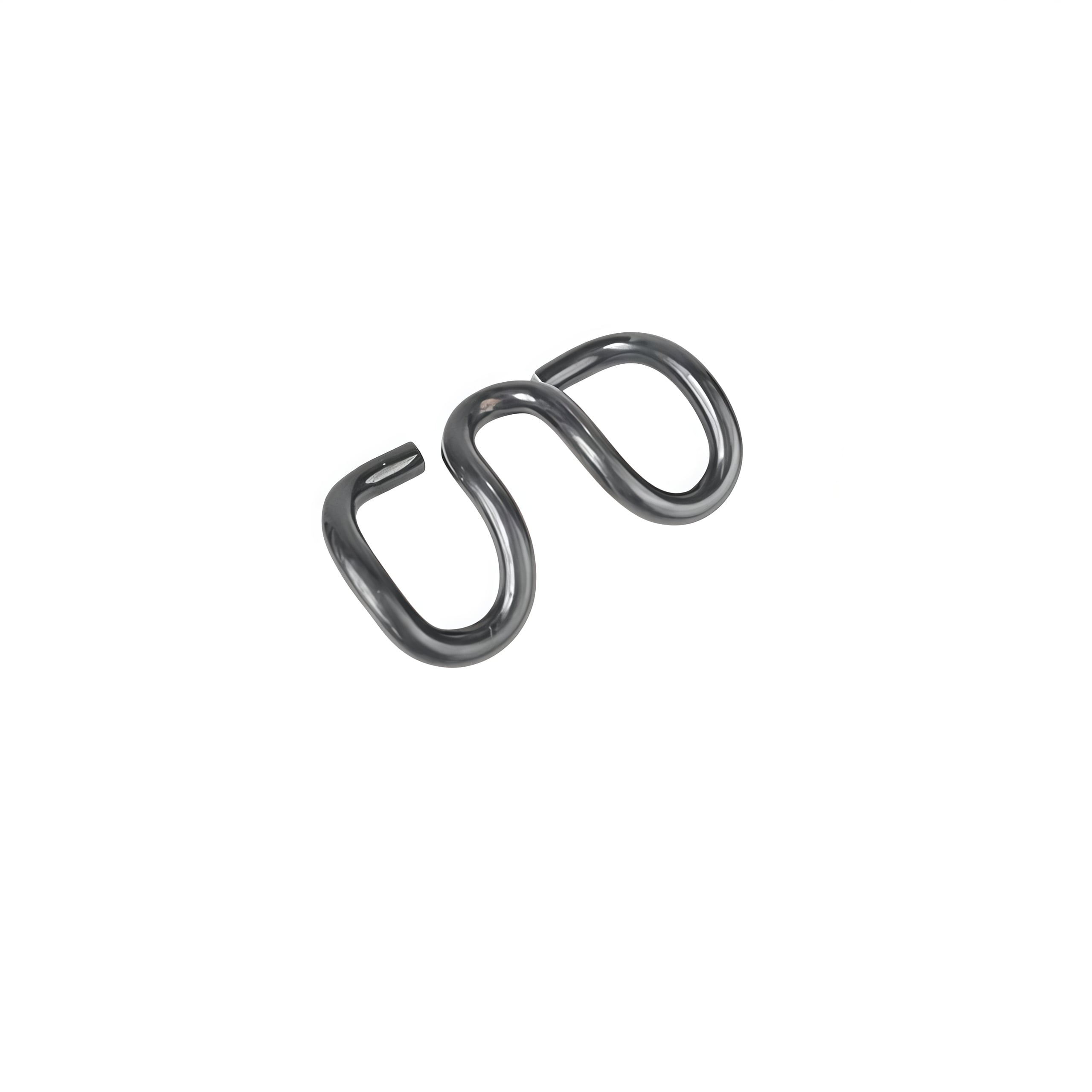
Automated installation systems are designed to handle various track clips including elastic clips, e-clips, tension clamps, and pandrol fasteners. The systems feature interchangeable installation heads and adjustable gripping mechanisms that accommodate different track clip geometries and fastening methods. Most modern automated platforms can switch between track clip types with minimal downtime, making them suitable for mixed infrastructure projects where different rail sections require specific fastening solutions. The control software stores installation parameters for multiple track clip varieties, ensuring that each type receives appropriate handling and fastening force regardless of design differences.
How do automated systems handle curved or irregular track sections?
Advanced automated installation platforms incorporate articulated robotic arms and adaptive positioning algorithms that compensate for rail curvature and gradient variations. The systems use continuous sensor feedback to maintain proper alignment between installation tools and track clips even as the rail geometry changes. For sharp curves or complex track configurations, the automated system may reduce installation speed while maintaining precision, ensuring that track clips are positioned correctly despite challenging conditions. Some platforms feature multi-axis positioning systems that can approach track clips from various angles, providing flexibility when working around switches, crossings, and other infrastructure elements that complicate standard installation procedures.
What maintenance do automated track clip installation systems require?
Automated installation systems require regular maintenance focused on mechanical components, sensors, and software updates to ensure reliable operation. Fastening tools undergo periodic calibration to verify torque accuracy, while robotic joints and guidance systems receive lubrication and alignment checks according to manufacturer specifications. Sensor arrays require cleaning and functional testing to maintain accurate detection of track clips and rail conditions. The control software receives updates that improve installation algorithms, add support for new track clip types, and enhance safety features based on operational experience. Railway operators typically schedule preventive maintenance during non-installation periods, minimizing disruption to track clip installation campaigns while ensuring that automated systems remain in optimal operating condition for extended service life.