
 EN
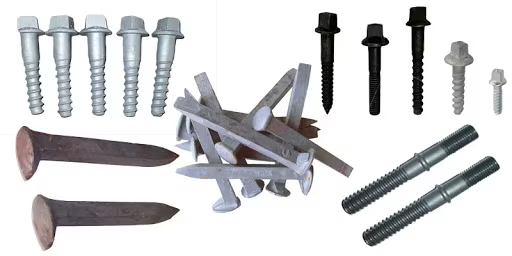
A rail spike is one of the most fundamental components in railway infrastructure, serving as the critical fastener that holds rails securely to wooden or concrete sleepers. Understanding the different types of rail spikes used in railways is essential for railway engineers, maintenance professionals, and infrastructure planners who need to select the appropriate fastening solution for their specific track conditions and operational requirements. The performance and longevity of a railway line depend significantly on choosing the right rail spike for the job, as each type offers distinct advantages in different environments and applications.
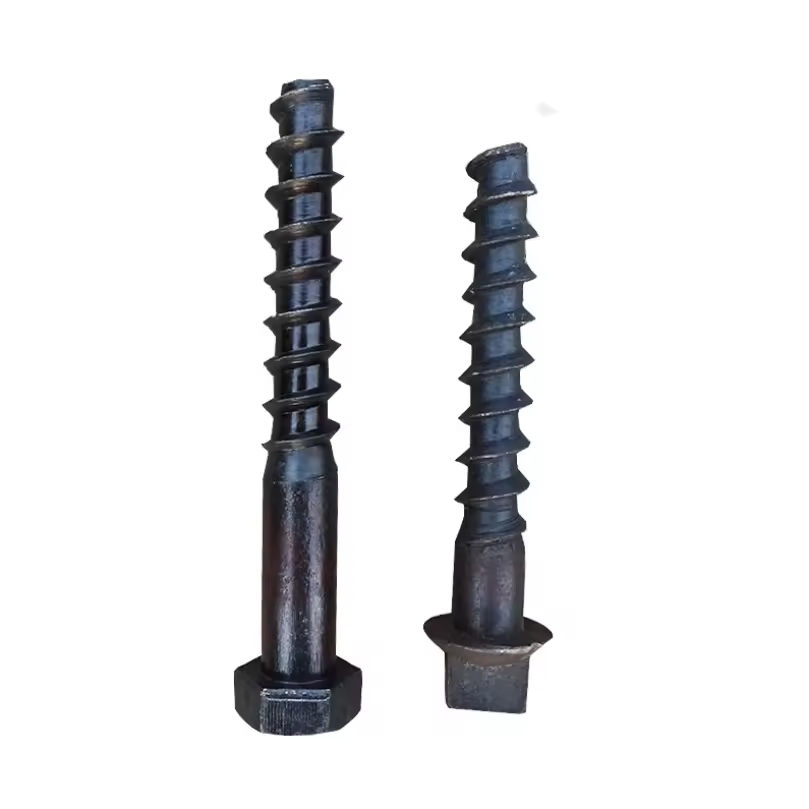
Railway operators across the globe rely on various rail spike designs to maintain track alignment, prevent rail movement, and absorb the dynamic stresses generated by trains. The selection of a particular rail spike type depends on factors such as track gauge, rail weight, train speed, environmental conditions, and the underlying sleeper material. By examining the common types of rail spikes used in railways, professionals can make informed decisions that enhance safety, reduce maintenance costs, and extend the service life of railroad infrastructure.
Standard Nail-Type Rail Spikes
Design and Basic Function
The standard nail-type rail spike represents the most traditional and widely recognized rail spike design in railway history. This rail spike features a flat, chisel-shaped head, a long shank with a slight taper, and a pointed end designed to penetrate wooden sleepers. The nail-type rail spike operates on a simple principle: it is driven vertically through a hole in the rail base and into the sleeper, where friction and mechanical grip secure the rail in place. This rail spike remains popular on many heritage lines and in regions where wooden sleepers are still prevalent because of its proven reliability and straightforward installation method.
Advantages in Traditional Railway Systems
Standard nail-type rail spikes offer several practical advantages that have kept them in use for over a century. The rail spike requires minimal equipment for installation, can be driven using basic hammering techniques, and allows for quick emergency repairs in remote locations. When properly installed, a nail-type rail spike provides excellent holding power in wooden sleepers because the wood fibers grip the shank tightly. For low-speed heritage railways and branch lines where train speeds remain modest, this rail spike type delivers reliable service at a lower material cost compared to advanced fastening systems.
Cut Spike and Modified Rail Spike Designs
Cut Spike Characteristics
Cut spikes represent an evolution of the traditional rail spike, manufactured through a cutting process rather than forging, which produces a distinctive four-sided pyramid shape. This rail spike design offers improved grip characteristics because the four flat faces dig into the sleeper material more effectively than the rounded shank of a nail-type rail spike. The cut-spike rail spike has become increasingly common in North American railways and other regions where wooden sleeper maintenance remains routine. Engineers appreciate this rail spike variant because it provides superior holding power while maintaining the ease of installation associated with traditional spiking methods.
Performance in Heavy-Haul Operations
Heavy-haul railways operating in demanding conditions benefit from the enhanced grip characteristics of cut-spike rail spike designs. When locomotives pull heavy freight loads at considerable speeds, the dynamic forces transmitted to the rail create significant lateral and vertical stresses that challenge fastening systems. A well-designed cut-spike rail spike resists these forces more effectively than smooth-shank varieties because the multiple contact faces distribute pressure across a larger surface area of the sleeper. Railways operating in regions with heavy ore traffic, coal transport, or intermodal freight operations frequently specify cut-spike rail spike specifications to minimize rail movement and reduce maintenance interventions.
Spring and Elastic Rail Spike Systems
Spring Clip Rail Spike Integration
Modern railways increasingly employ spring clip systems combined with traditional rail spike designs to enhance holding power and reduce rail creep. A rail spike used in conjunction with a spring clip fastening system provides both vertical and lateral restraint, preventing the rail from shifting position under train loads. These spring-augmented rail spike assemblies work by using elastic tension to maintain contact between the rail and the sleeper while allowing for minor adjustments as track geometry settles. This rail spike approach has become standard on high-speed lines and urban transit systems where precise track geometry and minimal maintenance are critical operational requirements.
Resilience in Concrete Sleeper Applications
When railways transition from wooden to concrete sleepers, the rail spike fastening strategy must change fundamentally because concrete does not grip metal the way wood does. Modern rail spike systems designed for concrete sleepers incorporate spring mechanisms and secondary retention features to prevent rotation and axial movement. The rail spike in these systems typically features a dog-shaped lug or additional mechanical lock that engages with the concrete sleeper structure. Engineers specify this rail spike variant for mainline railways, freight corridors, and metropolitan rapid transit networks because concrete sleepers offer superior durability and dimensional stability compared to wood, justifying the investment in more sophisticated fastening technology.
Specialized Rail Spike Applications
High-Speed and Heavy-Load Rail Spike Specifications
High-speed railways and routes carrying exceptional tonnage require rail spike systems engineered to withstand extreme dynamic forces and cyclic stressing. These specialized rail spike designs often incorporate advanced materials, improved geometry, and enhanced locking mechanisms that traditional rail spike types cannot match. The rail spike used in high-speed applications must maintain its grip through millions of load cycles while resisting the thermal expansion and contraction that occurs at elevated train speeds. Railway operators investing in high-speed rail infrastructure select rail spike solutions that have undergone rigorous fatigue testing and proven performance validation under their specific operational parameters.
Environmental Adaptation and Regional Rail Spike Standards
Different railway regions have developed specific rail spike standards tailored to their climate, geography, and operational traditions. Tropical railways may specify rail spike designs with enhanced corrosion resistance because moisture and salt-laden air accelerate deterioration of unprotected steel. Northern railways operating in freeze-thaw cycles require rail spike solutions that tolerate the expansion and contraction cycles created by temperature swings. The rail spike selection process therefore incorporates regional expertise, historical performance data, and environmental adaptation principles. A rail spike choice suitable for Australian outback operations may differ significantly from rail spike specifications appropriate for Alpine or tropical environments, demonstrating how local conditions drive technical standardization.
FAQ
What is the primary function of a rail spike?
A rail spike secures the rail to wooden or concrete sleepers, preventing lateral, vertical, and rotational movement of the track under train loads. The rail spike must maintain consistent contact between the rail base and the sleeper throughout the year despite temperature variations, train vibrations, and settling of the track foundation. When properly installed, a rail spike system keeps the rail in precise geometric alignment, ensuring safe train operation and comfortable passenger travel.
How do rail spike materials affect railway performance and durability?
The material composition of a rail spike directly influences its ability to resist fatigue failure, corrosion, and plastic deformation under cyclic loading. High-carbon steel rail spikes offer excellent strength and impact resistance, making them suitable for heavy-freight and high-speed applications. A rail spike material must be selected to match the environmental conditions, expected train tonnage, and desired service life of the railway line to minimize premature failures and maintenance costs.
Can different types of rail spikes be mixed on the same track section?
Mixing different rail spike types on a single track section is generally not recommended because inconsistent fastening characteristics can create alignment problems and stress concentrations. Railway standards typically require uniform rail spike specifications along continuous track sections to ensure predictable performance and simplify maintenance protocols. However, temporary transitions between rail spike types may occur during major rehabilitation projects where different sections of track are updated at different times using current engineering standards.