
 EN
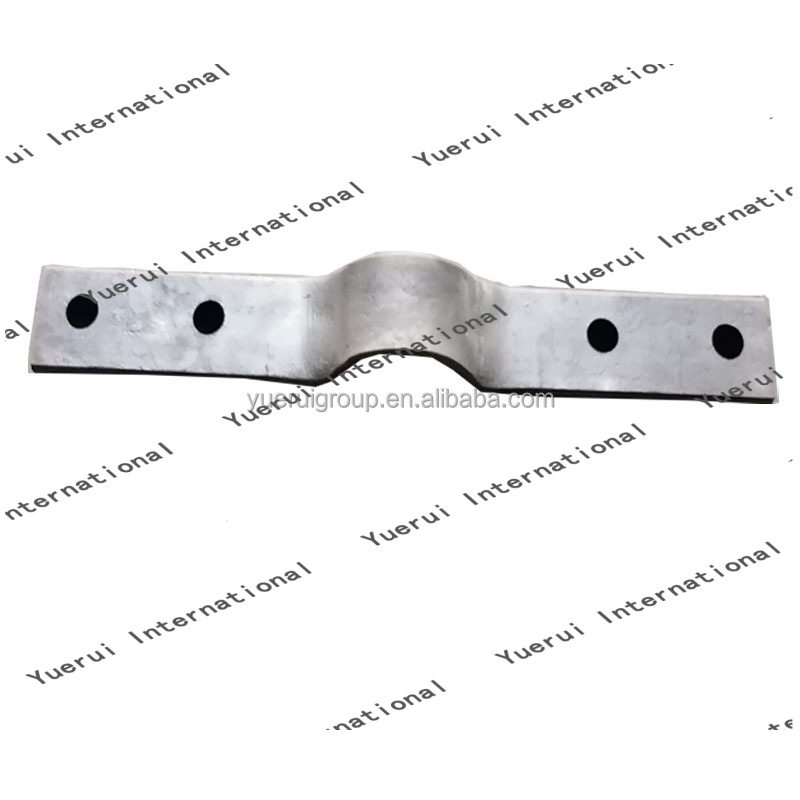
Rail fishplates are critical components that join rail sections together, and their condition directly affects railway safety and operational reliability. During regular maintenance cycles, inspecting rail fishplates is essential to identify potential failures before they compromise track integrity. Understanding how to properly inspect rail fishplates ensures that your railway infrastructure remains safe, cost-effective, and operationally efficient. This guide walks you through the systematic approach to inspecting rail fishplates, the signs of damage to watch for, and the best practices that maintain compliance with industry standards.
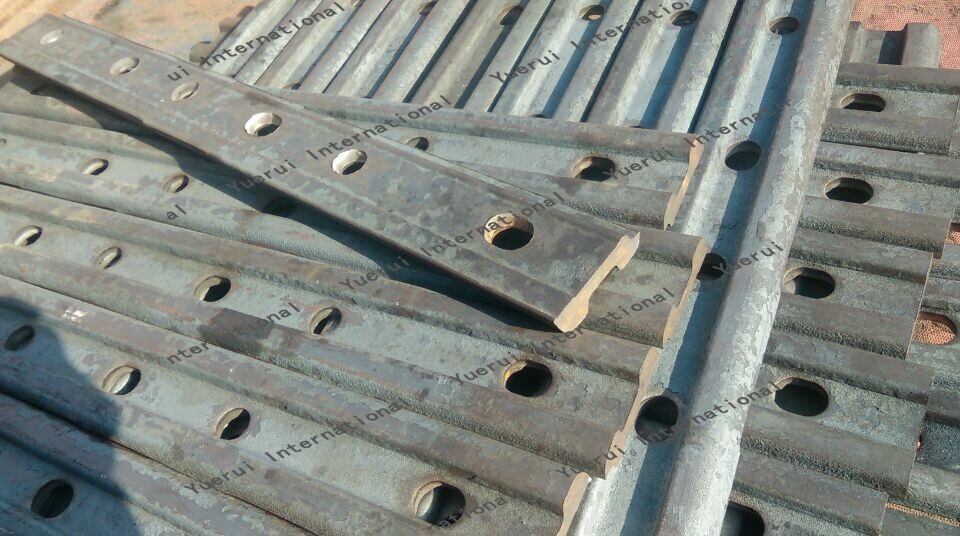
Effective rail fishplate inspection requires a structured methodology that combines visual assessment, dimensional measurement, and material integrity checks. Rail fishplates serve as the mechanical connection between two rail sections, transferring loads and maintaining alignment under dynamic train traffic. When rail fishplates deteriorate, the entire rail joint fails, leading to track misalignment, increased wear on wheel assemblies, and potential derailment risks. By adopting a proactive inspection program for rail fishplates, maintenance teams can predict failures, extend component lifespan, and reduce unplanned shutdowns.
Understanding Rail Fishplate Inspection Fundamentals
What Are Rail Fishplates and Their Role in Track Integrity
Rail fishplates are steel plates that connect two railway rail sections by bolting them together, forming a continuous running surface. These rail fishplates are typically installed on both sides of the rail web to provide structural continuity and load distribution across the joint. The primary function of rail fishplates is to maintain rail alignment, transfer bending and shear forces, and accommodate thermal expansion without creating dangerous gaps. Understanding this role is fundamental to effective inspection, as it clarifies which failure modes pose the greatest safety risks.
Rail fishplates endure constant mechanical stress from train wheels passing overhead, vibration from dynamic loads, and thermal stress from temperature fluctuations. Over time, bolt holes in rail fishplates enlarge due to fretting corrosion and cyclical loading, bolts loosen, and the steel plate itself may crack or deform. Inspecting rail fishplates on schedule prevents these issues from escalating into catastrophic failures that require emergency track closure.
Why Regular Inspection of Rail Fishplates Matters
Regular inspection of rail fishplates is a cornerstone of predictive maintenance strategy. By detecting wear, cracking, bolt looseness, and corrosion early, maintenance teams can schedule replacement during planned outages rather than responding to emergency failures. Rail fishplates that are neglected can fail suddenly, derailing trains or creating expensive track damage that extends beyond just replacing the rail fishplates themselves.
The inspection frequency for rail fishplates depends on track class, train speed, tonnage, and environmental conditions. High-speed passenger lines typically require more frequent rail fishplate inspection than low-speed freight spurs, reflecting the higher stresses and safety-critical nature of the service. Industry standards and regulatory bodies specify minimum inspection intervals, ensuring that your maintenance program meets compliance requirements.
Key Steps in Inspecting Rail Fishplates
Visual Assessment and Surface Condition Evaluation
Begin your inspection of rail fishplates by visually examining both sides of each rail fishplate assembly for obvious signs of damage. Look for rust staining, which indicates corrosion progression that weakens the steel and may lead to cracking in rail fishplates. Check for visible cracks, particularly starting from bolt holes or at the edges, as these are stress concentration points where rail fishplates commonly fail.
Surface condition assessment includes identifying areas where protective coatings have worn away, exposing bare steel that accelerates corrosion. Mud, oil, and debris accumulation on rail fishplates should be cleaned away to enable accurate visual inspection and to prevent moisture from being trapped against the steel surface. Any bending, warping, or deformation of the rail fishplate profile indicates severe stress or impact damage that requires immediate attention.
Bolt Tightness and Fastener Integrity Testing
Bolt tightness is critical to rail fishplate performance. Use a calibrated torque wrench to test the tightness of bolts in rail fishplates at each joint. Loose bolts in rail fishplates allow micro-movement between the rail sections, accelerating wear and promoting cracking both in the rail fishplates and the rail ends themselves. Document the torque readings for each bolt hole in every rail fishplate, comparing them against manufacturer specifications and historical baseline data.
Fastener inspection also includes examining bolt holes in rail fishplates for signs of enlargement, which occurs when repeated loading causes fretting wear between the bolt shank and hole wall. Enlarged holes in rail fishplates reduce clamping force, making it difficult for bolts to maintain proper tension. If multiple bolt holes in a set of rail fishplates show excessive enlargement, those rail fishplates should be replaced rather than continuously re-tensioned.
Dimensional and Alignment Measurements
Precise measurement of rail fishplate dimensions ensures that no thickness loss has occurred due to corrosion or wear. Use ultrasonic thickness gauges to measure rail fishplate material thickness at multiple locations, comparing results against the original design thickness. A reduction of more than 10–15% in original thickness suggests advanced corrosion and warrants replacement of those rail fishplates.
Rail alignment at the joint is measured using dedicated tools or laser alignment systems to verify that the two rail sections are properly aligned vertically and horizontally. Misalignment at the rail fishplate joint creates dynamic loading that stresses the rail fishplates unevenly and accelerates failure. If alignment correction is needed, loosening bolts, adjusting the rail fishplates, and re-tensioning them to specification restores proper geometry and extends the service life of the rail fishplates.
Documentation and Decision-Making After Rail Fishplate Inspection
Recording Inspection Data and Trending Results
Document every rail fishplate inspection finding in a standardized format that includes location, date, bolt torque readings, visual observations, thickness measurements, and photographs. Over time, trending this data reveals whether specific rail fishplates are degrading gradually or whether deterioration is rapid and unexpected. Rail fishplates showing consistent torque loss between inspections should be flagged for possible replacement, even if they do not yet meet hard replacement criteria.
Digital asset management systems allow maintenance teams to store rail fishplate inspection records in a centralized database, making it easy to pull up historical data for any rail fishplate location. This historical context helps distinguish between normal aging of rail fishplates and signs of accelerated failure that require urgent action. Sharing inspection trends with track supervisors and engineers enables proactive planning of rail fishplate replacement programs.
Determining When Rail Fishplates Require Replacement
Replacement of rail fishplates is recommended when cracks are visible, when bolt holes enlarge beyond acceptable limits, when thickness loss exceeds 15%, or when bolts cannot be kept tight despite repeated tensioning. Do not attempt to repair cracked rail fishplates through welding alone, as the material stress concentrations will cause new cracks to form in the rail fishplates quickly. Complete replacement is the most reliable solution for maintaining rail fishplate integrity.
Coordinate rail fishplate replacement with other maintenance activities to maximize efficiency and minimize service disruptions. Rail fishplates should always be replaced as matched pairs, ensuring that both sides of the rail joint benefit from renewed clamping force and material integrity. After installation of new rail fishplates, re-inspect the assembly within a short period to ensure all bolts remain tight and the rail alignment is stable.
FAQ
How often should rail fishplates be inspected during maintenance cycles?
Inspection frequency for rail fishplates depends on track class, train tonnage, and speed. High-speed passenger lines typically inspect rail fishplates quarterly or semi-annually, while mainline freight tracks may inspect rail fishplates annually. Local regulatory bodies and railway operators specify minimum inspection intervals based on risk assessment. Newly installed rail fishplates should be inspected within the first month to verify bolt retention and alignment stability.
What are the most common failure modes observed in rail fishplates?
The most common failure modes in rail fishplates include bolt hole enlargement due to fretting wear, cracking at stress concentration points near bolt holes, surface corrosion that penetrates into the material, and plastic deformation of the fishplate body. Bolt looseness is both a symptom and a cause of accelerated wear in rail fishplates. Thermal cycling combined with heavy train loading amplifies cracking in rail fishplates, particularly in regions with large temperature swings.
Can loose bolts in rail fishplates be retightened, or must the rail fishplates be replaced?
Occasionally loose bolts in rail fishplates can be retightened to specification using a calibrated torque wrench. However, if bolts in rail fishplates require retightening more than once per maintenance cycle, the bolt holes are likely enlarged and the rail fishplates should be replaced. Replacement eliminates the root cause of looseness and restores full clamping force, whereas repeated retightening of rail fishplates only extends a temporary fix and risks sudden failure during service.