
 EN
EN
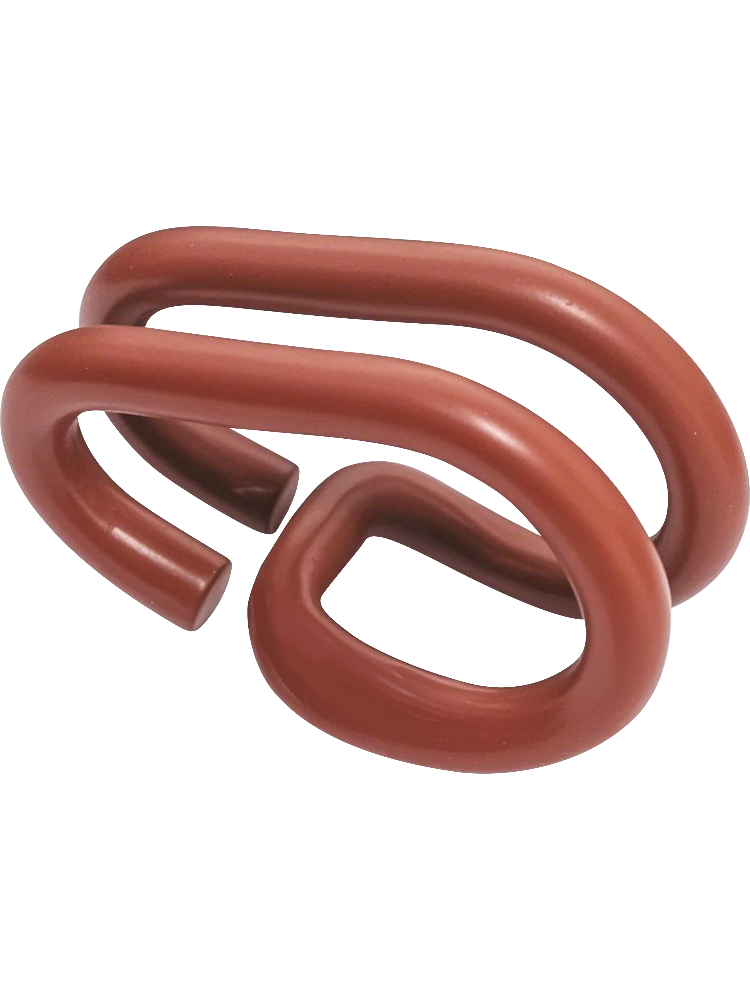
في إنشاء وصيانة الطرق الحديدية، يلعب كل مكوّن في نظام التثبيت دورًا حيويًّا في الحفاظ على هندسة المسار وسلامة التشغيل. ومن بين هذه المكونات، مشابك السكك الحديدية تُعَدُّ مشابك المسارات واحدة من أكثر العناصر نشاطًا ميكانيكيًّا، وهي مسؤولة عن تثبيت السكك الحديدية بإحكام على الوسادة أو اللوح القاعدي مع السماح بحركة مرنة خاضعة للتحكم. وعند إدخال مشابك مسارات غير متوافقة مع مواصفات النظام في مشروع ما، فإن العواقب قد تمتد بعيدًا جدًّا عن مجرد عدم التطابق الميكانيكي البسيط. ولذلك فإن فهم هذه المخاطر أمرٌ بالغ الأهمية للمهندسين وفرق المشتريات ومدراء المشاريع العاملين في بنى تحتية الطرق الحديدية.
لا تظهر عيوب مشابك المسارات غير المتوافقة دائمًا بشكل مرئي. ففي بعض الحالات، تبدو هذه المشابك سليمة من الناحية البنائية على السطح، لكنها تفشل في توفير قوة التثبيت أو حمل الأطراف أو الاستجابة المرنة المطلوبة وفق تصميم نظام التثبيت. وهذا يُحدث مخاطر خفية قد لا تظهر إلا تحت تأثير الأحمال أو الاهتزازات أو التغيرات الحرارية — وهي بالضبط الظروف التي يكون فيها هيكل السكك الحديدية أكثر عُرضةً للتلف. ويستعرض هذا المقال الفئات الرئيسية للمخاطر الناجمة عن تحديد أو تركيب مشابك مسارات غير صحيحة في مشاريع السكك الحديدية.
مخاطر الفشل البنائي والميكانيكي
حمل الأطراف وقوة التثبيت غير الصحيحين
يتم تصميم كل نظام تثبيت حول نطاق محدَّد من حمل الأصابع الذي يجب أن تطبِّقه مشابك السكك على قاعدة السكة. وتُحقِّق هذه القوة التثبيتية وضع السكة في الموضع الرأسي والجانبي الصحيح تحت تأثير الأحمال الديناميكية للقطار. وعند استخدام مشابك سكك غير متوافقة، قد يصبح حمل الأصابع أعلى أو أقل بكثيرٍ من المتطلَّب التصميمي. وتسمح مشابك السكك التي لا توفر حمل أصابع كافياً بانزياح السكة جانبياً تحت مرور العجلات المتكرر، ما يؤدي تدريجياً إلى توسيع المسافة بين السكتين (العيار) وإحداث عدم استقرار خطير. وعلى العكس من ذلك، فإن مشابك السكك التي تطبِّق قوة مفرطة قد تؤدي إلى إجهاد زائد في قاعدة السكة ولوحة القاعدة وحتى سطح الدعم (السليبر)، ما يتسبَّب مع مرور الوقت في تشقُّقات ناتجة عن الإرهاق.
إرهاق النابض والانكسار الهش
تُعَدُّ مشابك المسار عناصر زنبركية، ويعتمد أداؤها على مطابقة درجة المادة ومعالجتها الحرارية وهندستها بدقة مع البيئة التشغيلية. وتؤدي مشابك المسار غير المتوافقة المصنوعة من درجات فولاذ خاطئة أو التي تمت معالجتها حراريًّا بشكل غير مناسب إلى فقدان المرونة الاسترجاعية بعد دورات تحميل متكرِّرة. ويصبح الانكسار الهشُّ مصدر قلقٍ جادٍّ في المناخات الباردة أو في البيئات الخاضعة لأحمال ديناميكية عالية، حيث لا تكون مادة المشبك مُصنَّفة لتحمل تلك الظروف. وعند انكسار مشبك المسار، فإنه لا يوفِّر أي مقاومة على الإطلاق، وإذا لم يُكتشَف هذا الفشل أثناء الفحص، فقد تكون العواقب وخيمةً على سلامة القطار.
تدهور هندسة المسار مع مرور الزمن
اتساع المسافة بين السكك وحركة السكة جانبيًّا
تعد زيادة اتساع المسافة بين القضبان من أكثر الآثار طويلة المدى شيوعًا لاستخدام مشابك القضبان غير المتوافقة. فالمشابك التي لا توفر قيودًا جانبية مصممة تسمح بتدرج القضبان خارجيًّا تحت الأحمال المتكررة. حتى الانحرافات الصغيرة في المسافة بين القضبان قد تؤثر على ديناميكيات تفاعل العجلة-القضبان، مما يزيد خطر الانحراف عن القضبان في المنحنيات والتقاطعات. غالبًا ما تجد مشاريع السكك الحديدية التي تستخدم مشابك غير متوافقة نفسها مضطرة لجدولة صيانة إصلاحية قبل الموعد المخطط بكثير، مع تكاليف إضافية غير مدرجة في الميزانية. المشكلة تراكمية — فالانحرافات الصغيرة المبكرة تسرع الحركة الإضافية كلما فقدت المشبك قبضته المصممة.
الانزلاق الطولي للقضبان والجهد الحراري
كما تقاوم مشابك القضبان الحركة الطولية للسكة الناتجة عن التمدد والانكماش الحراري، وكذلك قوى الجر والكبح الناتجة عن القطارات. وتسمح المشابك غير المتوافقة مع السكة والتي تفتقر إلى التثبيت الطولي الكافي بحدوث انزياح في موضع السكة (Rail Creep)، ما يؤدي إلى تمدّد محاذاة المفاصل العازلة، ويُضعف سلامة دائرة الإشارات، ويُحدث توزيعًا غير منتظم للإجهادات على طول خط التثبيت. وفي تركيبات السكك الملحومة المستمرة (CWR)، يساهم عدم التحكم في الحركة الطولية في زيادة خطر انحناء السكة خلال فترات ارتفاع درجات الحرارة. ويشكّل اختيار مشابك القضبان غير المصممة لتطبيقات السكك الملحومة المستمرة (CWR) خطأً جسيمًا قد يؤدي إلى انحناء كارثي في السكة تحت تأثير حرارة الصيف.
مخاطر التوافق النظامي والصيانة
عدم التوافق مع القواعد الداعمة والعوازل
لا تعمل مشابك المسار بشكل منعزل. بل تتفاعل مباشرة مع اللوح القاعدي، والعازل السفلي للسكة، والكتف المُثبَّت أو اللوح المُحرَّك حسب نوع نظام التثبيت. وقد لا تثبت مشابك المسار غير المتوافقة بشكل صحيح مقابل هذه المكونات المتداخلة، ما يؤدي إلى تركيز الإجهادات عند نقاط التماس، وتسريع اهتراء العوازل، أو السماح بحدوث توصيل كهربائي عبر المناطق المعزولة. وفي دوائر المسار الحساسة للإشارات، قد يؤدي أي تسرب كهربائي ناتج عن عوازل تالفة بسبب استخدام مشابك غير متوافقة مشابك السكك الحديدية إلى إصدار إشارات «خالية» زائفة، وهي حالة فشل حرجة من حيث السلامة. وبسبب الطبيعة النظامية لهذه المخاطر، فإن وجود مكوّن واحد غير متوافق قد يؤدي إلى تدهور الأداء الكامل لنظام التثبيت.
صعوبة الفحص وثغرات الصيانة
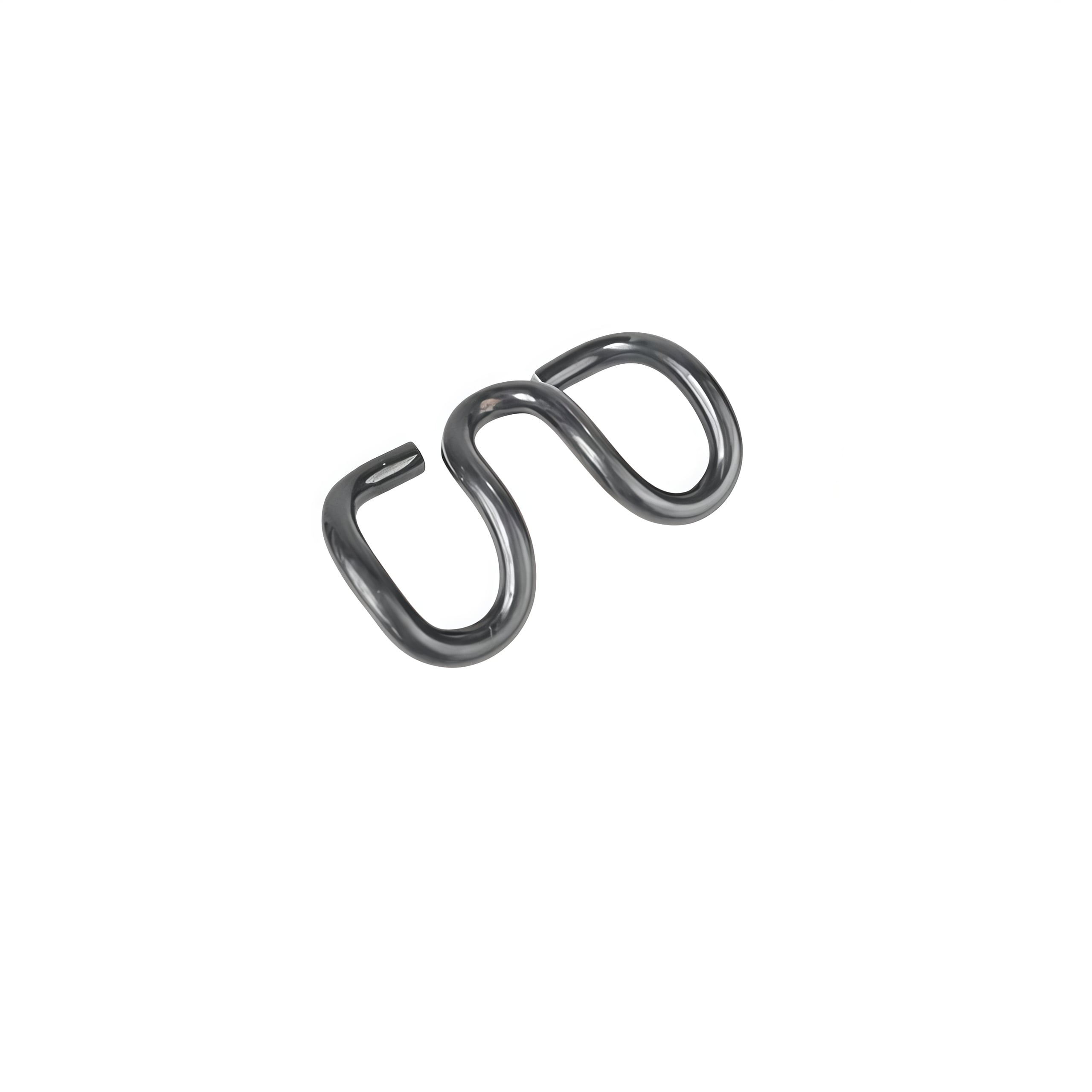
غالبًا ما يجد فرق الصيانة، التي تلقت التدريب وتم تزويدها بالمعدات اللازمة لأنظمة التثبيت القياسية، أن مشابك المسار غير المتوافقة تُعقِّد عمليات التفتيش والتبديل الروتينية. وقد تتطلب مشابك المسار غير القياسية أدوات تركيب مختلفة، أو إعدادات عزم دوران مختلفة للأنواع التي تُثبت بالقوة، أو معايير تفتيش معدلة. وعندما لا يكون موظفو الصيانة على علمٍ بهذا الاستبدال، فقد يتم قراءة مؤشرات التآكل الحرجة بشكل خاطئ أو حتى تفويتها تمامًا. كما أن مشابك المسار التي تشبه في شكلها العام المواصفة الصحيحة لكنها تختلف عنها أبعاديًّا قد تجتاز الفحص البصري رغم أنها لا تؤدي المهمة المطلوبة بأداءٍ سليم. وهذا يؤدي إلى ثغرة منهجية في الصيانة يصعب اكتشافها حتى بعد تفاقم التلف.
الأسئلة الشائعة
كيف يمكنني التأكد من توافق مشابك المسار مع نظام التثبيت الخاص بي؟
تتطلب عملية التحقق من توافق مشابك المسار مطابقة نوع المشبك ورقم التعريف الخاص به مع الرسم الهندسي لنظام التثبيت والمواصفات الفنية. وتشمل المعايير الرئيسية هندسة ملف تعريف المشبك، ودرجة المادة المستخدمة، ومدى حمل الطرف الأمامي المصمم، وكذلك تكوين القاعدة والكتف المحددين. كما تُعتبر الاختبارات الفيزيائية باستخدام المكونات المرجعية ومراجعة شهادات المواد خطوات تحقق قياسية تُجرى قبل اعتماد الشراء.
هل يمكن استبدال جميع مشابك المسار بشكل متبادل بين معايير السكك الحديدية المختلفة؟
لا، لا يمكن استبدال مشابك المسار بشكل عالمي. فمعايير السكك الحديدية المختلفة — مثل UIC 54 وUIC 60 أو مختلف الملفات الوطنية — تتطلب مشابك مسارات ذات أبعاد وضبط دقيق يتناسبان مع عرض قاعدة السكة وتصميم نظام التثبيت المحدد. وباستخدام مشابك مسارات صُمِّمت لمعيار سكةٍ معين في نظام بُنِيَ وفق معيار سكةٍ مختلف، فإن ذلك يؤدي إلى عدم المحاذاة، وحمل طرفي غير صحيح، وعدم الاستقرار الميكانيكي أثناء التشغيل.
ما الذي يجب أن تتحقق منه فرق المشتريات عند توريد مشابك السكك الحديدية لمشروع ما؟
يجب على فرق المشتريات طلب الوثائق الفنية الكاملة لأي من مشابك السكك الحديدية قيد الاعتبار، بما في ذلك التسمية المخصصة للمشابك، ونوع نظام التثبيت المُطبَّق، ومواصفات المادة، وعملية المعالجة الحرارية، وبيانات اختبار حمل الطرف. ويجب التحقق من أبعاد العينات بشكل دقيق مقابل مواصفات المشروع قبل إصدار أوامر الشراء بالكميات الكبيرة. ويجدر التوصية بشدة بالتعاون الوثيق مع مهندس التصميم للتأكد من التوافق قبل إتمام اتفاقيات التوريد الخاصة بأي من مشابك السكك الحديدية المستخدمة في البنية التحتية الحيوية من حيث السلامة.