
 EN
EN
Железопътната инфраструктура е изложена постоянно на сурови екологични условия, което прави изборът на материали критичен за дългосрочната производителност и безопасност. Релсовите пинове, които са основни компоненти за фиксиране на релсите към шпалите, трябва да издържат не само механични напрежения, но и корозивни фактори, които могат да компрометират тяхната структурна цялост с течение на времето. Разбирането на оптималните материали за корозионностойки релсови пинове е от фундаментално значение за железопътните инженери, екипите за поддръжка и мениджърите на инфраструктурата, които трябва да постигнат баланс между издръжливост, икономичност и експлоатационна надеждност.
Изборът на материали за релсови пирони, устойчиви на корозия, оказва директно влияние върху продължителността на експлоатация на железопътната система, разходите за поддръжка и оперативната безопасност. Съвременните железопътни системи изискват релсови пирони, които да са устойчиви на електрохимична корозия, галванична корозия и околната деградация, като запазват своите механични свойства и при динамични натоварвания. Този комплексен анализ разглежда най-ефективните материали, налични за производството на релсови пирони, устойчиви на корозия, като оценява техните експлоатационни характеристики, приложимост и дългосрочна стойност в проекти за железопътна инфраструктура.
Разбиране на предизвикателствата, свързани с корозията при приложението на релсови пинове
Екологични фактори, влияещи върху корозията на релсовите пинове
Железопътните среди представляват уникални предизвикателства за корозия, които значително влияят върху работата и продължителността на експлоатация на релсовите пинове. Влагата от валежите, влажността и подпочвените води създават идеални условия за електрохимични реакции, които причиняват деградация на метала. Соленият пръск от крайбрежните райони или от операциите по разтопяване на леда през зимата ускорява процесите на корозия, особено засягайки феритните материали, използвани при производството на традиционни релсови пинове.
Флукутациите на температурата създават цикли на термичен стрес, които могат да компрометират защитните покрития и да ускорят началото на корозията в точките с концентрация на напрежение. Химичното въздействие от индустриални замърсители, кисели дъждове и вариации в почвения състав допълнително усложнява корозионната среда. Разбирането на тези екологични фактори е от съществено значение за избора на подходящи материали за корозионноустойчиви релсови пинове, които ще функционират надеждно през целия им предвиден експлоатационен срок.
Галваничната корозия представлява още една значителна предизвикателство при наличието на нееднакви метали в железопътните системи. Взаимодействието между релсовите пинове, релсите и фиксиращата арматура може да създаде електрохимични клетки, които ускоряват корозията в най-малко благородния материал. Това явление изисква внимателен подбор на материали, за да се минимизират разликите в галваничния потенциал и да се осигури съвместимост на материалите в приложенията за релсови пинове.
Баланс между механичните изисквания и корозионната устойчивост
Релсовите пинове с корозионна устойчивост трябва да отговарят на изискващите механични изисквания, като запазват защитните си свойства срещу околната деградация. Динамичното натоварване от преминаващите влакове създава повтарящи се цикли на напрежение, които могат да предизвикат умора и разрушение, ако материалите не са подходящо подбрани и проектирани. Релсовите пинове трябва да запазват достатъчна здравина на опън, съпротива на срязване и ударна втвърденост, като осигуряват висока корозионна устойчивост.
Изборът на материал включва балансиране на механичната производителност с устойчивостта към корозия, тъй като някои силно корозионноустойчиви материали може да не осигуряват оптимални механични свойства за приложения в железопътния сектор. Предизвикателството се състои в идентифицирането на материали, които предлагат както отлична устойчивост към корозия, така и достатъчна механична якост, за да издържат експлоатационните натоварвания без преждевременно разрушаване.
Съображенията относно инсталирането и поддръжката също влияят върху избора на материали за корозионноустойчиви релсови пинове. Материалите трябва да са подходящи за условията на монтаж на място и да позволяват инспекция и замяна при необходимост. Балансът между производителност, дълготрайност и практически изисквания за приложение определя решенията за избор на материали в проекти за железопътна инфраструктура.
Неръждаеми стоманени сплави за превъзходна корозионна устойчивост
Свойства и приложения на аустенитни неръждаеми стомани
Аустенитните неръждаеми стомани представляват най-широко използваната категория корозионностойки материали за приложения на релсови пинове, като осигуряват изключителна устойчивост към обща корозия и корозия под напрежение. Тези сплави обикновено съдържат 18–20 % хром и 8–12 % никел и образуват пасивен оксиден слой, който осигурява отлична защита срещу околната корозия. Аустенитната структура остава стабилна в широк температурен диапазон, което прави тези материали подходящи за разнообразни климатични условия, срещани в железопътните приложения.
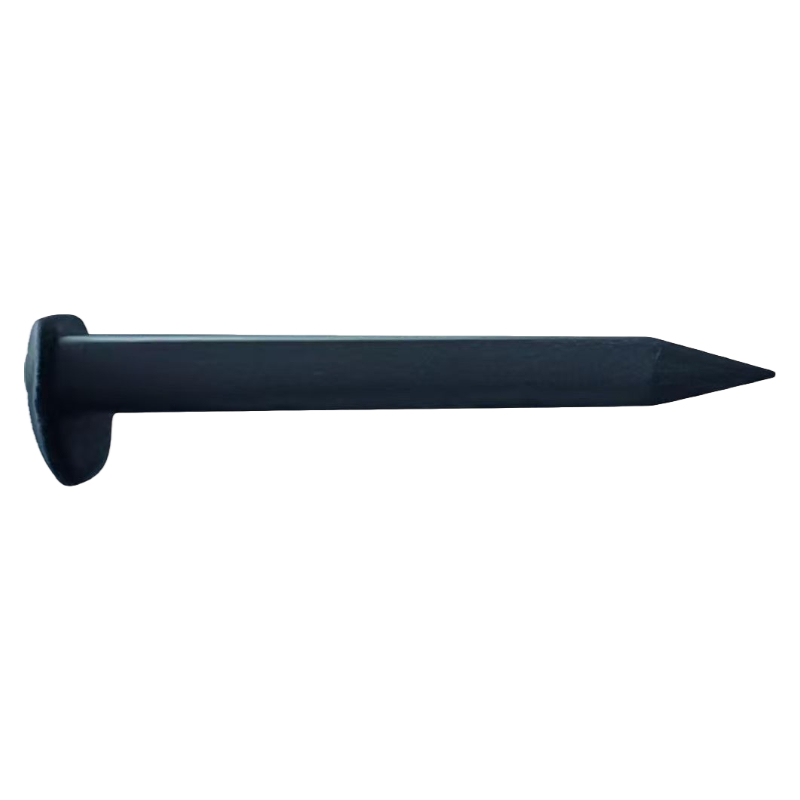
Неръждаемата стомана от клас 316 се отличава като премиален избор за корозионностойки релсови пинове , като включва добавка на молибден, която подобрява устойчивостта към пукане и корозия в процепи, предизвикани от хлориди. Този материал работи изключително добре в морски среди, индустриални зони и райони, където се използват широко разпространени разтопяващи соли. Надвисналата корозионна устойчивост на неръждаемата стомана марка 316 оправдава по-високата ѝ цена в критични приложения, където дългосрочната надеждност е от първостепенно значение.
Неръждаемата стомана марка 304 предлага по-икономичен вариант, като все пак осигурява отлична обща корозионна устойчивост за много железопътни приложения. Тази сплав работи добре при умерени климатични условия и осигурява добри механични свойства за приложения с релсови пинове. Въпреки това тя може да бъде подложена на стрес-корозионно пукане под въздействието на хлориди в силно агресивни среди, което ограничава използването ѝ в крайбрежни или силно насолени райони.
Предимства на дуплексната неръждаема стомана
Дуплексните неръждаеми стомани комбинират предимствата на аустенитната и феритната структура, като осигуряват превъзходна механична якост и отлична корозионна устойчивост за изискващите приложения в железопътния сектор. Тези материали обикновено съдържат 22–25 % хром и 5–7 % никел, като добавките на азот подобряват както якостта, така и корозионната устойчивост. Двуфазната микроструктура осигурява приблизително двойна граница на текучест в сравнение с аустенитните марки, запазвайки висока корозионна устойчивост.
По-високото съотношение якост/тегло на дуплексните неръждаеми стомани позволява по-компактни проекти на релсови пинове, без да се компрометира структурната цялост при динамични натоварвания. Тази характеристика е особено ценна при приложения във високоскоростен железопътен транспорт, където намаляването на теглото и структурната производителност са критични фактори. Дуплексните неръждаеми стомани също проявяват отлична устойчивост към корозия под напрежение и към точкова корозия, предизвикана от хлориди.
Супердуплексните марки, като например UNS S32750, осигуряват още по-висока корозионна устойчивост и механична якост за най-изисканите железопътни среди. Тези премиум материали оправдават по-високата си цена в приложения, където се изисква изключителна корозионна устойчивост и превъзходни механични свойства за дълготрайна надеждност и намалени изисквания за поддръжка.
Напреднали сплавни системи и специализирани материали
Никелови сплави за екстремни среди
Никеловите сплави представляват премиум класа на корозионноустойчивите материали за приложения на релсови пинове в изключително агресивни среди. Сплави като Inconel 625 и Hastelloy C-276 предлага изключителна устойчивост както към обща корозия, така и към локализирани форми на атака, включително точкова корозия, корозия в процепи и корозия от напрегнато състояние. Тези материали запазват своите механични свойства и корозионна устойчивост в широк диапазон от температури, което ги прави подходящи за предизвикателни железопътни приложения.
Високото съдържание на хром, молибден и волфрам в много никелови сплави осигурява превъзходна устойчивост към хлоридни среди и кисели условия. Тези материали се отличават в крайбрежни железопътни системи, промишлени среди с химично въздействие и приложения, при които традиционните неръждаеми стомани може да не осигуряват адекватна дългосрочна производителност. Изключителната корозионна устойчивост оправдава по-високата цена в критични приложения.
При изработката на никелови сплави трябва да се прилагат специализирани методи и процедури за контрол на качеството, за да се запазят техните корозионноустойчиви свойства. Правилната термична обработка и повърхностна финишка са от съществено значение, за да се оптимизират защитните характеристики на тези премиум материали за приложения на корозионноустойчиви релсови пинове.
Титанови сплави и тяхното приложение в железопътния транспорт
Титановите сплави предлагат уникални предимства за корозионноустойчиви релсови пинове в специфични железопътни приложения, където комбинацията от високо съотношение на якост към тегло и изключителна корозионна устойчивост осигурява оптимална производителност. Титан от клас 2 (търговски чист титан) проявява отлична обща корозионна устойчивост и биосъвместимост, като запазва добри механични свойства за конструктивни приложения.
Естественият оксиден слой на титана осигурява превъзходна защита срещу повечето механизми на корозия, с които се сблъскват железопътните системи. Материалът работи изключително добре в среди, съдържащи хлориди, в кисели условия и при високи температури, където други материали могат да се деградират. Ниската плътност на титановите сплави допринася за намаляване на теглото на железопътните системи, без да се компрометира структурната им цялост.
Сплавта Ti-6Al-4V представлява най-често използваната титанова марка за конструктивни приложения, като предлага подобрени механични свойства и в същото време запазва отличната си корозионна устойчивост. Този материал осигурява превъзходна уморостойкост и ударна здравина в сравнение с търговски чистия титан, което го прави подходящ за динамични натоварвания в железнитеци приложения.
Системи за покрития и технологии за повърхностна обработка
Горещо потапяне в цинк за пинове от въглеродна стомана за релсови пътища
Горещото потапяне в цинк е икономически ефективен метод за постигане на корозионна устойчивост за пинове от въглеродна стомана за релсови пътища чрез нанасяне на защитно цинково покритие. Този процес създава металически свързан цинков слой, който осигурява както бариерна, така и катодна защита на основната стоманена подложка. Жертвената природа на цинка гарантира непрекъсната защита дори ако покритието бъде повредено по време на монтаж или експлоатация.
Дебелината на покритията с горещо цинковане обикновено варира от 85 до 100 микрометра и осигурява дълготрайна корозионна защита в повечето железопътни среди. Ефективността на покритието може да бъде подобрена чрез последващи след цинковането обработки, като хромиране или фосфатиране, за да се подобри адхезията на боя и да се удължи експлоатационният живот. Горещото цинковане осигурява отлична покривност на сложни геометрии и вътрешни повърхности, които могат да бъдат трудни за защита чрез други методи за нанасяне на покрития.
Цинкованите корозионноустойчиви релсови пинове предлагат икономически изгодни решения за множество железопътни приложения, като осигуряват добра дългосрочна производителност при умерени екологични условия. Доказаната ефективност на цинковите покрития в железопътната инфраструктура прави този вариант привлекателен за проекти, при които първоначалните разходи се балансират спрямо дългосрочните изисквания за поддръжка.
Полимерни системи за покритие за подобрена защита
Напредналите полимерни системи за покритие осигуряват допълнителна корозионна защита за елементите на веригата чрез множество бариерни слоеве, които изолират основния материал от въздействието на околната среда. Епоксидните покрития осигуряват отлична адхезия и устойчивост към химични вещества, докато полиуретановите горни слоеве осигуряват подобрена устойчивост към атмосферни влияния и ударна устойчивост. Тези многослойни системи могат да се нанасят върху различни основни материали, за да се повиши тяхната корозионна устойчивост.
Технологията за напръскване с прах позволява нанасянето на дебели и равномерни слоеве покритие, които осигуряват по-добра корозионна защита в сравнение с конвенционалните течни покрития. Процесът на фузионно свързване създава непрекъснат бариерен филм без иглени дупки или тънки участъци, които биха могли да компрометират защитата. Праховите покрития също предлагат отлични механични свойства и могат да се формулират с конкретни експлоатационни характеристики за приложения в железопътния сектор.
Флуорополимерните покрития представляват премиалния клас на полимерните системи за защита и предлагат изключителна химическа устойчивост и дълготрайна издръжливост. Тези покрития запазват защитните си свойства в широк диапазон от температури и осигуряват отлична устойчивост на ултравиолетовото (UV) въздействие, което ги прави подходящи за изискващите условия в железните пътища, където критично значение има дългосрочната експлоатационна надеждност.
Критерии за избор на материал и оптимизация на производителността
Икономически съображения и анализ на цялостната стойност през жизнения цикъл
Изборът на оптимални материали за корозионноустойчиви релсови пинове изисква комплексен икономически анализ, който взема предвид първоначалните разходи за материали, разходите за монтаж и дългосрочните изисквания за поддръжка. Въпреки че премиалните сплави, като например супердуплексните неръждаеми стомани или никеловите сплави, имат по-висока първоначална цена, тяхната превъзхождаща корозионна устойчивост и удължен срок на експлоатация често осигуряват по-добра обща икономическа ефективност благодарение на намалените разходи за замяна и поддръжка.
Анализът на разходите през жизнения цикъл трябва да отчита директните разходи, свързани с материалната неизправност, включително заместващи части, трудови ресурси, простои на оборудването и потенциални инциденти, засягащи безопасността. Косвените разходи, причинени от прекъсвания на железопътните услуги и закъснения на пътниците, могат значително да надвишат директните разходи за поддръжка, което прави надеждните корозионноустойчиви релсови шпилки незаменими за оперативната ефективност. Икономическата оптимизация изисква балансиране на първоначалните инвестиции спрямо дългосрочните оперативни ползи.
Регионалните разлики в разходите, наличността на материали и местните производствени възможности влияят върху решенията за избор на материали за железопътни проекти. Стандартизацията в рамките на железопътните мрежи може да осигури икономии от мащаба, като едновременно гарантира последователни експлоатационни характеристики. Икономическият анализ трябва да взема предвид както непосредствените изисквания на проекта, така и дългосрочната съвместимост на системата за бъдещи проекти по разширение или модификация.
Тестване на производителността и осигуряване на качество
Строгите протоколи за изпитване гарантират, че релсовите пинове с устойчивост към корозия отговарят на изискванията за производителност за конкретни приложения в железопътния сектор. Изпитванията за корозия включват излагане на солен спрей, циклични корозионни изпитвания и електрохимично оценяване, за да се имитира дългосрочното въздействие на околната среда. Механичните изпитвания оценяват здравината на опън, устойчивостта на умора и ударната твърдост при условия, които са репрезентативни за експлоатацията в железопътния сектор.
Програмите за изпитвания на място осигуряват ценни данни за действителните характеристики на производителност при реални условия. Тези програми проследяват скоростта на корозия, механичното остаряване и общата надеждност на компонентите в продължителен период, за да се потвърдят решенията относно избора на материали. Данните, събрани от програмите за изпитвания на място, информират бъдещите критерии за избор на материали и допринасят за оптимизирането на релсовите пинове с устойчивост към корозия за конкретни приложения.
Процедурите за контрол на качеството по време на производството гарантират последователни свойства на материала и качество на покритието за релсови пинове, устойчиви на корозия. Методите за неразрушително тестване, включващи магнитопорошков инспекция, изпитване с течност за откриване на пукнатини и ултразвукова оценка, откриват потенциални дефекти, които биха могли да компрометират експлоатационните характеристики. Потвърждаването на химичния състав и изпитването на механичните свойства потвърждават, че материалите отговарят на зададените изисквания за приложения в железопътния транспорт.
Често задавани въпроси
Коя марка неръждаема стомана осигурява най-добра корозионна устойчивост за релсови пинове?
Неръждаемата стомана от клас 316 обикновено осигурява най-доброто съотношение между корозионна устойчивост и икономичност за приложения на релсови пинове. Съдържащият се молибден подобрява устойчивостта към точкова и цепната корозия, предизвикана от хлориди, което я прави особено подходяща за крайбрежни райони и за области, където се използват разтопяващи соли.
Какви са предимствата и недостатъците на системите за покрития спрямо твърди корозионноустойчиви сплави за релсови пинове?
Системите за покритие, като например горещо потапяне в цинк, осигуряват икономично корозионно защита за стоманени релсови пинове и могат да предложат отлична производителност в умерени среди. Въпреки това, твърдите корозионноустойчиви сплави, като неръждаемата стомана, осигуряват по-надеждна дългосрочна защита, тъй като не могат да бъдат повредени по време на инсталиране или експлоатация, както е възможно при покритията. Изборът зависи от строгостта на околната среда, очаквания срок на експлоатация и икономическите съображения, специфични за всяко отделно приложение в железопътния сектор.
Какви фактори трябва да се вземат предвид при избора на материали за корозионноустойчиви релсови пинове в морски среди?
Морските среди изискват материали с изключителна устойчивост към корозия, предизвикана от хлориди, включително точкова и цепната корозия. За тези приложения се препоръчват неръждаема стомана марка 316 или супердуплексни марки. При избора на материал трябва да се вземе предвид също така галваничната съвместимост с други компоненти на железопътната инфраструктура, изискванията към механичните свойства при динамично натоварване и дългосрочната икономическа ефективност. Редовните инспекции и програми за поддръжка стават критични в тези агресивни среди, независимо от избрания материал.
Могат ли титановите сплави да се оправдаят икономически за приложения на релсови пирони?
Титановите сплави могат да се оправдаят по отношение на разходите в специфични приложения, където тяхната уникална комбинация от високо съотношение на якост към тегло и превъзходна корозионна устойчивост осигурява експлоатационни предимства, които компенсират по-високата им цена. Такива приложения обикновено включват системи за високоскоростен железопътен транспорт, където намаляването на теглото е от критично значение, изключително корозивни среди, в които други материали може да се повредят преждевременно, или приложения, при които последствията от повреда оправдават допълнителните инвестиции в премиални материали.
Съдържание
- Разбиране на предизвикателствата, свързани с корозията при приложението на релсови пинове
- Неръждаеми стоманени сплави за превъзходна корозионна устойчивост
- Напреднали сплавни системи и специализирани материали
- Системи за покрития и технологии за повърхностна обработка
- Критерии за избор на материал и оптимизация на производителността
-
Често задавани въпроси
- Коя марка неръждаема стомана осигурява най-добра корозионна устойчивост за релсови пинове?
- Какви са предимствата и недостатъците на системите за покрития спрямо твърди корозионноустойчиви сплави за релсови пинове?
- Какви фактори трябва да се вземат предвид при избора на материали за корозионноустойчиви релсови пинове в морски среди?
- Могат ли титановите сплави да се оправдаят икономически за приложения на релсови пирони?