
 EN
EN
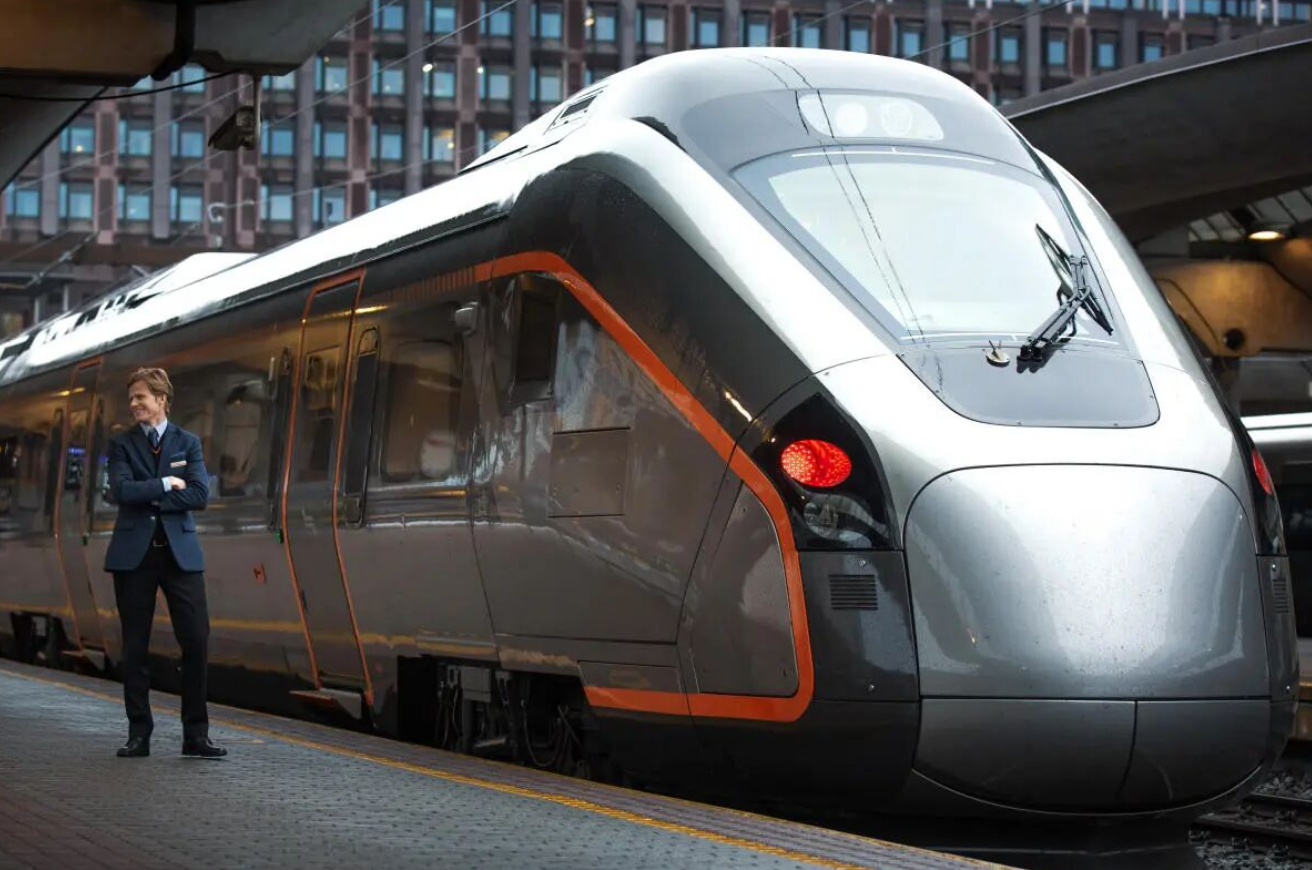
Maintaining correct track gauge is the cornerstone of safe and efficient high-speed rail operations, where even millimeter deviations can trigger catastrophic derailments at operational speeds exceeding 300 km/h. The precision required for track gauge maintenance in high-speed rail systems far exceeds that of conventional railways, demanding specialized measurement techniques, advanced monitoring systems, and rigorous maintenance protocols that ensure consistent rail spacing throughout the entire network.
High-speed rail track gauge maintenance involves a comprehensive approach that integrates continuous monitoring, preventive maintenance strategies, and immediate corrective actions to preserve the precise 1435mm standard gauge measurement. This systematic maintenance methodology encompasses regular inspections using sophisticated measuring equipment, proactive identification of gauge widening or narrowing trends, and implementation of corrective measures before tolerance limits are exceeded, ensuring passenger safety and operational reliability across the entire high-speed network.
Understanding Track Gauge Tolerances in High-Speed Rail Systems
Critical Tolerance Standards for High-Speed Operations
High-speed rail systems operate under extremely stringent track gauge tolerance requirements that typically allow only ±2mm deviation from the standard 1435mm gauge measurement, compared to ±6mm tolerances acceptable for conventional rail lines. This narrow tolerance band ensures optimal wheel-rail contact geometry, minimizes lateral forces on rolling stock, and prevents the dynamic instability that could occur at high operating speeds. Track gauge variations beyond these tight tolerances can generate harmful oscillations, increased wear rates, and potentially dangerous hunting motions in high-speed trains.
The relationship between track gauge accuracy and operational safety becomes exponentially more critical as train speeds increase, with gauge irregularities causing amplified dynamic effects that can compromise vehicle stability and passenger comfort. Railway engineers must understand that maintaining precise track gauge isn't merely about preventing derailments, but also about ensuring smooth ride quality, minimizing noise generation, and extending the service life of both track infrastructure and rolling stock components through optimal load distribution.
Factors Affecting Track Gauge Stability
Multiple environmental and operational factors continuously influence track gauge measurements in high-speed rail systems, requiring maintenance teams to understand and address these variables proactively. Temperature fluctuations cause thermal expansion and contraction of rail steel, potentially affecting gauge measurements throughout seasonal cycles, while soil settlement, subgrade instability, and inadequate drainage can create long-term gauge variations that compromise operational safety.
Heavy traffic loads, particularly during peak operational periods, generate cumulative stresses that gradually widen track gauge through fastener loosening, tie plate wear, and ballast settlement. Understanding these degradation mechanisms allows maintenance teams to implement targeted interventions that preserve track gauge accuracy and extend infrastructure service life through strategic maintenance scheduling and component replacement programs.
Precision Measurement Techniques and Equipment
Advanced Track Geometry Measurement Systems
Modern high-speed rail maintenance operations rely on sophisticated track geometry measurement cars equipped with laser-based sensors, inertial guidance systems, and high-precision data logging capabilities that can detect track gauge variations as small as 0.1mm while traveling at inspection speeds up to 200 km/h. These automated measurement systems provide continuous track gauge monitoring across entire network segments, generating detailed reports that identify specific locations requiring maintenance attention and trending analysis that predicts future gauge deterioration patterns.
Complementing automated measurement systems, portable track gauge measurement devices offer maintenance crews the ability to perform spot checks, verify automated readings, and conduct detailed inspections at specific problem locations. These handheld instruments typically feature digital displays, data logging capabilities, and wireless connectivity that allows real-time transmission of measurement results to central maintenance management systems for immediate analysis and work order generation.
Continuous Monitoring and Data Analysis
Implementation of continuous track gauge monitoring systems involves strategically positioned sensors throughout the high-speed rail network that provide real-time feedback on gauge measurements, allowing maintenance teams to detect and respond to gauge variations before they exceed acceptable tolerance limits. These monitoring systems integrate with centralized maintenance management platforms that analyze gauge measurement trends, predict future maintenance requirements, and optimize maintenance scheduling to minimize service disruptions.
Data analysis protocols for track gauge monitoring focus on identifying patterns that indicate developing problems, such as progressive gauge widening at specific locations, seasonal variation cycles, and correlation between gauge changes and traffic loading patterns. This analytical approach enables predictive maintenance strategies that address track gauge issues before they impact operational safety or service quality, reducing emergency repair requirements and extending infrastructure service life.

Preventive Maintenance Strategies and Procedures
Regular Inspection and Measurement Protocols
Establishing comprehensive inspection schedules for track gauge maintenance in high-speed rail systems requires balancing measurement frequency with operational constraints, typically implementing weekly automated geometry car runs supplemented by monthly manual inspections at critical locations such as curves, switches, and bridge approaches. These inspection protocols must account for seasonal variations, traffic loading patterns, and historical maintenance records to ensure adequate monitoring coverage while optimizing resource allocation.
Documentation and reporting procedures for track gauge inspections must capture precise measurement data, environmental conditions during inspection, and any observed trends or anomalies that might indicate developing problems. Standardized reporting formats ensure consistency across maintenance teams and enable effective communication between field personnel and management, facilitating timely decision-making regarding corrective actions and resource deployment for track gauge maintenance activities.
Fastener System Maintenance and Adjustment
Maintaining proper track gauge requires systematic attention to rail fastener systems, including regular torque verification of bolts, replacement of worn elastic clips, and adjustment of rail positioning within fastener assemblies to ensure consistent gauge measurements. Fastener maintenance protocols must address the unique requirements of high-speed rail systems, where fastener loosening can occur more rapidly due to dynamic loading effects and thermal cycling that exceed those experienced in conventional railway operations.
Proper fastener maintenance involves understanding the specific characteristics of different fastener types used throughout the high-speed rail network, implementing appropriate torque specifications for each fastener design, and maintaining adequate inventory levels of replacement components to support timely maintenance activities. Regular fastener inspections should identify signs of wear, fatigue, or loosening that could compromise track gauge stability, enabling proactive replacement before gauge variations exceed acceptable limits.
Corrective Maintenance and Track Gauge Restoration
Immediate Response to Gauge Variations
When track gauge measurements exceed established tolerance limits, immediate response protocols must prioritize passenger safety while minimizing service disruptions, typically involving temporary speed restrictions until corrective maintenance can restore proper gauge measurements. Emergency response procedures should include rapid deployment of measurement equipment to verify gauge conditions, assessment of the extent of gauge variation along affected track segments, and implementation of appropriate traffic control measures based on the severity of gauge deviations.
Corrective maintenance planning for track gauge restoration requires careful consideration of available maintenance windows, resource requirements, and coordination with train operations to minimize service impacts. Maintenance teams must be prepared to implement various correction techniques depending on the cause and extent of gauge problems, ranging from simple fastener adjustments to comprehensive track realignment projects that may require extended service outages.
Track Realignment and Gauge Correction Techniques
Track gauge correction in high-speed rail systems often requires sophisticated realignment techniques that restore precise rail positioning while maintaining proper geometric relationships between track gauge, alignment, and profile parameters. Realignment procedures typically involve loosening rail fastenings along affected segments, using specialized jacking and alignment equipment to adjust rail positions, and systematically retightening fasteners to prescribed torque specifications while continuously monitoring gauge measurements.
Advanced gauge correction techniques may include ballast tamping operations to stabilize track geometry, replacement of worn tie plates or fastener components, and installation of rail anchors or other restraint devices to prevent future gauge variations. These restoration activities require precise execution and thorough quality control to ensure that corrected track gauge measurements remain stable under high-speed operational loading conditions and comply with stringent geometric tolerance requirements.
Long-term Track Gauge Management and Optimization
Predictive Maintenance and Lifecycle Planning
Successful long-term track gauge management in high-speed rail systems depends on implementing predictive maintenance strategies that use historical measurement data, traffic loading analysis, and component condition assessment to forecast future maintenance requirements and optimize resource allocation. Predictive models consider factors such as cumulative tonnage, seasonal effects, and infrastructure age to identify segments likely to experience gauge variations and schedule preventive maintenance activities before problems develop.
Lifecycle planning for track gauge maintenance involves establishing renewal schedules for critical components such as rail fastenings, tie plates, and ballast systems based on their expected service life under high-speed operating conditions. This strategic approach ensures that track gauge stability is maintained throughout infrastructure service life while optimizing maintenance costs and minimizing service disruptions through coordinated component replacement programs.
Technology Integration and System Optimization
Modern track gauge maintenance programs increasingly rely on integrated technology solutions that combine automated measurement systems, predictive analytics, and maintenance management platforms to optimize gauge maintenance effectiveness and efficiency. These integrated approaches enable real-time monitoring of gauge conditions, automated generation of maintenance work orders, and continuous optimization of maintenance schedules based on actual track performance data and predictive algorithms.
System optimization for track gauge maintenance includes implementing performance metrics that track gauge stability trends, maintenance effectiveness, and cost efficiency to support continuous improvement initiatives. Regular analysis of maintenance outcomes, failure patterns, and cost data enables refinement of maintenance procedures, adjustment of inspection frequencies, and optimization of resource allocation to achieve superior track gauge performance while controlling maintenance expenses.
FAQ
What is the acceptable track gauge tolerance for high-speed rail operations?
High-speed rail systems typically require track gauge tolerances within ±2mm of the standard 1435mm measurement, which is significantly tighter than the ±6mm tolerances acceptable for conventional railways. This stringent tolerance ensures optimal wheel-rail contact geometry and prevents dynamic instability at high operating speeds, with some ultra-high-speed systems requiring even tighter tolerances of ±1mm to maintain operational safety and ride quality.
How frequently should track gauge measurements be taken in high-speed rail systems?
Track gauge measurements in high-speed rail systems should be conducted using automated geometry cars on a weekly basis for routine monitoring, supplemented by monthly manual inspections at critical locations such as curves, switches, and bridge approaches. Additional measurements may be required following extreme weather events, heavy traffic periods, or when automated systems detect gauge variations approaching tolerance limits, ensuring continuous monitoring of gauge stability throughout the network.
What are the primary causes of track gauge variations in high-speed railways?
Track gauge variations in high-speed railways primarily result from fastener loosening due to dynamic loading effects, thermal expansion and contraction of rail steel, ballast settlement under repeated loading, and subgrade instability caused by inadequate drainage or soil conditions. Environmental factors such as temperature fluctuations, seasonal freeze-thaw cycles, and heavy precipitation can accelerate gauge changes, while inadequate maintenance of fastener systems and worn track components contribute to progressive gauge widening over time.
Can track gauge problems be corrected without major service disruptions?
Minor track gauge variations can often be corrected during scheduled maintenance windows using fastener adjustments, selective component replacement, and precision realignment techniques that minimize service disruptions. However, significant gauge problems may require extended maintenance outages for comprehensive track realignment, ballast renewal, or infrastructure replacement activities, making early detection and preventive maintenance critical for avoiding major service impacts and ensuring continuous high-speed rail operations.
Table of Contents
- Understanding Track Gauge Tolerances in High-Speed Rail Systems
- Precision Measurement Techniques and Equipment
- Preventive Maintenance Strategies and Procedures
- Corrective Maintenance and Track Gauge Restoration
- Long-term Track Gauge Management and Optimization
-
FAQ
- What is the acceptable track gauge tolerance for high-speed rail operations?
- How frequently should track gauge measurements be taken in high-speed rail systems?
- What are the primary causes of track gauge variations in high-speed railways?
- Can track gauge problems be corrected without major service disruptions?