
 EN
EN
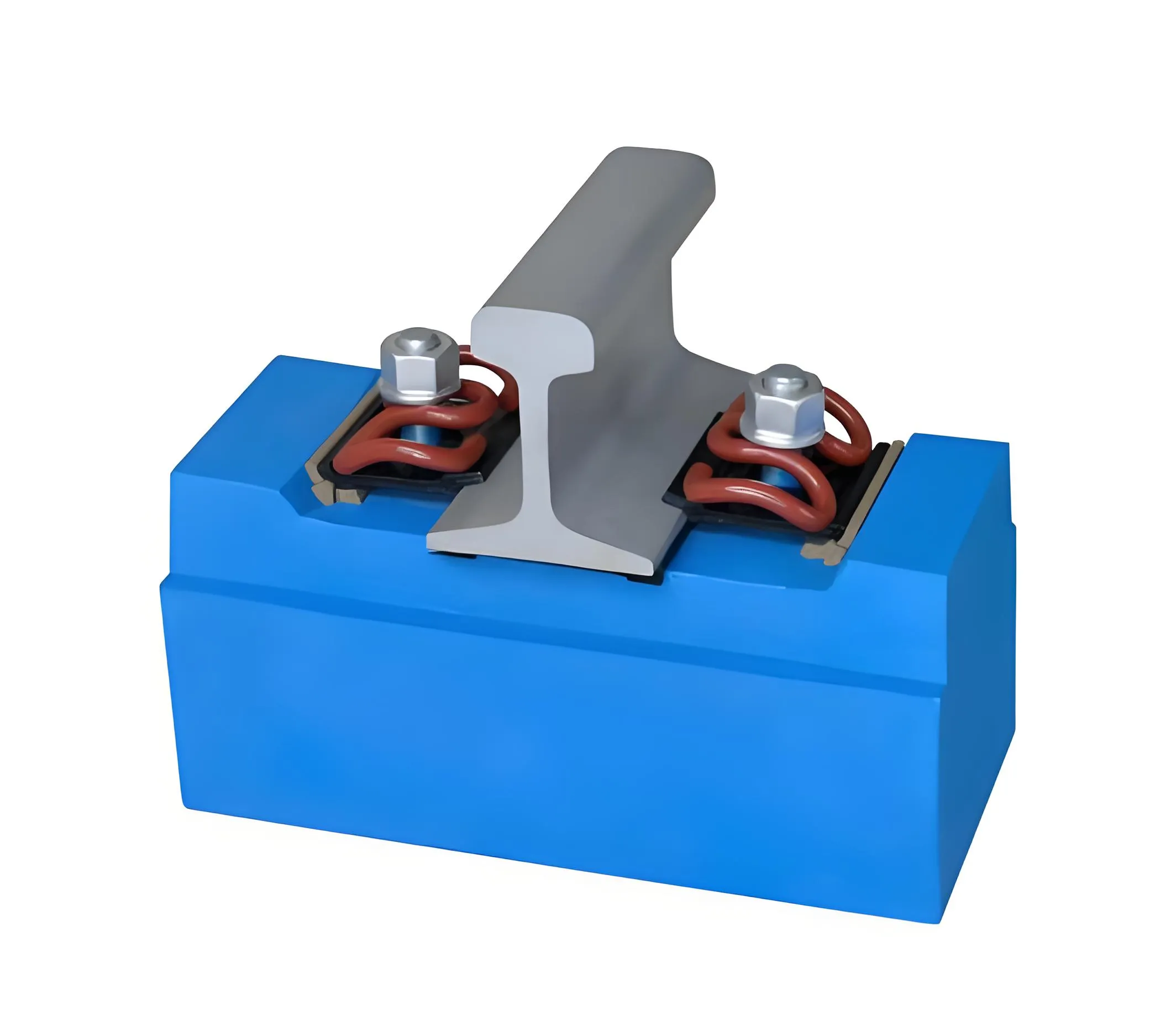
Selecting the appropriate rail anchors for different railway applications requires understanding the fundamental differences between high-speed and conventional rail systems. Rail anchors serve as critical components that secure rails to sleepers and maintain track stability, but their specifications and performance requirements vary significantly based on operating speeds, load conditions, and track geometry. The selection process involves evaluating multiple technical factors including dynamic loading, thermal expansion, maintenance requirements, and long-term reliability to ensure optimal track performance and safety.
The distinction between high-speed and conventional rail systems creates unique engineering challenges that directly influence rail anchor selection criteria. High-speed railways typically operate at speeds exceeding 250 km/h and demand superior track stability, precise geometry maintenance, and enhanced resistance to dynamic forces. Conventional rail systems, operating at lower speeds, prioritize cost-effectiveness and proven reliability while maintaining adequate performance standards. Understanding these operational differences forms the foundation for making informed decisions about rail anchor specifications and ensures optimal system integration.
Understanding Rail Anchor Requirements by System Type
High-Speed Railway Specifications
High-speed rail systems impose exceptional demands on rail anchors due to the extreme operating conditions and precision requirements. These systems experience significant aerodynamic forces, higher frequency vibrations, and amplified dynamic loading that conventional rail anchors may not adequately handle. The rail anchors must maintain precise track geometry under these conditions while providing consistent performance over extended periods without degradation.
Temperature variations present another critical consideration for high-speed applications. Rail anchors in these systems must accommodate rapid thermal expansion and contraction cycles caused by frequent high-speed operations and aerodynamic heating effects. The anchoring system requires superior elastic properties and fatigue resistance to maintain rail position stability throughout these thermal cycles without compromising track integrity or passenger comfort.
Vibration damping capabilities become essential in high-speed rail anchor selection. The rail anchors must effectively absorb and dissipate vibrational energy transmitted through the track structure to prevent resonance effects and maintain ride quality. Advanced damping characteristics help reduce noise transmission and extend the service life of both the anchoring system and surrounding track components.
Conventional Railway Parameters
Conventional rail systems operate under different performance criteria that influence rail anchor selection priorities. These systems typically emphasize durability, maintenance simplicity, and cost-effective operation while maintaining adequate safety margins. Rail anchors for conventional applications must provide reliable long-term performance under moderate loading conditions and standard environmental exposures.
Load distribution characteristics in conventional systems differ significantly from high-speed applications. Rail anchors must handle gradual loading changes, occasional heavy freight operations, and standard passenger service without excessive wear or deformation. The anchoring system should maintain consistent clamping force over time while allowing for normal thermal movement and settlement adjustments.
Maintenance accessibility becomes a primary consideration for conventional rail anchor selection. These systems often require field-serviceable components that can be inspected, adjusted, or replaced using standard maintenance equipment and procedures. The rail anchors should provide visual inspection capabilities and allow for routine maintenance activities without disrupting regular service operations.
Performance Criteria and Selection Factors
Dynamic Loading Analysis
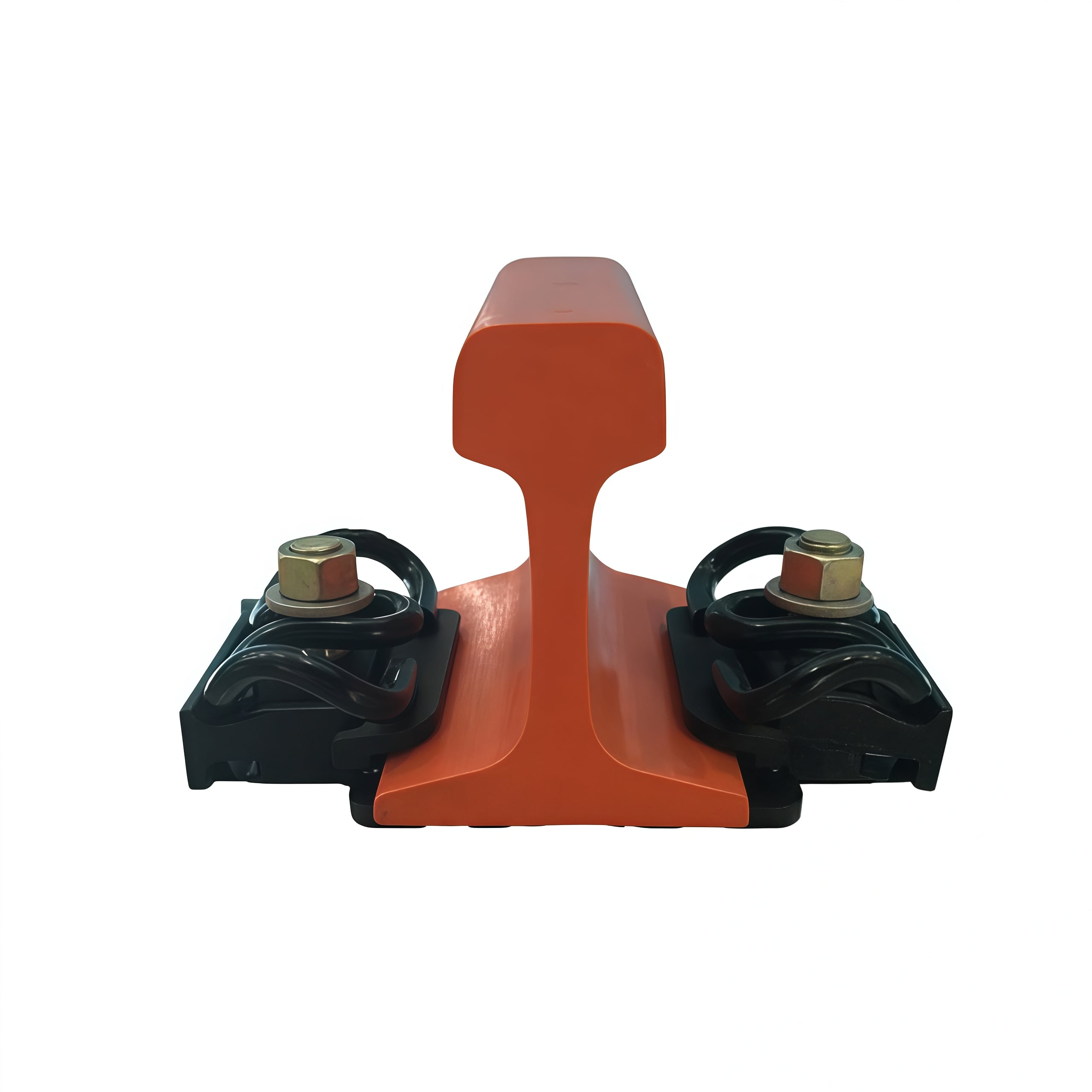
Dynamic loading analysis forms the cornerstone of proper rail anchor selection for both high-speed and conventional systems. High-speed applications generate complex loading patterns that include vertical wheel loads, lateral forces from banking and steering, and longitudinal forces from acceleration and braking. Rail anchors must resist these multi-directional forces while maintaining consistent rail positioning and preventing progressive loosening or displacement.
The frequency and magnitude of dynamic loads vary significantly between system types. High-speed operations create higher frequency loading cycles that demand rail anchors with superior fatigue resistance and elastic response characteristics. Conventional systems experience lower frequency but potentially higher magnitude loads from freight operations that require different anchor design approaches focused on ultimate strength and creep resistance.
Impact loading considerations also influence rail anchors selection criteria. High-speed systems must accommodate sudden loading changes from emergency braking, crosswind effects, and track irregularities at high velocities. Rail anchors require shock absorption capabilities and rapid recovery characteristics to maintain track stability during these events while preventing permanent deformation or failure.
Material Properties and Durability
Material selection for rail anchors directly impacts their suitability for different railway applications. High-speed systems typically require advanced materials with superior strength-to-weight ratios, enhanced corrosion resistance, and excellent fatigue properties. These materials must maintain their performance characteristics under extreme operating conditions while providing long service life with minimal maintenance requirements.
Conventional rail applications may utilize different material approaches that emphasize proven performance and cost-effectiveness. Rail anchors for these systems often employ traditional materials with established track records and readily available replacement parts. The material selection should balance performance requirements with economic considerations while ensuring adequate safety margins and reliability.
Environmental resistance becomes critical for both system types but may require different approaches. Rail anchors must withstand exposure to moisture, temperature extremes, chemical contamination, and mechanical wear throughout their service life. High-speed systems may require additional protection against aerodynamic effects and higher frequency exposure cycles that accelerate normal degradation processes.
Installation and Compatibility Considerations
Track Structure Integration
Successful rail anchor selection requires careful consideration of track structure compatibility and installation requirements. High-speed rail systems often utilize specialized track geometries, concrete sleepers, and continuous welded rail that demand specific anchor configurations and installation procedures. The rail anchors must integrate seamlessly with existing track components while providing the required performance characteristics without compromising system integrity.
Dimensional tolerances become increasingly critical in high-speed applications where precise track geometry directly affects operational safety and performance. Rail anchors must maintain tight dimensional control during installation and throughout their service life to prevent geometry deviations that could affect vehicle dynamics or create maintenance issues. The anchoring system should accommodate normal construction tolerances while providing adjustment capabilities for fine-tuning track position.
Installation tooling and procedures vary between high-speed and conventional systems, influencing rail anchor selection decisions. High-speed installations often require specialized equipment and precise installation techniques that may not be compatible with conventional anchor designs. The selected rail anchors should align with available installation capabilities and maintenance infrastructure to ensure practical implementation and ongoing support.
Maintenance and Serviceability
Maintenance requirements significantly influence rail anchor selection for different railway applications. High-speed systems typically operate under strict availability requirements that minimize maintenance windows and demand highly reliable components with predictable service intervals. Rail anchors for these applications should provide extended maintenance intervals and condition monitoring capabilities to support predictive maintenance strategies.
Inspection accessibility affects rail anchor design choices for both system types. The anchoring components must allow for thorough visual inspection and non-destructive testing without requiring extensive disassembly or service disruption. Rail anchors should provide clear indicators of condition status and wear patterns that enable maintenance personnel to make informed decisions about service life and replacement timing.
Replacement procedures impact long-term operational costs and system reliability. Rail anchors should be designed for efficient removal and installation using standard maintenance equipment while minimizing track occupation time. The replacement process should not require specialized tools or extensive track preparation that could extend maintenance windows or increase operational costs.
Economic and Lifecycle Analysis
Initial Investment Considerations
The initial investment in rail anchors represents a significant portion of track construction costs and requires careful evaluation of performance benefits versus cost implications. High-speed rail systems typically justify higher initial costs through improved performance, reduced maintenance requirements, and enhanced operational reliability. The rail anchors must demonstrate clear value propositions that align with project objectives and long-term operational strategies.
Conventional rail systems often prioritize cost optimization while maintaining adequate performance standards. Rail anchors for these applications should provide the best balance between initial cost and expected service life while meeting all safety and operational requirements. The selection process should consider total installed cost including materials, installation labor, and any required track modifications or preparation work.
Procurement considerations may influence rail anchor selection through availability, delivery schedules, and supplier capabilities. High-speed projects often require specialized components with longer lead times and limited supplier options that must be factored into project planning and cost analysis. Conventional systems may benefit from standardized components with multiple supply sources and shorter delivery cycles.
Lifecycle Cost Optimization
Lifecycle cost analysis provides the most accurate assessment of rail anchor value for different railway applications. This analysis should include initial costs, installation expenses, maintenance requirements, expected service life, and replacement costs to determine the most economical solution over the system's operational lifetime. Rail anchors with higher initial costs may prove more economical through reduced maintenance and longer service intervals.
Operating cost impacts include track availability, maintenance efficiency, and performance-related expenses that affect overall system economics. High-speed rail anchors that minimize maintenance requirements and extend track availability can provide significant operational savings that justify higher initial investments. Conventional systems may benefit from rail anchors that simplify maintenance procedures and utilize standard replacement parts to reduce ongoing costs.
Risk mitigation factors should be incorporated into lifecycle cost calculations including failure consequences, replacement availability, and system reliability impacts. Rail anchors that provide superior reliability and predictable performance characteristics help minimize operational risks and associated costs while supporting consistent service delivery and customer satisfaction.
FAQ
What are the key differences in rail anchor requirements between high-speed and conventional railways?
High-speed railways require rail anchors with superior dynamic loading resistance, enhanced vibration damping capabilities, and precise dimensional control to handle extreme operating conditions exceeding 250 km/h. These systems demand advanced materials with excellent fatigue properties and thermal stability. Conventional railways prioritize durability, cost-effectiveness, and maintenance simplicity while operating under moderate loading conditions with standard performance requirements and proven reliability characteristics.
How do dynamic forces affect rail anchor selection for different railway types?
Dynamic forces in high-speed applications create complex multi-directional loading patterns with high frequency cycles that require rail anchors with superior elastic response and fatigue resistance. These systems experience aerodynamic forces, rapid loading changes, and amplified vibrations that conventional anchors may not adequately handle. Conventional railways generate lower frequency but potentially higher magnitude loads from freight operations that demand different anchor approaches focused on ultimate strength and creep resistance rather than high-frequency performance.
What installation considerations should be evaluated when selecting rail anchors?
Installation considerations include track structure compatibility, dimensional tolerance requirements, available tooling and equipment, and integration with existing infrastructure. High-speed systems often require specialized installation procedures and precise geometric control that may not be compatible with conventional anchor designs. The selected rail anchors should align with installation capabilities, maintenance infrastructure, and available expertise while ensuring proper system integration and long-term performance reliability throughout the operational lifecycle.
How should lifecycle costs be evaluated when choosing between different rail anchor options?
Lifecycle cost evaluation should include initial material and installation costs, maintenance requirements, expected service life, replacement expenses, and operational impact factors such as track availability and system reliability. High-speed rail anchors may justify higher initial costs through reduced maintenance needs and extended service intervals, while conventional systems often prioritize cost optimization with adequate performance standards. The analysis should consider total ownership costs over the system's operational lifetime rather than focusing solely on initial purchase price.
Table of Contents
- Understanding Rail Anchor Requirements by System Type
- Performance Criteria and Selection Factors
- Installation and Compatibility Considerations
- Economic and Lifecycle Analysis
-
FAQ
- What are the key differences in rail anchor requirements between high-speed and conventional railways?
- How do dynamic forces affect rail anchor selection for different railway types?
- What installation considerations should be evaluated when selecting rail anchors?
- How should lifecycle costs be evaluated when choosing between different rail anchor options?