
 EN
EN
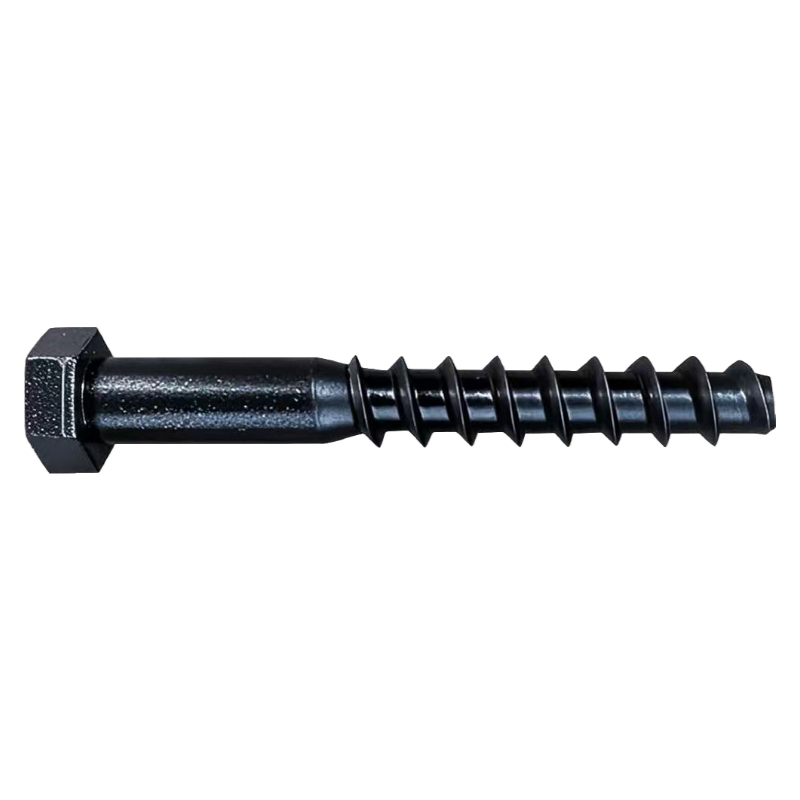
Railway track stability relies heavily on proper installation spacing of rail anchors, which serve as critical components in maintaining gauge and preventing rail movement. The recommended spacing for rail anchors varies based on track classification, operational loads, and specific railway engineering standards, with typical intervals ranging from every other tie to every fourth tie depending on the application requirements.
Understanding the optimal installation spacing for rail anchors requires careful consideration of track geometry, traffic patterns, and environmental conditions. Modern railway engineering practices emphasize systematic spacing protocols that ensure adequate lateral restraint while maintaining cost-effectiveness and installation efficiency throughout the track structure.
Standard Spacing Protocols for Railway Applications
Primary Track Spacing Requirements
Primary railway tracks typically require rail anchors installed at intervals of every second or third tie, translating to approximately 36 to 54 inches between anchor points. This spacing pattern provides sufficient lateral restraint to prevent rail movement under heavy freight loads and high-speed passenger operations. The consistent spacing ensures that thermal expansion forces are distributed evenly across the track structure.
High-traffic corridors often necessitate closer anchor spacing, with installations occurring at every other tie to maximize stability. This approach is particularly important in curves, grade transitions, and areas subject to significant braking forces. The enhanced anchor density in these critical sections helps maintain precise track geometry and reduces maintenance requirements over the operational lifespan.
Secondary and branch line applications may utilize wider spacing intervals, with rail anchors installed at every third or fourth tie depending on traffic volume and operational speeds. This modified spacing approach balances cost considerations with adequate restraint performance for lighter duty applications.
Curve-Specific Installation Patterns
Railway curves demand specialized rail anchor spacing to address the increased lateral forces generated by rolling stock navigation. Sharp curves typically require anchor installation at every tie on the high rail, while the low rail may utilize every second tie spacing. This asymmetrical approach accommodates the differential forces experienced by each rail in curved track sections.
Moderate curves generally employ rail anchors at every other tie on both rails, providing balanced restraint while maintaining installation efficiency. The spacing selection for curved track sections must account for superelevation, train speeds, and the specific radius of curvature to ensure optimal performance characteristics.
Transition zones between tangent track and curves require careful attention to anchor spacing patterns. Gradual spacing adjustments help accommodate the changing force dynamics as trains enter and exit curved sections, preventing stress concentrations that could lead to track instability or component failure.
Engineering Factors Influencing Anchor Spacing
Load Classification Considerations
Heavy freight operations significantly influence rail anchor spacing requirements, with higher axle loads necessitating closer anchor intervals to maintain track stability. Class I freight railroads typically specify anchor spacing at every second tie for main lines carrying unit trains and intermodal traffic. The increased anchor density helps distribute the substantial lateral forces generated by heavy locomotives and loaded freight cars.
Passenger rail systems may utilize different spacing protocols based on operating speeds and service frequency. High-speed passenger corridors often require enhanced anchor spacing similar to heavy freight applications, while commuter rail services may accommodate slightly wider intervals depending on track design standards and operational parameters.
Mixed traffic railways must consider the most demanding operational scenario when establishing rail anchor spacing protocols. The spacing design should accommodate both freight and passenger operations without compromising safety or performance standards for either service type.
Environmental and Geological Factors
Soil conditions play a crucial role in determining appropriate rail anchor spacing, with soft or unstable subgrades requiring closer anchor intervals to maintain track stability. Areas with high groundwater levels or seasonal frost conditions may necessitate enhanced anchor density to counteract the additional movement forces acting on the track structure.
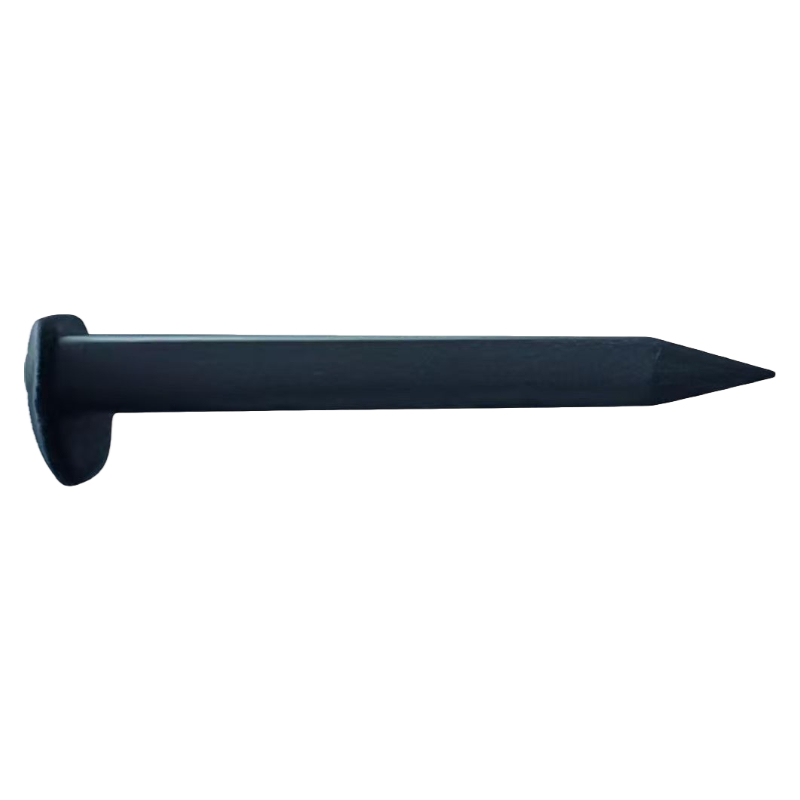
Seismic zones require special consideration for rail anchor spacing, with earthquake-prone regions often specifying closer intervals to improve track resilience during ground motion events. The enhanced anchor pattern helps maintain track alignment and prevents derailments during seismic activity by providing increased lateral restraint capacity.
Temperature variations influence rail anchor spacing requirements, particularly in regions experiencing extreme seasonal temperature swings. Areas with significant thermal expansion and contraction cycles may require closer anchor spacing to control rail movement and prevent track buckling or gap formation during temperature extremes.
Installation Best Practices and Quality Control
Systematic Installation Procedures
Proper rail anchor installation requires systematic marking and measurement procedures to ensure consistent spacing throughout the track section. Installation crews utilize specialized marking tools to identify anchor locations based on engineering specifications, maintaining precise intervals that align with design requirements and operational needs.
Quality control measures during installation include verification of anchor spacing using calibrated measuring equipment and documentation of any deviations from specified intervals. This systematic approach ensures that the installed anchor pattern meets engineering standards and provides the intended level of track restraint for safe railway operations.
Installation sequencing often follows a systematic pattern, with crews working in coordinated sections to maintain productivity while ensuring quality standards. The methodical approach helps prevent gaps or overlaps in anchor coverage that could compromise track stability or create maintenance issues over time.
Inspection and Maintenance Protocols
Regular inspection of rail anchor spacing forms an essential component of track maintenance programs, with qualified personnel verifying that anchor intervals remain within specified tolerances. Inspection procedures include measurement of spacing distances and identification of missing or damaged anchors that could affect track stability.
Maintenance protocols address anchor replacement and spacing adjustments as needed to maintain optimal track performance. When rail anchors require replacement, maintenance crews must ensure that new installations maintain the specified spacing pattern and provide equivalent restraint capacity to the original configuration.
Documentation of anchor spacing inspections and maintenance activities supports long-term track performance monitoring and helps identify trends that may require adjustments to spacing protocols or installation procedures for improved railway safety and efficiency.
Industry Standards and Compliance Requirements
Regulatory Framework Specifications
Railway industry standards establish minimum requirements for rail anchor spacing based on track classification and operational parameters. These standards provide guidelines that ensure consistent application of spacing protocols across different railway networks while accommodating specific operational requirements and safety considerations.
Federal Railroad Administration guidelines in the United States specify rail anchor spacing requirements for various track classes, with Class 1 through Class 5 tracks having distinct spacing criteria based on maximum operating speeds and traffic density. Compliance with these standards ensures that track installations meet minimum safety requirements for railway operations.
International railway standards provide additional guidance for rail anchor spacing, with organizations such as the International Union of Railways establishing best practices that support global railway safety and interoperability. These standards help ensure consistent application of anchor spacing principles across different railway systems and national boundaries.
Quality Assurance and Testing
Quality assurance programs verify that rail anchor spacing meets specified requirements through systematic measurement and documentation procedures. These programs include initial installation verification, periodic inspections, and corrective action protocols to address any deviations from approved spacing standards.
Testing procedures evaluate the effectiveness of anchor spacing patterns through track performance monitoring and analysis of maintenance requirements. This data-driven approach helps validate spacing specifications and identify opportunities for optimization based on actual operational experience and performance outcomes.
Continuous improvement processes incorporate lessons learned from anchor spacing performance to refine installation standards and maintenance procedures. This systematic approach ensures that rail anchor spacing protocols evolve to meet changing operational requirements while maintaining safety and performance standards.
FAQ
What is the typical spacing interval for rail anchors on main line tracks?
Main line tracks typically require rail anchors installed at every second or third tie, which translates to approximately 36 to 54 inches between anchor points. This spacing provides adequate lateral restraint for heavy freight operations and high-speed passenger service while maintaining cost-effectiveness in installation and maintenance.
How does curve radius affect rail anchor spacing requirements?
Sharp curves require closer rail anchor spacing, often with anchors installed at every tie on the high rail and every second tie on the low rail. Moderate curves generally use every other tie spacing on both rails, while the specific spacing depends on the curve radius, superelevation, and operating speeds through the curved section.
Do environmental conditions influence rail anchor spacing decisions?
Yes, environmental factors significantly impact rail anchor spacing requirements. Soft soils, high groundwater, seismic activity, and extreme temperature variations may necessitate closer anchor spacing to maintain track stability. These conditions require enhanced anchor density to counteract additional forces acting on the track structure.
What quality control measures ensure proper rail anchor spacing during installation?
Quality control includes systematic marking procedures, calibrated measurement verification, and documentation of spacing intervals during installation. Regular inspections verify that anchor spacing remains within specified tolerances, and maintenance protocols address any deviations to ensure continued track performance and safety compliance.