
 EN
EN
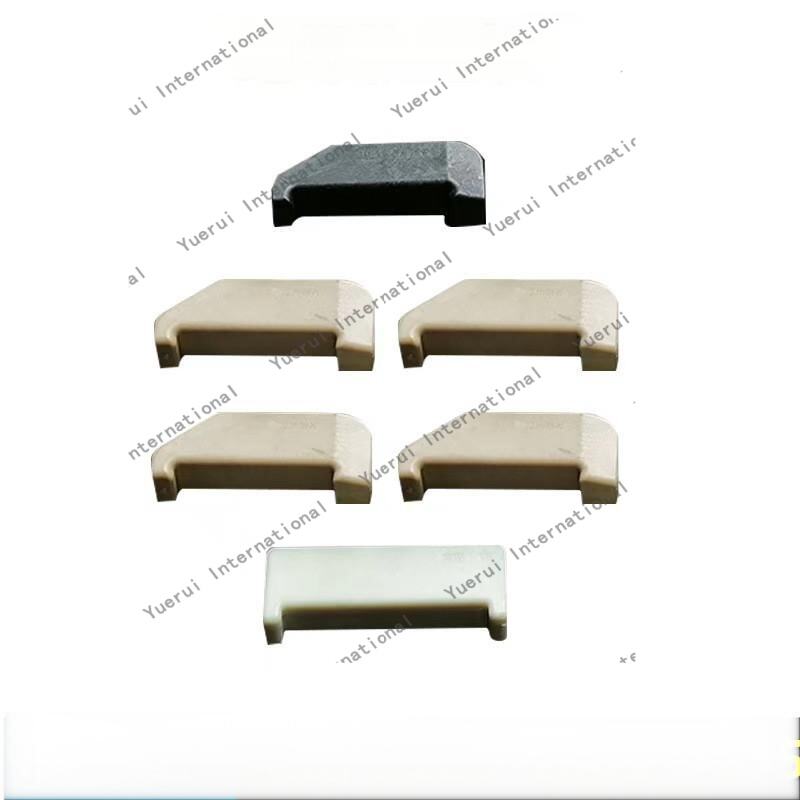
Railway track construction demands exceptional precision to ensure safe and efficient train operations. The accuracy of track gauge measurements directly impacts train stability, wheel wear, and overall system safety. Among the essential tools used in railway construction and maintenance, gauge blocks serve as fundamental precision instruments that establish and verify critical dimensional standards. These specialized blocks provide the measurement foundation necessary for maintaining proper track alignment and ensuring compliance with stringent railway engineering specifications.
Understanding the Role of Precision Measurement in Railway Construction
Critical Dimensions in Track Infrastructure
Railway track construction requires adherence to extremely tight tolerances across multiple dimensional parameters. The standard gauge width of 1,435 millimeters must be maintained consistently throughout the entire track system. Even minor deviations from this specification can result in operational issues, increased maintenance costs, and potential safety hazards. Engineers rely on precision measurement tools to verify that construction meets these exacting standards during initial installation and ongoing maintenance operations.
Track geometry encompasses more than just gauge width, including rail cant, cross-level, and longitudinal alignment parameters. Each of these measurements requires verification against established standards using calibrated instruments. The cumulative effect of dimensional accuracy across all these parameters determines the overall quality and performance characteristics of the completed railway infrastructure.
Measurement Accuracy Requirements
Modern railway systems operate under demanding performance requirements that necessitate exceptional measurement precision. High-speed rail applications, in particular, require track geometry tolerances measured in fractions of millimeters. Construction teams must demonstrate compliance with these specifications through systematic measurement and documentation processes that rely on traceable calibration standards.
Quality assurance protocols in railway construction typically specify measurement uncertainties well below one millimeter for critical dimensions. Achieving this level of accuracy requires the use of precision measurement tools that have been calibrated against known reference standards. This calibration chain ultimately traces back to national measurement standards, ensuring consistency and reliability across different construction projects and geographical regions.
Gauge Block Fundamentals in Precision Measurement
Physical Characteristics and Manufacturing
Gauge blocks represent the pinnacle of dimensional measurement accuracy, manufactured to tolerances typically within micrometers of nominal dimensions. These precision instruments consist of hardened steel or ceramic blocks with extremely flat and parallel surfaces that enable accurate length measurements through direct comparison or stacking techniques. The manufacturing process involves sophisticated grinding, lapping, and inspection procedures that ensure consistent dimensional accuracy across individual blocks and complete sets.
Surface finish quality plays a crucial role in gauge block performance, with typical surface roughness values measured in nanometers. This exceptional surface quality enables the phenomenon of wringing, where blocks can be joined together with minimal air gaps to create precise intermediate dimensions. The ability to combine multiple gauge blocks expands the range of achievable measurements while maintaining the accuracy characteristics of individual components.
Calibration and Traceability Standards
Professional gauge blocks undergo rigorous calibration processes that establish their dimensional accuracy relative to national and international length standards. This calibration provides documented traceability that enables users to demonstrate measurement accuracy and compliance with quality management system requirements. Calibration certificates specify the actual dimensions of individual blocks along with associated measurement uncertainties.
Regular recalibration ensures that gauge blocks maintain their accuracy over time, accounting for factors such as wear, thermal effects, and material stability. Calibration intervals typically range from one to three years, depending on usage frequency and environmental conditions. Organizations involved in railway construction must maintain current calibration documentation to support quality assurance requirements and regulatory compliance obligations.
Application Methods in Railway Track Construction
Direct Measurement Techniques
Railway construction teams employ gauge blocks for direct verification of track gauge dimensions during installation and inspection procedures. The blocks serve as go/no-go gauges that provide immediate indication of dimensional compliance without requiring complex measurement calculations. This direct comparison method reduces the potential for measurement errors while providing rapid feedback during construction operations.
Measurement procedures typically involve positioning gauge blocks between rail heads at specified locations along the track alignment. The fit characteristics between the blocks and rail surfaces indicate whether the track gauge falls within acceptable tolerance limits. This technique proves particularly valuable during initial construction phases when rapid verification of multiple measurement points is required to maintain construction schedules.
Calibration of Measurement Equipment
Construction projects utilize various electronic and mechanical measurement instruments that require periodic calibration to ensure continued accuracy. Gauge blocks serve as reference standards for calibrating track measurement trolleys, rail profile gauges, and digital measurement systems used in modern railway construction. This calibration process establishes the traceability chain that connects field measurements to national length standards.
Calibration procedures involve comparing measurement instrument readings to known gauge block dimensions across the full measurement range of each instrument. Any deviations between instrument readings and gauge block values indicate the need for adjustment or correction factors. Regular calibration using gauge blocks helps identify instrument drift or damage before these issues can compromise measurement quality in field applications.
Quality Control Integration in Construction Processes
Inspection Protocol Development
Effective quality control in railway construction requires systematic inspection protocols that incorporate gauge blocks as reference standards. These protocols specify measurement frequencies, acceptance criteria, and documentation requirements that ensure consistent application of quality standards throughout the construction process. Inspection teams use gauge blocks to verify the accuracy of their measurement tools before conducting dimensional inspections of completed track sections.
Documentation requirements typically include records of gauge block calibration status, measurement results, and any corrective actions taken when dimensions fall outside acceptable limits. This comprehensive documentation provides evidence of quality control compliance and supports future maintenance planning activities. The integration of gauge blocks into formal inspection protocols ensures that measurement accuracy remains consistent across different construction crews and project phases.
Problem Resolution and Corrective Actions
When track gauge measurements indicate deviations from specified dimensions, gauge blocks assist in determining the extent and location of problems. Construction teams can use gauge blocks to verify measurement accuracy and eliminate instrument-related sources of error before implementing corrective construction activities. This systematic approach prevents unnecessary rework while ensuring that corrective actions address actual dimensional problems rather than measurement uncertainties.
Corrective action procedures often involve re-measurement using independently calibrated instruments and gauge blocks to confirm the presence and magnitude of dimensional deviations. This verification process provides confidence in subsequent construction adjustments and helps prevent the propagation of dimensional errors to adjacent track sections. The use of gauge blocks in problem resolution activities ensures that corrective actions are based on accurate dimensional information.
Technology Integration and Modern Applications
Digital Measurement System Calibration
Contemporary railway construction increasingly relies on sophisticated digital measurement systems that provide real-time feedback during construction operations. These systems require calibration against physical standards to ensure measurement accuracy and system reliability. Gauge blocks provide the necessary reference standards for calibrating laser-based measurement systems, digital track geometry trolleys, and automated inspection equipment used in modern railway construction.
Integration of gauge blocks with digital systems typically involves software routines that compare system readings to known gauge block dimensions. These calibration processes can be automated to reduce setup time and improve measurement consistency. The combination of traditional gauge block accuracy with modern digital convenience provides construction teams with enhanced measurement capabilities while maintaining traceability to established standards.
Data Management and Documentation
Modern construction projects generate extensive measurement data that must be managed and documented to support quality assurance requirements. Gauge blocks contribute to this process by providing reference measurements that validate the accuracy of digital data collection systems. Calibration records for gauge blocks become part of the overall project documentation package that demonstrates compliance with engineering specifications and quality standards.
Electronic data management systems can incorporate gauge block calibration information to provide automated validation of measurement accuracy. This integration helps identify potential measurement system problems before they can compromise construction quality. The systematic use of gauge blocks in digital measurement workflows ensures that technological advances enhance rather than compromise measurement accuracy in railway construction applications.
Economic Benefits and Cost Considerations
Prevention of Costly Rework
Investment in quality gauge blocks and proper calibration procedures provides significant economic benefits through the prevention of construction errors and associated rework costs. Accurate initial measurements using calibrated gauge blocks help ensure that track construction meets specifications on the first attempt, avoiding the substantial costs associated with dimensional corrections after construction completion. The relatively modest investment in precision measurement tools generates substantial returns through improved construction efficiency and reduced error rates.
Construction delays resulting from dimensional problems can impose significant project costs beyond direct rework expenses. These delays can affect critical path schedules and result in contractual penalties or extended project durations. The use of gauge blocks for systematic measurement verification helps prevent such delays by ensuring dimensional compliance throughout the construction process rather than discovering problems during final inspection phases.
Long-term Maintenance Considerations
Railway infrastructure constructed with proper dimensional accuracy using gauge blocks typically requires less maintenance and experiences extended service life compared to systems built with less rigorous measurement standards. Proper track geometry reduces wear on rolling stock components and minimizes the need for frequent track adjustments. These long-term benefits justify the initial investment in precision measurement tools and calibration procedures.
Maintenance planning benefits from the availability of accurate as-built dimensional records that document the initial construction quality. These records, supported by gauge block calibration documentation, provide a baseline for future maintenance activities and help identify areas that may require increased inspection frequency. The systematic use of gauge blocks throughout the construction process contributes to the development of comprehensive maintenance databases that support lifecycle cost optimization.
FAQ
What accuracy levels can be achieved with gauge blocks in railway construction
Professional-grade gauge blocks typically provide accuracy within 0.1 to 0.5 micrometers for Grade 0 blocks, which translates to exceptional precision in railway measurement applications. When properly calibrated and used according to established procedures, gauge blocks enable track gauge measurements accurate to within 0.1 millimeters or better, well within the tolerance requirements for most railway construction specifications.
How often should gauge blocks be recalibrated for construction use
Calibration intervals for gauge blocks used in railway construction typically range from 12 to 24 months, depending on usage frequency and environmental conditions. Heavy construction use or exposure to harsh environmental conditions may require more frequent calibration, while blocks used primarily for periodic calibration of other instruments may maintain accuracy for longer periods. Regular calibration ensures continued measurement reliability and maintains traceability documentation.
Can gauge blocks be used with automated measurement systems
Modern gauge blocks integrate effectively with automated and digital measurement systems used in contemporary railway construction. These blocks serve as calibration references for laser-based measurement equipment, digital track geometry systems, and robotic measurement platforms. The combination of traditional gauge block accuracy with automated measurement capabilities provides enhanced efficiency while maintaining measurement precision and traceability requirements.
What environmental factors affect gauge block performance in field conditions
Temperature variations represent the primary environmental concern for gauge block accuracy in field applications, as thermal expansion can affect dimensional accuracy. Proper temperature stabilization and compensation procedures help maintain measurement accuracy across typical construction temperature ranges. Additionally, protection from moisture, dust, and mechanical damage ensures continued accuracy and extends the useful life of gauge blocks in construction environments.
Table of Contents
- Understanding the Role of Precision Measurement in Railway Construction
- Gauge Block Fundamentals in Precision Measurement
- Application Methods in Railway Track Construction
- Quality Control Integration in Construction Processes
- Technology Integration and Modern Applications
- Economic Benefits and Cost Considerations
- FAQ