
 EN
EN
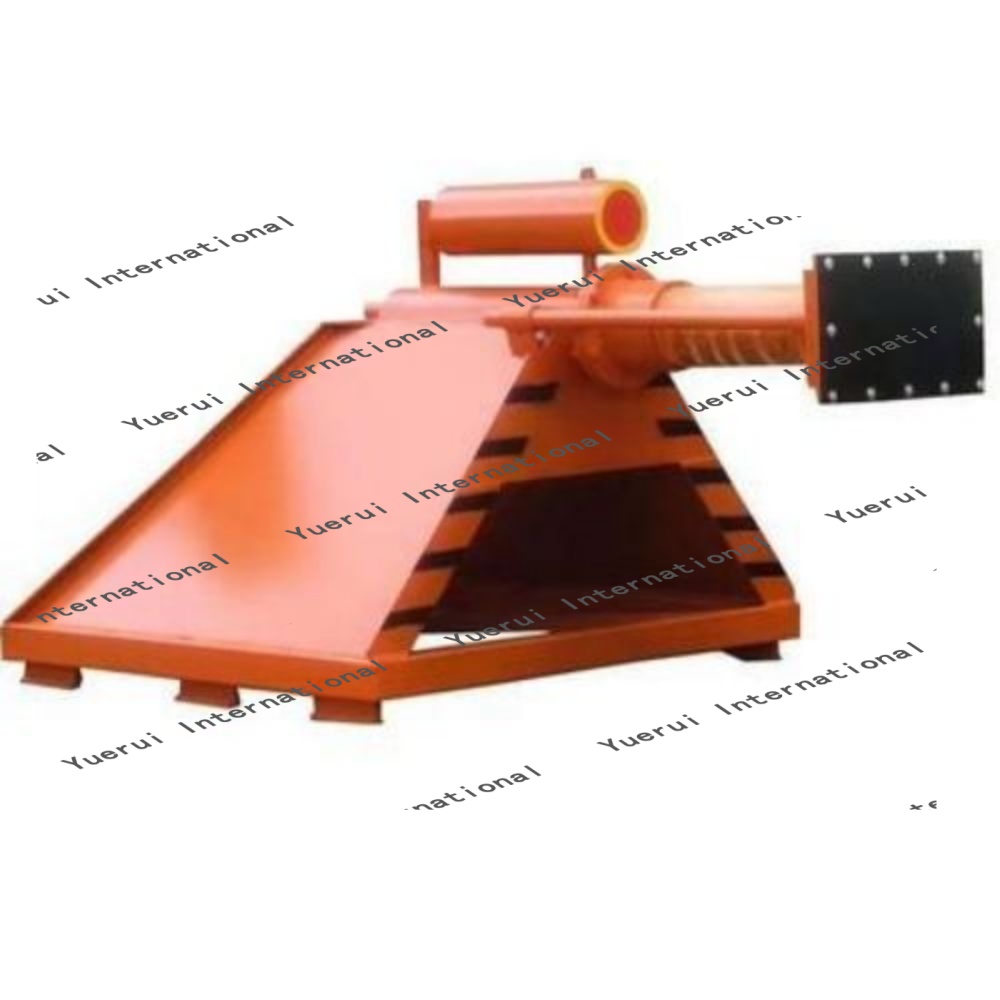
Railway infrastructure forms the backbone of modern transportation systems, requiring specialized equipment and precise maintenance protocols to ensure safe and efficient operations. Professional rail tools represent critical investments for railway operators, contractors, and maintenance teams who understand that track reliability directly impacts operational safety and performance metrics. The selection and deployment of appropriate rail tools can significantly influence project timelines, maintenance costs, and overall system longevity across various railway applications.
Modern railway construction and maintenance operations demand sophisticated tool sets that address multiple technical challenges simultaneously. From initial track installation through routine maintenance cycles, rail tools must deliver consistent performance under demanding operational conditions. Industry professionals recognize that investing in quality rail tools reduces long-term operational expenses while improving safety standards across all maintenance activities.
The evolution of railway technology has driven continuous innovation in tool design and functionality, resulting in more efficient and reliable equipment options for contemporary applications. Understanding the essential categories and applications of rail tools enables maintenance teams to optimize their equipment selection and improve overall project outcomes.
Track Installation Tool Categories
Heavy-Duty Installation Equipment
Track installation requires robust equipment capable of handling substantial loads and maintaining precise positioning throughout the construction process. Heavy-duty rail tools include rail lifters, alignment systems, and positioning devices that ensure accurate track placement according to engineering specifications. These specialized tools enable construction crews to manage long rail sections safely while maintaining the tight tolerances required for modern railway systems.
Professional installation teams rely on hydraulic-powered rail tools that provide consistent force application and reduce manual labor requirements during critical positioning operations. Advanced rail tools incorporate ergonomic designs that minimize operator fatigue while maximizing control precision during extended installation sessions.
Precision Measurement Instruments
Accurate measurement and alignment verification represent fundamental requirements throughout track installation projects, demanding specialized rail tools designed for railway applications. Precision measurement instruments include rail gauges, alignment tools, and elevation verification equipment that ensure compliance with stringent railway standards. These rail tools enable construction teams to verify track geometry and make necessary adjustments before final installation completion.
Digital measurement rail tools have revolutionized accuracy standards in modern railway construction, providing real-time feedback and documentation capabilities that support quality assurance protocols. Integration of electronic measurement systems with traditional rail tools creates comprehensive inspection capabilities that enhance overall project reliability.
Fastening and Connection Systems
Rail Fastening Tools
Secure rail connections form the foundation of safe railway operations, requiring specialized fastening rail tools that ensure proper torque application and connection integrity. Professional fastening systems include torque wrenches, bolt tensioning equipment, and specialized drivers designed specifically for railway applications. These rail tools must deliver consistent results across varying environmental conditions while maintaining precise control over fastening specifications.
Modern fastening rail tools incorporate advanced materials and ergonomic designs that improve operator efficiency while reducing the risk of connection failures. Quality fastening equipment ensures that all rail connections meet or exceed industry standards for strength and durability throughout their operational lifespan.
Welding and Joining Equipment
Continuous welded rail installation requires sophisticated joining equipment that creates seamless connections between rail sections. Specialized welding rail tools include thermite welding systems, flash butt welding equipment, and post-weld finishing tools that ensure smooth rail surfaces and proper joint integrity. These advanced rail tools enable construction teams to create continuous track sections that minimize rolling resistance and reduce maintenance requirements.
Professional welding operations demand precise temperature control and timing coordination, requiring rail tools that provide consistent performance across varying environmental conditions. Advanced welding systems integrate safety features and quality monitoring capabilities that ensure reliable joint formation and operator protection during all welding operations.
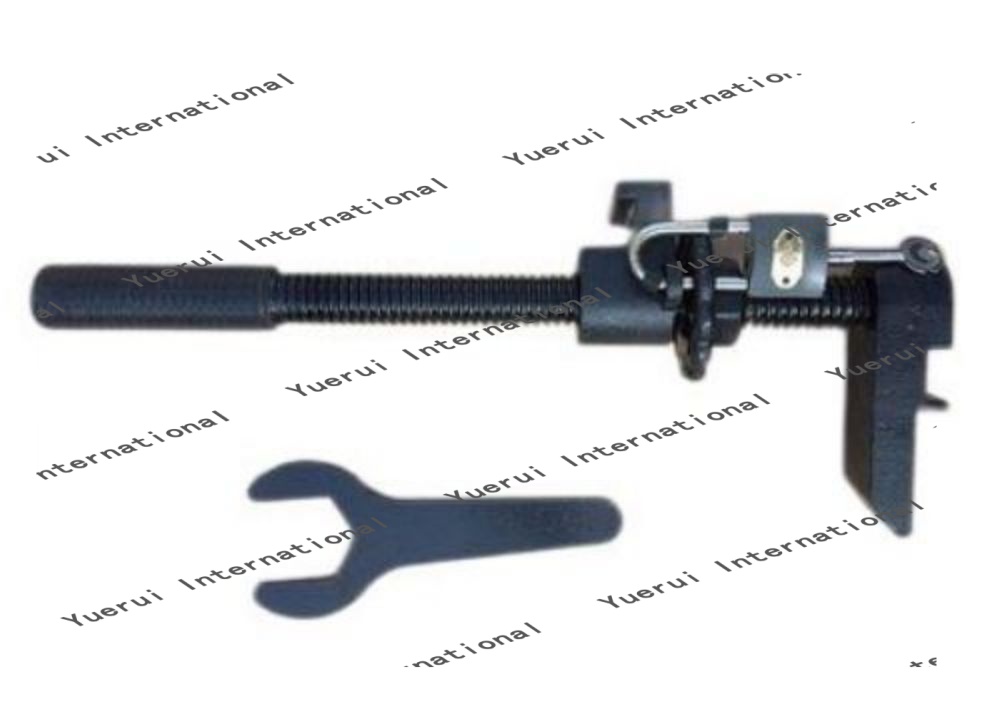
Maintenance and Inspection Equipment
Routine Maintenance Tools
Regular maintenance activities require comprehensive tool sets that address wear patterns, alignment issues, and component replacement needs throughout the railway system. Essential maintenance rail tools include rail saws, grinding equipment, surface preparation tools, and component replacement systems designed for field operations. These specialized tools enable maintenance teams to address common wear issues and extend track service life through proactive intervention.
Portable maintenance rail tools provide flexibility for addressing issues in remote locations where access limitations require compact and efficient equipment solutions. Modern maintenance systems incorporate battery power and wireless communication capabilities that enhance operational efficiency while maintaining safety standards during field operations.
Diagnostic and Testing Instruments
Comprehensive track inspection requires sophisticated diagnostic equipment that can detect potential issues before they impact operational safety or performance. Advanced inspection rail tools include ultrasonic testing equipment, rail profile measurement systems, and structural analysis instruments that provide detailed condition assessments. These precision rail tools enable maintenance teams to identify wear patterns, crack formation, and structural changes that require attention.
Digital diagnostic systems integrate data collection and analysis capabilities that support predictive maintenance strategies and long-term asset management programs. Modern inspection rail tools provide real-time condition monitoring and automated reporting features that enhance maintenance planning and resource allocation decisions.
Safety and Protection Equipment
Personal Protection Systems
Railway work environments present unique safety challenges that require specialized protection equipment designed specifically for track operations. Safety-focused rail tools include personal protective equipment, fall protection systems, and emergency response tools that ensure worker safety during all railway activities. These essential safety systems must meet stringent railway industry standards while providing practical functionality for daily operations.
Advanced safety rail tools incorporate communication systems and monitoring capabilities that provide real-time safety status updates and emergency response coordination. Integration of safety systems with operational rail tools creates comprehensive protection protocols that minimize risk exposure during all maintenance and construction activities.
Work Zone Protection
Effective work zone management requires specialized equipment that provides clear visibility and protection for maintenance crews working near active railway operations. Work zone protection rail tools include portable barriers, warning systems, and communication equipment that ensure safe separation between work activities and operational traffic. These critical safety tools must provide reliable protection while allowing efficient completion of maintenance tasks.
Modern work zone protection systems integrate advanced warning technologies and automated monitoring capabilities that enhance safety margins during all railway maintenance operations. Comprehensive protection protocols utilizing appropriate rail tools significantly reduce accident risks and improve overall operational safety standards.
Selection and Procurement Strategies
Quality Assessment Criteria
Selecting appropriate rail tools requires careful evaluation of performance specifications, durability characteristics, and compatibility with existing railway systems. Quality assessment should consider material specifications, manufacturing standards, and operational testing results that demonstrate long-term reliability under railway conditions. Professional procurement teams evaluate rail tools based on total cost of ownership calculations that include initial purchase price, maintenance requirements, and expected service life.
Comprehensive quality evaluation includes vendor certification verification, product testing documentation, and user feedback analysis that provides insight into real-world performance characteristics. Quality rail tools should meet or exceed industry standards while providing practical advantages that justify their investment costs over alternative options.
Operational Integration Considerations
Successful tool implementation requires careful consideration of operational workflows, training requirements, and system compatibility factors that affect overall productivity. Integration planning should evaluate how new rail tools will interface with existing equipment and procedures to ensure seamless adoption and maximum utilization. Effective integration strategies include comprehensive training programs and support systems that enable operators to maximize tool capabilities.
Long-term operational success depends on selecting rail tools that align with organizational capabilities and maintenance philosophies while providing flexibility for future system expansions. Strategic tool selection considers both immediate operational needs and long-term development plans that may influence equipment requirements and utilization patterns.
FAQ
What factors should be considered when selecting rail tools for track maintenance operations
Selection of rail tools for maintenance operations should prioritize compatibility with existing railway infrastructure, operator training requirements, and long-term reliability under demanding operational conditions. Key considerations include tool durability, manufacturer support availability, safety certification compliance, and total cost of ownership calculations that account for maintenance and replacement expenses over the expected service life.
How do modern rail tools improve maintenance efficiency compared to traditional equipment
Modern rail tools incorporate advanced materials, ergonomic designs, and digital integration capabilities that significantly enhance maintenance efficiency and accuracy. Contemporary equipment often provides automated measurement functions, real-time performance monitoring, and improved operator interfaces that reduce completion times while improving work quality. Advanced rail tools also typically offer better safety features and reduced physical demands on maintenance personnel.
What maintenance requirements apply to professional rail tools used in railway operations
Professional rail tools require regular inspection, calibration verification, and preventive maintenance according to manufacturer specifications and industry standards. Maintenance protocols should include cleaning procedures, lubrication schedules, component replacement intervals, and performance verification testing that ensures continued accuracy and reliability. Proper maintenance documentation supports warranty compliance and helps optimize tool performance throughout their operational lifespan.
How can organizations optimize their investment in rail tools while maintaining operational effectiveness
Organizations can optimize rail tool investments through comprehensive needs assessment, standardization of equipment selections, and development of comprehensive training programs that maximize utilization efficiency. Strategic approaches include bulk purchasing agreements, preventive maintenance programs, and performance monitoring systems that extend tool life while maintaining operational effectiveness. Regular evaluation of tool performance and operational requirements ensures that equipment selections continue to meet evolving organizational needs.
Table of Contents
- Track Installation Tool Categories
- Fastening and Connection Systems
- Maintenance and Inspection Equipment
- Safety and Protection Equipment
- Selection and Procurement Strategies
-
FAQ
- What factors should be considered when selecting rail tools for track maintenance operations
- How do modern rail tools improve maintenance efficiency compared to traditional equipment
- What maintenance requirements apply to professional rail tools used in railway operations
- How can organizations optimize their investment in rail tools while maintaining operational effectiveness