
 EN
EN
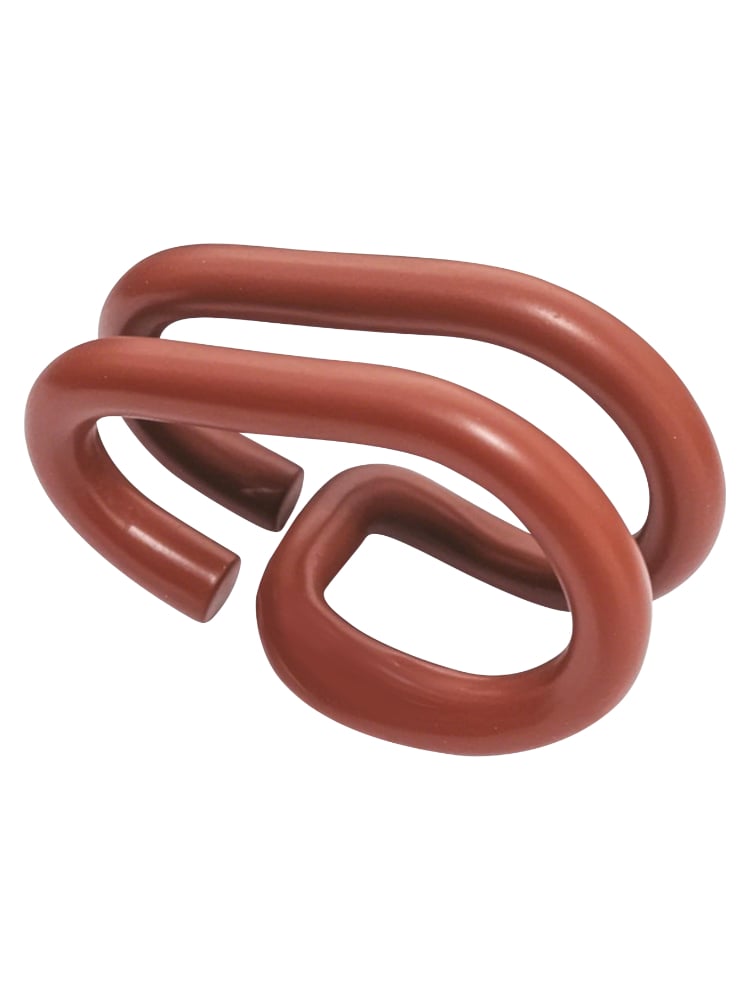
In the railway and industrial track engineering world, choosing the right fastening solution is not merely a technical preference — it is a decision that affects operational safety, maintenance efficiency, and long-term infrastructure costs. Among the many components used to secure rails to their supporting structures, rail clamps occupy a distinctly different functional category from permanent rail fastening components. Understanding this difference is essential for engineers, procurement specialists, and facility managers who need to specify the correct hardware for their application.
Rail clamps and permanent fastening components may appear to serve a similar purpose at first glance — they both secure rails in position — but they differ significantly in their design intent, installation method, load-bearing behavior, and suitability across different operational environments. This article explores those differences in depth, helping you make better-informed decisions when selecting fastening systems for rail infrastructure projects, industrial crane tracks, or specialized equipment installations.
The Core Design Philosophy Behind Rail Clamps
Removability as a Defining Feature
The most fundamental distinction that separates rail clamps from permanent fastening systems is the principle of removability. Rail clamps are engineered to grip and hold a rail firmly while allowing that grip to be released without damaging either the rail or the supporting structure. This design philosophy makes them the go-to solution in applications where the rail must occasionally be repositioned, replaced, or adjusted during the operational life of the installation.
In industrial crane systems, for example, crane rails must maintain precise alignment across long spans. Over time, thermal expansion, vibration, and load cycling can cause rails to migrate laterally or longitudinally. Rail clamps allow maintenance teams to periodically re-align the rail without the destructive intervention that permanent fastening systems would require. The ability to loosen, adjust, and re-torque these components without specialized tooling or structural rework is a major operational advantage.
This removability also extends to end-of-life scenarios. When a rail section wears out and needs replacement in a facility that uses rail clamps, the process is comparatively straightforward. Workers release the clamps, remove the worn rail, position the new one, and re-clamp. In contrast, permanent systems often require cutting, drilling, or chemical dissolution before rail replacement can begin.
Mechanical Clamping Mechanisms and Force Distribution
Rail clamps achieve their holding power through mechanical clamping force, typically generated by bolts tightened against a rail foot flange or a specially designed clamp body. The clamping force is directed laterally and vertically, resisting the forces that tend to lift or shift the rail during dynamic loading. This mechanism differs from permanent systems that rely on embedment, chemical bonding, or irreversible mechanical deformation to achieve fixation.
High-quality rail clamps are designed to distribute clamping force evenly across the rail foot. Uneven force concentration can cause localized stress on the rail, leading to premature fatigue or deformation. Engineers who specify rail clamps for heavy-duty crane rail applications pay close attention to the contact area geometry and the torque specifications that ensure optimal force distribution without rail damage.
The material composition of rail clamps also plays a role in force distribution. Forged steel clamps with precision machining offer more consistent contact geometry than cast alternatives, resulting in more predictable clamping behavior under repeated loading cycles. This level of engineering detail is a direct result of the fact that rail clamps must perform reliably under dynamic industrial conditions without the added security of permanent attachment.
What Permanent Rail Fastening Components Offer Instead
Structural Integration and Long-Term Stability
Permanent rail fastening components — which include systems like cast-in anchor bolts, welded rail clips, bonded sole plates, and chemically anchored fasteners — are designed with a different operational premise. Once installed, these systems are intended to remain in place for the designed service life of the rail, often measured in decades. Their value lies in structural integration: the fastening system becomes part of the track structure itself, contributing to overall stiffness and load distribution.
In heavy haul railway applications, permanent fastening systems are preferred because they provide consistent lateral and longitudinal restraint across enormous track lengths. The forces generated by heavily loaded freight trains are far beyond what reversible mechanical clamping could reliably resist without constant maintenance attention. Permanent systems eliminate the risk of clamp loosening due to vibration fatigue, which is a real concern in high-frequency rail environments.
Permanent systems also tend to offer better isolation from noise and vibration when elastomeric pads and bonding compounds are integrated into the fastening assembly. These acoustic and vibration-dampening properties are particularly important in urban transit applications where passenger comfort and noise regulations must be respected. Rail clamps, while they can incorporate resilient pads, typically do not achieve the same level of vibration isolation as fully bonded or embedded permanent systems.
Installation Commitment and Infrastructure Consequences
The defining practical limitation of permanent rail fastening components is precisely what gives them their structural advantage: the installation is essentially irreversible under normal field conditions. Removing a permanently fastened rail section typically requires significant effort — including grinding welds, drilling out anchors, or dissolving chemical bonds — and often results in damage to the support structure that requires repair before reinstallation.
This installation commitment makes permanent fastening systems an excellent choice for fixed infrastructure with long planned service intervals, but a poor choice for environments where operational flexibility is required. Facilities that regularly reconfigure their production floor layouts, for instance, would find permanent rail fastening systems an expensive limitation. In those contexts, rail clamps provide the operational agility that permanent systems cannot.
The decision between temporary and permanent fastening is therefore not simply a matter of technical capability — it is a strategic infrastructure decision that must account for anticipated operational changes over the life of the facility. Rail clamps preserve optionality; permanent systems optimize for stability and structural performance at the cost of that optionality.
Application Scenarios That Define the Difference
Industrial Overhead Crane Rails
Industrial overhead crane rails represent one of the most common and well-suited applications for rail clamps. In manufacturing facilities, warehouses, and steel plants, crane rails are installed on top of runway beams and must be securely restrained against lateral movement and uplift caused by crane travel loads and dynamic braking forces. Rail clamps are the preferred fastening method in these environments because they allow rail replacement, realignment, and adjustment without modifying the underlying beam structure.
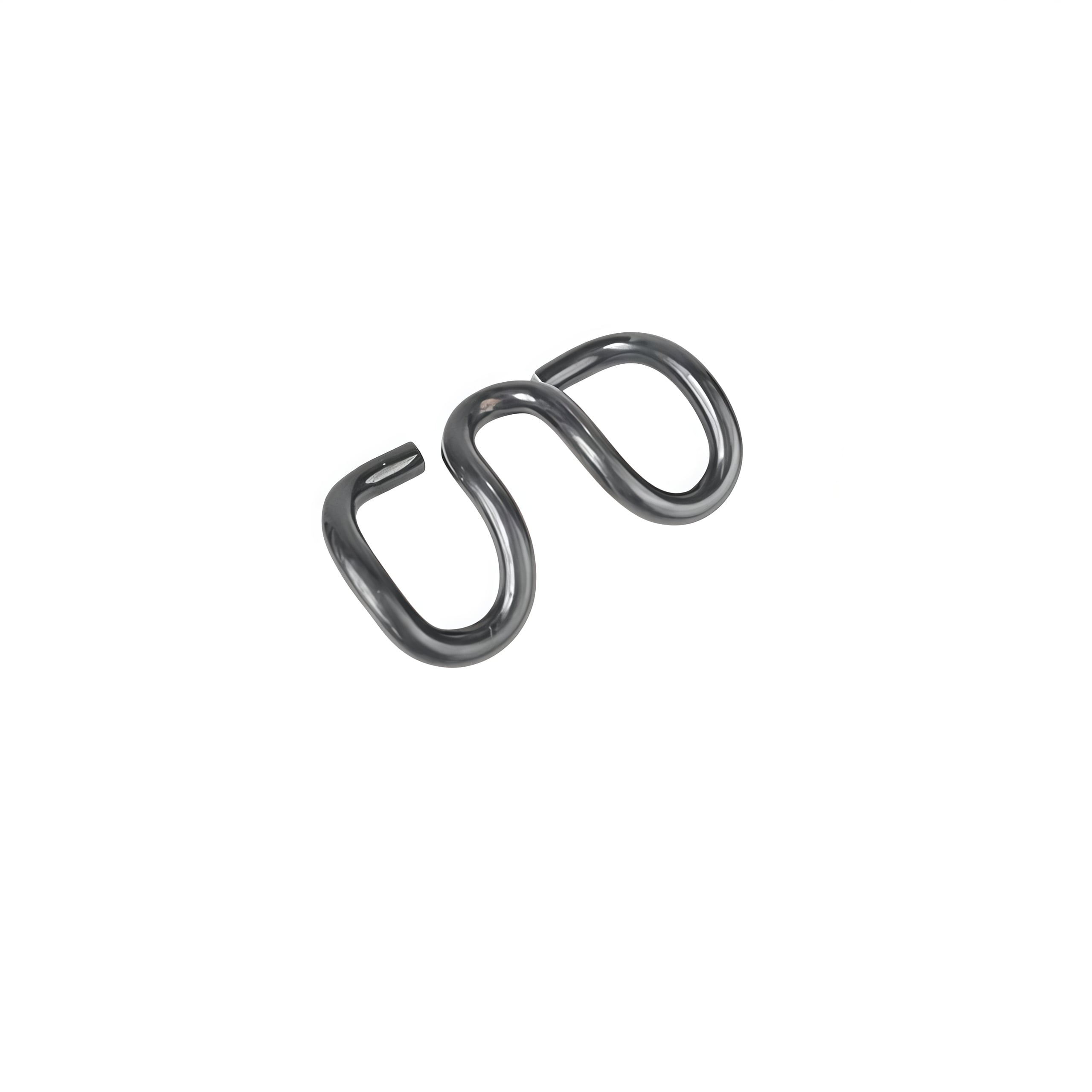
Rail clamps used for crane rail applications are typically designed to accommodate the rail foot width of specific rail profiles — such as A-series, DIN, or ASCE rail standards — and are torqued to specific values that ensure adequate clamping force without rail deformation. The use of hardened steel clamp bodies and high-strength fasteners ensures that rail clamps can sustain repeated crane loading cycles without fatigue failure or loosening.
In contrast, using permanent fastening methods on crane rails would make routine rail maintenance prohibitively expensive. Crane rails do wear over time, especially in high-cycle applications, and the ability to replace individual sections using rail clamps rather than undertaking a complete structural renovation is a significant operational and economic advantage that facility engineers and maintenance managers consistently value.
Fixed Railway Infrastructure and Permanent Track Beds
Fixed railway infrastructure — including mainline freight railways, urban metro systems, and high-speed rail corridors — represents the domain where permanent rail fastening components clearly outperform rail clamps. In these applications, rails are subjected to continuous high-frequency loading from passing trains, and the fastening system must maintain precise track geometry under those loads without requiring frequent human intervention.
Elastic rail clips, for example, are a common form of permanent fastening used in modern railway track systems. These spring-steel components are pressed onto the rail foot and bearing plate in a manner that provides both mechanical restraint and a degree of elasticity that accommodates rail creep and thermal movement. Unlike rail clamps, elastic rail clips do not rely on bolt torque and therefore do not suffer from torque relaxation over time.
The suitability of permanent fastening systems for fixed railway applications is further reinforced by the regulatory and safety frameworks governing public railway infrastructure. Track inspection and maintenance protocols in these environments are structured around the assumption of permanent, consistent fastening behavior. Rail clamps, with their requirement for periodic torque verification, would introduce a maintenance variable that is difficult to manage at the scale of a national railway network.
Maintenance Implications and Total Cost of Ownership
Ongoing Maintenance Demands of Rail Clamps
One of the practical realities of working with rail clamps is that their removability comes with a corresponding maintenance responsibility. Because rail clamps rely on bolt tension to maintain clamping force, they are susceptible to torque relaxation over time — particularly in environments with high vibration, thermal cycling, or heavy dynamic loads. Maintenance programs for rail clamp installations must therefore include regular inspection and re-torquing intervals to ensure that clamping force remains within specification.
Facilities that use rail clamps typically develop torque verification schedules that are integrated into their broader preventive maintenance programs. The frequency of these checks depends on the severity of the operating environment, with high-cycle crane rail applications requiring more frequent attention than light-duty track installations. When rail clamps are properly maintained, they provide reliable and predictable performance over long service periods.
The maintenance cost associated with periodic torque verification and occasional clamp replacement must be weighed against the savings achieved through easier rail replacement and realignment. In most industrial applications, this trade-off strongly favors rail clamps over permanent fastening systems, particularly in facilities where crane rail maintenance is already part of the established maintenance workflow.
Total Cost Perspective Across Service Life
When evaluating the total cost of ownership, rail clamps and permanent rail fastening components occupy different cost profiles. Rail clamps generally have lower initial installation costs, require no specialized installation equipment, and can be reused when rails are replaced — reducing the material cost of future maintenance events. Their total cost advantage is most pronounced in applications with relatively frequent rail maintenance requirements.
Permanent fastening systems tend to have higher initial installation costs due to the complexity of the fastening assembly and the labor involved in properly bonding, casting, or embedding the fasteners. However, their lower ongoing maintenance demands can make them cost-competitive over the very long term in applications where the rail installation is essentially static. For fixed railway infrastructure, the reduced maintenance frequency justifies the higher initial investment.
A realistic total cost comparison between rail clamps and permanent fastening systems must account for the specific application, the expected frequency of rail maintenance events, labor costs in the relevant market, and the cost of production downtime during maintenance. No single answer applies universally — the optimal choice depends on the operational context in which the fastening system will be used.
FAQ
Can rail clamps be used as a temporary solution before permanent fastening is installed?
Yes, rail clamps are sometimes used as temporary fastening during construction phases or while permanent fastening infrastructure is being prepared. However, it is important to verify that the rail clamps used in this manner meet the load requirements of the application, as they must still provide adequate safety restraint even in a temporary role. Using undersized or incorrectly torqued rail clamps as temporary fastening can create safety risks that are not immediately visible.
Are rail clamps suitable for high-speed railway applications?
Rail clamps are generally not recommended for high-speed passenger railway applications, where permanent elastic fastening systems are the industry standard. The high-frequency dynamic loads generated by high-speed trains, combined with stringent track geometry requirements, make permanent fastening systems the preferred choice. Rail clamps are better suited to industrial crane rails and lower-speed track installations where their flexibility and ease of maintenance are decisive advantages.
How do I know whether rail clamps or permanent fastening components are right for my project?
The key decision criteria include the frequency of expected rail maintenance or replacement, the dynamic load characteristics of the application, and whether operational flexibility is required. If your rail installation will remain essentially unchanged for decades and carries high dynamic loads, permanent fastening is likely the better choice. If your application involves an industrial crane runway, a facility with changing layouts, or rail that will need periodic replacement, rail clamps offer significant operational and economic advantages.
Do rail clamps require special tools for installation?
Rail clamps are generally designed to be installed with standard industrial torque wrenches and basic hand tools, making them accessible to maintenance teams without specialized equipment. However, proper torque application is critical to achieving the correct clamping force — undertorquing can allow rail movement, while overtorquing can damage the rail foot or clamp body. Following the manufacturer's specified torque values and using calibrated torque wrenches is essential for safe and effective rail clamp installation.