
 EN
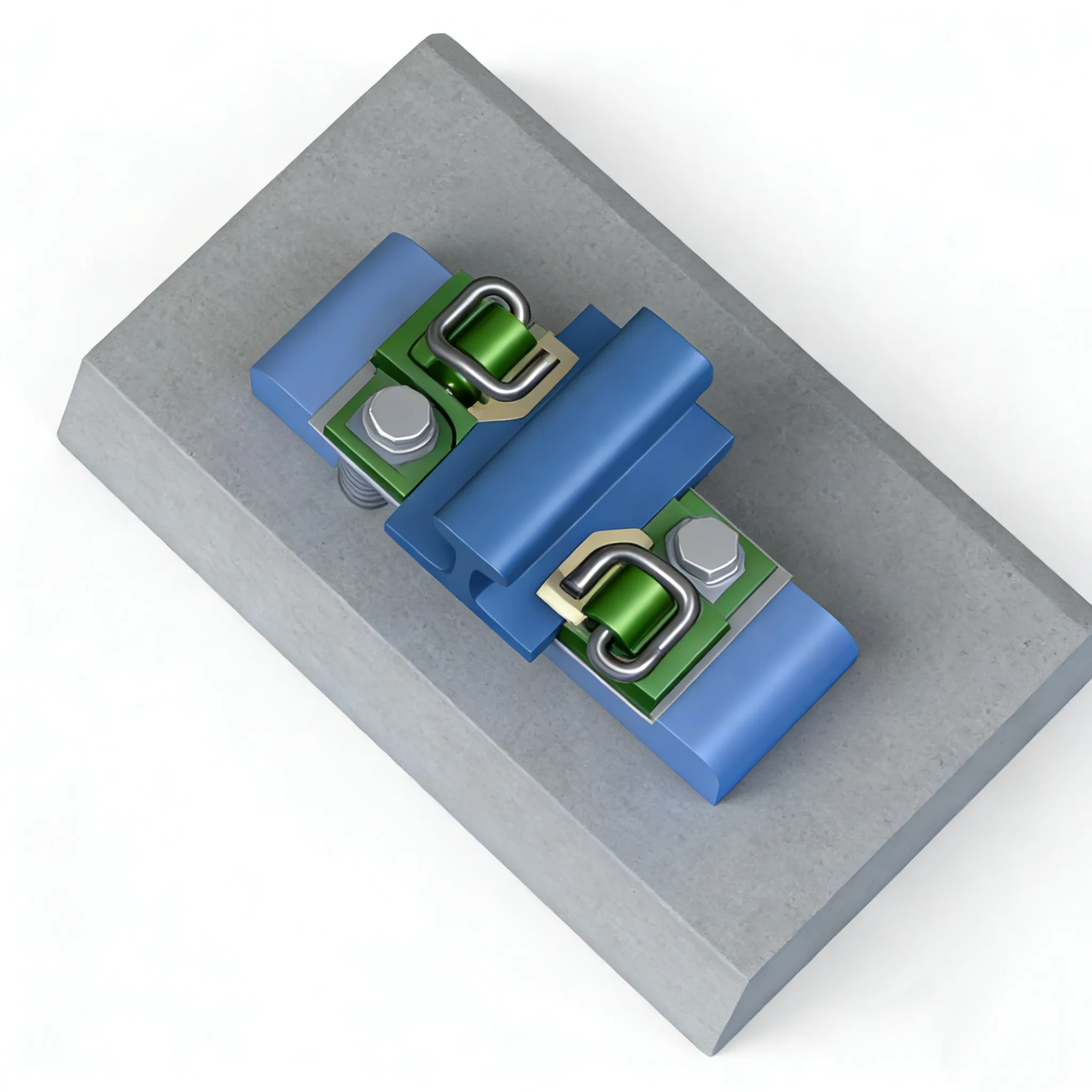
Rail infrastructure demands specialized solutions tailored to each transportation mode. Metro systems, freight networks, and high-speed rail each require distinct rail support approaches that address their unique operational demands, safety requirements, and environmental conditions. Understanding how rail support varies across these three critical sectors is essential for engineers, infrastructure planners, and procurement teams responsible for maintaining reliable and safe rail networks worldwide.
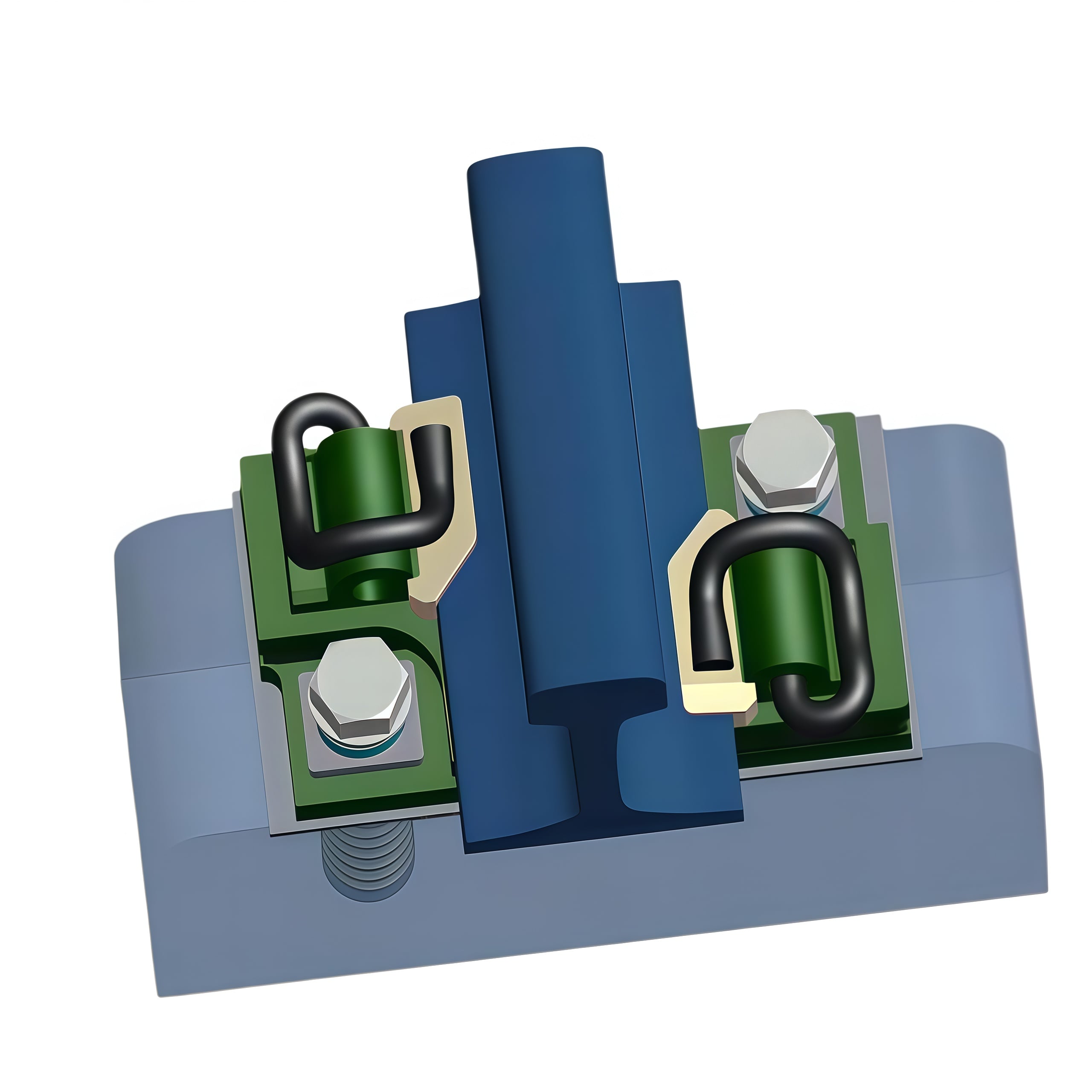
Each rail support system must balance durability, cost-effectiveness, and operational efficiency while meeting strict regulatory and performance standards. The variations in rail support design reflect fundamental differences in train weight, speed, acceleration patterns, vibration profiles, and track geometry. By examining how rail support solutions adapt to metro, freight, and high-speed rail contexts, stakeholders can make informed decisions about infrastructure investment and maintenance strategies.
Rail Support for Metro Systems
Urban Density and Rapid Acceleration Demands
Metro rail support systems operate under fundamentally different constraints than long-distance rail networks. Urban transit requires frequent acceleration and deceleration cycles as trains move between closely spaced stations. This operational pattern places unique stresses on rail support infrastructure, demanding solutions that absorb dynamic forces while maintaining alignment precision. Rail support components in metro environments must withstand millions of duty cycles annually while isolating vibration and noise that could disturb urban residents living near transit corridors.
The rail support design for metro applications emphasizes elasticity and damping characteristics that reduce structure-borne noise transmission to tunnel walls and surrounding buildings. Metro rail support often incorporates resilient materials and specialized fastening systems designed to manage the repetitive, high-frequency vibrations generated by frequent stopping and starting. These rail support solutions must also accommodate the compact track geometry typical of urban systems while providing sufficient stiffness to prevent excessive rail deflection during peak service hours.
Safety and Passenger Comfort Considerations
Passenger safety and comfort are paramount in metro environments, influencing every aspect of rail support design. Rail support systems must ensure stable, smooth train operation that minimizes lateral and vertical acceleration felt by passengers. The rail support infrastructure must prevent track buckling, excessive rail wear, and sudden misalignment that could compromise safety during high-capacity service periods. Advanced rail support solutions incorporate redundancy and fail-safe characteristics that detect deterioration before critical safety thresholds are reached.
Modern metro rail support includes condition monitoring capabilities that track fastener tension, elastic pad degradation, and track geometry parameters in real time. This proactive approach to rail support maintenance extends infrastructure lifespan while preventing unexpected failures that could disrupt daily service for millions of commuters. The rail support systems deployed in metro networks represent a critical investment in urban mobility and public safety.
Rail Support for Freight Operations
Heavy Load and Extended Distance Challenges
Freight rail support systems confront fundamentally different operational conditions compared to metro infrastructure. Freight trains operate across extensive geographic distances, exposing rail support structures to diverse environmental conditions including temperature extremes, moisture variations, and weather-related stresses. The enormous static and dynamic loads imposed by fully laden freight trains—often exceeding 120 tons per axle—create unprecedented demands on rail support components, requiring robust designs that maintain structural integrity across years of continuous operation.
Rail support for freight applications must prioritize load-bearing capacity and long-term durability over noise isolation. The rail support design emphasizes solid bearing surfaces, durable fastening systems, and materials resistant to corrosion and wear. Freight rail support typically incorporates concrete sleepers or steel crossties with heavy-duty fasteners capable of sustaining the enormous compressive and shear forces generated by multi-ton locomotives and loaded freight cars. The rail support infrastructure must also accommodate the lower operational speeds and extended braking distances characteristic of freight operations.
Maintenance and Cost Efficiency
Long-term cost-effectiveness drives rail support decisions in freight networks where infrastructure extends across vast territories. Rail support systems for freight must balance initial capital investment against maintenance and replacement expenses over 20 to 40-year service cycles. The rail support design must withstand environmental corrosion, thermal cycling, and accumulated fatigue damage while remaining accessible for inspection and maintenance in remote locations where replacement resources may be limited.
Rail support components in freight applications often incorporate design features that simplify field maintenance and allow for incremental upgrades without complete track replacement. Modular rail support systems enable operators to replace individual fasteners, elastic pads, or bearing plates without disrupting the entire line. The rail support infrastructure in freight networks must also accommodate variable loading patterns, seasonal variations in train composition, and periodic surges in traffic during peak shipping seasons.
Rail Support for High-Speed Rail
Precision Alignment and Dynamic Stability
High-speed rail support systems represent the most demanding application of rail support technology. Train speeds exceeding 200 kilometers per hour generate aerodynamic forces, wheel unloading phenomena, and dynamic interactions that require exceptional precision in track geometry and rail support alignment. The rail support infrastructure for high-speed rail must maintain track tolerances measured in millimeters over long distances, ensuring passenger safety and operational efficiency at extreme speeds. Rail support solutions in this sector incorporate advanced materials, sophisticated fastening systems, and continuous monitoring technologies to detect any deviation from design specifications.
The rail support design for high-speed applications emphasizes vertical and lateral stiffness to prevent track buckling, vertical movement, and gauge-face contact stress. Rail support systems must control vibration transmission that could compromise ride quality and damage rolling stock components operating at maximum velocity. The rail support infrastructure incorporates continuous welded rail, specialized elastic pads, and tuned damping systems that optimize dynamic response across the entire operating speed range. These advanced rail support solutions require continuous investment in technological innovation and performance validation.
Environmental and Regulatory Compliance
High-speed rail support systems must satisfy stringent environmental and regulatory requirements that govern noise emissions, vibration transmission, and structural safety. Rail support design must minimize airborne and structure-borne noise that could exceed international standards in populated areas near high-speed corridors. The rail support infrastructure must also prevent resonance phenomena that could amplify vibrations at specific train speeds, requiring sophisticated analysis and tuning during the design phase. Regulatory compliance demands comprehensive documentation of rail support performance characteristics, maintenance protocols, and safety validation procedures.
Rail support systems for high-speed rail incorporate smart monitoring technologies that track fastener preload, elastic pad stiffness, rail temperature stress, and dynamic track response continuously. The rail support data collected through these systems informs predictive maintenance programs that prevent failures before they compromise safety or service reliability. Investment in advanced rail support technology reflects the critical importance of high-speed rail infrastructure in modern transportation networks.
FAQ
What are the key differences between rail support systems?
Rail support systems vary primarily in load capacity, vibration isolation characteristics, durability requirements, and operational environment. Metro rail support prioritizes noise reduction and passenger comfort, freight rail support emphasizes heavy-load capacity and long-term durability, while high-speed rail support demands precision alignment and dynamic stability. Each rail support design reflects the specific operational demands, environmental conditions, and safety requirements of its intended transportation mode.
How often should rail support components be inspected and maintained?
Inspection frequency for rail support systems depends on traffic volume, operational speed, environmental conditions, and component age. Metro rail support typically requires quarterly to semi-annual inspections, freight rail support systems need annual assessments, and high-speed rail support infrastructure may require continuous electronic monitoring with periodic physical inspections. Proactive rail support maintenance extends infrastructure lifespan and prevents costly failures that disrupt service and compromise safety.
Why does rail support design vary between transportation modes?
Rail support design adapts to specific operational requirements because metro, freight, and high-speed rail systems generate different types and magnitudes of forces on track infrastructure. Metro rail support must manage frequent acceleration cycles and vibration isolation, freight rail support must withstand enormous static loads, and high-speed rail support must maintain precision geometry at extreme velocities. These distinct operational profiles make rail support standardization across modes impractical and inefficient.