
 EN
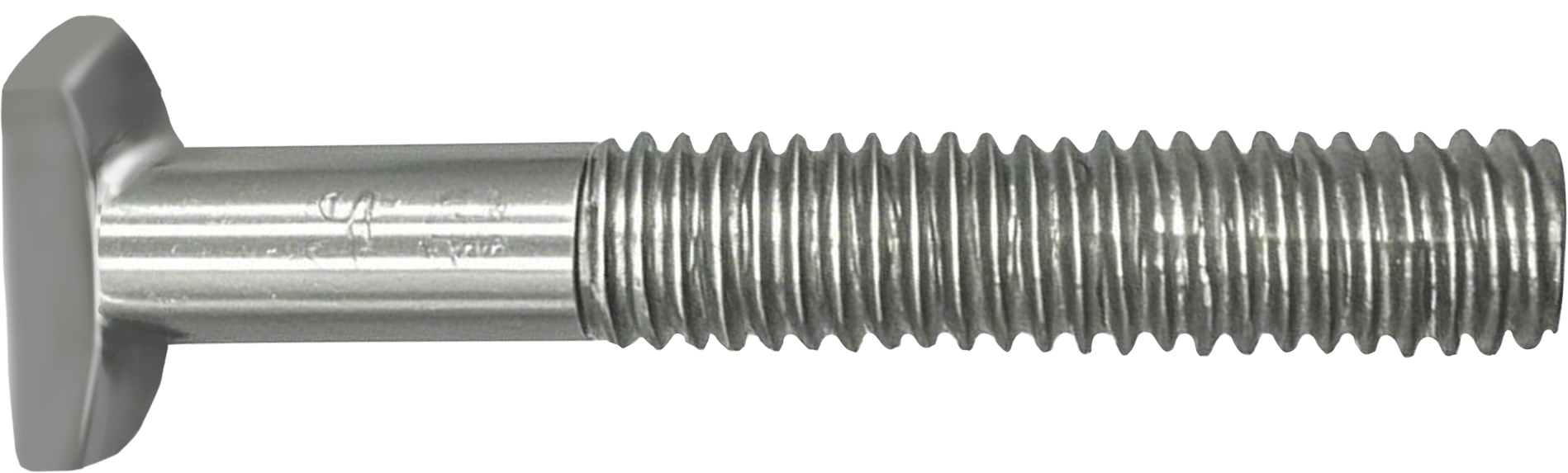
A railroad track bolt is a specialized fastening component engineered to secure rail components together within modern rail transportation infrastructure. The railroad track bolt plays an essential role in maintaining the structural integrity of railway systems by connecting rail sections, fastening plates, and supporting hardware. Understanding the function of a railroad track bolt is critical for rail engineers, maintenance crews, and procurement specialists who rely on these components to ensure safe, reliable train operations across all rail networks.
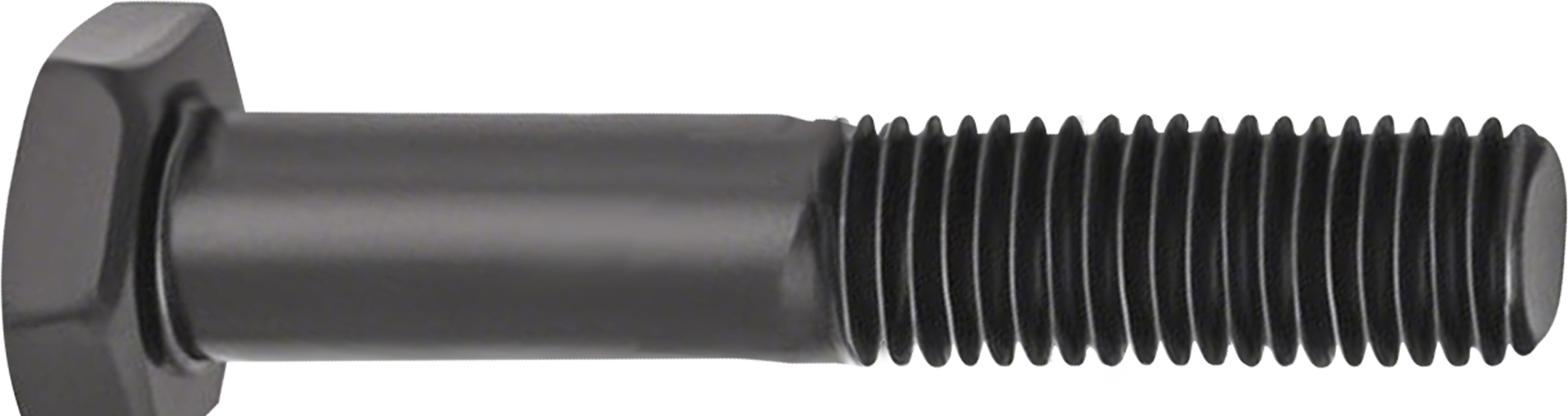
The primary purpose of a railroad track bolt is to provide permanent, load-bearing connections that withstand extreme operational stresses, thermal variations, and repetitive cycling forces inherent in rail transportation. Every railroad track bolt must meet rigorous industry standards and specifications to guarantee performance consistency across diverse geographic and climate conditions. This article explores the core fastening functions, engineering characteristics, and practical applications of the railroad track bolt in rail infrastructure systems.
Core Fastening Function of Railroad Track Bolts
Primary Load-Bearing Role
The railroad track bolt functions as the principal mechanical connector that joins rail sections end-to-end, creating continuous rail lines capable of supporting train weight and traction forces. Each railroad track bolt must distribute compressive and tensile loads uniformly across connection points without deformation or failure. The railroad track bolt achieves this through precision engineering, high-strength steel materials, and carefully calculated thread geometry that maximizes clamping force while preventing loosening under vibration and dynamic loading conditions.
A railroad track bolt connects rail sections through specialized splice plates or joint bars, which are metal plates positioned on either side of the rail ends. The railroad track bolt passes through holes drilled into both the rail ends and splice plates, creating a rigid assembly that maintains rail alignment and longitudinal continuity. This connection method ensures that railroad track bolt assemblies can safely transmit dynamic forces generated by accelerating, braking, and cornering trains without compromising structural stability.
Stress Distribution and Joint Integrity
Railroad track bolts distribute mechanical stresses across a broader surface area than the rail sections themselves, preventing localized stress concentrations that could lead to premature wear or catastrophic failure. The railroad track bolt, combined with its splice plate assembly, creates a composite joint that exhibits uniform load transmission characteristics essential for rail longevity. Engineers design the railroad track bolt with specific preload tensions that maintain consistent clamping force throughout the rail system's operational lifespan, resisting the relaxation that typically occurs in fastening systems exposed to thermal cycling and vibration.
Proper railroad track bolt preload establishes a compression state within the rail joint that prevents separation, relative motion, or rocking of components during train passage. This preload mechanism ensures that the railroad track bolt maintains its fastening integrity even when subjected to bending moments, lateral forces, and torsional stresses that develop during normal rail operations. Without adequate preload management in the railroad track bolt assembly, rail joints would experience micro-motion, leading to fretting corrosion, bolt loosening, and eventual component failure.
Engineering Specifications and Material Selection
Industry Standards and Dimensional Requirements
Railroad track bolts conform to specific dimensional and material standards established by rail industry organizations to ensure interchangeability and reliable performance across all rail networks and applications. The railroad track bolt dimensions are precisely specified to fit standard rail joint configurations, with common sizes including 2.5-inch diameter bolts with half-inch UNC threading for heavy rail applications. These standards ensure that replacement railroad track bolts can be installed without modification to existing rail infrastructure, reducing maintenance costs and operational disruptions.
The railroad track bolt must meet tensile strength requirements typically ranging from 120,000 to 150,000 pounds per square inch, depending on application classification and regional rail operating standards. A railroad track bolt engineered to these specifications delivers consistent performance across temperature ranges from minus 40 degrees Fahrenheit to plus 120 degrees Fahrenheit, accommodating seasonal variations and geographic climate diversity. The railroad track bolt thread design incorporates anti-loosening features such as fine-pitch threads or nylon inserts that prevent fastener relaxation caused by repetitive vibration and thermal cycling inherent in rail environments.
Material Composition and Corrosion Resistance
Railroad track bolts are predominantly manufactured from alloy steel grades that provide exceptional strength, durability, and corrosion resistance required for outdoor rail infrastructure exposed to moisture, road salts, and atmospheric pollutants. The railroad track bolt material composition often includes molybdenum, chromium, and vanadium alloying elements that enhance tensile strength, fatigue resistance, and long-term reliability under cyclic loading. Many railroad track bolt applications utilize galvanized or weathering steel finishes that provide extended service life in corrosive environments, reducing maintenance requirements and extending bolt replacement intervals.
A railroad track bolt with appropriate protective coatings resists rust formation and corrosion degradation that would compromise clamping force and structural integrity over time. The railroad track bolt's material selection balances mechanical properties with environmental resistance, ensuring that fasteners maintain consistent performance throughout their expected service life of fifteen to twenty-five years depending on operating conditions and maintenance protocols. Premium railroad track bolt formulations incorporate micro-alloying elements that further enhance fatigue strength, allowing these fasteners to withstand millions of load cycles without fracture or permanent deformation.
Installation, Maintenance, and Operational Considerations
Proper Installation Methodology
Installing a railroad track bolt requires precision torque application to establish the correct preload tension that maintains joint integrity throughout the rail system's operational life. Maintenance technicians must apply torque values specifically calibrated for the railroad track bolt size, material grade, and lubrication condition to avoid under-tightening that permits loosening or over-tightening that causes fastener fracture. The railroad track bolt installation process involves sequential tightening patterns across multiple bolts at each joint location, ensuring uniform stress distribution and preventing eccentric loading that compromises connection reliability.
A railroad track bolt requires calibrated installation tools including properly maintained torque wrenches, impact guns with preset tension settings, or hydraulic tensioning devices capable of delivering precise fastening forces. The railroad track bolt should never be installed using makeshift methods or estimation-based tightening, as inconsistent preload compromises safety and accelerates component wear. Professional rail maintenance crews follow standardized procedures for railroad track bolt installation, including bolt hole inspection, surface preparation, and lubrication application that optimize fastener performance and prevent premature failures.
Long-Term Maintenance and Replacement Strategies
Regular inspection of railroad track bolt assemblies is essential for identifying loosening, corrosion, or damage that could compromise rail structural integrity and train safety. Maintenance schedules require periodic verification that railroad track bolt preload remains within acceptable ranges, with many rail operators implementing ultrasonic tension measurement or visual inspection protocols to assess fastener condition. A railroad track bolt that exhibits loosening should be re-torqued immediately to restore proper clamping force and prevent further component degradation.
Railroad track bolt replacement becomes necessary when fasteners exhibit cracking, severe corrosion, or deformation that prevents adequate clamping force restoration through conventional tightening procedures. The railroad track bolt replacement process involves carefully removing failed fasteners without damaging existing rail infrastructure, then installing new bolts using proper installation techniques and torque specifications. Bulk replacement programs periodically remove and refurbish entire railroad track bolt assemblies at scheduled intervals, ensuring that aging fasteners are replaced before failure risks increase significantly.
FAQ
What specific function does a railroad track bolt perform in rail infrastructure?
A railroad track bolt functions as the primary mechanical fastener that connects rail sections end-to-end through splice plate assemblies, creating continuous rail lines capable of supporting train weight, traction forces, and dynamic stresses. The railroad track bolt distributes loading uniformly across connection points, maintains rail alignment, and provides the rigidity necessary for safe train operations. Without properly functioning railroad track bolts, individual rail sections would separate, causing derailments and catastrophic safety failures.
How do engineers ensure that a railroad track bolt maintains adequate fastening force over extended periods?
Engineers design the railroad track bolt with specific preload tension requirements and anti-loosening features such as fine-pitch threads or nylon inserts that resist relaxation caused by vibration and thermal cycling. The railroad track bolt material composition includes alloy steel grades with enhanced fatigue resistance, and proper installation using calibrated torque application establishes the correct clamping force. Regular maintenance inspections verify that railroad track bolt preload remains within acceptable ranges, with re-torquing performed when loosening is detected.
What material specifications are essential for a reliable railroad track bolt?
A railroad track bolt must meet tensile strength requirements of 120,000 to 150,000 pounds per square inch and be manufactured from alloy steel containing molybdenum, chromium, and vanadium for exceptional strength and corrosion resistance. The railroad track bolt requires protective coatings such as galvanizing or weathering steel finishes to resist rust and corrosion in outdoor rail environments. These material specifications ensure that the railroad track bolt maintains consistent performance across temperature variations and provides extended service life of fifteen to twenty-five years in typical rail applications.