
 EN
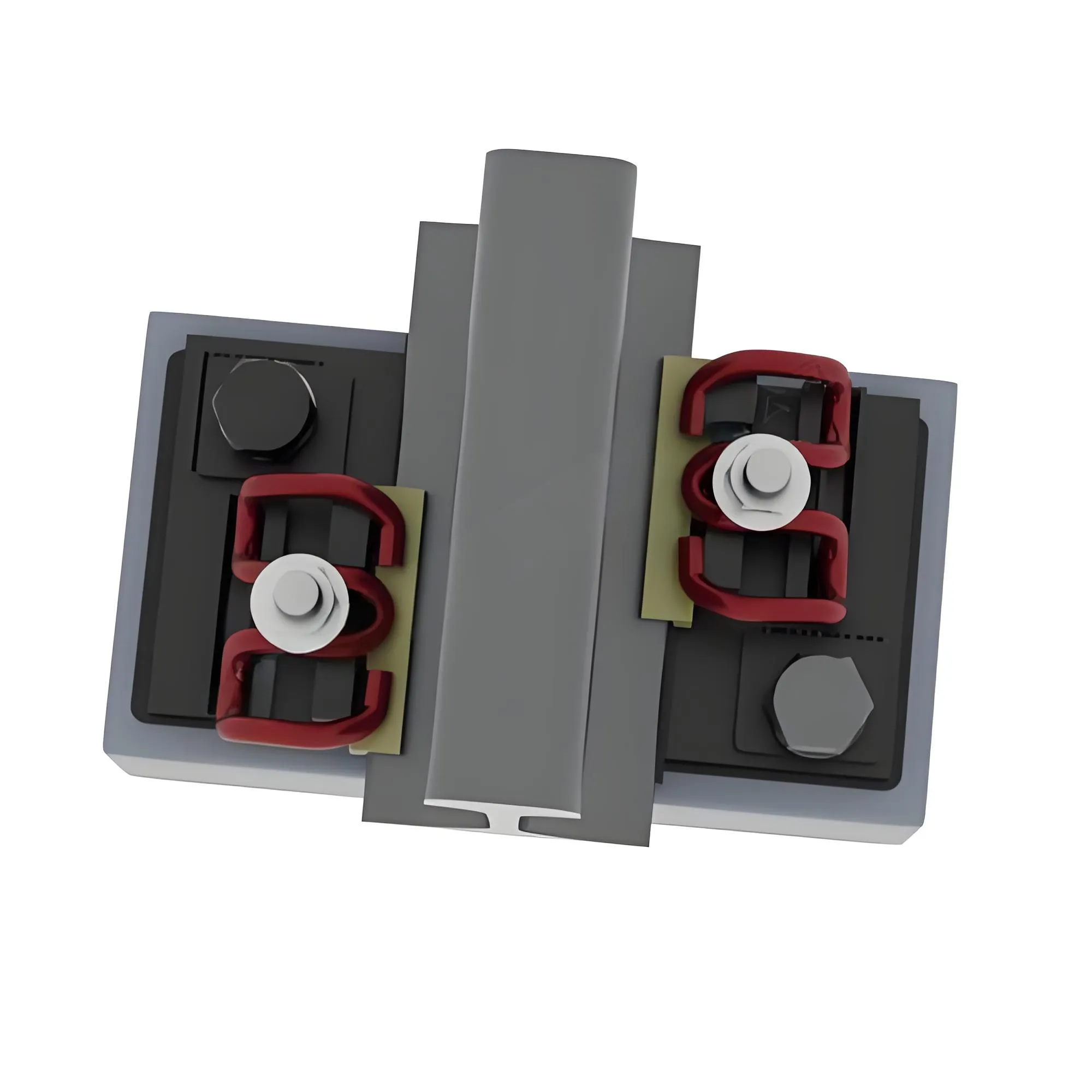
Sourcing rail accessories in bulk requires strategic planning and careful evaluation of multiple factors that directly impact project timelines, budgets, and operational performance. Whether you are managing infrastructure development, industrial facility upgrades, or transportation system maintenance, the decisions you make when selecting rail accessories will influence both immediate costs and long-term asset reliability. Bulk purchasing presents unique opportunities for cost optimization and supply chain efficiency, but it also demands a deeper understanding of quality standards, supplier capabilities, and technical specifications.
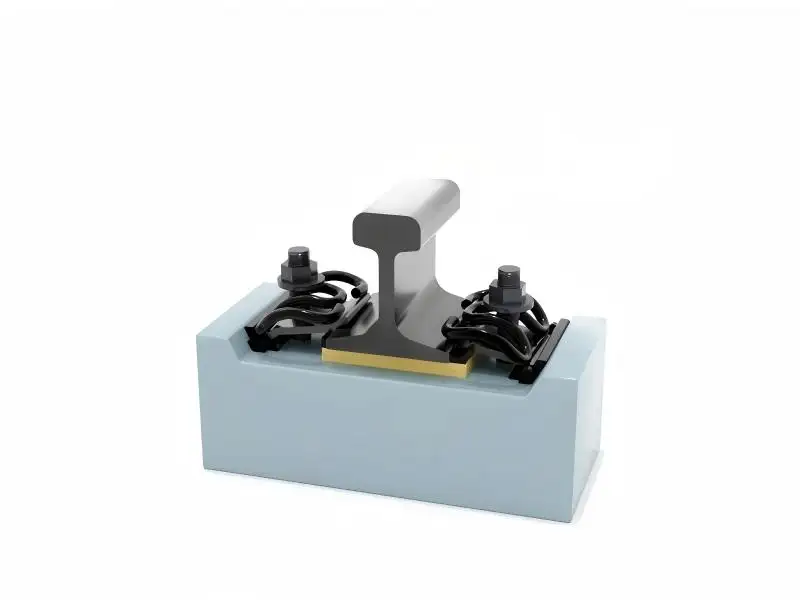
The process of sourcing rail accessories in bulk differs fundamentally from standard procurement because volume commitments create leverage opportunities, longer lead times, and higher stakes if specifications are misaligned or quality issues emerge. Understanding the full scope of considerations—from material composition and load-bearing capacity to delivery logistics and regulatory compliance—ensures that your bulk rail accessories order meets performance expectations and protects your investment across the project lifecycle.
Quality Standards and Material Specifications
Determining the Right Grade and Composition
When sourcing rail accessories in bulk, material quality directly determines system safety, longevity, and maintenance frequency. Rail accessories must meet industry-recognized standards such as ASTM, ISO, or EN specifications depending on your geographic location and application. The grade of steel, fastener type, and corrosion resistance properties vary significantly across suppliers, and bulk orders lock you into a specific material profile for extended periods. Verify that your selected rail accessories contain the appropriate alloy composition for your climate conditions—coastal environments, for example, demand higher corrosion resistance than inland industrial facilities.
Testing Certifications and Documentation
Reputable suppliers of rail accessories provide third-party testing certifications and material documentation for every bulk shipment. Before committing to large-volume rail accessories orders, request mill certificates, tension test reports, and compliance documentation that prove adherence to your specified standards. This documentation becomes essential if performance issues arise later or if regulatory audits are required. Rail accessories sourced without proper certification create liability exposure and can result in costly project delays if materials fail inspection during installation phases.
Supplier Reliability and Delivery Capacity
Assessing Production Capabilities and Lead Times
Bulk rail accessories orders require suppliers with proven production capacity and realistic delivery commitments. Large orders for rail accessories cannot be fulfilled by small-scale manufacturers with limited equipment or inventory—you need suppliers with manufacturing infrastructure, quality control processes, and supply chain visibility. Request detailed information about the supplier's current production schedule, typical lead times for rail accessories of your specification, and contingency plans for unexpected delays. Underestimating lead times when sourcing rail accessories in bulk often becomes a critical path bottleneck that delays entire projects.
Supply Chain Transparency and Risk Management
When placing bulk orders for rail accessories, understand where raw materials originate, how quality is monitored throughout production, and what contingencies exist for supply disruptions. Suppliers of rail accessories should provide visibility into their supply chain, explain their quality control checkpoints, and clarify what happens if defects are discovered during bulk shipment inspection. This transparency reduces risk and allows you to make informed decisions about supplier partnerships for rail accessories sourcing across multiple projects or extended time periods.
Pricing Strategy and Total Cost of Ownership
Volume Discounts and Cost Negotiation
Bulk purchasing of rail accessories typically offers per-unit price reductions, but effective negotiations require understanding the cost structure for rail accessories production. Suppliers face varying costs for raw materials, labor, manufacturing overhead, and logistics, so price quotes for rail accessories can vary significantly based on order timing, payment terms, and delivery location. Request pricing breakdowns for rail accessories at different volume thresholds to identify the optimal order quantity—sometimes sourcing rail accessories at slightly lower volumes proves more cost-effective when factoring in storage, financing, and inventory carrying costs.
Hidden Costs and Long-Term Value Assessment
When evaluating quotes for sourcing rail accessories in bulk, calculate total cost of ownership including transportation, import tariffs, inspection labor, storage facilities, and insurance coverage. Cheaper rail accessories may require more frequent replacement due to premature corrosion or mechanical failure, negating initial savings over the project lifespan. Compare not just the unit price of rail accessories but also warranty terms, technical support, and replacement policies—these factors significantly impact long-term project economics and operational efficiency when sourcing rail accessories at scale.
Technical Specifications and Application Fit
Load Requirements and Environmental Conditions
Rail accessories must be engineered for specific load profiles, environmental exposures, and operational demands of your application. When sourcing rail accessories in bulk, verify that fastening systems, brackets, and connectors are rated for your maximum anticipated loads and dynamic stress conditions. Environmental factors such as temperature cycling, moisture exposure, chemical contact, and vibration frequency affect the performance of rail accessories—bulk orders should specify rails accessories rated for these exact conditions rather than generic specifications that may underperform in demanding environments.
Compatibility and Installation Complexity
Rail accessories must integrate seamlessly with your existing infrastructure and installation procedures. Before sourcing rail accessories in bulk, confirm that fastening systems, rail gauges, and connection methods align with your project design and installation contractor capabilities. Incompatible rail accessories can require expensive design modifications, labor rework, or partial project delays if integration issues emerge during installation phases. Request detailed technical drawings and compatibility assessments from suppliers when sourcing rail accessories to ensure that bulk orders deliver components that install correctly and perform as designed.
FAQ
What are the most important quality standards for sourcing rail accessories?
The most critical standards for sourcing rail accessories include ASTM A37 or A484 for steel composition, ISO 898 for fastener specifications, and EN 13674 for rail profile dimensions. When sourcing rail accessories in bulk, confirm that suppliers provide third-party testing certifications proving compliance with these standards and that materials meet your specific load, corrosion resistance, and environmental performance requirements for your application.
How far in advance should I plan bulk rail accessories orders?
Planning for sourcing rail accessories in bulk should begin 4 to 6 months before the installation start date to allow time for supplier qualification, design validation, lead time accommodation, and quality inspections. Larger volumes of rail accessories or customized specifications may require 6 to 9 months of advance planning, especially if international sourcing is involved. This timeline ensures that rail accessories arrive on schedule without rushed production or premium expediting fees.
What should I do if rail accessories arrive with quality defects in a bulk order?
Upon discovering defects when sourcing rail accessories in bulk, document the issue with photographic evidence, reference the defect against your original specifications and purchase agreement, and notify the supplier immediately. Most suppliers of rail accessories offer replacement, credit, or repair options within defined timeframes, but response speed depends on contract terms. When sourcing rail accessories in bulk, include detailed quality acceptance criteria and dispute resolution procedures in your purchase agreement to protect your interests and ensure rapid remediation of any issues.