
 EN
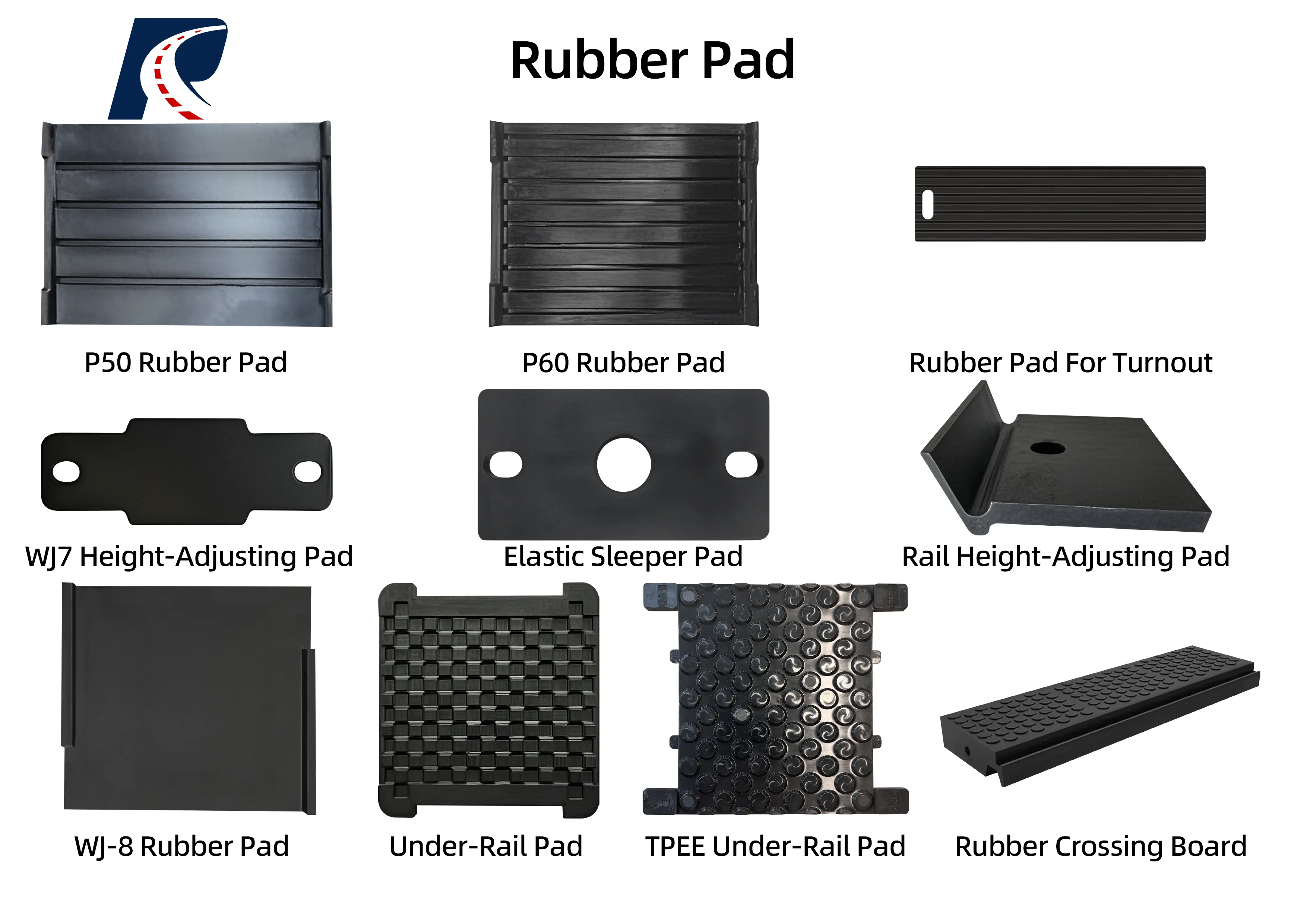
Selecting the correct rail accessories is fundamental to the success and safety of any railway project, regardless of scale or complexity. Rail accessories form the backbone of track infrastructure, connecting rails to sleepers, managing thermal expansion, and ensuring operational reliability across various climate conditions and traffic volumes. Understanding how to match rail accessories to specific project requirements prevents costly installation errors, reduces maintenance overhead, and extends the lifespan of your entire rail network. This guide walks you through the decision-making process for choosing rail accessories that align with your unique railway project demands.
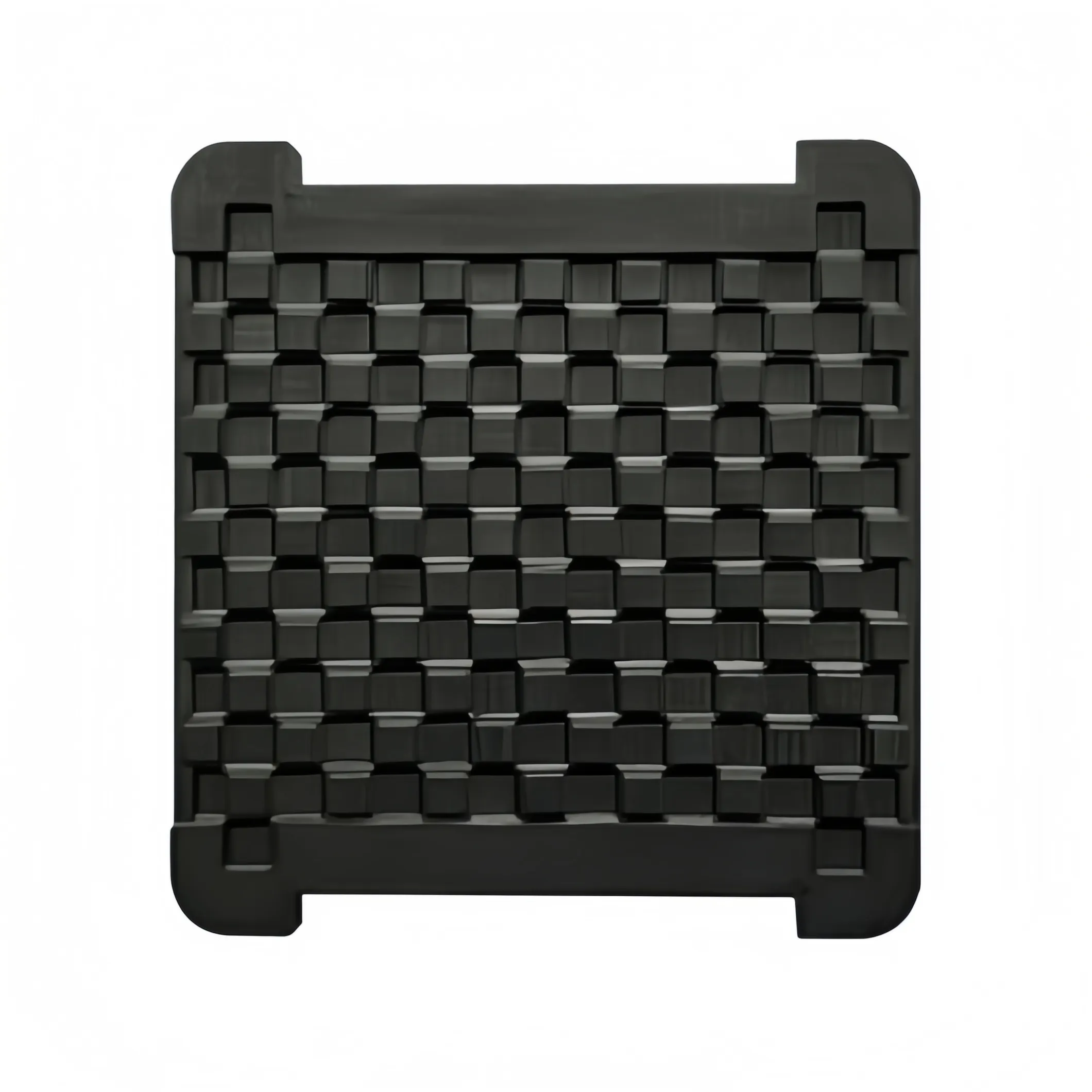
Every railway project presents unique environmental, operational, and budgetary constraints that directly influence which rail accessories will perform optimally. Heavy freight corridors require different fastening specifications than light commuter lines. Coastal regions demand corrosion-resistant rail accessories, while inland high-altitude installations need materials that withstand temperature fluctuations. Modern rail accessories must balance durability, cost-effectiveness, and compliance with international standards while integrating seamlessly with existing infrastructure or new construction frameworks.
Understanding Rail Accessory Categories and Their Functions
Primary Rail Accessory Components
Rail accessories encompass a broad family of interconnected components that work together to maintain track geometry, distribute loads, and absorb vibration. The primary rail accessories include rail fasteners, which connect rails to sleepers or ties; elastic pads and insulators that reduce noise and vibration transmission; and base plates that distribute concentrated loads across a wider surface area. Each type of rail accessory serves a distinct mechanical function, and understanding these functions helps you identify which components your specific railway project requires. Gauge rods, angle plates, and adjustment shims represent additional rail accessories that fine-tune track alignment and accommodate manufacturing tolerances. Quality rail accessories from reputable sources ensure that every component performs reliably under the intended load and environmental conditions.
Load-Bearing and Environmental Performance Factors
The mechanical demands on rail accessories vary significantly based on traffic type, frequency, and weight distribution. High-speed passenger lines impose different stress patterns than freight corridors, requiring rail accessories engineered for specific fatigue characteristics. Coastal railway projects must specify rail accessories manufactured from materials resistant to saltwater corrosion, such as stainless steel fasteners or specialized coatings. Mountainous terrain and arctic climates introduce thermal cycling that demands rail accessories with precise expansion coefficients and material compatibility. Understanding your project's axle loads, train frequency, and environmental exposure allows you to specify rail accessories that will maintain structural integrity throughout their operational lifetime without premature degradation.
Assessing Project Requirements and Selection Criteria
Traffic Volume and Load Classification
Begin your rail accessories selection process by clearly defining your project's traffic profile and expected axle loads. Freight railways typically operate under heavier loads than commuter networks, requiring rail accessories rated for higher tensile strength and fatigue resistance. The frequency of train passages also influences which rail accessories will perform adequately—rail accessories designed for occasional tourist trains will not withstand the continuous vibration of a major freight corridor. Modern rail accessories must be selected using engineering standards such as UIC or AREMA specifications that define performance thresholds for different railway classifications. Consulting with railway engineers during the rail accessories selection phase ensures you avoid undersizing components or selecting unnecessarily over-engineered rail accessories that inflate project costs.
Geographic and Climatic Considerations
Geographic location and climate patterns dramatically influence which rail accessories will deliver long-term reliability and cost-effectiveness. Tropical regions expose rail accessories to intense moisture and biological growth, necessitating corrosion-resistant materials and specialized coatings for all exposed fastening components. Desert environments subject rail accessories to extreme temperature swings and sand infiltration, requiring sealed bearing surfaces and materials with high thermal stability. Alpine installations demand rail accessories capable of accommodating severe seasonal expansion and contraction without loosening or fracturing. Coastal railways need rail accessories manufactured from marine-grade stainless steel or protected with advanced corrosion inhibitors. Evaluating your project's specific climate profile before finalizing rail accessories specifications prevents expensive field failures and reduces maintenance cycles dramatically.
Infrastructure Compatibility and Integration
Rail accessories must integrate seamlessly with your project's existing infrastructure, track gauge, and operational standards. Standard-gauge railways require different rail accessories than narrow-gauge installations, and mixed-gauge sections need transitional rail accessories engineered for the specific conversion geometry. If your project involves modernizing existing tracks, ensure selected rail accessories are compatible with legacy rail profiles and sleeper types already in place. Newer rail accessories often incorporate advanced vibration-damping materials and improved fastening mechanisms, but these innovations must still mate properly with your current infrastructure without requiring complete system replacement. Consulting detailed track geometry records and obtaining samples of existing components allows you to select rail accessories that integrate correctly and maintain uniform performance across the entire rail network.
Practical Selection and Implementation Strategies
Material Selection and Quality Standards
Specifying the correct material composition for rail accessories is perhaps the single most critical decision in your selection process. Standard steel rail accessories work well in benign environments but require proper maintenance and periodic replacement in corrosive settings. Stainless steel rail accessories offer superior longevity in saltwater and chemical environments but command a significant cost premium. Composite and elastomer rail accessories provide vibration isolation and noise reduction benefits but may require more frequent inspection and replacement cycles. Quality certification and third-party testing documentation for all rail accessories protect your project from defective components and supply chain failures. Requesting mill certificates, tensile test reports, and compliance documentation from suppliers ensures that every rail accessory meets published specifications and performs reliably under your project's intended conditions.
Cost-Benefit Analysis and Lifecycle Planning
While premium rail accessories often represent higher initial capital expenditure, lifecycle cost analysis frequently demonstrates that quality rail accessories deliver superior return on investment. Lower-cost rail accessories may fail prematurely, triggering emergency maintenance, unscheduled track closures, and safety risks that dwarf the original savings. Establish a realistic maintenance schedule and budget for rail accessories replacement based on your traffic profile and environmental exposure. Modern rail accessories often include design improvements that extend service intervals and reduce total maintenance labor, offsetting their higher purchase price. Consulting with railway maintenance teams and reviewing industry failure rate data helps you make informed decisions about rail accessories investments that balance upfront costs against long-term operational reliability and safety outcomes.
FAQ
What are the most important factors when choosing rail accessories for a new railway project?
The most critical factors include traffic classification and axle loads, geographic location and climate exposure, compatibility with existing track infrastructure, and adherence to relevant engineering standards like UIC or AREMA. Rail accessories must be selected based on your specific project's demands rather than relying on generic or lowest-cost options. Engaging railway engineering professionals early in the selection process helps you prioritize these factors correctly and avoid costly specification mistakes.
How do environmental conditions affect the selection of rail accessories?
Environmental conditions heavily influence rail accessories material selection and expected service life. Coastal and high-humidity regions require corrosion-resistant rail accessories manufactured from stainless steel or specialty alloys. Alpine and arctic areas demand rail accessories engineered to accommodate extreme thermal cycling without loosening or cracking. Desert installations need rail accessories with sealed components and high-temperature stability. Evaluating your project's specific climate exposure ensures selected rail accessories will maintain performance without accelerated degradation or frequent replacement cycles.
Should railway projects prioritize cost savings when selecting rail accessories?
Lifecycle cost analysis typically reveals that premium rail accessories deliver better value than lowest-cost alternatives, despite higher initial expenditure. Quality rail accessories reduce emergency maintenance, unscheduled closures, and safety risks that compromise operations and profitability. Engaging multiple suppliers for rail accessories quotes and requesting detailed performance data helps you identify best value options rather than simply selecting the lowest price. Investing in properly engineered rail accessories protects your railway investment and ensures reliable long-term performance.