
 EN
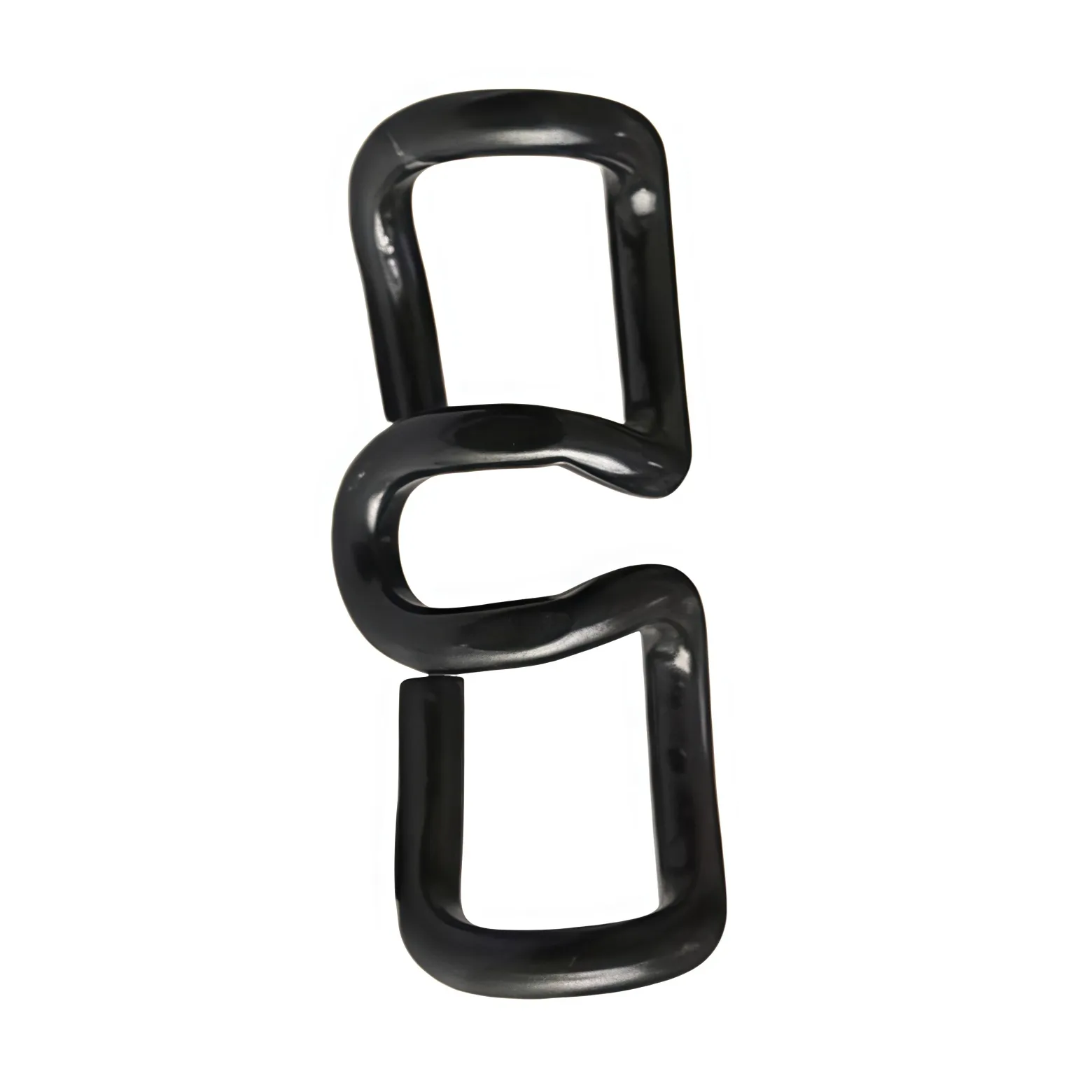
Railway infrastructure depends on precision engineering and reliable components working in harmony. Rail accessories form the backbone of complete railway fastening systems, ensuring safe, durable, and efficient train operations across diverse environments and track conditions. Understanding what constitutes essential rail accessories and how they integrate into fastening systems is critical for railway operators, engineers, and procurement professionals seeking to maintain or upgrade track infrastructure. This comprehensive guide explores the core components, functional roles, and selection considerations that define modern rail accessories.
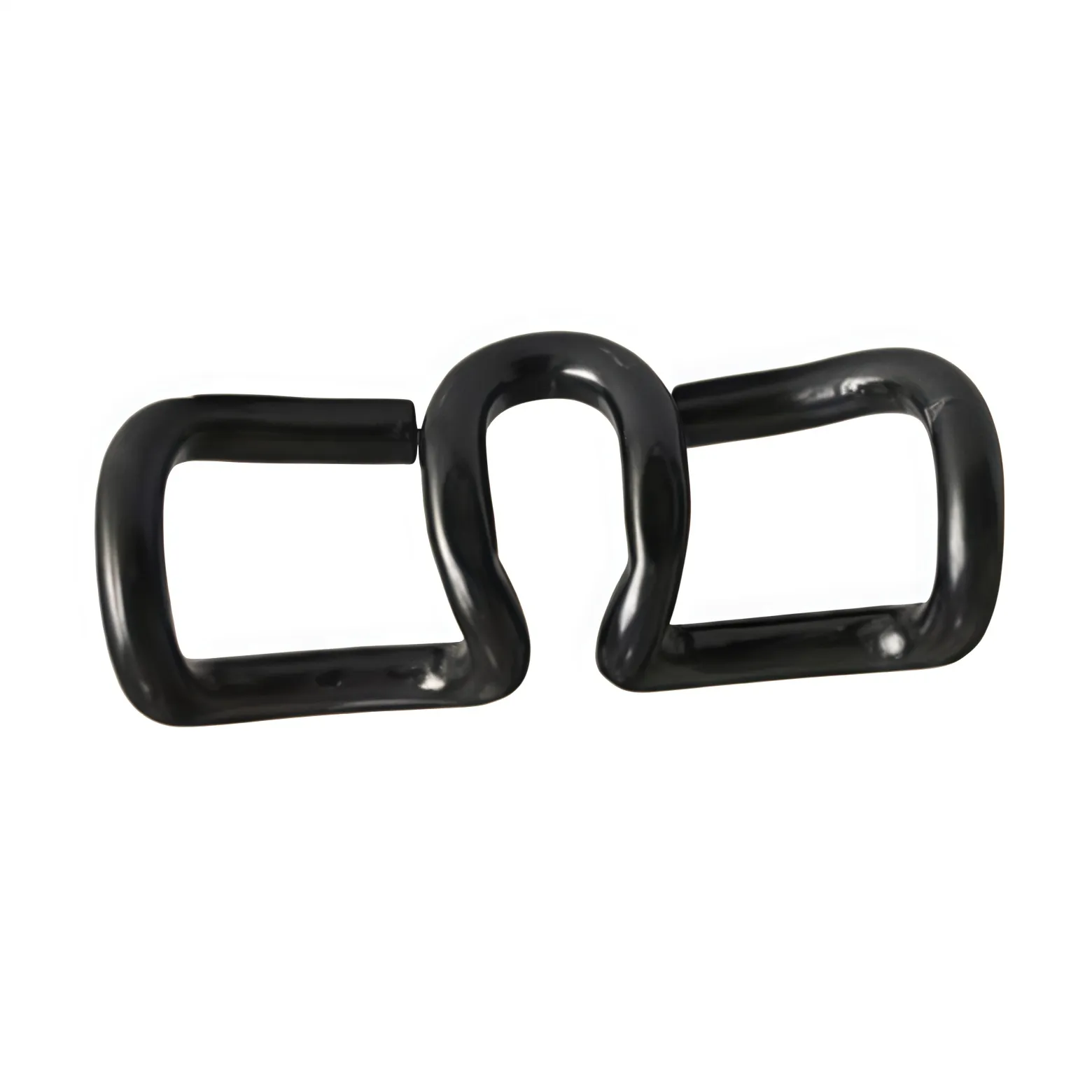
A complete railway fastening system cannot function without a coordinated set of rail accessories that work together to distribute loads, maintain alignment, and resist environmental stresses. These accessories include fasteners, pads, clips, insulators, and specialized hardware designed to meet international standards and industry specifications. The selection and installation of rail accessories directly impact track longevity, train safety, maintenance frequency, and overall operational costs.
Core Components of Railway Fastening Systems
Understanding Rail Fasteners and Connecting Hardware
Rail accessories encompass various fastening devices that anchor rails to sleepers or ties and prevent lateral movement. Bolts, nuts, washers, and specialized clips represent the fundamental rail accessories that hold the track structure together. These components must withstand constant dynamic loads from passing trains, environmental temperature fluctuations, and ground settlement. High-strength steel rail accessories are engineered to resist corrosion, maintain consistent tension, and provide years of reliable service under demanding railway conditions. The quality and material composition of rail accessories directly determine how effectively the fastening system performs.
Elastomeric Pads and Insulation Components
Elastomeric pads represent critical rail accessories that absorb vibration and distribute loads evenly across the sleeper surface. These specialized rail accessories reduce noise transmission, minimize track deterioration, and protect the rail-to-sleeper interface from direct stress concentration. Insulating rail accessories prevent electrical continuity between rail sections in certain track configurations, which is essential for signaling systems and safety applications. The thickness, durometer, and composition of elastomeric rail accessories must conform to international railway standards to ensure consistent performance across different track segments and climatic regions.
Functional Role of Rail Accessories in Fastening Performance
Load Distribution and Stress Management
Effective rail accessories distribute dynamic train loads progressively through the track structure rather than creating stress concentrations. Resilient rail accessories like spring clips and elastic fasteners maintain consistent contact pressure while accommodating rail expansion and contraction. This load distribution mechanism prevents premature wear, reduces maintenance interventions, and extends the overall lifespan of the railway infrastructure. Rail accessories designed for specific tonnage ratings and train speed classes ensure that the fastening system operates within safe engineering parameters. Understanding how rail accessories manage stress is fundamental to designing durable, economical track systems.
Alignment Maintenance and Track Stability
Precision rail accessories maintain longitudinal and lateral rail alignment under operational stress and environmental changes. Specialized clips, gauging accessories, and locking rail accessories prevent rail creep, which occurs when trains gradually shift rails along the sleeper length. Anti-rotation rail accessories prevent rail rotation that could destabilize the track gauge and compromise train safety. Regular inspection and maintenance of these critical rail accessories ensures that alignment remains within specification throughout the track lifecycle. Modern railway systems depend on sophisticated rail accessories that maintain geometric accuracy even under extreme loading conditions.
Selection and Installation Considerations for Rail Accessories
Standards Compliance and Performance Specifications
Rail accessories must comply with international standards such as EN, AREMA, or national specifications that define material grades, dimensions, load ratings, and durability requirements. Rail accessories selected for heavy freight corridors differ significantly from those used in passenger or light rail applications. Environmental factors including temperature extremes, moisture exposure, and corrosive atmospheres influence which rail accessories perform optimally in specific geographic regions. Engineers must select rail accessories based on track tonnage, train speed, climate classification, and maintenance capabilities of the railway operator. Mismatch between rail accessories and operational requirements leads to accelerated wear, safety risks, and increased lifecycle costs.
Installation Best Practices and Long-Term Performance
Proper installation of rail accessories requires trained personnel, appropriate tools, and adherence to engineering specifications and torque sequences. Rail accessories must be installed with consistent tension and alignment to function as designed, preventing loose components that generate noise and vibration. Periodic inspection of rail accessories identifies early deterioration, corrosion, or loosening before failures occur and disrupt operations. Quality rail accessories combined with professional installation practices deliver superior track stability, reduced maintenance burden, and extended service intervals. Railway operators investing in premium rail accessories and proper maintenance realize lower total cost of ownership compared to systems using substandard components.
FAQ
What types of rail accessories are absolutely essential for any railway fastening system?
Any functional railway fastening system requires bolts, clips, washers, nuts, elastomeric pads, and insulators as baseline rail accessories. These foundational rail accessories secure the rail to the sleeper, absorb vibration, distribute loads, and maintain electrical isolation where required. Additional specialized rail accessories like spring elements, anti-rotation devices, and gauging components enhance performance in demanding applications but depend on the specific operational context and track configuration.
How do rail accessories contribute to reduced maintenance and lifecycle costs?
High-quality rail accessories minimize wear rates, prevent alignment drift, and resist environmental degradation, extending intervals between maintenance activities. Superior rail accessories reduce unexpected failures that disrupt train schedules and require expensive emergency repairs or replacement work. By selecting rail accessories appropriate for the operational load and climate, railway operators avoid premature deterioration and significantly reduce total infrastructure costs over decades of service.
Are all rail accessories from different manufacturers compatible with each other in a single fastening system?
Rail accessories must meet corresponding international or national standards to ensure compatibility, but dimensional, material, and performance specifications can vary between manufacturers. Mixing rail accessories from different sources without careful verification may compromise system performance or violate engineering specifications. Railway operators should source complete rail accessory sets from qualified suppliers to guarantee compatibility, performance consistency, and warranty support across the fastening system.