
 EN
EN
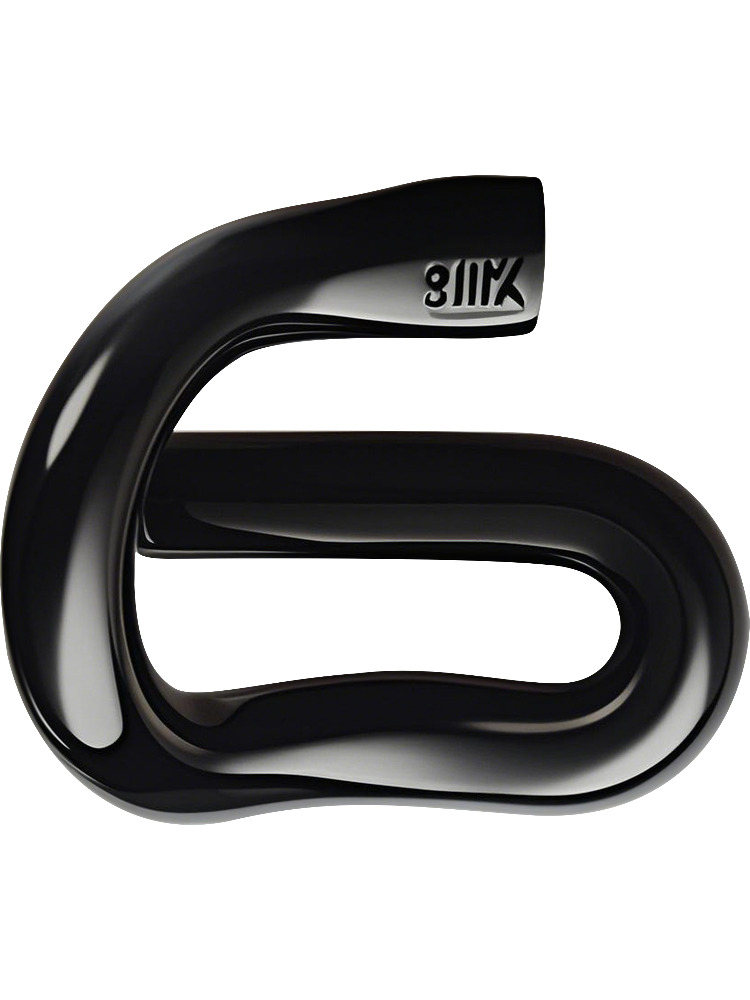
In railway engineering, the ability of a rail system to handle thermal movement without compromising structural integrity is one of the most critical performance factors. Steel rails expand in summer heat and contract in winter cold, creating forces that, if unmanaged, can lead to misalignment, buckling, or joint failure. track clips are central to managing these thermally driven forces, acting as the mechanical interface between the rail foot and the underlying sleeper or baseplate. Understanding how track clips influence expansion and contraction handling is essential for engineers, procurement specialists, and maintenance teams who are responsible for long-term rail system performance.
The role of track clips extends far beyond simply holding the rail in place. These small but mechanically sophisticated components must simultaneously restrain lateral and vertical rail movement while allowing a controlled degree of longitudinal displacement as the rail length changes with temperature. The balance between restraint and controlled freedom is what defines how well a fastening system handles thermal stress. In this article, we explore the mechanisms through which track clips influence rail expansion and contraction, how clip design choices affect system-wide thermal behavior, and what considerations guide specification and maintenance decisions in practice.
The Mechanics of Thermal Movement in Rail Systems
Why Rails Expand and Contract
Steel is a thermally active material. As ambient temperature rises, the steel in a rail expands linearly along its length, and as temperature drops, it contracts. For a standard rail section, even a modest temperature change of 30 degrees Celsius can generate longitudinal movement measured in millimeters per meter. Over a track length of several hundred meters, the cumulative displacement becomes significant enough to damage poorly restrained fastening systems or create dangerous track geometry distortions.
The magnitude of this movement is governed by the coefficient of thermal expansion of steel, which is approximately 11 to 12 micrometers per meter per degree Celsius. This means that for every 10-degree temperature change, a one-meter rail expands or contracts by roughly 0.11 to 0.12 millimeters. While this seems small in isolation, the forces generated when this movement is completely restrained are enormous, potentially exceeding hundreds of kilonewtons in a continuous welded rail scenario. Track clips must therefore be designed with this thermal reality in mind.
In jointed track systems, expansion joints are used to accommodate this movement directly. However, in continuously welded rail installations, the track clips and the fastening system as a whole must work together to distribute these forces in a way that prevents buckling in compression and cracking in tension. The design of track clips becomes especially important in these welded rail environments where there are no deliberate gaps to absorb movement.
Force Transmission Between Rail and Sleeper
When a rail expands or contracts, it exerts longitudinal force against each fastening point. The track clips at each sleeper act as a resistance node, translating rail-generated forces into the sleeper and ultimately into the ballast or foundation. If track clips apply too much longitudinal restraint, they can cause the rail to buckle under compressive thermal load in hot weather. If they apply too little, the rail may creep longitudinally over time, disrupting joint spacing and alignment.
The clamping force generated by track clips is primarily oriented vertically and laterally, but the friction this clamping generates between the rail foot and the baseplate or pad below it is what creates longitudinal restraint. The higher the vertical toe load of a track clip, the greater the frictional resistance to longitudinal rail movement. This is why the spring stiffness and toe load specification of track clips are directly relevant to how a track section handles thermal behavior.
Engineers must carefully calibrate this balance. For continuously welded rail, the fastening system must generate enough longitudinal resistance to hold the rail in its stressed neutral temperature position while also yielding slightly under extreme thermal loads to prevent catastrophic buckling. Track clips that are too rigid prevent this controlled yielding and increase the risk of track panel distortion.
How Track Clip Design Influences Expansion Handling
Spring Geometry and Toe Load
The geometry of a track clip determines how it applies clamping force to the rail foot. Elastic spring clips, which are the most widely used type in modern rail infrastructure, are designed to flex under load and maintain a consistent toe load over a range of deflection states. This spring behavior is fundamental to how track clips manage thermal movement, because the rail foot can shift vertically and slightly longitudinally without causing the clip to lose its holding function.
The toe load, which is the downward force that the clip applies to the rail foot, directly influences the frictional resistance at the rail-baseplate interface. A higher toe load increases this friction and therefore increases the longitudinal restraint applied to the rail. For applications where expansion control is critical, such as in high-speed rail or heavily trafficked freight lines, track clips with precisely controlled and consistently maintained toe loads are essential to prevent rail creep and thermal displacement.
Spring geometry also affects how track clips respond to repeated thermal cycling. Rails expand and contract daily and seasonally, subjecting fastening components to thousands of loading cycles over their service life. Track clips with well-designed spring curves distribute bending stress more evenly along the spring body, preventing fatigue cracks and ensuring that the toe load remains within design tolerance over the long term. A track clip that relaxes significantly under cyclic loading will progressively lose its thermal control function.
Clip Material and Elastic Recovery
Track clips are almost universally manufactured from high-carbon spring steel, which offers the combination of high yield strength and excellent elastic recovery needed for this application. The elastic recovery of the material determines how well a clip returns to its original shape after being deflected, which is directly relevant to thermal movement management. A clip that does not fully recover its shape after repeated thermal cycles will progressively lose clamping force, eventually allowing uncontrolled rail movement.
Material specifications for track clips typically include tight controls on carbon content, heat treatment parameters, and surface condition to ensure consistent spring performance across a production batch. Variations in material quality can lead to significant differences in toe load, fatigue life, and resistance to stress relaxation. For procurement teams, understanding the material specifications behind a track clip product is as important as understanding its geometric dimensions.
Some advanced clip designs also incorporate surface treatments or coatings to reduce friction between the clip and the guide or anchor plate, allowing the clip to be installed and removed without plastically deforming the spring body. These treatments do not directly affect toe load but contribute to the accuracy of clip installation, which in turn affects how consistently the designed thermal management function is achieved across an entire track section.
Clip Installation Practices and Thermal Performance
Correct Installation Deflection
The toe load delivered by track clips is only achieved when the clips are installed to the correct deflection depth specified by the designer. Under-deflected clips apply insufficient clamping force, reducing both lateral stability and longitudinal restraint. This directly impairs the ability of the fastening system to manage rail expansion and contraction, particularly in warmer months when compressive thermal forces are highest and buckling risk is most acute.
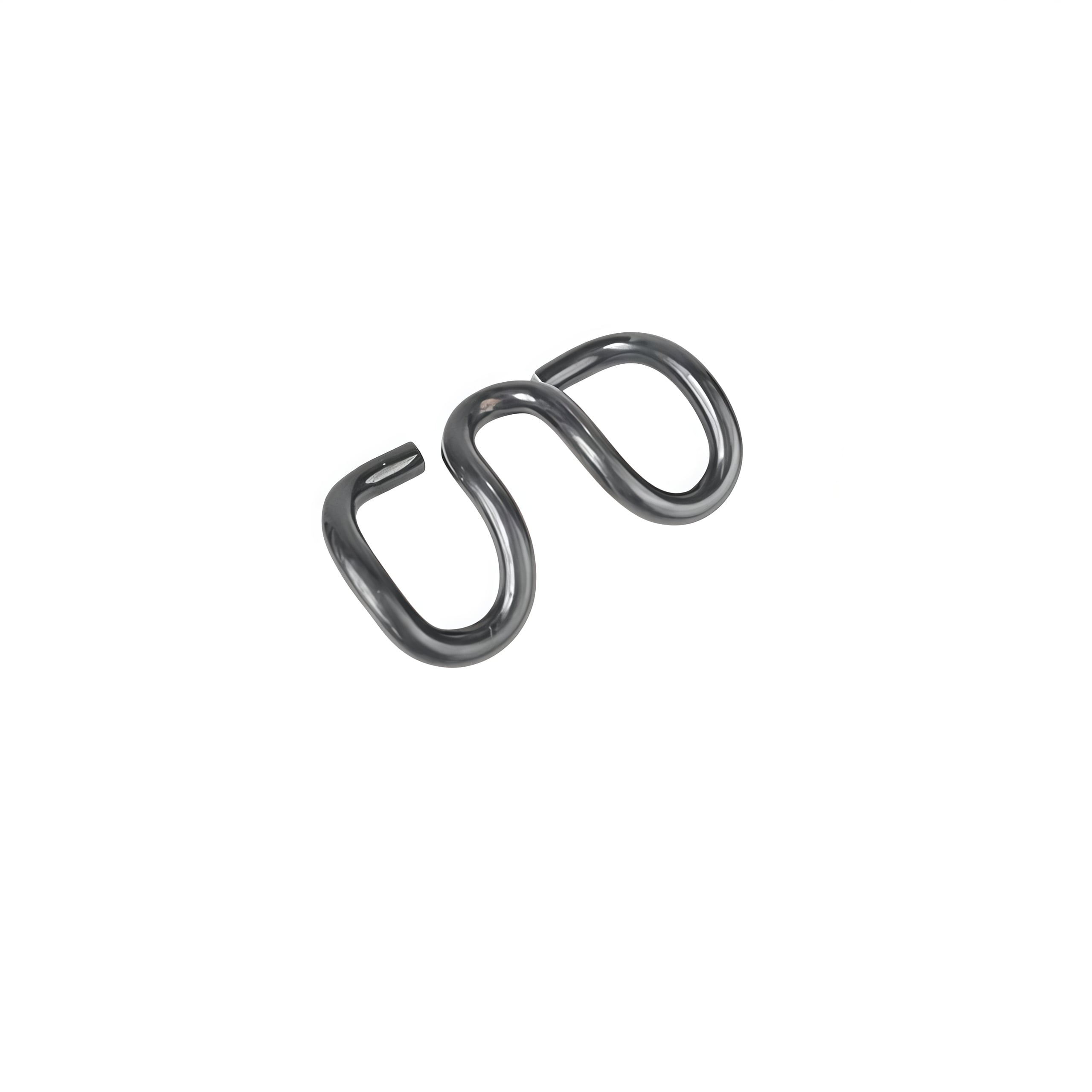
Over-deflected clips, on the other hand, may exceed the elastic range of the spring material and cause permanent deformation. A permanently deformed track clip cannot maintain its designed toe load, and its contribution to thermal management becomes unpredictable. Installation tools calibrated to deliver the correct deflection depth are therefore not just a convenience but a technical necessity when performance under thermal loading is a design requirement.
Maintenance inspections should include periodic checks of clip installation state, particularly following extreme temperature events or after heavy traffic passages that may have caused rail movement. Track clips found to be displaced, cracked, or visibly deformed should be replaced promptly, as even a small number of compromised clips in a section can create localized stress concentrations that accelerate fatigue and reduce the overall thermal management capacity of the track.
Rail Pad Interaction and Combined System Behavior
Track clips do not work in isolation. They are part of a fastening assembly that also includes the rail pad, the anchor plate or tie plate, and the fastening insert or screw. The rail pad, positioned between the rail foot and the underlying support, plays an important role in thermal movement management by affecting how much of the rail's longitudinal thermal force is transmitted to the support structure versus absorbed at the interface.
A stiffer rail pad transmits more longitudinal force directly to the sleeper, increasing the load on the anchor system. A softer pad absorbs more movement at the interface, slightly reducing the force seen by each individual fastening point. Track clips must be compatible with the pad stiffness used in the design, as the combination determines the actual longitudinal restraint profile of the assembled fastening system under thermal loading.
The interaction between track clips and rail pads also affects vibration transmission and noise characteristics, but for the purposes of thermal management, the primary concern is ensuring that the clip toe load, pad stiffness, and anchor capacity are collectively sufficient to hold the rail at its intended neutral temperature position across the expected temperature range of the installation site.
Seasonal and Long-Term Considerations for Track Clip Specification
Matching Clip Specification to Climate Conditions
The thermal range experienced by a rail installation varies significantly with geography and climate. A track system in a tropical region may experience temperature swings of 40 to 50 degrees Celsius between the coolest night and the hottest sun-exposed rail surface. A high-altitude or polar installation may see even greater differential. Track clips must be specified with the actual site temperature range in mind, as the cumulative longitudinal forces generated over large temperature differentials can quickly exceed the capacity of a fastening system designed for milder conditions.
For high-temperature-range environments, track clips with higher toe loads and more robust spring geometries are preferred. Heavier rail sections that generate higher thermal forces require fastening systems where the track clips are rated to maintain their design toe load under the most extreme conditions the site will experience. Infrastructure owners who specify track clips without considering site-specific thermal demands risk premature system degradation and increased maintenance costs.
Conversely, in cold climates where thermal contraction is the primary concern, track clips must remain functional at very low temperatures without becoming brittle. Steel spring clips generally perform well at low temperatures, but the specific alloy and heat treatment used must be verified against the minimum design temperature to ensure that the clip material does not exhibit brittle fracture behavior under the combination of installation stress and cold-temperature rail contraction forces.
Service Life and Replacement Planning
Track clips are wear items with a finite service life that is influenced by the number of thermal cycles they experience, the magnitude of dynamic loads from passing trains, and the quality of original installation. Over time, even well-specified track clips will experience some degree of stress relaxation, reducing their toe load and therefore their contribution to thermal movement management. Scheduled replacement programs, based on toe load measurement or deflection state assessment, are a practical way to maintain system performance over the full design life of the track.
Replacement intervals for track clips vary widely depending on traffic density, temperature range, and clip design. High-traffic main lines in climates with large temperature swings will wear out fastening components more quickly than low-traffic branch lines in moderate climates. Infrastructure maintenance teams should establish baseline toe load measurements at installation and track changes over successive inspection cycles to determine the rate of relaxation and project replacement needs accurately.
Stocking replacement track clips as part of an ongoing maintenance program ensures that degraded components can be replaced promptly. Delaying replacement of worn track clips creates cumulative risk, as multiple underperforming clips in a section reduce the total longitudinal restraint available to manage thermal forces, increasing the probability of rail displacement or buckling during extreme weather events.
FAQ
What happens if track clips lose their toe load over time?
When track clips lose their toe load due to fatigue, stress relaxation, or improper installation, the clamping force on the rail foot decreases. This reduces the frictional resistance that prevents longitudinal rail movement under thermal expansion and contraction. In practice, this can lead to rail creep, joint gap irregularities, and in the worst case, buckling of continuously welded rail in high-temperature conditions. Regular inspection and timely replacement of underperforming track clips are essential to prevent these outcomes.
Can track clips alone prevent rail buckling in hot weather?
Track clips are a critical component in buckling prevention but do not act alone. The full fastening assembly, including the anchor plates, rail pads, and the underlying sleeper or slab, collectively determines the lateral and longitudinal resistance of the track panel. Track clips contribute their portion of this resistance through controlled clamping force and frictional engagement. For continuously welded rail, the combined fastening system must be designed as a whole to meet the required anti-buckling performance under site-specific thermal loading conditions.
How do track clips differ from standard bolt-type rail fastenings in thermal management?
Elastic spring track clips maintain a relatively consistent toe load across a range of rail deflections due to their spring characteristics. This means they can accommodate small amounts of rail movement without losing their clamping function. Rigid bolt-type fastenings, by contrast, apply a fixed clamping force that does not adjust to rail movement, which can create high stress concentrations at fastening points when thermal forces are significant. Elastic track clips are therefore generally preferred in modern rail infrastructure where thermal management is a primary design consideration.
How often should track clips be inspected in high-temperature climates?
In high-temperature climates where rail expansion forces are consistently high, track clips should be inspected at least twice per year, with additional inspections recommended following heat waves or unusually cold spells. Visual checks for clip displacement, cracking, or deformation should be supplemented by periodic toe load measurements on a representative sample of clips across each track section. Infrastructure owners operating in challenging thermal environments benefit from establishing a documented inspection and replacement cycle that is calibrated to the specific performance characteristics of the track clips in use.