
 EN
EN
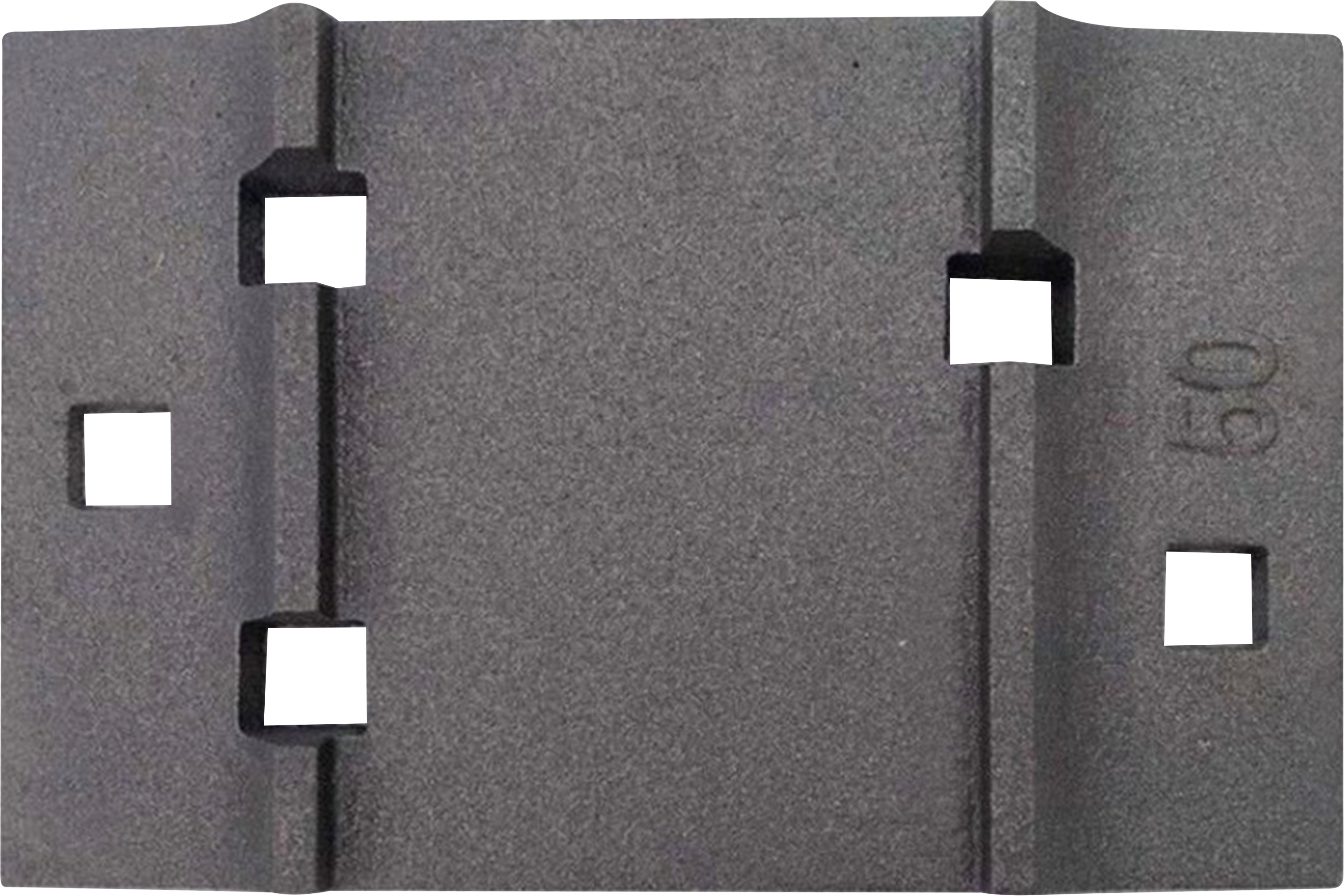
Inspecting railroad tie plates during routine track maintenance is essential for ensuring rail infrastructure safety and operational reliability. Railroad tie plates serve as critical fastening components that distribute rail loads across wooden or concrete ties, preventing rail creep and maintaining proper gauge width. During scheduled maintenance cycles, track inspectors must systematically evaluate railroad tie plates for wear patterns, structural integrity, and proper positioning to identify potential failure points before they compromise track geometry or train operations.
The inspection methodology for railroad tie plates combines visual assessment techniques with dimensional verification procedures that address both surface conditions and functional performance characteristics. Maintenance teams responsible for track integrity must develop standardized inspection protocols that account for railroad tie plates in various service environments, from high-tonnage mainline corridors to industrial spur tracks with lighter traffic densities. This systematic approach to examining railroad tie plates enables early detection of degradation mechanisms including corrosion penetration, shoulder wear, bolt hole elongation, and tie plate shifting that can lead to rail instability.
Visual Inspection Procedures for Railroad Tie Plates
Surface Condition Assessment
Begin visual inspection of railroad tie plates by examining surface conditions under adequate lighting to identify corrosion patterns, material loss, and coating deterioration. Railroad tie plates exposed to moisture accumulation typically exhibit rust formation along edges and anchor bolt recesses, which requires documentation and severity classification. Inspectors should evaluate whether railroad tie plates show uniform wear or localized degradation that indicates problematic drainage conditions or chemical exposure from ballast contaminants.
Check railroad tie plates for cracks originating from anchor bolt holes or shoulder areas where cyclic loading concentrates stress. Railroad tie plates with visible crack propagation extending beyond initial formation points require immediate flagging for replacement, as fracture progression can lead to sudden plate failure under train loading. Document crack locations and orientations on railroad tie plates using standardized notation systems that enable tracking of defect evolution across inspection intervals.
Positional Stability Verification
Assess whether railroad tie plates maintain proper alignment with rail base and tie centerlines, as lateral shifting indicates inadequate anchor bolt tension or tie deterioration. Railroad tie plates that have migrated from original installation positions create uneven load distribution patterns that accelerate both plate wear and tie crushing. Measure offset distances when railroad tie plates show displacement exceeding tolerance specifications, typically beyond five millimeters from design positions.
Evaluate railroad tie plates for tilt or rotation relative to tie surfaces, which signals anchor system failure or localized tie degradation beneath plate contact areas. Railroad tie plates exhibiting angular deviations prevent proper rail seating and compromise gauge stability under dynamic wheel loads. Inspect adjacent railroad tie plates to determine whether positional deviations represent isolated occurrences or systematic pattern indicating broader track structure issues requiring comprehensive remediation.
Dimensional and Functional Testing Methods
Wear Measurement Protocols
Conduct systematic measurement of railroad tie plates shoulder height to quantify material loss from rail base abrasion during service. Railroad tie plates in curved track sections and heavy haul corridors experience accelerated shoulder wear that reduces vertical rail restraint capacity. Use calibrated measuring instruments to record shoulder dimensions on railroad tie plates at regular intervals, comparing results against manufacturer specifications and replacement criteria established in maintenance standards.
Document railroad tie plates with shoulder wear exceeding twenty percent of original height, as this degradation level significantly compromises rail cant retention and increases derailment risk during lateral loading events. Railroad tie plates showing asymmetric wear patterns between field and gauge sides indicate rail movement tendencies or improper initial cant installation. Track these differential wear rates across railroad tie plates within specific track segments to identify sections requiring enhanced fastening system upgrades or rail renewal.
Anchor Bolt Integrity Evaluation
Inspect anchor bolts securing railroad tie plates by checking for proper tension, thread engagement, and freedom from corrosion damage that reduces clamping force. Railroad tie plates rely on anchor bolt preload to maintain position and transfer lateral forces into tie structures. Test bolt tightness on railroad tie plates using calibrated torque measurement tools or manual methods that detect loose fastenings requiring retensioning operations.
Examine bolt holes in railroad tie plates for elongation or deformation indicating repeated loosening cycles or overload conditions. Railroad tie plates with enlarged bolt holes cannot maintain adequate clamping pressure even after fastener retensioning, necessitating plate replacement to restore proper anchorage capacity. Assess whether railroad tie plates show bolt hole damage patterns correlating with specific operational factors such as heavy braking zones or grade transitions where dynamic forces concentrate.
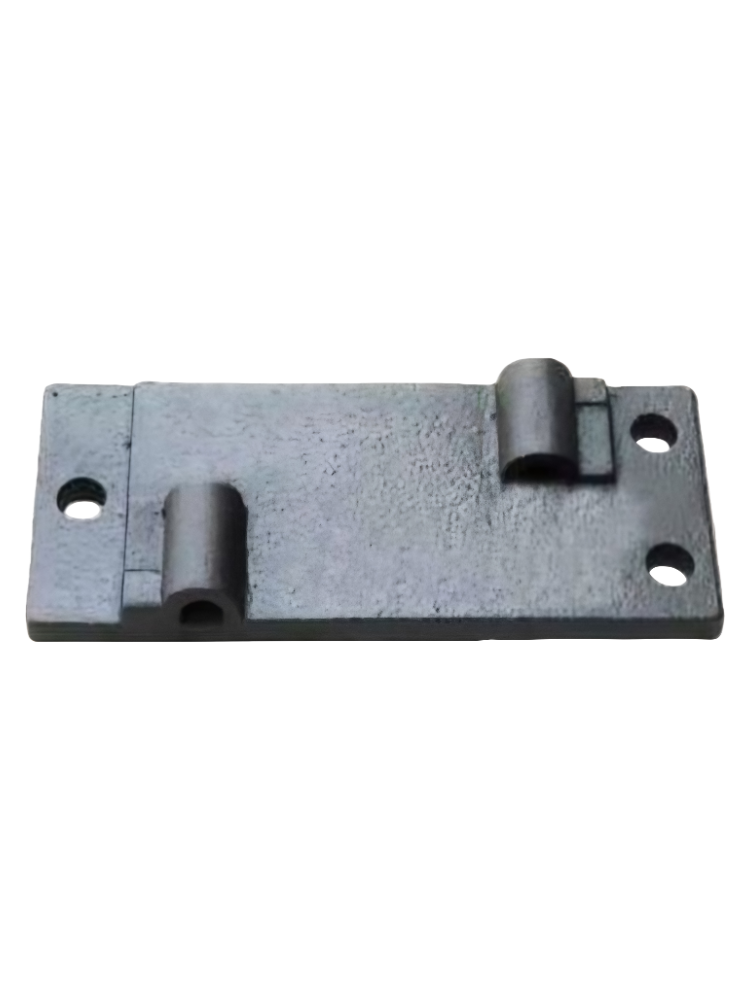
Defect Classification and Response Priorities
Critical Defect Identification
Classify railroad tie plates with through-thickness cracks, complete anchor bolt failure, or severe shoulder loss as critical defects requiring immediate remedial action before next train passage. Railroad tie plates in this condition category pose direct threats to track geometry stability and warrant speed restrictions until replacement completion. Tag critical railroad tie plates with high-visibility markers and document exact locations using track coordinate systems for maintenance crew dispatch.
Identify railroad tie plates exhibiting advanced corrosion with significant section loss exceeding thirty percent of nominal thickness as priority replacement candidates. Railroad tie plates weakened by extensive material degradation cannot reliably distribute rail loads and may fracture suddenly under normal traffic. Evaluate surrounding railroad tie plates when critical defects appear clustered within short track segments, as environmental or drainage conditions may be causing accelerated deterioration requiring systemic correction beyond individual plate replacement.
Preventive Maintenance Indicators
Monitor railroad tie plates showing early-stage wear indicators including minor shoulder rounding, surface rust formation, or slight positional drift for inclusion in preventive maintenance scheduling. Railroad tie plates at this degradation level remain serviceable but require periodic monitoring to prevent progression toward critical failure states. Establish inspection frequency increases for railroad tie plates in high-stress locations such as turnouts, grade crossings, and curve approaches where accelerated wear typically occurs.
Document railroad tie plates requiring bolt retensioning, minor repositioning adjustment, or protective coating application as routine maintenance items addressable during regular track surfacing operations. Railroad tie plates receiving timely preventive interventions demonstrate extended service lives and reduced emergency replacement needs. Compile inspection findings across railroad tie plates throughout track districts to identify optimal renewal timing that balances economic considerations with safety risk management.
FAQ
What are the most common failure modes observed in railroad tie plates during inspection?
Railroad tie plates most frequently fail through shoulder wear from rail movement abrasion, anchor bolt hole elongation from repeated loading cycles, and corrosion-induced section loss in moisture-prone environments. Railroad tie plates in curved track experience combined wear mechanisms including both vertical shoulder degradation and lateral plate shifting. Inspectors should prioritize railroad tie plates showing multiple simultaneous degradation modes as these require expedited replacement to prevent sudden failure progression.
How often should railroad tie plates be inspected in mainline track operations?
Railroad tie plates in mainline track with heavy freight traffic require quarterly visual inspections supplemented by detailed annual assessments including dimensional measurements and anchor system testing. Railroad tie plates in moderate-density corridors typically receive semiannual comprehensive inspections with monthly walk-through observations. Inspection intervals for railroad tie plates should adjust based on tonnage accumulation, environmental exposure severity, and historical failure rates within specific track segments to optimize detection timing.
Can railroad tie plates be repaired or must they always be replaced when defects are found?
Railroad tie plates with minor surface corrosion or loose anchor bolts may be retained through cleaning, protective coating application, and fastener retensioning procedures. Railroad tie plates exhibiting structural damage including cracks, severe wear, or permanent deformation require complete replacement as repair methods cannot restore original load distribution capacity. Maintenance standards for railroad tie plates typically prohibit welding repairs or section reinforcement due to unpredictable performance characteristics and liability concerns in safety-critical rail infrastructure applications.