
 EN
EN
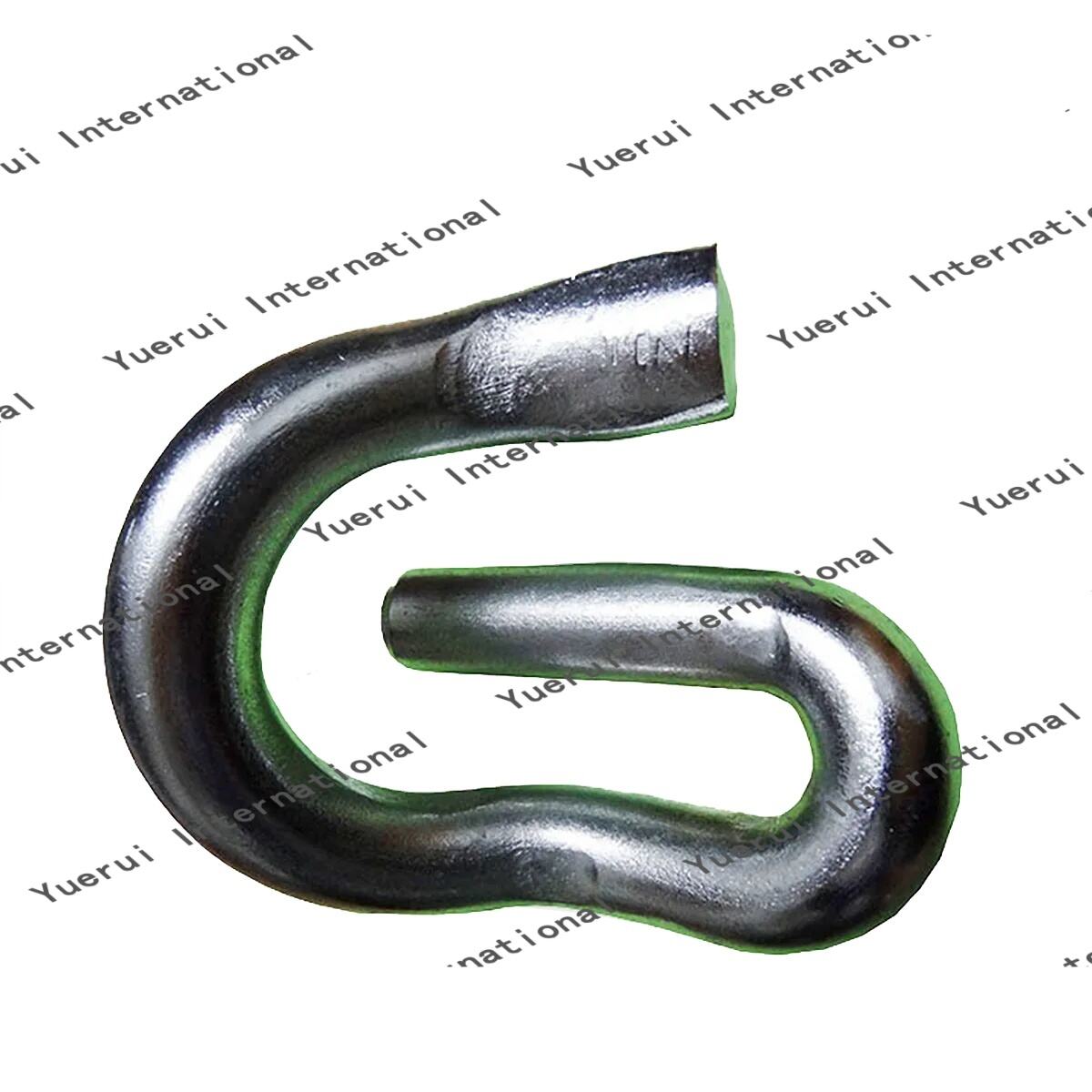
Track systems used in railways, industrial transport, and heavy-duty infrastructure are constantly exposed to dynamic loads, repeated impacts, and environmental stress. One of the most effective yet often underestimated components in these systems is the elastic strip. Understanding how elastic strips improve track stability and vibration control helps engineers, project managers, and buyers make better decisions for long-term performance and safety. By absorbing energy, distributing loads, and reducing direct contact stress, elastic strips play a crucial role in maintaining stable tracks and minimizing unwanted vibration.
The Basic Working Principle of Elastic Strips
Material Properties and Elastic Behavior
Elastic strips are typically manufactured from rubber, polyurethane, or composite elastomer materials designed to deform under load and recover their original shape once the load is removed. This elastic behavior is the foundation of how elastic strips improve track stability and vibration control. When a train or heavy load passes over the track, the strip compresses slightly, absorbing part of the force instead of transferring it directly to the rail and substructure.
The elasticity allows the strip to act as a buffer between rigid components. Instead of sharp force transmission, loads are softened and spread over a longer time frame. This controlled deformation reduces peak stress on rails, fasteners, and sleepers, which is essential for maintaining alignment and stability.
Load Distribution Across the Track Structure
Another key principle lies in load distribution. Elastic strips help spread vertical and lateral loads more evenly across the contact area. This directly explains how elastic strips improve track stability and vibration control, as uneven stress is one of the primary causes of rail deformation and track irregularities.
By evening out pressure points, elastic strips prevent localized damage and reduce the likelihood of track settlement. Over time, this contributes to smoother operation and less frequent maintenance interventions, especially in high-traffic or heavy-load environments.
Elastic Strips and Track Stability Enhancement
Reduction of Rail Movement and Displacement
Track stability depends heavily on controlling rail movement under dynamic forces. Elastic strips create a semi-flexible interface that limits excessive rail displacement while still allowing controlled micro-movements. This balance is central to how elastic strips improve track stability and vibration control.
Without elastic elements, rigid connections can lead to sudden stress concentration, increasing the risk of cracks or loosening fasteners. Elastic strips absorb part of this movement energy, helping rails remain correctly positioned even under repeated load cycles.
Improved Fastening System Performance
Fastening systems rely on consistent pressure and alignment to function properly. Elastic strips enhance fastening performance by maintaining uniform contact between rails and sleepers. This explains another dimension of how elastic strips improve track stability and vibration control, as stable fastenings reduce secondary vibrations and noise.
When fasteners are supported by elastic materials, they experience less fatigue over time. This results in longer service life and reduced risk of sudden failures, which is critical for safety-sensitive applications.
Vibration Control Through Elastic Strips
Energy Absorption and Damping Effects
Vibration occurs when energy travels through rigid structures without sufficient damping. Elastic strips absorb and dissipate a portion of this energy as heat, reducing the amplitude of vibrations. This mechanism is at the core of how elastic strips improve track stability and vibration control.
By lowering vibration transmission, elastic strips help protect surrounding structures, including sleepers, concrete slabs, and nearby buildings. This is particularly important in urban rail systems or industrial facilities where vibration control is a regulatory and environmental concern.
Noise Reduction and Comfort Improvement
Vibration and noise are closely linked. Elastic strips reduce vibration at the source, which directly lowers structure-borne noise. Understanding how elastic strips improve track stability and vibration control also means recognizing their contribution to quieter operation.
Reduced noise improves comfort for passengers and workers while minimizing disturbance to nearby residential or commercial areas. In many projects, this benefit alone justifies the integration of high-quality elastic strips into the track design.
Interaction Between Elastic Strips and Track Components
Compatibility With Rails and Sleepers
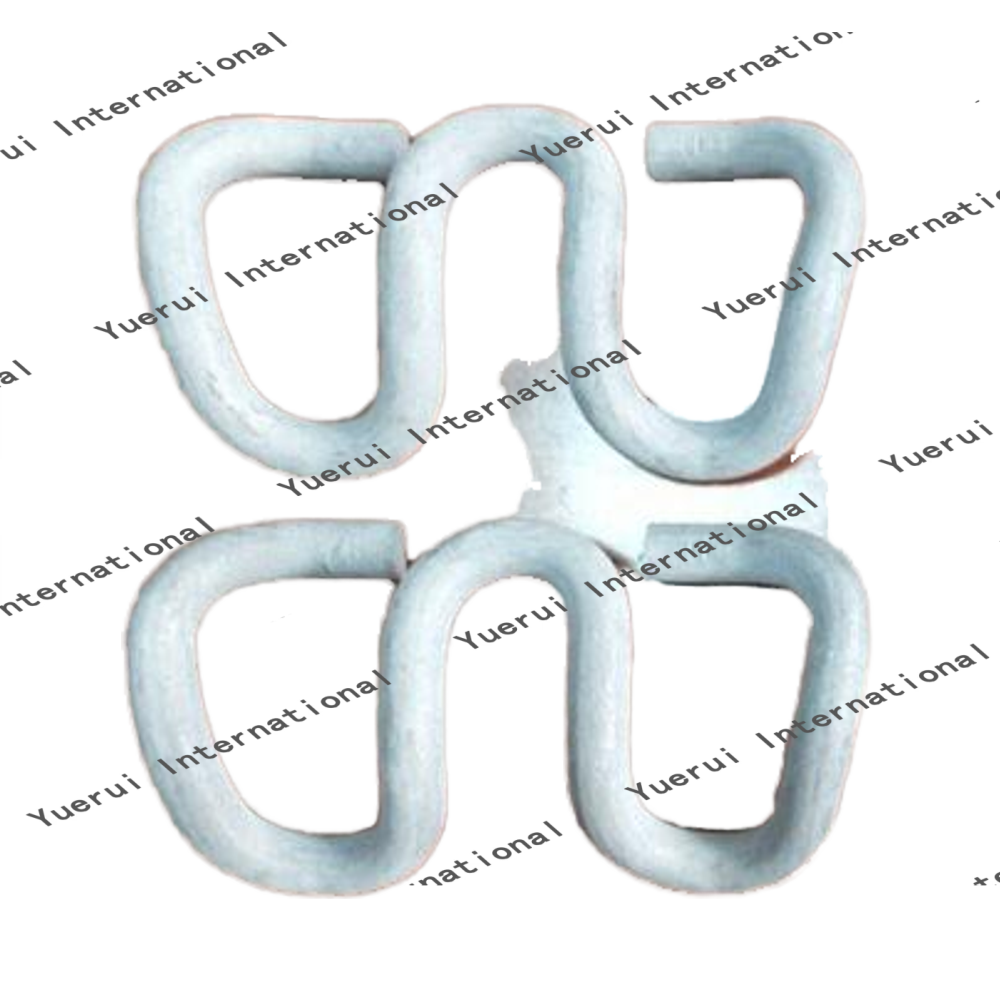
Elastic strips are designed to work in harmony with rails and sleepers rather than replacing them. Their dimensions, hardness, and elasticity are carefully selected to match the mechanical properties of the surrounding components. This compatibility is a major reason how elastic strips improve track stability and vibration control in a predictable and reliable way.
Properly matched elastic strips ensure consistent performance across different track sections. They also help accommodate minor manufacturing tolerances and installation variations without compromising overall system stability.
Adaptation to Different Track Conditions
Track conditions vary widely depending on load requirements, speed, and environmental factors. Elastic strips can be customized in material formulation and geometry to suit these conditions. This adaptability further demonstrates how elastic strips improve track stability and vibration control across diverse applications.
From heavy freight lines to precision industrial tracks, elastic strips can be engineered to deliver the right balance of stiffness and flexibility. This versatility makes them an essential component in modern track engineering.
Long-Term Performance and Maintenance Benefits
Reduction of Wear and Tear
Repeated dynamic loads accelerate wear on rigid track components. Elastic strips act as sacrificial and protective elements, absorbing energy that would otherwise cause damage. This is a practical example of how elastic strips improve track stability and vibration control over the long term.
By reducing wear on rails, fasteners, and sleepers, elastic strips help extend the service life of the entire track system. This leads to fewer replacements and less downtime, which is especially valuable for high-usage infrastructure.
Lower Maintenance Frequency and Costs
Stable tracks with controlled vibration require less frequent inspection and adjustment. Elastic strips maintain consistent contact pressure and alignment, reducing the need for corrective maintenance. This economic advantage is closely tied to how elastic strips improve track stability and vibration control in real-world operations.
Lower maintenance frequency not only reduces costs but also enhances operational reliability. For operators and asset owners, this translates into improved lifecycle performance and better return on investment.
Installation Quality and Performance Outcomes
Importance of Proper Installation
Even the best elastic strips cannot perform effectively if installed incorrectly. Correct placement, compression, and alignment are essential to achieve the intended benefits. Installation quality directly influences how elastic strips improve track stability and vibration control.
Proper installation ensures that the elastic strip operates within its designed deformation range. Over-compression or misalignment can reduce elasticity and compromise vibration damping performance.
Consistency Across the Track Length
Uniform installation across the entire track length is critical for consistent performance. Variations in compression or positioning can lead to uneven stiffness and localized vibration issues. Ensuring consistency strengthens how elastic strips improve track stability and vibration control across the whole system.
Standardized installation procedures and quality checks help maintain this consistency, especially in large-scale projects with long track sections.
Engineering Considerations for Elastic Strip Selection
Balancing Elasticity and Stiffness
Selecting the right elastic strip involves balancing elasticity with sufficient stiffness to support loads. Too soft, and the track may feel unstable; too stiff, and vibration control is reduced. Understanding this balance is key to how elastic strips improve track stability and vibration control.
Engineers evaluate load conditions, speed, and environmental factors to determine the optimal material properties. This ensures that elastic strips deliver reliable performance without compromising structural integrity.
Environmental Resistance and Durability
Elastic strips must withstand temperature changes, moisture, oils, and UV exposure. Durable materials maintain elasticity over time, preserving their ability to damp vibrations and stabilize tracks. Environmental resistance is therefore an important factor in how elastic strips improve track stability and vibration control.
High-quality elastic strips are formulated to resist aging and degradation, ensuring consistent performance throughout their service life.
FAQ
How do elastic strips improve track stability and vibration control in heavy-load systems
Elastic strips improve track stability and vibration control by absorbing dynamic loads, distributing stress evenly, and reducing direct force transmission to rigid components. This helps maintain alignment and minimizes vibration under heavy loads.
Are elastic strips suitable for both rail and industrial track applications
Elastic strips are suitable for a wide range of applications, including railways and industrial tracks. Their adaptable material properties explain how elastic strips improve track stability and vibration control across different operating conditions.
Do elastic strips increase the lifespan of track components
By reducing stress, wear, and vibration, elastic strips help extend the lifespan of rails, fasteners, and sleepers. This long-term protection is a key reason how elastic strips improve track stability and vibration control.
Table of Contents
- The Basic Working Principle of Elastic Strips
- Elastic Strips and Track Stability Enhancement
- Vibration Control Through Elastic Strips
- Interaction Between Elastic Strips and Track Components
- Long-Term Performance and Maintenance Benefits
- Installation Quality and Performance Outcomes
- Engineering Considerations for Elastic Strip Selection
- FAQ