
 EN
EN
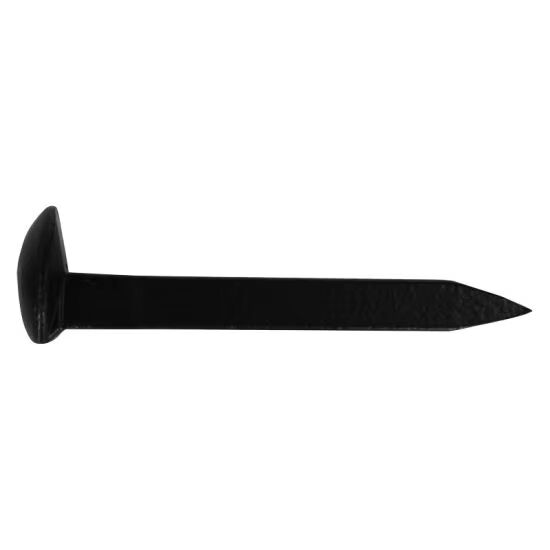
Railway infrastructure depends on countless components working in harmony to ensure safe and efficient train operations. Among these critical elements, the dog spike stands as one of the most fundamental yet often overlooked fastening systems that secure rails to railroad ties. This traditional spike has been the backbone of railway construction for over a century, playing an essential role in maintaining track alignment and preventing dangerous rail movement that could lead to derailments or catastrophic accidents.
The relationship between proper fastening systems and railway safety cannot be overstated. When a dog spike fails to maintain its grip or becomes loose due to thermal expansion, heavy loads, or environmental factors, the consequences can be severe. Understanding how these seemingly simple fasteners contribute to overall track stability provides valuable insight into the complex engineering requirements of modern railway systems and the ongoing evolution of track maintenance practices.
Understanding the Engineering Principles of Dog Spike Systems
Mechanical Properties and Load Distribution
The dog spike functions as a mechanical anchor that transfers lateral and vertical forces from the rail to the tie structure. When trains pass over tracks, enormous dynamic loads are generated that must be effectively distributed across the entire track foundation. Each dog spike must withstand not only the static weight of rolling stock but also the amplified forces created by wheel-rail interaction, particularly during acceleration, braking, and cornering maneuvers.
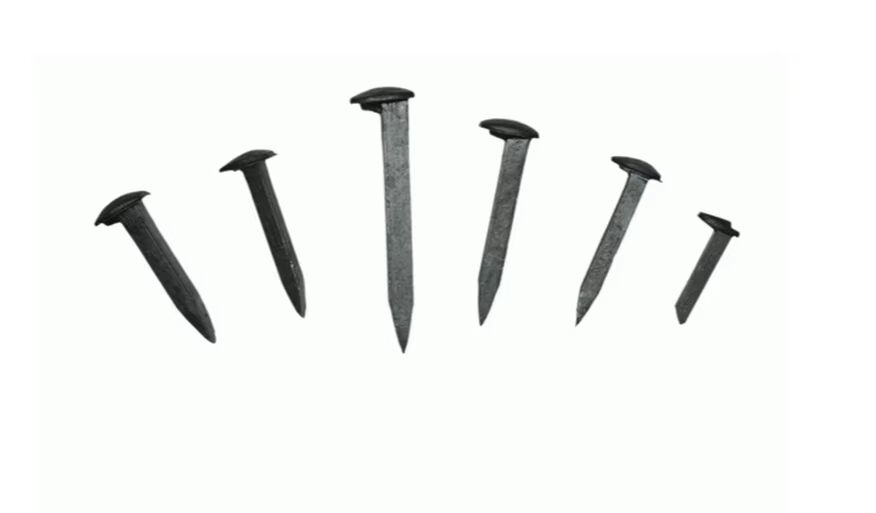
Modern railway engineering recognizes that the dog spike creates a clamping force that prevents rail movement in multiple directions. The spike's tapered design allows it to bite into the wooden tie material, creating a wedging action that increases holding power under load. This mechanical advantage becomes particularly important when dealing with heavy freight trains that can generate forces exceeding several tons per axle on the fastening system.
The metallurgical properties of quality dog spike products are carefully engineered to provide optimal performance characteristics. High-carbon steel composition ensures adequate strength and durability while maintaining sufficient ductility to absorb shock loads without brittle failure. Heat treatment processes further enhance the spike's ability to maintain its holding power over extended service periods, even under extreme temperature variations and repeated loading cycles.
Installation Techniques and Alignment Precision
Proper installation of each dog spike requires precise techniques that directly impact track alignment accuracy. The angle of insertion, depth of penetration, and spacing between spikes all contribute to the overall stability of the rail system. Professional track crews understand that even minor variations in dog spike placement can create alignment issues that compound over time, leading to accelerated wear patterns and potential safety concerns.
Track alignment tolerances in modern railways are measured in millimeters, requiring fastening systems that can maintain these precise specifications under varying operational conditions. The dog spike's ability to provide consistent clamping force across different tie materials and environmental conditions makes it an essential component in achieving and maintaining these strict alignment standards throughout the track's service life.
Advanced installation equipment has revolutionized dog spike placement accuracy, enabling consistent penetration depths and optimal holding angles. Pneumatic and hydraulic spike drivers ensure uniform installation quality while reducing the physical demands on track maintenance crews. These technological improvements have significantly enhanced the reliability and longevity of dog spike installations in both new construction and maintenance applications.
Impact on Track Stability and Geometric Alignment
Longitudinal and Lateral Force Management
Track stability depends heavily on the dog spike's ability to resist longitudinal forces that attempt to push or pull rails out of their intended position. These forces are particularly pronounced in areas with steep grades, tight curves, or frequent acceleration and deceleration zones. A properly installed dog spike system creates a distributed resistance network that prevents cumulative rail movement that could compromise track geometry.
Lateral stability requirements vary significantly depending on track curvature and operating speeds. In straight track sections, the dog spike must maintain precise gauge measurements to prevent wheel flange contact and excessive wear. On curved sections, additional lateral forces from centrifugal effects and wheel-rail steering forces place increased demands on the fastening system's ability to maintain proper rail positioning and cant angles.
The interaction between multiple dog spike installations creates a cumulative stability effect that extends beyond the holding power of individual fasteners. This distributed fastening approach ensures that even if several spikes become loose or fail, the remaining installations can maintain adequate track stability until maintenance crews can address the deficiencies. This redundancy is crucial for maintaining safe operations on high-traffic railway corridors.
Thermal Expansion and Seasonal Movement Control
Temperature variations create significant challenges for track stability, with steel rails expanding and contracting based on ambient conditions. The dog spike system must accommodate these thermal movements while maintaining proper rail positioning and joint integrity. Understanding how fastening systems respond to thermal stress is essential for predicting and preventing track geometry problems that could affect train safety.
Seasonal temperature swings can create rail length changes of several inches over long sections of track. The dog spike's grip on the tie must be sufficient to control these movements while preventing the development of excessive internal stresses that could lead to rail fractures or joint failures. Proper fastening design considers both the immediate holding requirements and the long-term effects of repeated thermal cycling on system performance.
Cold weather conditions present particular challenges for dog spike performance, as reduced temperatures can affect both the metal properties of the fastener and the dimensional stability of wooden ties. Ice formation and freeze-thaw cycles can create additional stresses that must be accommodated by robust fastening systems designed for extreme environmental conditions.
Safety Implications and Risk Management
Derailment Prevention and Failure Modes
The relationship between dog spike integrity and derailment prevention is direct and measurable. When fastening systems fail to maintain proper rail position, the resulting track geometry deviations can exceed safe operating limits and create conditions conducive to wheel lift-off or gauge spreading. Understanding these failure modes is crucial for developing effective inspection and maintenance protocols that prioritize safety-critical components.
Research has documented numerous incidents where inadequate dog spike maintenance contributed to track-related derailments. These cases highlight the importance of regular fastening system inspections and prompt replacement of worn or damaged spikes before they can compromise track stability. Modern railway safety management systems incorporate specific protocols for monitoring dog spike condition as part of comprehensive track inspection programs.
Progressive failure patterns in dog spike installations often provide early warning signs that can be detected through systematic inspection procedures. Loose spikes, excessive rail movement, and abnormal wear patterns all indicate potential problems that require immediate attention. Training track maintenance personnel to recognize these warning signs is essential for preventing minor fastening issues from escalating into major safety concerns.
Load Capacity and Dynamic Performance
The dynamic loading environment of modern railways subjects dog spike systems to complex force combinations that vary with train speed, axle loads, and track conditions. Understanding the load capacity limitations of different spike designs helps engineers select appropriate fastening systems for specific applications and operating requirements. This knowledge is particularly important when upgrading existing track to accommodate heavier trains or higher operating speeds.
Impact forces from wheel-rail interaction can create momentary loads that significantly exceed static design values. The dog spike must absorb these impact forces without permanent deformation or loss of holding power. Advanced testing methods have been developed to evaluate spike performance under simulated service conditions, providing valuable data for improving fastening system designs and installation practices.
Fatigue resistance becomes a critical factor in high-traffic applications where dog spike systems experience millions of loading cycles during their service life. Material selection and manufacturing processes must consider these cyclic loading requirements to ensure adequate service life and reliability. Quality control procedures verify that each spike meets stringent fatigue performance standards before installation in revenue service applications.
Maintenance Strategies and Performance Optimization
Inspection Protocols and Condition Assessment
Effective maintenance of dog spike installations requires systematic inspection procedures that can detect developing problems before they affect train safety or service reliability. Visual inspections focus on identifying loose spikes, excessive rail movement, and signs of fastener fatigue or corrosion. Advanced inspection techniques using specialized equipment can measure spike tension and detect internal defects that may not be visible during routine examinations.
Condition assessment criteria for dog spike systems have evolved to incorporate predictive maintenance principles that optimize replacement timing and resource allocation. Rather than waiting for complete failure, modern maintenance practices identify spikes that are approaching the end of their useful service life and schedule replacement during planned maintenance windows. This proactive approach minimizes service disruptions while maintaining optimal track safety and performance.
Documentation and trending of dog spike condition data provides valuable insights into performance patterns and helps identify factors that influence fastener longevity. Environmental conditions, traffic density, and rail grade all affect spike service life and should be considered when developing maintenance schedules and replacement strategies for different track segments.
Replacement Techniques and System Upgrades
Modern spike replacement techniques have been refined to minimize track geometry disturbance and reduce maintenance time requirements. Specialized tools allow crews to remove and install dog spike fasteners efficiently while maintaining precise track alignment throughout the process. These improved methods are particularly important in high-density traffic corridors where maintenance windows are limited and track availability is critical.
System upgrade opportunities often arise during routine maintenance activities when older dog spike installations are replaced with improved designs or alternative fastening systems. Evaluation criteria for these upgrades consider factors such as holding power, installation efficiency, maintenance requirements, and life cycle costs. The decision to upgrade typically involves balancing improved performance benefits against installation costs and operational impacts.
Quality assurance procedures for dog spike replacement ensure that new installations meet or exceed original design specifications. Post-installation testing verifies proper spike seating, adequate holding power, and correct track geometry. These verification steps are essential for maintaining the safety and reliability improvements that justify fastening system upgrades and replacements.
FAQ
What factors determine the holding power of a dog spike in railway applications
The holding power of a dog spike depends on several critical factors including the spike's material properties, installation angle, penetration depth, and the condition of the tie material. High-quality steel composition provides the necessary strength and durability, while proper installation techniques ensure optimal mechanical advantage through the spike's wedging action. The type and moisture content of the tie material also significantly influence holding capacity, with hardwood ties generally providing superior grip compared to softwood alternatives.
How often should dog spike installations be inspected for safety compliance
Railway safety regulations typically require visual inspection of dog spike installations as part of regular track inspection cycles, which can range from weekly to monthly depending on traffic density and operating conditions. High-speed corridors and heavy freight lines generally require more frequent inspections, while lighter-use branch lines may follow extended inspection intervals. Additional inspections should be conducted after severe weather events, heavy loading periods, or any incidents that could affect fastening system integrity.
Can dog spikes be reused after removal during track maintenance
Dog spike reuse is generally not recommended for safety-critical railway applications due to potential fatigue damage, dimensional changes, and reduced holding power that can occur during the initial installation and removal process. Even spikes that appear undamaged may have experienced stress concentrations or material property changes that compromise their performance. Most railway maintenance standards require the use of new spikes for all installations to ensure consistent performance and reliability throughout the fastening system's service life.
What are the main advantages of dog spikes compared to other rail fastening systems
Dog spikes offer several advantages including simple installation procedures, compatibility with standard wooden ties, cost-effectiveness for many applications, and proven long-term reliability in appropriate service conditions. Their mechanical fastening principle provides excellent resistance to lateral and longitudinal forces without requiring complex hardware or specialized maintenance procedures. Additionally, dog spike systems can accommodate minor variations in tie condition and installation tolerances while maintaining adequate holding power for most conventional railway operations.
Table of Contents
- Understanding the Engineering Principles of Dog Spike Systems
- Impact on Track Stability and Geometric Alignment
- Safety Implications and Risk Management
- Maintenance Strategies and Performance Optimization
-
FAQ
- What factors determine the holding power of a dog spike in railway applications
- How often should dog spike installations be inspected for safety compliance
- Can dog spikes be reused after removal during track maintenance
- What are the main advantages of dog spikes compared to other rail fastening systems