
 EN
EN
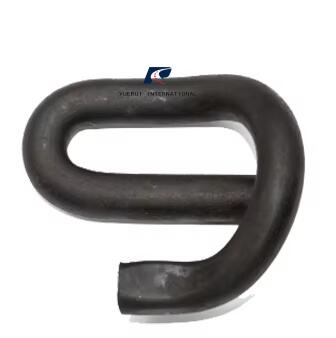
Modern railway infrastructure faces unprecedented demands as transportation networks evolve to accommodate higher speeds and heavier cargo loads. The foundation of reliable rail systems depends heavily on innovative engineering solutions that can absorb dynamic forces while maintaining structural integrity. Elastic strips have emerged as a critical component in contemporary railway design, providing essential vibration dampening and load distribution capabilities that enable safe operation under extreme conditions.
Railway engineering has witnessed remarkable advancements in materials science and structural design, particularly in the development of specialized components that enhance track performance. These innovative solutions address the complex challenges posed by increasing train speeds and cargo weights, which generate substantial dynamic forces that must be effectively managed to prevent track degradation and ensure passenger safety.
The integration of advanced dampening systems in railway infrastructure represents a significant leap forward in addressing the mechanical stresses inherent in modern transportation systems. Engineers have recognized that traditional rigid mounting systems are inadequate for handling the complex load patterns generated by contemporary rolling stock, leading to the development of sophisticated elastic solutions that can adapt to varying operational conditions.
Engineering Principles Behind Elastic Railway Components
Load Distribution Mechanisms
The fundamental principle underlying elastic strips involves their ability to distribute concentrated wheel loads across a broader surface area, effectively reducing point stresses that can cause premature track deterioration. These components function as intermediary layers between the rail superstructure and the supporting ballast or concrete foundation, creating a buffer zone that absorbs and dissipates energy from passing trains.
When trains traverse the tracks at high speeds, wheel-rail interactions generate complex force patterns that include vertical loads, lateral forces, and longitudinal stresses. Elastic strips work by deforming under load and then returning to their original shape, effectively converting kinetic energy into elastic potential energy and subsequently releasing it in a controlled manner that minimizes impact on the surrounding infrastructure.
The material properties of elastic strips are carefully engineered to provide optimal stiffness characteristics that balance load-bearing capacity with flexibility. This balance ensures that the strips can support heavy freight loads while remaining responsive enough to accommodate the dynamic forces generated by high-speed passenger trains.
Vibration Dampening Technology
Vibration control represents another critical function of elastic strips in railway applications, as excessive vibrations can lead to track instability, increased maintenance requirements, and potential safety hazards. The dampening properties of these components help attenuate both low-frequency vibrations caused by heavy freight movements and high-frequency oscillations generated by rapid passenger service.
The cellular structure and material composition of modern elastic strips enable them to absorb vibrational energy across a broad frequency spectrum, effectively reducing the transmission of mechanical disturbances to the surrounding track structure. This dampening capability is particularly important in urban environments where railway operations must comply with strict noise and vibration regulations.
Advanced elastic strips incorporate multiple layers of specialized materials, each optimized for specific frequency ranges and load conditions. This multi-layered approach allows engineers to fine-tune the dynamic response characteristics of the track system to match the operational requirements of different railway services, from high-speed intercity trains to heavy freight operations.
Material Science and Manufacturing Innovations
Polymer Technology Advancements
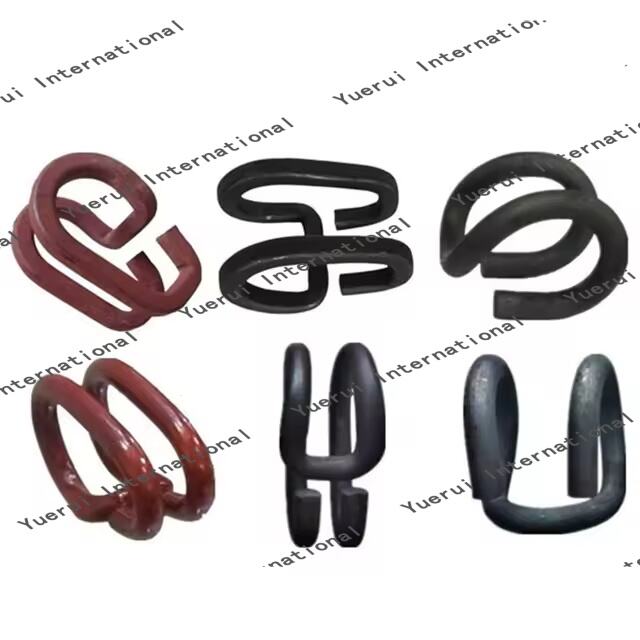
The development of high-performance elastic strips relies heavily on advances in polymer science, particularly in the formulation of materials that can maintain their mechanical properties under extreme environmental conditions. Modern elastic strips utilize sophisticated polymer blends that provide excellent durability, chemical resistance, and temperature stability across the wide range of conditions encountered in railway service.
Thermoplastic elastomers and specially formulated rubber compounds form the basis of contemporary elastic strips, offering superior performance compared to traditional materials. These advanced polymers resist degradation from ultraviolet radiation, ozone exposure, and chemical contaminants commonly found in railway environments, ensuring long-term reliability and reduced maintenance costs.
Manufacturing processes for elastic strips have evolved to incorporate precision molding techniques that ensure consistent material properties and dimensional accuracy. Quality control measures include rigorous testing protocols that evaluate compression set resistance, tensile strength, and fatigue performance under simulated service conditions.
Composite Material Integration
Recent innovations in elastic strips include the integration of reinforcing fibers and fillers that enhance specific performance characteristics while maintaining the flexibility essential for effective vibration dampening. Glass fibers, carbon reinforcements, and mineral additives are strategically incorporated to improve load-bearing capacity without compromising the elastic properties of the base material.
The selection and distribution of reinforcing materials within elastic strips requires careful engineering analysis to ensure that the composite structure provides uniform performance characteristics across the entire component surface. Advanced manufacturing techniques enable precise control over fiber orientation and density, allowing engineers to optimize the mechanical properties for specific railway applications.
Hybrid elastic strips combining multiple material systems offer enhanced performance in demanding applications where conventional single-material solutions may be inadequate. These composite designs leverage the unique properties of different materials to create components that excel in multiple performance categories simultaneously.
High-Speed Rail Applications and Performance Requirements
Dynamic Load Management
High-speed railway operations subject track infrastructure to unique challenges that require specialized engineering solutions to maintain safe and reliable service. Elastic strips play a crucial role in managing the dynamic loads generated by trains operating at speeds exceeding 200 kilometers per hour, where traditional track components may experience resonance effects and accelerated wear.
The aerodynamic forces generated by high-speed trains create additional loading patterns that must be considered in the design of elastic strips and their integration into the overall track system. These forces can induce complex vibration modes that require sophisticated dampening strategies to prevent track instability and ensure passenger comfort.
Elastic strips designed for high-speed applications incorporate advanced material formulations that provide consistent performance characteristics across the wide range of frequencies and loading rates encountered in service. The stiffness properties of these components are carefully calibrated to complement the natural frequencies of the track system, preventing harmful resonance effects that could lead to catastrophic failure.
Track Geometry Maintenance
Maintaining precise track geometry is essential for high-speed railway operations, as even minor deviations can result in increased dynamic forces, reduced passenger comfort, and potential safety hazards. Elastic strips contribute to geometry stability by providing uniform support that minimizes differential settlement and prevents the development of track irregularities.
The load distribution capabilities of elastic strips help prevent localized deformation of the track bed, which is particularly important in high-speed applications where geometric precision must be maintained within extremely tight tolerances. By spreading loads over a larger area, these components reduce stress concentrations that could lead to permanent deformation of the supporting structure.
Long-term geometric stability is enhanced by the consistent elastic properties of modern elastic strips, which maintain their performance characteristics throughout extended service life. This reliability reduces maintenance requirements and helps ensure that high-speed railway systems can maintain their demanding operational schedules with minimal disruption.
Heavy Freight Rail Infrastructure Support
Axle Load Distribution
Heavy freight railway operations present distinct challenges related to the extreme axle loads imposed by modern freight cars, which can exceed 30 tons per axle in some applications. Elastic strips designed for freight service must provide robust load-bearing capacity while maintaining sufficient flexibility to accommodate the slow-speed, high-force loading patterns characteristic of freight operations.
The quasi-static loading conditions encountered in freight service differ significantly from the dynamic loading patterns of passenger trains, requiring elastic strips with specialized material properties that can support sustained heavy loads without experiencing creep or permanent deformation. These components must maintain their structural integrity under prolonged compression while providing effective vibration isolation.
Elastic strips used in heavy freight applications often incorporate reinforcing elements that enhance their load-bearing capacity while preserving the elastic characteristics essential for effective track performance. The balance between strength and flexibility is critical for ensuring that these components can support heavy loads while continuing to provide vibration dampening and load distribution benefits.
Fatigue Resistance and Durability
The repetitive loading cycles associated with heavy freight operations place significant demands on elastic strips, requiring materials and designs that can withstand millions of load cycles without degradation. Fatigue resistance is a critical performance parameter that determines the service life of these components and their overall economic viability in freight applications.
Advanced elastic strips incorporate fatigue-resistant material formulations that maintain their mechanical properties throughout extended service life, even under the harsh loading conditions encountered in heavy freight service. These materials are specifically engineered to resist crack propagation and maintain structural integrity despite repeated stress cycling.
Durability testing protocols for freight-grade elastic strips include accelerated fatigue testing under simulated service conditions, ensuring that these components can meet the demanding reliability requirements of modern freight railway operations. Quality assurance measures verify that production components consistently meet or exceed specified performance standards.
Environmental Considerations and Sustainability
Weather Resistance and Climate Adaptation
Railway infrastructure must operate reliably across diverse climate conditions, from arctic cold to tropical heat, requiring elastic strips that maintain their performance characteristics throughout extreme temperature ranges. Modern elastic strips are formulated with specialized additives that prevent brittleness at low temperatures while maintaining dimensional stability at elevated temperatures.
UV resistance is another critical environmental consideration, as elastic strips are often exposed to direct sunlight that can cause polymer degradation over time. Advanced material formulations incorporate UV stabilizers and antioxidants that protect against photodegradation, ensuring long-term performance in outdoor railway applications.
Moisture resistance and chemical compatibility are essential for elastic strips operating in environments with high humidity, salt spray, or industrial contaminants. The material selection and surface treatments applied to these components are designed to resist swelling, chemical attack, and biological degradation that could compromise their performance.
Lifecycle Assessment and Recycling
Sustainable development practices in railway infrastructure increasingly emphasize the environmental impact of component materials and their end-of-life disposal. Modern elastic strips are designed with consideration for their complete lifecycle, from raw material sourcing through manufacturing, service life, and eventual recycling or disposal.
Recyclable polymer formulations enable elastic strips to be processed at the end of their service life, recovering valuable materials for use in new components or alternative applications. This circular economy approach reduces waste and minimizes the environmental footprint of railway infrastructure development.
Energy efficiency considerations in the manufacturing of elastic strips include the optimization of production processes to minimize energy consumption and waste generation. Sustainable manufacturing practices contribute to the overall environmental performance of railway systems and support industry sustainability goals.
Installation and Maintenance Considerations
Installation Procedures and Quality Control
Proper installation of elastic strips is critical for achieving optimal performance and ensuring the long-term reliability of railway track systems. Installation procedures must account for the specific requirements of different elastic strip designs and the varying conditions encountered in railway construction projects.
Quality control measures during installation include verification of component placement, compression settings, and interface conditions that affect the performance of elastic strips in service. Proper training of installation crews ensures that these critical components are installed according to manufacturer specifications and industry best practices.
Field testing and monitoring protocols help verify that installed elastic strips are performing as designed and identify any issues that may require corrective action. These quality assurance measures are essential for maintaining the safety and reliability standards required for modern railway operations.
Preventive Maintenance Strategies
Effective maintenance programs for elastic strips focus on preventive measures that identify potential issues before they impact track performance or safety. Regular inspection protocols evaluate the condition of elastic strips and assess their remaining service life based on visual examination and performance measurements.
Predictive maintenance techniques utilize advanced monitoring systems to track the performance of elastic strips over time, enabling maintenance teams to optimize replacement schedules and minimize disruption to railway operations. These data-driven approaches improve the efficiency of maintenance operations and reduce lifecycle costs.
Maintenance documentation and performance tracking systems help railway operators optimize their elastic strip replacement strategies and identify opportunities for improving component specifications or installation procedures based on field experience and performance data.
FAQ
What are the primary benefits of using elastic strips in railway track systems
Elastic strips provide several critical benefits including vibration dampening, load distribution, reduced track maintenance, and improved ride quality. They absorb dynamic forces from trains, distribute loads more evenly across the track structure, and help maintain track geometry stability over time. These components significantly extend track life and reduce maintenance costs while enhancing passenger comfort and operational safety.
How do elastic strips perform differently in high-speed versus heavy freight applications
High-speed applications require elastic strips optimized for dynamic loading and vibration control at various frequencies, while heavy freight applications need components designed for sustained heavy loads and fatigue resistance. High-speed elastic strips focus on maintaining track geometry precision and dampening rapid force variations, whereas freight-grade components emphasize load-bearing capacity and long-term durability under repetitive heavy loading cycles.
What environmental factors affect the performance and lifespan of elastic strips
Temperature extremes, UV radiation, moisture, chemical exposure, and freeze-thaw cycles all impact elastic strip performance. Modern elastic strips are formulated with specialized additives to resist these environmental challenges, including UV stabilizers, antioxidants, and weather-resistant polymers. Proper material selection based on local climate conditions is essential for achieving optimal service life and maintaining consistent performance characteristics.
How do maintenance requirements compare between traditional track systems and those using elastic strips
Track systems incorporating elastic strips typically require less frequent maintenance due to reduced dynamic loading on track components and improved load distribution. While elastic strips themselves require periodic inspection and eventual replacement, they significantly reduce ballast maintenance, rail wear, and track geometry corrections. The overall maintenance cost is generally lower despite the initial component investment, with extended intervals between major track renewals.
Table of Contents
- Engineering Principles Behind Elastic Railway Components
- Material Science and Manufacturing Innovations
- High-Speed Rail Applications and Performance Requirements
- Heavy Freight Rail Infrastructure Support
- Environmental Considerations and Sustainability
- Installation and Maintenance Considerations
-
FAQ
- What are the primary benefits of using elastic strips in railway track systems
- How do elastic strips perform differently in high-speed versus heavy freight applications
- What environmental factors affect the performance and lifespan of elastic strips
- How do maintenance requirements compare between traditional track systems and those using elastic strips