
 EN
EN
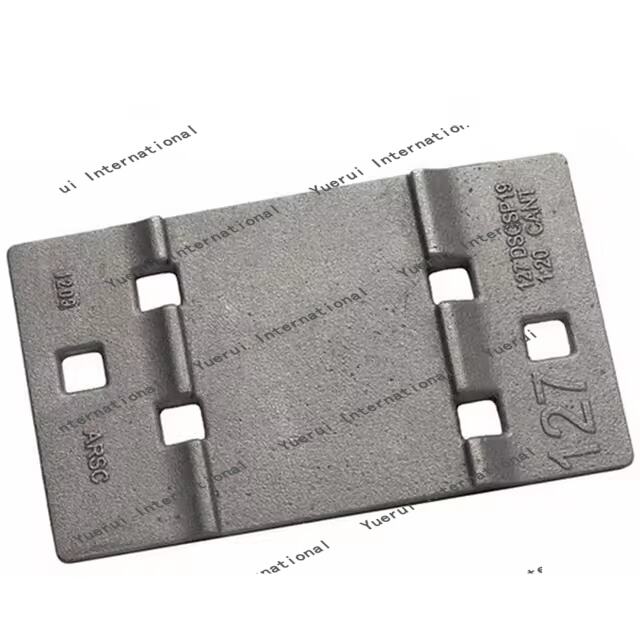
Large-scale construction and infrastructure projects demand precision, efficiency, and reliability at every stage of development. Among the foundational elements that ensure project success, standardized baseplates emerge as critical components that provide structural stability and streamline installation processes. These engineered solutions offer consistent performance across diverse applications, from railway systems to industrial facilities, making them indispensable for project managers and engineers seeking optimal outcomes.
The implementation of standardized baseplates in major projects represents a strategic approach to construction management that addresses multiple operational challenges simultaneously. These components serve as the foundation upon which various structural elements rest, distributing loads evenly and ensuring long-term stability. Their standardized nature eliminates guesswork in specifications, reduces procurement complexities, and accelerates project timelines through predictable performance characteristics.
Modern construction environments increasingly favor solutions that combine technical excellence with operational efficiency. Standardized baseplates fulfill this requirement by offering pre-engineered specifications that meet industry standards while providing flexibility for diverse applications. Their adoption across large projects reflects an industry-wide shift toward systematic approaches that prioritize quality assurance and project predictability.
Enhanced Project Efficiency Through Standardization
Streamlined Procurement Processes
The procurement phase of large projects often presents significant logistical challenges, particularly when dealing with custom-manufactured components. Standardized baseplates eliminate these complications by offering readily available specifications that contractors and suppliers can easily reference and fulfill. This accessibility reduces lead times substantially, allowing project schedules to maintain their intended pace without delays caused by specialized manufacturing requirements.
Supply chain management benefits tremendously from the predictable nature of standardized baseplates. Suppliers can maintain adequate inventory levels of these components, ensuring immediate availability when projects require rapid deployment. This inventory reliability translates into cost savings for large projects, as bulk purchasing opportunities become more feasible and emergency procurement premiums are avoided.
Furthermore, the standardization process simplifies vendor qualification procedures. Project teams can evaluate suppliers based on their ability to deliver consistent quality within established specifications rather than assessing custom manufacturing capabilities. This streamlined evaluation process accelerates contractor selection and reduces administrative overhead throughout the procurement cycle.
Accelerated Installation Timelines
Installation efficiency represents a crucial factor in large project success, where time delays can cascade into significant cost overruns. Standardized baseplates contribute to accelerated installation timelines through their consistent dimensions and connection methodologies. Installation crews become familiar with standardized procedures, reducing the learning curve associated with each new project phase.
The predictable nature of standardized baseplates enables project planners to develop more accurate installation schedules. Resource allocation becomes more precise when crews understand exactly what tools, equipment, and techniques will be required for each installation sequence. This predictability extends to material handling procedures, where standardized weights and dimensions allow for optimized lifting and positioning strategies.
Quality control processes also benefit from standardization, as inspection criteria remain consistent across all installations. Quality assurance teams can develop standardized checklists and verification procedures that ensure every baseplate installation meets project specifications. This systematic approach to quality control reduces rework incidents and maintains project momentum.
Cost Optimization Advantages
Economies of Scale Benefits
Large projects inherently present opportunities for cost optimization through volume purchasing, and standardized baseplates maximize these advantages. When projects utilize consistent specifications across multiple installations, procurement teams can negotiate favorable pricing structures based on substantial quantity requirements. These economies of scale extend beyond initial purchase prices to include transportation efficiencies and handling cost reductions.
Manufacturing efficiencies also contribute to cost advantages when standardized baseplates are produced in large quantities. Suppliers can optimize their production processes for specific standardized designs, reducing per-unit manufacturing costs that benefit project budgets. These savings become particularly significant in projects requiring hundreds or thousands of baseplate installations.
Storage and inventory management costs decrease when projects utilize standardized components. Warehouse operations become more efficient when handling uniform products, and inventory tracking systems can manage standardized baseplates more effectively than varied custom components. These operational efficiencies translate into measurable cost reductions for large project budgets.
Reduced Engineering and Design Costs
Engineering design phases often consume substantial portions of project budgets, particularly when custom solutions require extensive analysis and validation. Standardized baseplates reduce these engineering costs by providing pre-validated designs that have undergone rigorous testing and certification processes. Project engineers can reference established performance data rather than conducting extensive custom analysis for each application.
Design verification procedures become streamlined when standardized baseplates are specified. Engineering teams can leverage existing test data and performance documentation to validate their design choices, reducing the time and resources required for technical validation. This efficiency allows engineering resources to focus on other critical project aspects rather than repetitive component analysis.
Documentation requirements also benefit from standardization, as technical specifications, installation procedures, and maintenance guidelines already exist in standardized formats. This documentation availability reduces project-specific documentation development costs and ensures that all stakeholders have access to comprehensive technical information.
Quality Assurance and Performance Reliability
Consistent Manufacturing Standards
Quality consistency represents a fundamental advantage of standardized baseplates in large project applications. Manufacturing processes for standardized components undergo rigorous quality control procedures that ensure each unit meets identical performance specifications. This consistency eliminates the variability often associated with custom manufacturing, where quality can fluctuate based on production conditions and manufacturing capabilities.
Testing and certification processes for standardized baseplates provide additional quality assurance benefits. These components typically undergo comprehensive testing protocols that validate their performance under various loading conditions and environmental exposures. Project teams can rely on this testing data to predict component performance with confidence, reducing the risk of field failures.
Material traceability systems associated with standardized baseplates provide detailed documentation of material sources, manufacturing processes, and quality control results. This traceability enables project teams to verify component quality and maintain comprehensive records for regulatory compliance and warranty purposes.
Predictable Performance Characteristics
Performance predictability becomes crucial in large projects where component failures can have cascading effects throughout the entire structure. Standardized baseplates offer well-documented performance characteristics that engineers can incorporate into their structural analyses with confidence. Load capacities, deflection limits, and durability expectations are clearly defined through extensive testing and field experience.
Long-term performance data for standardized baseplates provides valuable insights into maintenance requirements and service life expectations. Project owners can develop accurate life-cycle cost analyses based on this historical performance information, enabling better long-term financial planning and maintenance scheduling.
Environmental performance characteristics of standardized baseplates undergo thorough evaluation under various exposure conditions. This testing ensures that components will perform reliably in diverse climatic conditions and exposure environments, reducing the risk of premature deterioration or performance degradation.
Simplified Maintenance and Replacement
Standardized Maintenance Procedures
Maintenance operations for large projects benefit significantly from the consistency provided by standardized baseplates. Maintenance crews can develop standardized procedures that apply across all installations, reducing training requirements and improving maintenance efficiency. This standardization extends to tool requirements, inspection procedures, and replacement protocols.
Spare parts inventory management becomes more straightforward when projects utilize standardized baseplates. Maintenance departments can maintain focused inventories of standardized components rather than managing diverse collections of custom parts. This focused approach reduces inventory costs while ensuring critical spare parts remain readily available.
Maintenance scheduling also benefits from standardization, as service intervals and maintenance requirements remain consistent across all installations. Project maintenance teams can develop efficient maintenance routes and schedules that optimize resource utilization while ensuring all components receive appropriate attention.
Replacement Component Availability
Component replacement scenarios, whether planned or emergency-driven, become more manageable when projects utilize standardized baseplates. Replacement components remain available through standard supply channels, eliminating the need for custom manufacturing during critical replacement situations. This availability ensures minimal downtime during maintenance operations.
Emergency replacement scenarios particularly benefit from standardized component availability. When unexpected failures occur, maintenance teams can quickly source replacement standardized baseplates without waiting for custom manufacturing. This rapid replacement capability minimizes project disruptions and maintains operational continuity.
Future expansion or modification projects also benefit from standardized baseplate adoption. When project expansions occur, engineers can specify identical components with confidence, knowing that performance characteristics and installation procedures remain consistent with existing installations.
Risk Mitigation and Project Security
Reduced Technical Risk
Technical risk reduction represents a significant advantage of standardized baseplates in large project environments. These components undergo extensive field testing across multiple applications, providing comprehensive performance validation that reduces uncertainty in new installations. Project teams can reference extensive case studies and performance data when evaluating technical risks.
Design validation risks decrease substantially when standardized baseplates are specified. Engineering teams can leverage proven performance data rather than relying on theoretical calculations or limited testing for custom solutions. This validation reduces the likelihood of design errors or performance shortfalls that could compromise project success.
Installation risks also diminish when experienced crews work with familiar standardized components. Installation errors become less likely when crews understand standard procedures and have experience with identical components from previous projects. This familiarity contributes to higher installation quality and reduced rework requirements.
Supply Chain Risk Management
Supply chain vulnerabilities can significantly impact large project schedules and budgets, making risk mitigation strategies essential for project success. Standardized baseplates offer multiple supply source options, reducing dependence on single suppliers and mitigating supply chain disruptions. This supplier diversity provides project teams with alternative sourcing options when primary suppliers experience difficulties.
Quality consistency across multiple suppliers becomes more achievable with standardized baseplates, as manufacturing specifications remain identical regardless of the chosen supplier. This consistency enables project teams to qualify multiple suppliers without compromising quality standards, providing additional supply security.
International supply options expand when projects utilize standardized baseplates, as these components often comply with international standards that enable global sourcing. This international availability provides additional supply chain flexibility and can offer cost advantages through competitive international pricing.
Environmental and Sustainability Considerations
Material Efficiency Optimization
Sustainability considerations increasingly influence large project decision-making processes, and standardized baseplates contribute positively to environmental objectives. Manufacturing efficiency improvements associated with standardized production reduce material waste and energy consumption per unit produced. These efficiencies translate into reduced environmental impact for large projects requiring numerous components.
Recycling and end-of-life management become more straightforward with standardized baseplates. Consistent material compositions and standardized designs facilitate recycling processes and material recovery operations. This recyclability contributes to circular economy principles and reduces long-term environmental impact.
Transportation efficiency also benefits from standardized baseplate adoption. Optimized packaging designs for standardized components reduce transportation volume requirements and improve shipping efficiency. These transportation improvements contribute to reduced carbon footprints for large projects.
Long-term Durability Benefits
Durability characteristics of standardized baseplates undergo extensive validation through field testing and performance monitoring. This validation ensures that these components provide extended service life, reducing replacement frequency and associated environmental impacts. Longer service life translates into reduced material consumption over project lifecycles.
Maintenance requirements for standardized baseplates are well-documented and optimized through extensive field experience. Efficient maintenance procedures reduce resource consumption and minimize maintenance-related environmental impacts. This efficiency contributes to overall project sustainability objectives.
Performance consistency of standardized baseplates reduces the likelihood of premature failures that could necessitate emergency replacements. This reliability contributes to reduced waste generation and minimizes environmental disruptions associated with unplanned maintenance activities.
FAQ
What cost savings can large projects expect from using standardized baseplates?
Large projects typically experience cost savings of 15-25% when utilizing standardized baseplates compared to custom solutions. These savings result from economies of scale in procurement, reduced engineering design costs, streamlined installation procedures, and lower maintenance expenses. The exact savings depend on project scale and specific application requirements, but the cumulative effect of standardization benefits consistently delivers measurable cost reductions.
How do standardized baseplates affect project timeline schedules?
Project timelines often accelerate by 20-30% when standardized baseplates are implemented due to eliminated custom manufacturing lead times, streamlined procurement processes, and faster installation procedures. Installation crews become more efficient with familiar components, and quality control processes proceed more rapidly with established inspection criteria. These timeline improvements become particularly significant in large projects where schedule delays can have cascading effects throughout the project.
What quality assurance advantages do standardized baseplates provide?
Standardized baseplates offer superior quality assurance through consistent manufacturing processes, comprehensive testing validation, and extensive field performance data. Quality control procedures become more effective with standardized inspection criteria, and component reliability increases through proven performance characteristics. Material traceability systems provide detailed documentation for regulatory compliance and warranty purposes, ensuring long-term quality assurance.
Are standardized baseplates suitable for all large project applications?
While standardized baseplates accommodate the vast majority of large project requirements, certain specialized applications may require custom solutions. However, approximately 85-90% of typical large project baseplate applications can utilize standardized components effectively. Engineering teams should evaluate specific load requirements, environmental conditions, and installation constraints to determine suitability, but standardized options often provide acceptable performance even in demanding applications.