
 EN
EN
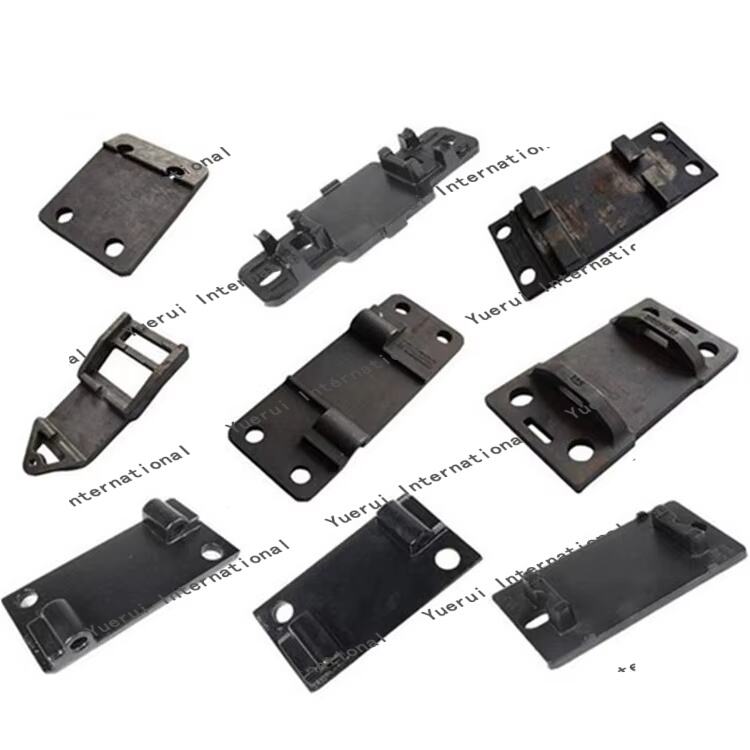
Railway infrastructure forms the backbone of modern transportation systems, where every component plays a crucial role in ensuring safe and efficient operations. Among these essential components, railway baseplates serve as fundamental elements that provide critical stability and safety benefits throughout the entire rail network. These specialized plates create the vital connection between railway tracks and their supporting structures, distributing loads effectively while maintaining proper track geometry. Understanding the importance of railway baseplates becomes essential for engineers, contractors, and railway operators who prioritize both operational excellence and passenger safety in their projects.
Fundamental Role of Railway Baseplates in Track Systems
Load Distribution Mechanisms
Railway baseplates function as critical load distribution components that transfer the enormous forces generated by passing trains from the rails to the underlying support structure. When trains traverse railway tracks, they create dynamic loads that can reach several tons per axle, creating concentrated pressure points that could potentially damage the track system without proper distribution. The baseplate acts as an intermediary element, spreading these concentrated forces across a larger surface area of the sleeper or tie, thereby reducing the stress concentration and preventing localized failures.
The engineering principle behind effective load distribution relies on the baseplate's ability to maintain intimate contact with both the rail foot and the sleeper surface. This contact ensures that forces are transmitted uniformly, preventing the development of stress concentrations that could lead to rail seat deterioration or sleeper cracking. Modern railway baseplates incorporate advanced design features that optimize this load distribution, including carefully engineered contact surfaces and strategic reinforcement patterns that enhance their load-bearing capabilities.
Track Geometry Maintenance
Maintaining precise track geometry represents another fundamental function of railway baseplates, as proper alignment directly impacts both safety and operational efficiency. These plates provide stable positioning for rails, preventing lateral movement that could result in track irregularities or dangerous rail misalignment. The baseplate's design includes specific features such as rail guides and positioning shoulders that maintain the correct rail gauge and prevent unwanted movement during train passage.
Track geometry stability becomes particularly important in high-speed railway applications where even minor deviations can create significant safety hazards or operational disruptions. Railway baseplates contribute to this stability by providing consistent support points that resist both vertical and horizontal forces, ensuring that the track maintains its designed profile throughout its operational life. This geometric stability directly translates to improved ride quality, reduced maintenance requirements, and enhanced overall system reliability.
Safety Enhancement Through Baseplate Implementation
Derailment Prevention Systems
One of the most critical safety benefits provided by railway baseplates involves their role in derailment prevention through enhanced track stability and structural integrity. Properly installed baseplates create a robust foundation that prevents rail movement under the dynamic loading conditions experienced during normal train operations. This stability becomes essential in preventing the gradual rail displacement that can occur over time, which represents one of the primary contributing factors to railway accidents.
The anti-derailment properties of railway baseplates extend beyond simple rail positioning to include resistance against extreme loading conditions such as those encountered during emergency braking or severe weather events. Modern baseplate designs incorporate safety factors that account for these exceptional circumstances, providing additional security margins that help maintain track integrity even under challenging operational conditions. This enhanced safety performance directly contributes to reduced accident rates and improved overall railway system reliability.
Weather Resistance and Environmental Protection
Railway baseplates provide essential protection against environmental factors that can compromise track safety and performance over time. These plates act as barriers that prevent moisture infiltration into the rail-sleeper interface, reducing the risk of corrosion and structural deterioration that could lead to safety hazards. The protective function becomes particularly important in regions with harsh weather conditions where freeze-thaw cycles or excessive moisture could otherwise damage critical track components.
Environmental protection provided by railway baseplates extends to resistance against chemical exposure from industrial environments or coastal locations where salt spray might accelerate corrosion processes. Advanced baseplate materials and coatings offer enhanced resistance to these environmental challenges, ensuring long-term performance and safety even under demanding conditions. This environmental protection directly translates to extended service life and reduced maintenance requirements, contributing to both safety and economic benefits.
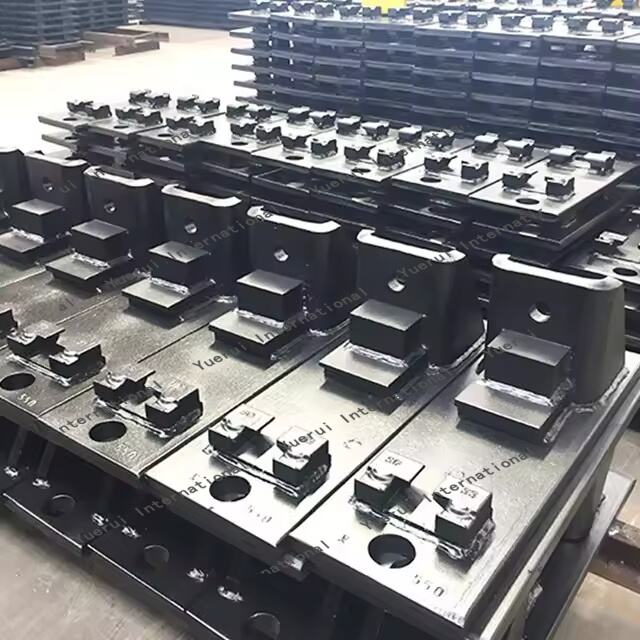
Stability Improvements in Railway Construction
Foundation Reinforcement Capabilities
Railway baseplates significantly enhance the overall stability of railway construction by providing reinforced connection points that distribute structural loads more effectively throughout the track system. This reinforcement becomes particularly important in areas with challenging soil conditions or where heavy freight operations create substantial loading demands. The baseplate's ability to spread loads across larger surface areas helps prevent settlement issues and maintains consistent track elevation over time.
The reinforcement capabilities of railway baseplates extend beyond simple load distribution to include improved resistance against dynamic forces that can cause track instability. These plates help dampen vibrations and reduce the transmission of dynamic loads to the underlying ballast and subgrade, thereby minimizing the potential for progressive track deterioration. This enhanced stability contributes to improved ride quality and reduced maintenance requirements throughout the track's operational life.
Construction Efficiency and Quality Control
The implementation of railway baseplates during construction phases provides significant advantages in terms of installation efficiency and quality control measures. These plates offer standardized mounting points that simplify the rail installation process while ensuring consistent positioning and alignment across the entire track system. This standardization reduces construction time and minimizes the potential for installation errors that could compromise track performance or safety.
Quality control benefits associated with baseplate usage include improved inspection capabilities and easier maintenance access throughout the track's service life. The standardized design of railway baseplates allows for more efficient monitoring of track condition and facilitates rapid identification of potential issues before they develop into serious problems. This enhanced monitoring capability contributes to proactive maintenance strategies that improve overall system reliability and safety performance.
Material Engineering and Design Innovations
Advanced Material Technologies
Modern railway baseplates incorporate advanced material technologies that enhance their performance characteristics and extend their operational lifespan significantly. High-strength steel alloys and specialized coating systems provide improved resistance to wear, corrosion, and fatigue failure while maintaining the structural integrity required for heavy-duty railway applications. These material innovations directly contribute to enhanced safety and stability by reducing the likelihood of component failure during service.
The development of composite materials and hybrid designs represents an emerging trend in railway baseplate technology, offering potential advantages in terms of weight reduction, corrosion resistance, and electromagnetic properties. These advanced materials maintain the essential structural characteristics required for railway applications while providing additional benefits such as reduced maintenance requirements and improved environmental compatibility. The integration of these technologies continues to drive improvements in overall railway system performance and reliability.
Design Optimization for Specific Applications
Contemporary railway baseplate design incorporates sophisticated engineering analysis and optimization techniques that tailor performance characteristics to specific operational requirements. High-speed rail applications demand different design parameters compared to heavy freight operations, leading to specialized baseplate configurations that optimize performance for their intended use. This application-specific optimization ensures maximum efficiency and safety for each particular railway system type.
The optimization process considers factors such as loading patterns, environmental conditions, maintenance accessibility, and long-term performance requirements to develop baseplate designs that provide optimal stability and safety characteristics. Advanced computational modeling and field testing validate these designs, ensuring that they meet stringent performance standards while providing cost-effective solutions for railway operators. This comprehensive approach to design optimization continues to drive innovations that enhance overall railway system performance.
Maintenance and Lifecycle Considerations
Preventive Maintenance Strategies
Effective maintenance strategies for railway baseplates focus on preventive measures that identify and address potential issues before they impact system safety or performance. Regular inspection protocols examine baseplate condition, proper rail seating, and fastener integrity to ensure continued optimal performance throughout the operational lifecycle. These preventive approaches significantly reduce the risk of unexpected failures while maintaining consistent safety and stability standards.
Modern maintenance practices incorporate advanced monitoring technologies that can detect early signs of baseplate deterioration or performance degradation. Ultrasonic testing, visual inspection techniques, and load monitoring systems provide comprehensive assessment capabilities that enable maintenance teams to make informed decisions about component replacement or repair requirements. This proactive approach to maintenance contributes to improved overall system reliability and safety performance.
Lifecycle Cost Analysis and Optimization
Comprehensive lifecycle cost analysis demonstrates that high-quality railway baseplates provide significant economic benefits through reduced maintenance requirements and extended service life. The initial investment in premium baseplate systems typically pays for itself through lower ongoing maintenance costs and reduced risk of operational disruptions caused by component failures. This economic analysis supports the selection of optimal baseplate solutions that balance initial costs with long-term performance requirements.
Lifecycle optimization strategies consider factors such as replacement scheduling, performance monitoring, and upgrade opportunities to maximize the value provided by railway baseplate investments. These strategies help railway operators develop comprehensive asset management plans that ensure continued safety and stability while minimizing total ownership costs. The integration of lifecycle considerations into baseplate selection and maintenance decisions contributes to more effective resource allocation and improved system performance.
Industry Standards and Compliance Requirements
International Safety Standards
Railway baseplate design and implementation must comply with stringent international safety standards that govern railway infrastructure construction and operation. These standards establish minimum performance requirements for load capacity, durability, and safety factors that ensure consistent quality across different railway systems and applications. Compliance with these standards provides assurance that railway baseplates will perform reliably under demanding operational conditions.
The harmonization of international standards facilitates technology transfer and ensures interoperability between different railway systems worldwide. This standardization enables the development of proven baseplate designs that can be applied across multiple markets while maintaining consistent safety and performance characteristics. The ongoing evolution of these standards reflects advances in technology and accumulated operational experience that drive continuous improvements in railway safety and efficiency.
Testing and Certification Processes
Rigorous testing and certification processes validate the performance characteristics of railway baseplates before they can be approved for operational use. These processes include laboratory testing, field trials, and long-term performance monitoring that demonstrate compliance with applicable standards and specifications. The comprehensive nature of these testing requirements ensures that only proven designs enter service, maintaining high levels of safety and reliability.
Certification processes also provide ongoing quality assurance through regular audits and performance reviews that monitor baseplate performance throughout their operational lifecycle. This continuous oversight helps identify potential issues early and ensures that performance standards are maintained over time. The certification framework provides confidence to railway operators that their baseplate systems will continue to provide reliable service throughout their design life.
FAQ
What are the primary functions of railway baseplates in track construction
Railway baseplates serve several critical functions including load distribution from rails to sleepers, maintaining proper track geometry, preventing rail movement, and providing a stable foundation for the entire track system. They act as the crucial interface between rails and supporting structures, ensuring that forces from passing trains are effectively transferred and distributed across the track infrastructure while maintaining precise alignment and positioning requirements essential for safe railway operations.
How do railway baseplates contribute to derailment prevention
Railway baseplates prevent derailments by maintaining stable rail positioning and preventing unwanted movement under dynamic loading conditions. They provide consistent support that resists both vertical and horizontal forces, ensuring proper track geometry is maintained throughout train operations. The enhanced stability provided by properly installed baseplates helps prevent the gradual rail displacement that can occur over time, which represents one of the primary contributing factors to railway accidents and operational disruptions.
What materials are commonly used in modern railway baseplate construction
Modern railway baseplates typically utilize high-strength steel alloys that provide excellent load-bearing capacity and durability under demanding operational conditions. Advanced coating systems and surface treatments enhance corrosion resistance and extend service life. Some applications also incorporate composite materials or specialized alloys that offer advantages such as reduced weight, improved electromagnetic properties, or enhanced resistance to specific environmental challenges depending on the particular railway application requirements.
How often should railway baseplates be inspected and maintained
Railway baseplate inspection frequency depends on factors such as traffic volume, loading conditions, and environmental exposure, but typically ranges from monthly visual inspections to comprehensive annual assessments. Regular inspection protocols examine baseplate condition, proper rail seating, fastener integrity, and overall system performance. Preventive maintenance strategies focus on identifying potential issues before they impact safety or performance, with advanced monitoring technologies increasingly used to detect early signs of deterioration or performance degradation.