
 EN
EN
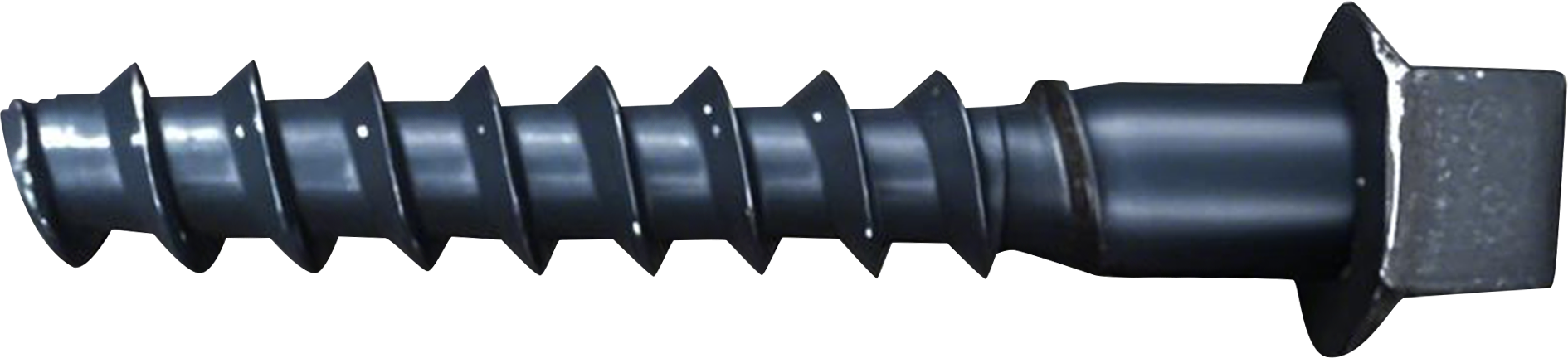
Sourcing rail bolts internationally requires careful evaluation of multiple factors that extend far beyond simple price comparison. When organizations decide to procure rail bolts from global suppliers, they must navigate complex technical specifications, regulatory frameworks, quality assurance protocols, and supplier reliability assessments. The stakes are particularly high because rail bolts are critical fastening components that directly impact railway infrastructure safety, operational continuity, and long-term asset protection. Understanding what matters most when sourcing rail bolts internationally can mean the difference between a successful, cost-effective procurement strategy and costly operational disruptions.
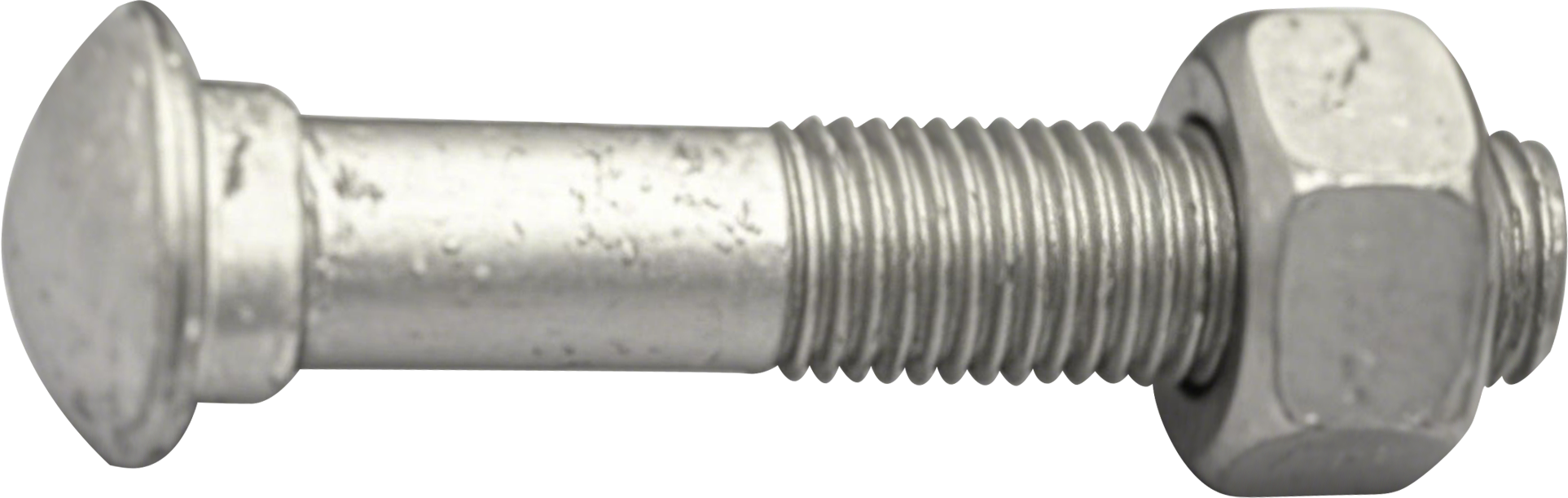
The international rail bolt market serves railway operators, infrastructure developers, and maintenance contractors across diverse geographic regions, each with distinct technical demands and regulatory environments. A rail bolt sourced from one supplier may not perform identically to another in different climate zones, track configurations, or operational contexts. Buyers must evaluate supplier credentials, manufacturing consistency, material traceability, delivery reliability, and total cost of ownership rather than focusing narrowly on unit pricing. This comprehensive assessment approach ensures that international rail bolt procurement delivers genuine value while minimizing supply chain risks and performance failures.
Technical Specifications and Standards Compliance
Understanding International Rail Bolt Standards
Every rail bolt specification reflects the specific requirements of rail gauge, track design, environmental exposure, and operational stresses unique to different railway systems. International standards such as ISO, EN, and country-specific railway codes establish minimum performance criteria for rail bolt dimensions, material grades, tensile strength, hardness, and corrosion resistance. When sourcing rail bolts internationally, buyers must first identify which standards apply to their specific railway network and operational context. Different regions may reference different standards even for similar applications, so clarifying the exact applicable rail bolt specifications before supplier engagement is critical to avoiding costly non-compliance issues.
Material Grade and Quality Assurance
The material composition of a rail bolt directly determines its load-bearing capacity, fatigue resistance, and service life in high-vibration railway environments. Carbon steel, alloy steel, and stainless steel variants each offer different performance profiles suited to distinct operational scenarios. Buyers sourcing rail bolts internationally must verify that suppliers maintain certified material traceability, conduct third-party testing, and provide documentation of heat treatment processes. Quality assurance for rail bolt procurement should include mill certificates, mechanical property test reports, and dimensional verification data. Advanced buyers often require suppliers to maintain ISO 9001 certification or equivalent quality management systems and to participate in regular audit programs to ensure consistent rail bolt quality across production batches.
Supplier Reliability and Capacity Assessment
Production Capacity and Delivery Performance
International rail bolt suppliers vary dramatically in manufacturing scale, production consistency, and delivery reliability. Some suppliers specialize exclusively in rail bolt manufacturing with dedicated equipment and trained workforces, while others produce rail bolts as one component among many diverse fastening products. Buyers must assess whether a potential rail bolt supplier can reliably meet volume requirements, maintain inventory buffers for emergency orders, and deliver within specified timelines across multiple continents. Lead times for rail bolt procurement can range from weeks to months depending on specifications, order volume, and supplier workload. Understanding a supplier's capacity constraints, production schedules, and logistics partnerships is essential to avoid supply chain delays that could halt railway maintenance or construction projects.
Financial Stability and Long-Term Partnership Viability
Selecting a rail bolt supplier based solely on lowest price often masks deeper financial instability or unsustainable business practices. Buyers should conduct financial health assessments of potential rail bolt suppliers by reviewing available financial statements, credit ratings, and industry reputation data. A rail bolt supplier experiencing financial distress may reduce quality controls, extend lead times, or cease operations unexpectedly, leaving buyers vulnerable to supply interruptions. International rail bolt sourcing decisions should consider supplier longevity, market position, investment in production technology, and commitment to continuous improvement. Long-term partnerships with financially stable rail bolt suppliers reduce procurement uncertainty and create opportunities for volume discounts, priority allocation, and collaborative problem-solving.
Cost Optimization and Total Cost of Ownership
Beyond Unit Price: Evaluating True Cost Impact
Unit price represents only one component of rail bolt sourcing costs; buyers must calculate total cost of ownership including freight, insurance, customs duties, quality inspection, inventory carrying costs, and warranty obligations. A lower-priced rail bolt from a distant supplier may incur substantial logistics expenses that negate apparent price advantages. Conversely, a slightly higher-priced rail bolt from a nearby supplier with faster delivery and superior quality may deliver superior total value. Buyers sourcing rail bolts internationally should develop cost models that account for order volume discounts, payment terms, currency fluctuations, and supply chain resilience factors. Bulk purchasing of rail bolts may reduce unit costs but increase working capital requirements and inventory risk, requiring careful balance against operational demand patterns.
Currency Risk and Payment Terms Management
International rail bolt procurement inherently involves currency exposure when purchasing in non-local currencies. Fluctuating exchange rates can significantly impact rail bolt pricing, especially for large orders or long-term contracts. Buyers should explore hedging strategies, multi-currency payment options, or longer-term fixed-price agreements when sourcing rail bolts internationally to mitigate currency volatility. Payment terms also influence cash flow and financial planning; suppliers willing to offer extended payment terms may reduce immediate cash requirements but typically embed higher effective costs in rail bolt pricing. Negotiating favorable payment schedules aligned with project cash flow can improve financial efficiency without compromising rail bolt delivery quality or supplier relationships.
Regulatory Compliance and Risk Management
Import Documentation and Customs Procedures
Sourcing rail bolts internationally requires navigation of complex import regulations, tariff classifications, and customs documentation requirements that vary by destination country. Each shipment of rail bolts must be accompanied by proper certificates of origin, mill test reports, commercial invoices, and bills of lading to clear customs efficiently. Tariff codes for rail bolts may differ based on material composition, dimensions, and intended use, affecting landed costs and import timelines. Buyers should verify that their rail bolt suppliers understand export requirements and provide accurate documentation to avoid customs delays or complications. Engaging experienced freight forwarders familiar with rail bolt import procedures can streamline customs clearance and reduce non-value-added delays in the supply chain.
Safety Certifications and Regulatory Compliance
Different countries maintain distinct regulatory frameworks governing rail bolt performance, installation, and safety verification. Railway operators must ensure that sourced rail bolts comply with local safety regulations, environmental standards, and industry best practices specific to their geographic region. Some jurisdictions require independent third-party certification of rail bolts prior to installation on critical infrastructure. Buyers should verify that potential rail bolt suppliers maintain appropriate certifications, conduct independent testing, and provide compliance documentation required by local railway authorities. Regulatory non-compliance for rail bolt procurement can result in costly rework, project delays, or safety incidents that far exceed any short-term savings from cutting corners on sourcing practices.
FAQ
What are the most important quality standards for rail bolts?
International rail bolt standards such as ISO 6379, EN 13674, and country-specific railway codes establish requirements for dimensions, material grades, tensile strength, and hardness. Buyers should verify that suppliers provide documentation confirming compliance with applicable rail bolt standards, including mill certificates and mechanical property test reports. The specific rail bolt standards applicable depend on the railway system, gauge, and operational environment in which they will be installed.
How can buyers reduce currency risk when sourcing rail bolts internationally?
Currency hedging strategies, fixed-price contracts denominated in a stable currency, and multi-currency payment arrangements can all help reduce rail bolt sourcing exposure to exchange rate fluctuations. Some suppliers offer pricing in major currencies like USD or EUR, which may reduce volatility compared to smaller currencies. Buyers can also negotiate longer-term supply agreements that lock in rail bolt pricing regardless of short-term currency movements, providing budget predictability for large procurement programs.
What supplier credentials should buyers verify before sourcing rail bolts?
Critical supplier credentials for rail bolt sourcing include ISO 9001 quality management certification, production capacity verification, financial stability assessments, and industry experience with railway applications. Buyers should request references from existing rail bolt customers, conduct supplier audits when feasible, and verify that manufacturers maintain appropriate testing equipment and quality control procedures. Certifications from recognized third-party testing organizations add credibility to rail bolt supplier claims and demonstrate commitment to quality standards.