
 EN
EN
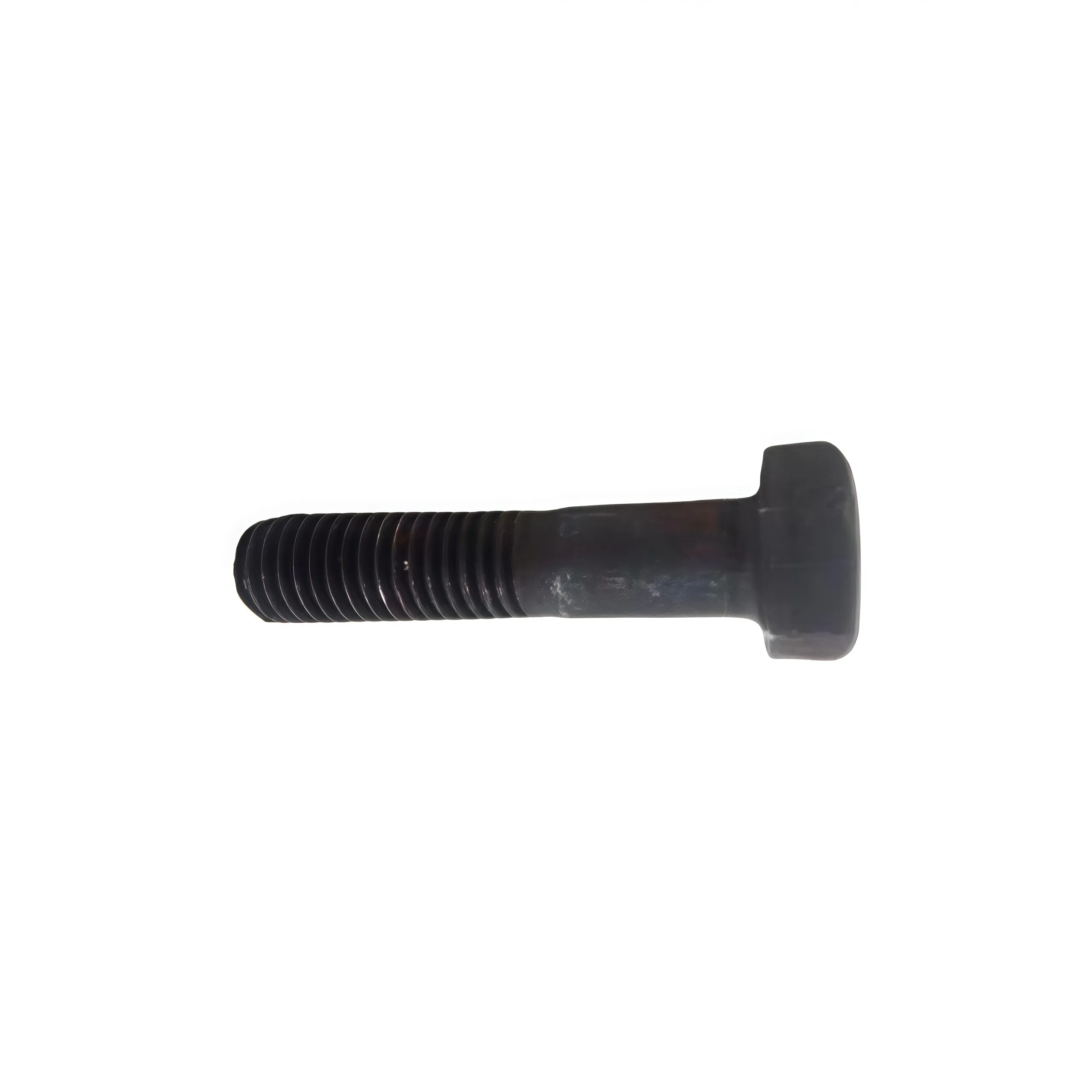
Rail bolts are fundamental components that hold railway tracks together, creating the structural integrity necessary for safe long-distance railway operations. These specialized fasteners connect rail segments and secure rails to sleepers, preventing movement and misalignment that could compromise train safety. Understanding how rail bolts enhance safety reveals why they remain central to railway infrastructure worldwide and why their proper installation and maintenance are non-negotiable responsibilities for rail operators.
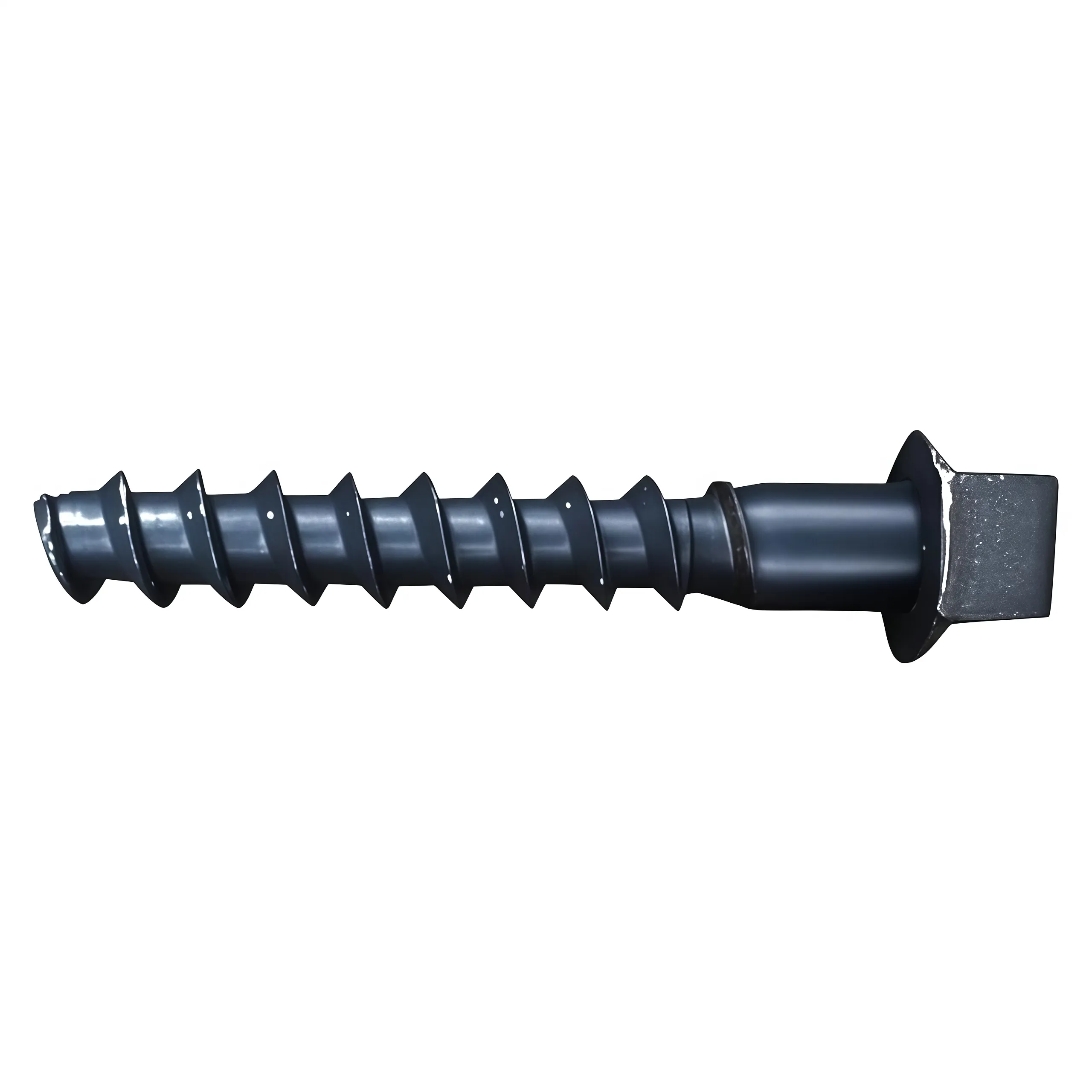
Long-distance railway operations subject tracks to extreme stresses from constant wheel impact, thermal expansion and contraction, and vibration from high-speed trains. Each rail bolt must withstand these dynamic forces while maintaining precise alignment. When a rail bolt fails or loosens, track geometry deteriorates, creating hazardous conditions that endanger passengers and cargo. This is why rail bolts are engineered to exacting specifications and monitored continuously throughout their service life.
The Role of Rail Bolts in Track Stability
Preventing Track Movement and Misalignment
Track stability depends entirely on the integrity of every rail bolt connecting the system. A single loosened rail bolt can initiate a cascade of problems, beginning with micro-movements between rail sections. These movements accumulate over thousands of train passages, gradually widening gaps between rails or causing rails to shift laterally out of alignment. When track geometry deviates from specification, wheels no longer roll smoothly, creating lateral forces that push outward on both rails. This condition is dangerous because it reduces wheel contact, increases wear, and can trigger derailment, especially at curves or during emergency braking. Rail bolts prevent this by maintaining rigid connections that keep rail sections locked in their correct positions.
Distributing Load Across Rail Joints
Rails are manufactured in segments, creating joints where two rails meet end-to-end. These joints represent critical load-transfer points where the full weight of a train transitions from one rail segment to the next. Without proper fastening, rail joints become weak points where damage accelerates. A rail bolt secures a splice plate or fishplate that bridges the joint, distributing the wheel load across a wider contact area and preventing the rail ends from separating under stress. Each rail bolt in the joint assembly shares the burden of load transfer, so multiple bolts are essential for safe, reliable operation.
Safety Performance During Extreme Operating Conditions
Managing Thermal Expansion and Track Stress
Temperature fluctuations cause steel rails to expand and contract significantly over their length. Without provision for this movement, rails would buckle or break. Rail bolts are designed to allow controlled expansion through adjustment of bolt tension and use of specialized washer systems that accommodate slight movement. However, each rail bolt must still maintain enough clamping force to prevent excessive slippage that would compromise track alignment. This balance between flexibility and rigidity is critical to rail bolt design and installation. Improper bolt tension destroys this balance, either allowing too much movement if bolts are loose or creating brittleness if bolts are over-tightened. Either condition reduces safety margins during temperature extremes.
Maintaining Integrity Under High-Speed Operations
High-speed trains generate repetitive impact forces that exceed those from conventional trains. These dynamic loads create fatigue cycles that stress every rail bolt continuously. The quality of a rail bolt directly determines how many stress cycles it can endure before failure. Higher-grade rail bolts with superior metallurgy and manufacturing tolerances can withstand millions of load cycles without cracking or loosening. As trains operate at higher speeds, rail bolt specifications become stricter. A rail bolt that performs adequately at 120 kilometers per hour may fail prematurely at 200 kilometers per hour. This is why operators and infrastructure managers invest in premium rail bolts for high-speed corridors, recognizing that the bolt cost is minimal compared to the risk of operational failure.
Maintenance, Inspection, and Long-Term Safety
Monitoring Rail Bolt Condition Through Predictive Maintenance
Modern rail networks employ systematic programs to monitor rail bolt condition and detect problems before they cause accidents. Inspection teams use specialized equipment to measure bolt tension, identify corrosion, and detect signs of fatigue cracking. These preventive inspections catch loosening rail bolts early, allowing maintenance workers to re-tighten or replace them before failure occurs. Digital systems now track bolt tension history, seasonal patterns, and environmental factors to predict which bolts are likely to require attention soon. This rail bolt monitoring reduces the risk of unplanned failures and extends the service life of track infrastructure.
Replacement Cycles and Safety Standards
Even properly maintained rail bolts have finite service lives determined by fatigue analysis, corrosion rates, and operational stress levels. Railway standards specify replacement intervals for different classes of track and operating conditions. A rail bolt in a mainline freight corridor experiences harsher conditions and shorter lifespan than one in a lightly-used branch line. Compliance with these replacement schedules ensures that aging bolts are retired before fatigue cracks or corrosion compromises their load-bearing capacity. Railway operators who defer scheduled replacement of rail bolts face escalating risks of service disruption and accidents. Investing in timely replacement maintains safety margins and prevents cascading failures across the track system.
FAQ
What happens when a rail bolt fails in service?
When a rail bolt fails, the connection it secured becomes compromised, allowing the joined rail segments to move independently. This movement creates an uneven surface that destabilizes wheels and increases lateral forces, potentially triggering a derailment. The loose connection also allows corrosion and moisture to enter the joint area, accelerating damage to the rail ends and adjacent components. Failed rail bolts are safety-critical failures that must be addressed immediately; trains are typically restricted or stopped until repairs are completed.
How does rail bolt quality affect overall track safety?
High-quality rail bolts manufactured to stringent specifications have better fatigue resistance, superior corrosion protection, and more consistent mechanical properties. They loosen more slowly, fail less frequently, and maintain their clamping force over longer periods. Inferior rail bolts lose tension quickly, fatigue prematurely, and corrode faster, requiring more frequent maintenance and replacement. The cost difference between premium and standard rail bolts is typically small relative to the value of safe operations, making quality a high-priority consideration for safety-conscious railway operators.
Can rail bolt failures be predicted before they cause accidents?
Modern inspection programs can often detect loosening, corrosion, and early-stage fatigue cracks in rail bolts before catastrophic failure occurs. Ultrasonic testing, eddy current inspection, and bolt tension measurement tools allow technicians to identify at-risk bolts during routine maintenance intervals. However, sudden brittle fractures can occasionally occur without prior warning, which is why railway safety relies on conservative replacement schedules and redundancy in bolt installations rather than detection alone. Regular replacement of aged bolts remains the most effective strategy for preventing bolt-related failures.