
 EN
EN
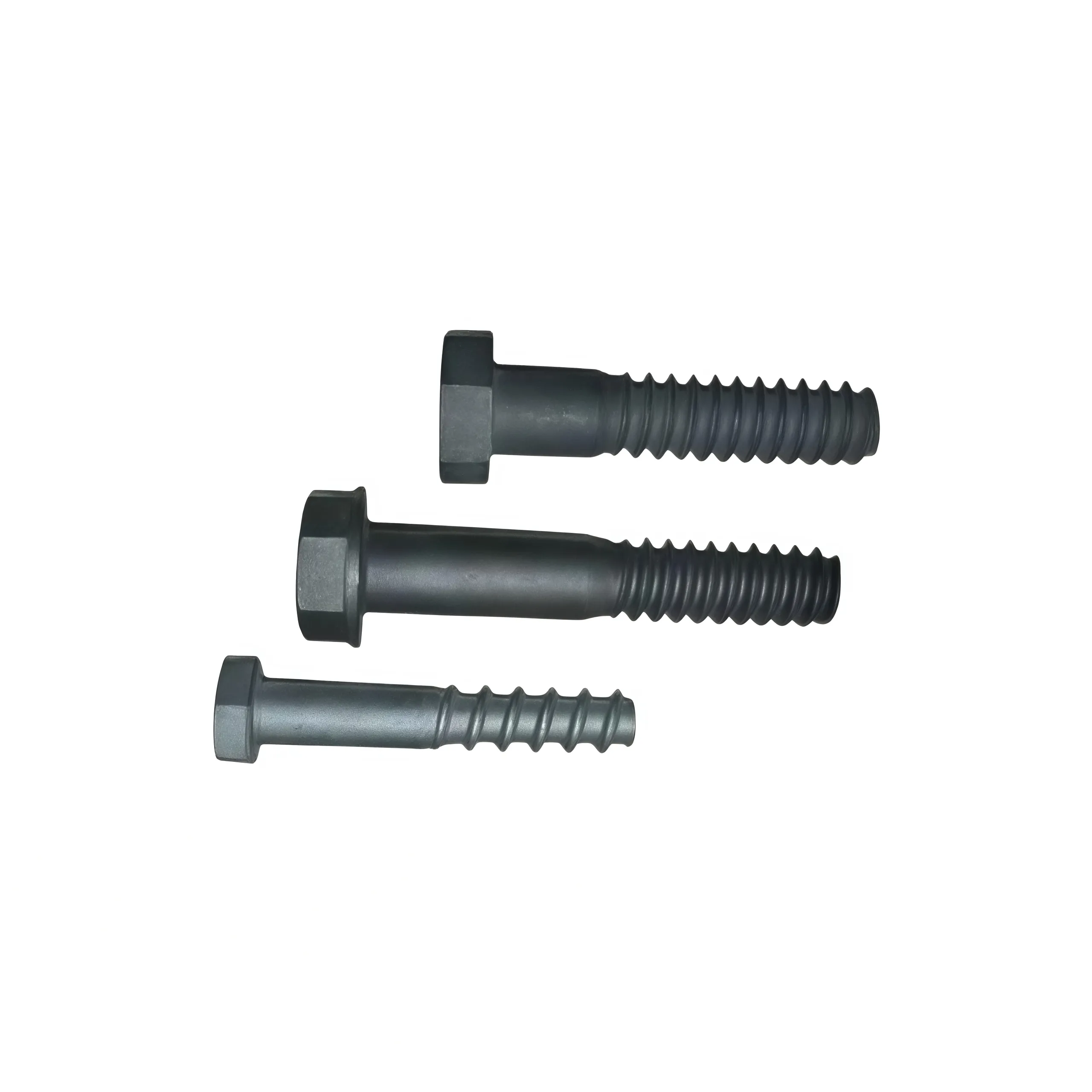
Railway infrastructure depends on countless interconnected components working in perfect harmony, and among the most critical are track bolts. A track bolt serves as the fundamental fastening mechanism that holds rail components together, directly influencing both the safety of passengers and freight, and the operational longevity of the entire rail system. Understanding how track bolt engineering and maintenance practices improve overall rail track safety and lifespan is essential for railway operators, maintenance professionals, and infrastructure planners seeking to optimize system performance and reduce operational costs.
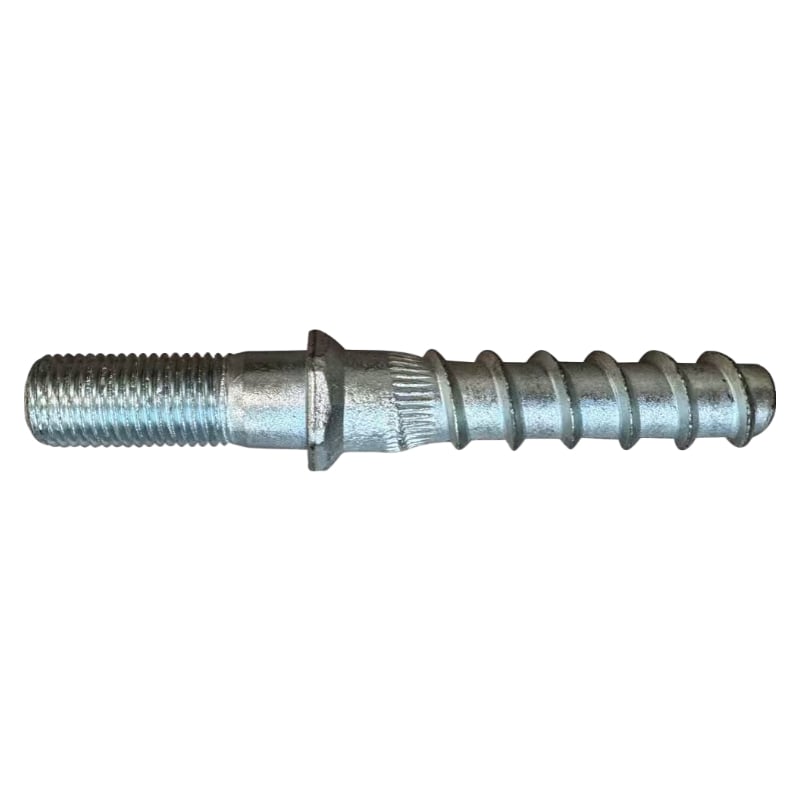
The role of a track bolt extends far beyond simple mechanical attachment. Modern rail networks face constant challenges from thermal expansion, vibration, heavy axle loads, and environmental stressors that continuously test the integrity of fastening systems. A properly engineered and maintained track bolt prevents rail separation, reduces lateral movement, and ensures predictable load distribution across the track structure. When track bolt specifications are correctly matched to specific rail applications, and when maintenance protocols are consistently followed, railways experience measurably improved safety outcomes, reduced derailment risk, and significantly extended asset lifespan.
Structural Integrity and Load Distribution
How Track Bolts Support Safe Load Transfer
Every time a train passes over a section of track, immense forces concentrate at the fastening points where rails connect. A track bolt must withstand lateral forces, vertical loads, and torsional stress simultaneously. The engineering of each track bolt determines whether these forces distribute evenly or create stress concentrations that weaken the rail structure over time. High-quality track bolt designs feature precision threading, controlled tensioning specifications, and material compositions selected to match the expected operational environment.
When a track bolt is undersized or inadequately tensioned, it cannot properly distribute loads across the rail joint, forcing individual rail sections to bear disproportionate stress. This creates fatigue cracks that propagate through the rail head and web, eventually leading to rail breaks. Conversely, a properly specified track bolt with appropriate preload ensures that loads transfer smoothly through the fastening system into the rail base and sleeper, extending the service life of the entire track section. Rail operators who prioritize track bolt quality report fewer emergency repairs and more predictable maintenance scheduling.
Material Properties and Environmental Durability
The material composition of a track bolt directly affects its ability to resist corrosion, maintain preload under thermal cycling, and preserve structural properties throughout its service life. Modern track bolt specifications typically call for alloy steel with controlled carbon content, ensuring sufficient hardness to resist deformation while maintaining ductility to absorb vibration-induced stress. Environmental factors including moisture, salt spray in coastal regions, and temperature fluctuations continuously challenge track bolt integrity.
Advanced track bolt treatments such as hot-dip galvanizing, ceramic coatings, or stainless steel construction protect against corrosion and extend fastener lifespan by years. In regions with extreme temperature ranges, a track bolt must accommodate thermal expansion and contraction without losing preload or developing micro-movements that initiate fretting corrosion. When rail operators select track bolts engineered for their specific geographic and climatic conditions, they reduce premature fastener failure, maintain consistent rail alignment, and improve overall track safety performance.
Vibration Control and Fatigue Prevention
Preload Management and Micro-Movement Elimination
Vibration represents one of the most significant threats to track bolt integrity and rail safety. Every passing train generates cyclic loading that attempts to loosen fasteners and create relative movement between connected components. A properly tensioned track bolt resists these vibration forces by establishing sufficient preload that friction between components exceeds the forces attempting to cause movement. This preload maintenance is crucial; even small amounts of slippage between rail and fastener can generate fretting corrosion, stress concentrations, and accelerated fatigue damage.
Modern track bolt installation practices emphasize controlled tensioning using calibrated wrenches or hydraulic tensioners that ensure consistent preload across all fasteners in a rail section. This uniformity prevents isolated loose fasteners that could allow lateral rail movement or vertical rail separation. When all track bolts in a section maintain similar preload values, vibration energy distributes evenly, reducing stress peaks that would otherwise accelerate fatigue crack initiation and propagation. Railway systems that implement rigorous track bolt preload verification protocols demonstrate significantly lower derailment frequencies and extended intervals between rail replacement cycles.
Fatigue Resistance Through Proper Specification
Rail fastening systems experience millions of stress cycles during their service life, making fatigue resistance a primary engineering consideration for track bolt design. A track bolt engineered for fatigue resistance incorporates design features such as controlled thread transitions, polished stress relief areas, and material specifications that optimize the fatigue strength-to-tensile-strength ratio. Engineers calculate track bolt specifications based on expected tonnage, train frequency, and rail profile, ensuring the selected fastener can endure the cumulative stress from millions of wheel passages.
When rail operators select track bolts undersized relative to actual loading conditions, fatigue failures occur prematurely, sometimes within years rather than decades. Conversely, properly specified track bolts demonstrate predictable fatigue performance that railway maintenance teams can confidently forecast. This predictability enables proactive replacement schedules based on service life calculations rather than reactive responses to emergency failures. Advanced track bolt materials including martensitic stainless steel and controlled-carbon alloy steels now offer improved fatigue resistance compared to conventional fasteners, providing railways with extended safety margins and operational flexibility.
Maintenance Optimization and Lifecycle Economics
Inspection and Condition Monitoring
Effective track bolt maintenance begins with systematic inspection protocols that identify loosening, corrosion, or stress damage before failure occurs. Railway maintenance teams regularly inspect track bolts using torque verification, visual assessment, and ultrasonic thickness measurement to ensure continued integrity. A deteriorating track bolt showing early signs of corrosion or preload loss can be replaced during planned maintenance windows, preventing emergency repairs that disrupt service schedules and increase costs dramatically.
Modern railway systems increasingly employ condition-based monitoring systems that automatically track track bolt tension using wireless sensors or periodic manual verification. This data-driven approach enables maintenance teams to distinguish between fasteners requiring immediate attention and those still operating within acceptable parameters. When compared to time-based replacement strategies that replace all fasteners regardless of actual condition, condition-based maintenance reduces unnecessary parts consumption while ensuring safety-critical fasteners receive attention before failure risk becomes unacceptable. The track bolt emerges as a measurable indicator of overall track health, providing valuable diagnostic information for railway asset management systems.
Total Cost of Ownership and Safety Economics
Railway operators make purchasing and maintenance decisions based on total cost of ownership, which includes initial fastener cost, installation labor, inspection frequency, maintenance interventions, and failure-related expenses. Premium track bolt specifications with superior corrosion resistance and fatigue strength typically cost fifteen to thirty percent more than economy alternatives, yet this investment often delivers remarkable economic returns through extended service life and reduced emergency maintenance needs. A track bolt failure requiring emergency rail replacement and service disruption can cost hundreds of thousands of dollars, making even expensive preventive fastening solutions economically justified.
Safety considerations further reinforce the economic case for high-quality track bolts. Derailments caused by fastening failures create liability exposure, potential loss of life, environmental damage, and regulatory penalties that far exceed fastener costs. When rail operators invest in engineered track bolt solutions matched to their specific operational environment, they simultaneously improve safety performance, extend asset lifespan, reduce maintenance costs, and demonstrate responsible infrastructure stewardship. The track bolt, though often overlooked, represents a high-leverage investment opportunity for railway operators seeking to optimize both safety and economics.
FAQ
What causes track bolt failure in railway systems?
Track bolt failures result from multiple interconnected factors including inadequate preload during installation, corrosion from environmental exposure, fatigue stress from cyclic loading, and thermal expansion effects that relax fastener tension. When track bolts are undersized for actual loading conditions or installed without proper tensioning verification, they cannot adequately distribute forces across the rail joint, leading to accelerated fatigue crack development and eventual failure.
How often should track bolts be inspected and replaced?
Inspection frequency depends on rail tonnage, climate conditions, track bolt material specifications, and observed deterioration rates, typically ranging from annual to quarterly cycles in high-speed or heavily-loaded corridors. Replacement timing should follow both preventive maintenance schedules and condition-based monitoring results, replacing fasteners showing signs of loosening, corrosion, or stress damage before failure risk becomes unacceptable. Premium track bolts engineered for extended service life may require replacement intervals of ten to twenty years, while economy fasteners might need replacement every five to seven years.
Can upgrading track bolt specifications improve existing rail safety?
Yes, systematically upgrading to higher-specification track bolts during routine maintenance cycles demonstrably improves rail safety by reducing loosening risk, enhancing fatigue resistance, and improving corrosion protection. Many railways achieve significant safety improvements by transitioning to alloy steel or stainless steel fasteners with superior preload retention, even on existing rail infrastructure. This upgrade strategy delivers immediate safety benefits while spreading implementation costs across natural maintenance intervals rather than requiring complete track replacement.