
 EN
EN
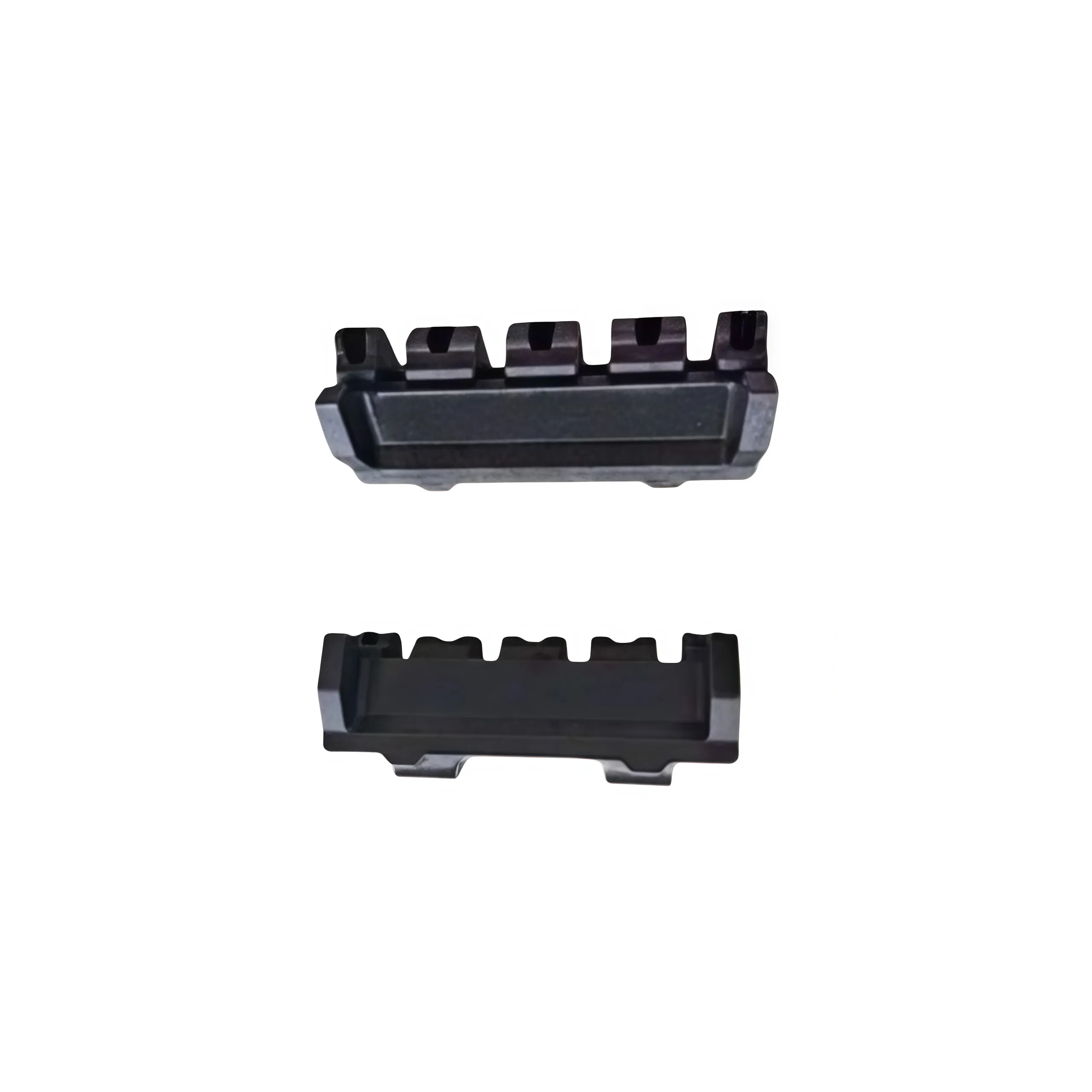
The tie plate serves as one of the most essential components in modern railway track systems, yet its critical functions often go unrecognized by those outside the rail industry. A tie plate is a metal bracket that directly secures the rail to the wooden or concrete sleeper, forming the structural foundation that keeps railway tracks aligned, stable, and safe under the tremendous forces generated by moving trains. Understanding the primary function of a tie plate is fundamental to appreciating how railway infrastructure maintains its integrity over decades of continuous operation.
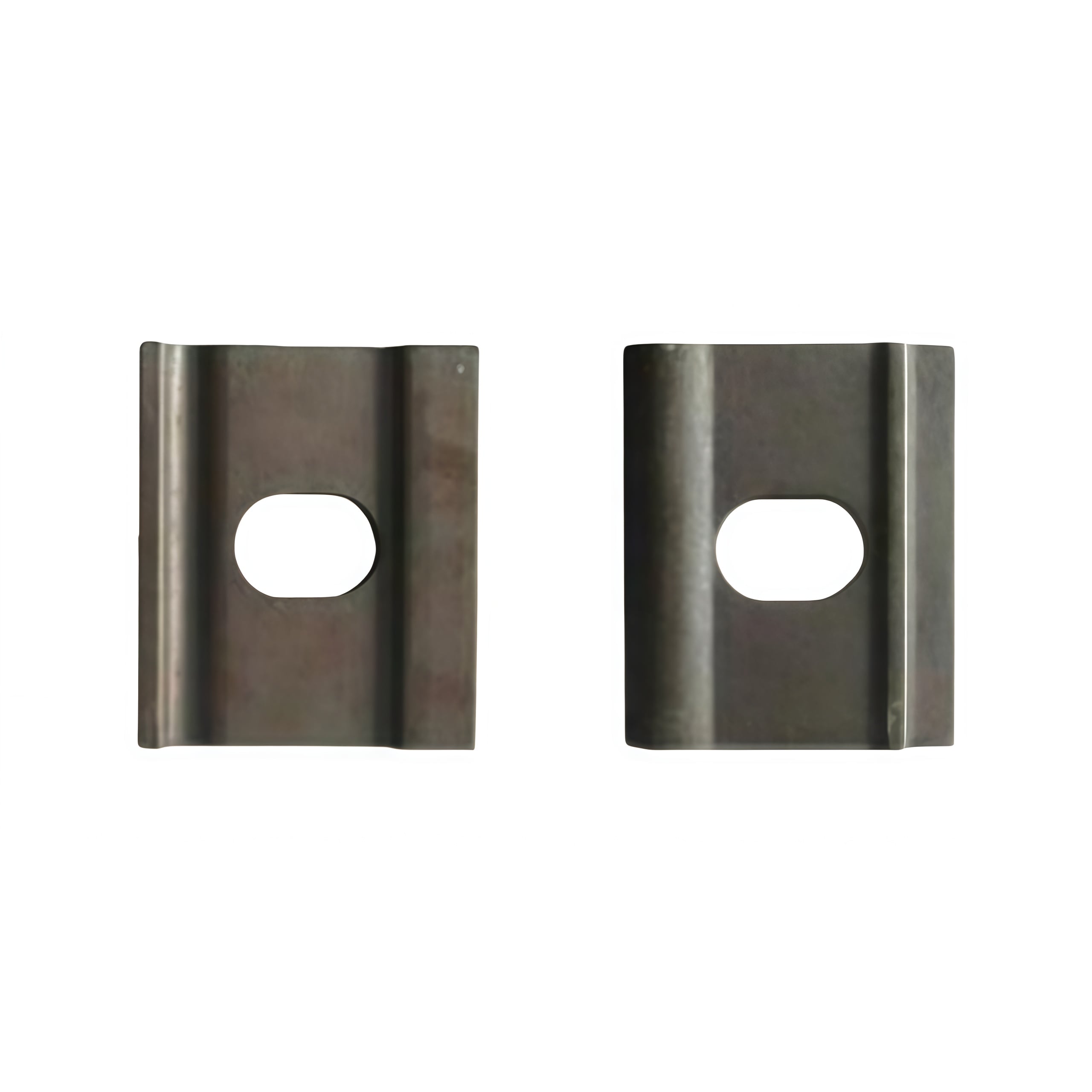
Beyond simple fastening, a tie plate performs multiple interdependent functions that collectively maintain track geometry, prevent rail movement, and distribute dynamic loads efficiently across the railroad bed. The design of a tie plate reflects decades of engineering refinement, with each dimension, angle, and material property carefully optimized to withstand the cyclic stresses inherent to railway operation. This comprehensive exploration examines exactly what a tie plate does, why its design matters, and how it contributes to railway safety and longevity.
Primary Fastening and Rail Security Function
Direct Rail-to-Sleeper Connection
The fundamental purpose of a tie plate is to create a secure mechanical connection between the rail and the sleeper or crossties beneath it. The tie plate bridges these two components by using fasteners such as spikes or clips that penetrate through pre-drilled holes in the tie plate into the wooden or concrete sleeper. This tie plate configuration prevents the rail from shifting laterally, longitudinally, or vertically when subjected to the enormous forces generated by train wheels. Without a tie plate securing the rail to the sleeper, the rail would gradually migrate from its intended position, leading to track misalignment and potential derailment hazards.
Load Distribution and Structural Support
A tie plate distributes concentrated loads from the rail base across a larger surface area of the sleeper, preventing localized crushing or deterioration. When a train wheel passes over a rail, the force is initially applied at a small contact point, but the tie plate spreads this force over a significantly larger footprint on the sleeper. This load distribution mechanism is critical because wooden sleepers are relatively soft and can be damaged if concentrated loads are applied without the tie plate's protective spreading action. Modern tie plate designs include shoulder features and specific geometric profiles specifically engineered to optimize load transfer while minimizing wear and settlement over extended service life.
Gauge Maintenance and Geometric Control
Rail Spacing Precision
A tie plate contributes significantly to maintaining consistent gauge, which is the standardized distance between the two rails that form the track. Each tie plate is designed with specific dimensional tolerances that help ensure that as rails are fastened to sleepers, they remain the correct distance apart. The tie plate's shoulder surfaces and fastening geometry prevent differential movement between paired rails that could gradually widen or narrow the gauge. Gauge maintenance is absolutely critical because even small deviations accumulate along extended track sections, and excessive gauge variation causes wheel binding, increased rolling resistance, accelerated wear, and passenger discomfort or safety risks.
Rail Alignment Under Dynamic Loading
The tie plate's rigid connection helps maintain rail alignment in both the vertical and horizontal planes as trains pass. The design of a tie plate incorporates specific angles and seat surfaces that position the rail at precise elevations and angles relative to the sleeper. This geometric control is maintained even when the track experiences dynamic bending from train loading, thermal expansion, or ground settlement. Advanced tie plate designs include features that accommodate small amounts of controlled movement while preventing excessive migration, balancing the need for stability with the reality that railway infrastructure experiences continuous micro-movements from temperature changes, moisture cycles, and dynamic forces.
Vibration Damping and Noise Reduction
Impact Force Absorption
A tie plate helps absorb and dissipate vibration energy generated when train wheels make contact with the rail surface. The interface between the tie plate and rail base can be designed with specific surface finishes or elastomeric materials that provide controlled compliance, allowing small amounts of elastic deformation that absorb shock. This vibration damping function protects both the rail and sleeper from premature fatigue failure. The materials and design of a tie plate influence how effectively it dissipates energy; modern tie plates often incorporate features that enhance damping without compromising the rigid connection needed for safety-critical load transfer.
Environmental and Operational Benefits
By reducing vibration transmission to the surrounding track structure, a well-designed tie plate contributes to lower noise levels at railway facilities and adjacent communities. The vibration damping characteristics of a tie plate also reduce noise transmitted to passenger cars, improving the riding experience. This function has become increasingly important as railway agencies work to minimize environmental impact and maintain community relations in urban areas. The tie plate's role in vibration control demonstrates how seemingly simple components significantly influence the overall performance characteristics of railway infrastructure.
Corrosion Prevention and Material Durability
Protective Barrier Function
A tie plate acts as a physical barrier that shields the rail base and sleeper interface from direct water exposure and moisture accumulation. By covering portions of the rail base and creating a defined fastening point, the tie plate reduces standing water accumulation and helps divert moisture away from vulnerable areas. This protective function is particularly important for wooden sleepers, which are susceptible to rot and deterioration when continuously exposed to moisture. Steel tie plates, when properly galvanized or coated, resist corrosion themselves and provide years of reliable service without significant degradation.
Long-Term Infrastructure Investment
The corrosion protection provided by a quality tie plate directly extends the service life of both the rail and sleeper, maximizing return on the infrastructure investment. A tie plate made from properly treated or galvanized steel resists rust formation and maintains structural integrity through decades of environmental exposure. This durability aspect makes the tie plate investment worthwhile, as railway operators can defer expensive rail and sleeper replacement by maintaining components with effective protective features. The material selection and surface treatment of a tie plate are therefore important considerations when designing railway systems intended for long-term reliability and cost effectiveness.
FAQ
What types of fasteners work with a tie plate?
A tie plate typically uses either cut spikes driven through pre-drilled holes or spring clips that engage with the tie plate geometry. Cut spikes remain the most common choice in wooden sleeper systems, while spring clips are increasingly popular in modern installations with concrete sleepers. The choice between spikes and clips depends on the sleeper material, desired maintenance accessibility, and long-term cost considerations. Regardless of the fastener type, the tie plate's design must accommodate the specific fastening mechanism to ensure secure connection and proper load transfer.
How often do tie plates require replacement?
Under normal conditions, a tie plate can remain in service for 30 to 50 years or longer, depending on track tonnage, climate exposure, and maintenance practices. Replacement becomes necessary when corrosion, impact damage, or wear compromises the tie plate's ability to maintain gauge, distribute loads, or secure the rail effectively. Regular inspection programs help identify tie plates requiring replacement before failures occur. The long service life of a properly designed tie plate demonstrates why investing in quality components delivers significant cost advantages over the lifecycle of railway infrastructure.
Can tie plates be removed and reused?
In most cases, tie plates can be removed and reused when rails or sleepers are replaced during track maintenance or upgrading programs. However, the condition of the tie plate must be carefully assessed to ensure it can still perform its critical functions reliably. Tie plates showing significant corrosion, deformation, or damage should be replaced rather than reused, as compromised components cannot provide adequate gauge maintenance or load distribution. This reuse capability makes tie plate replacement a practical option that reduces the total cost of major track renovation projects while maintaining safety and performance standards.