EN
EN
Quick Links

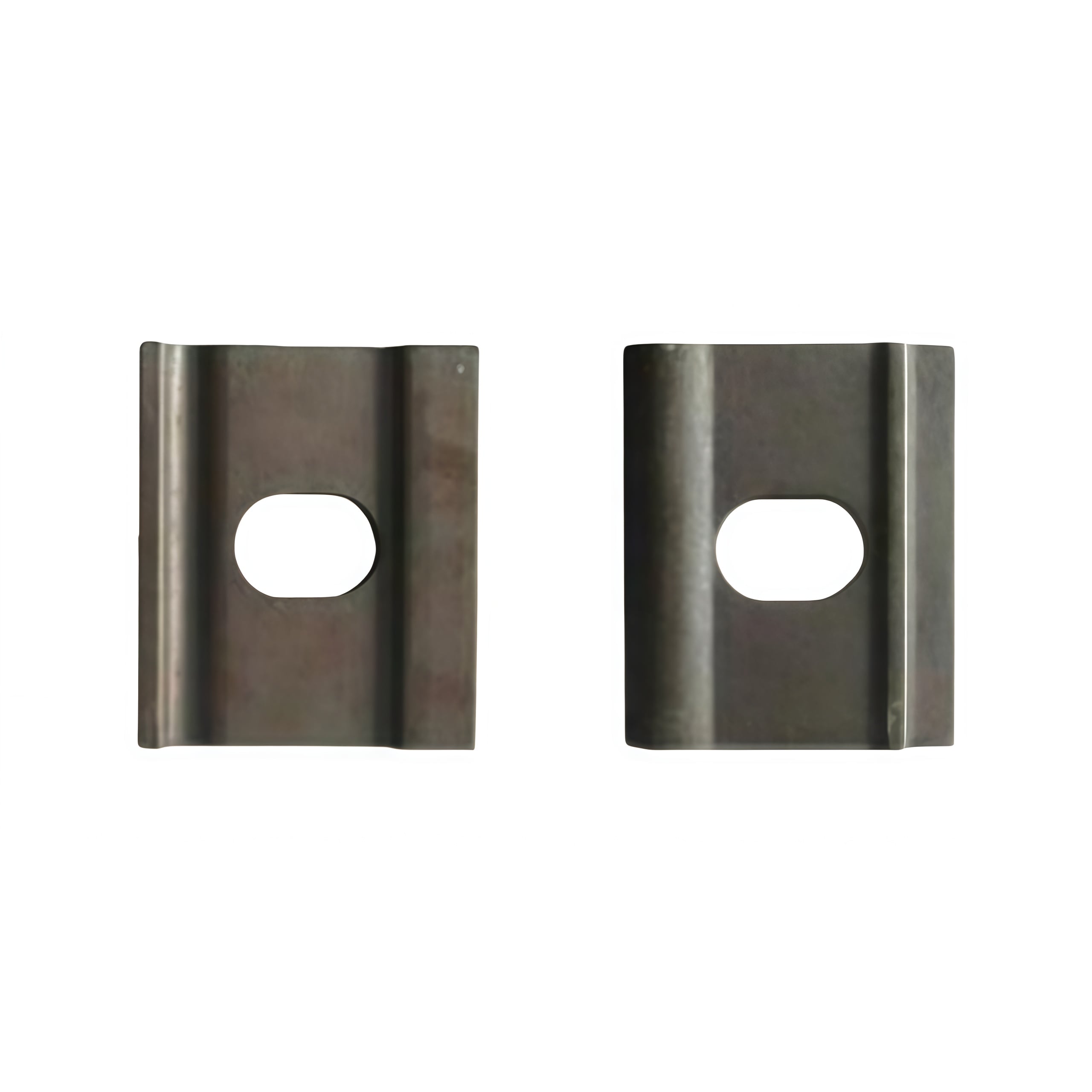
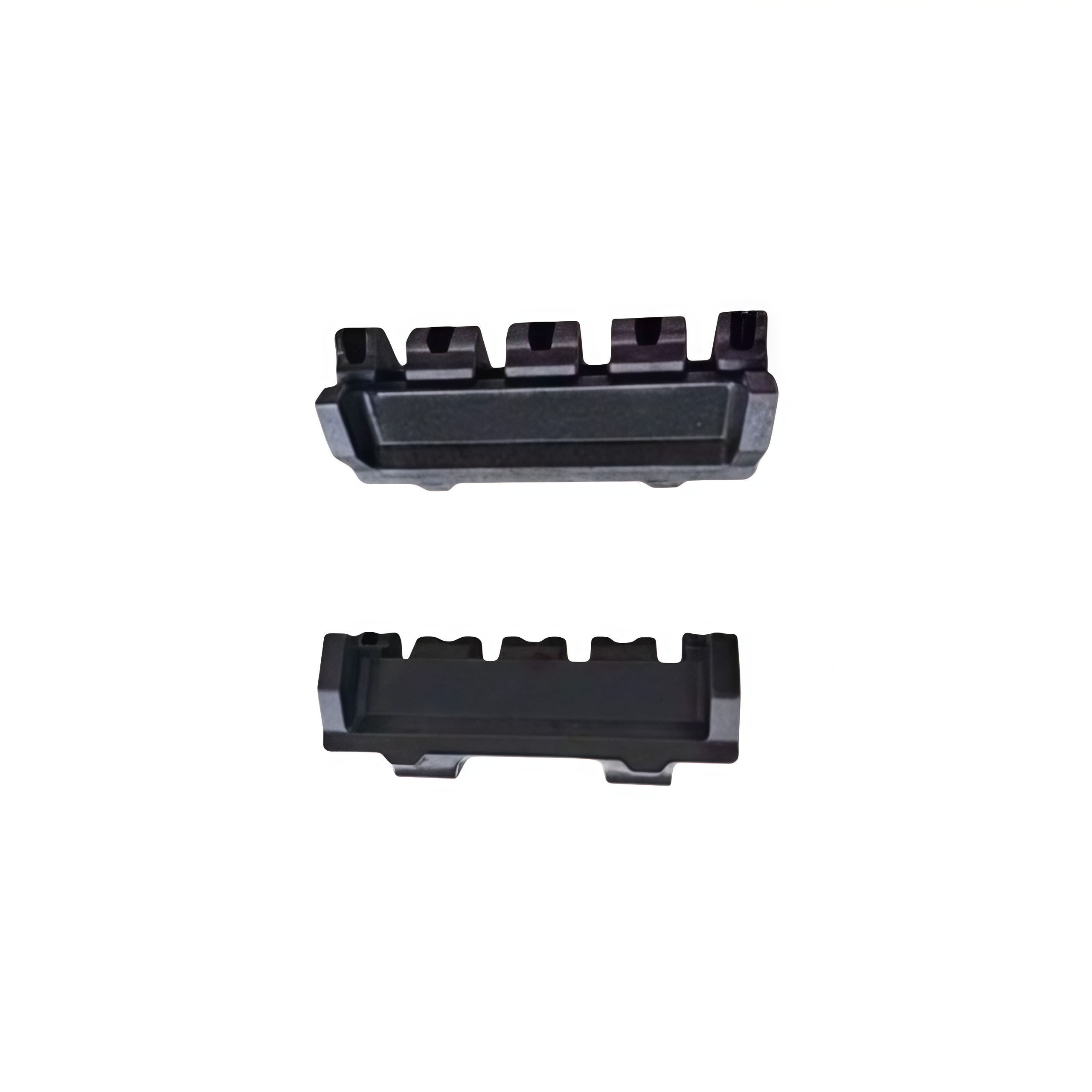
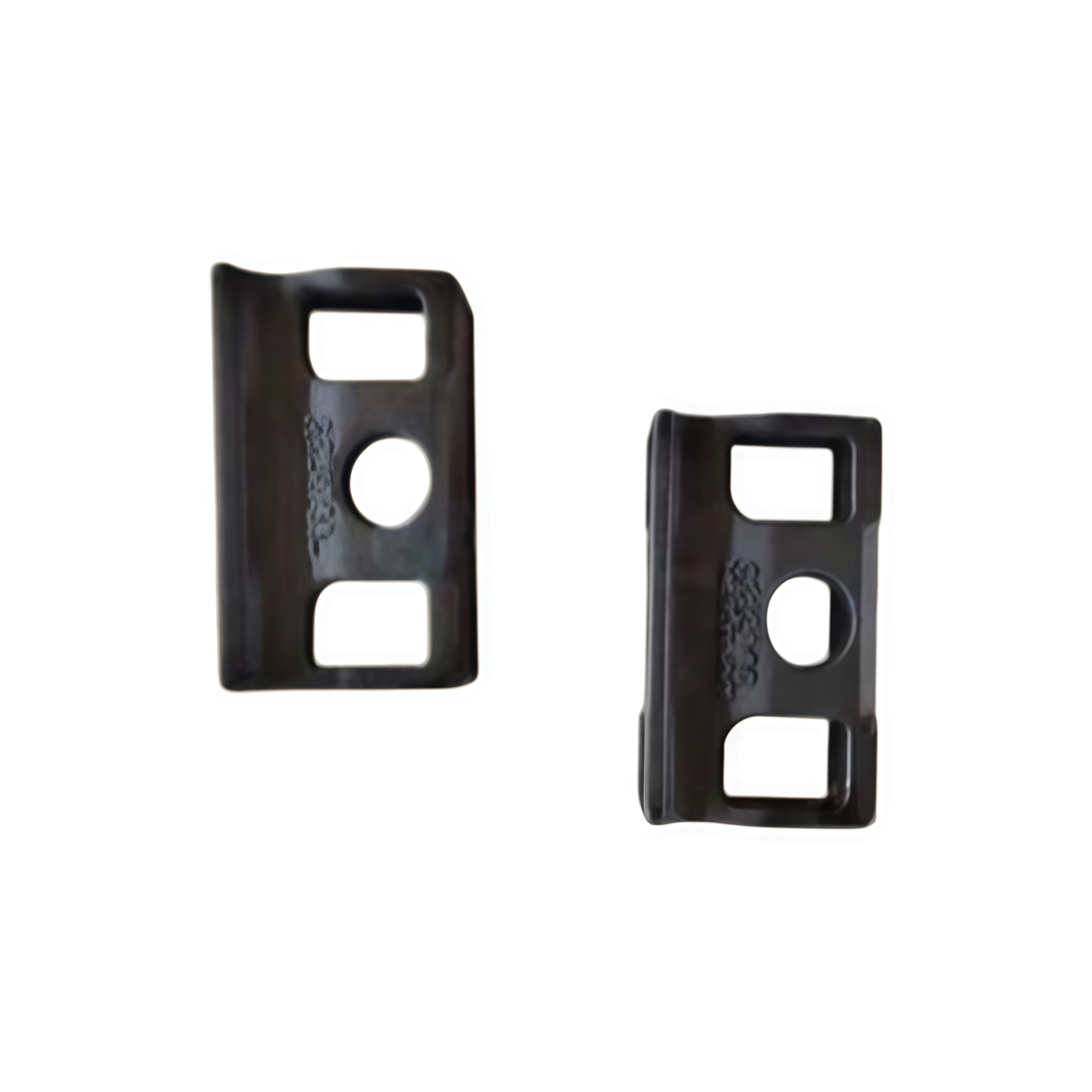
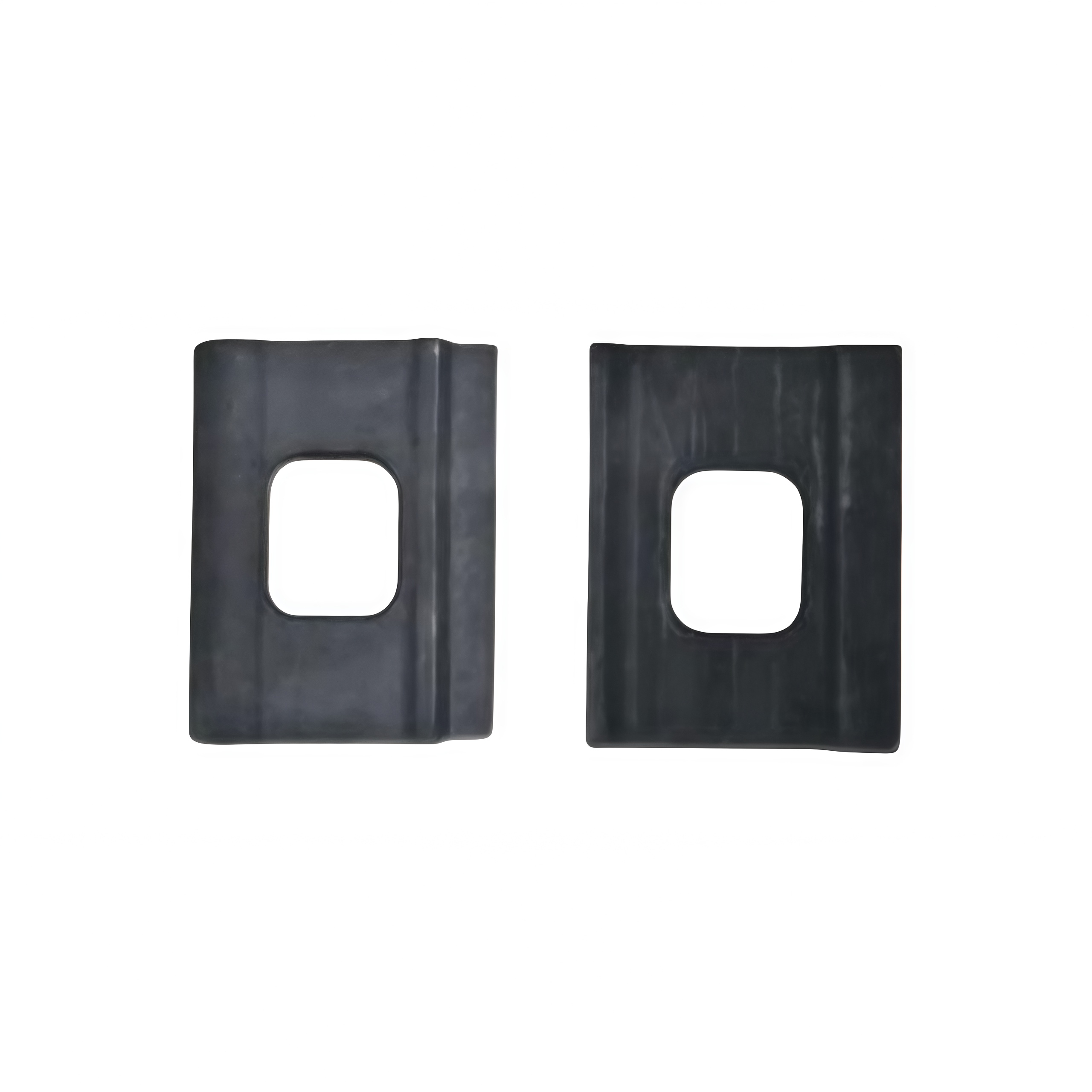
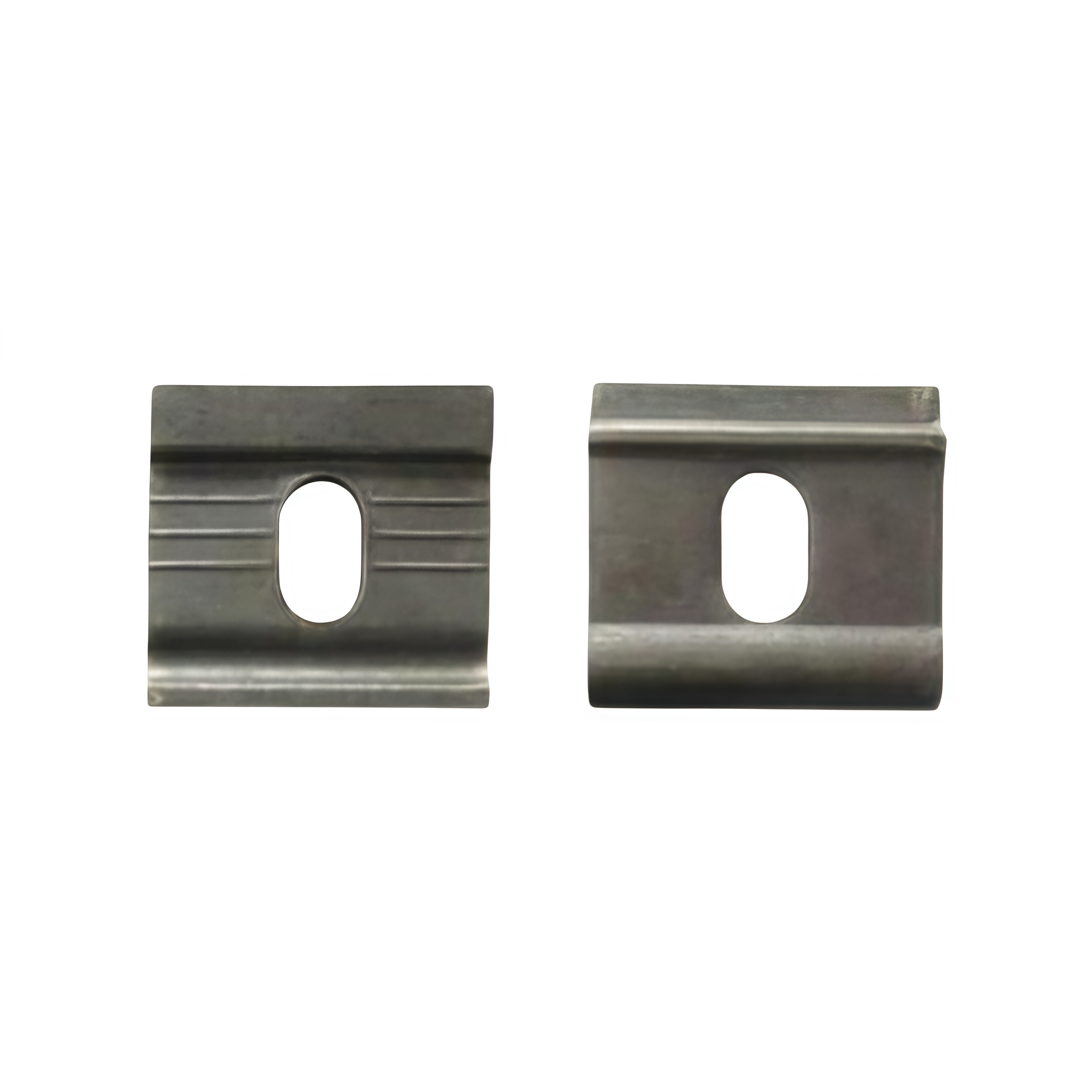
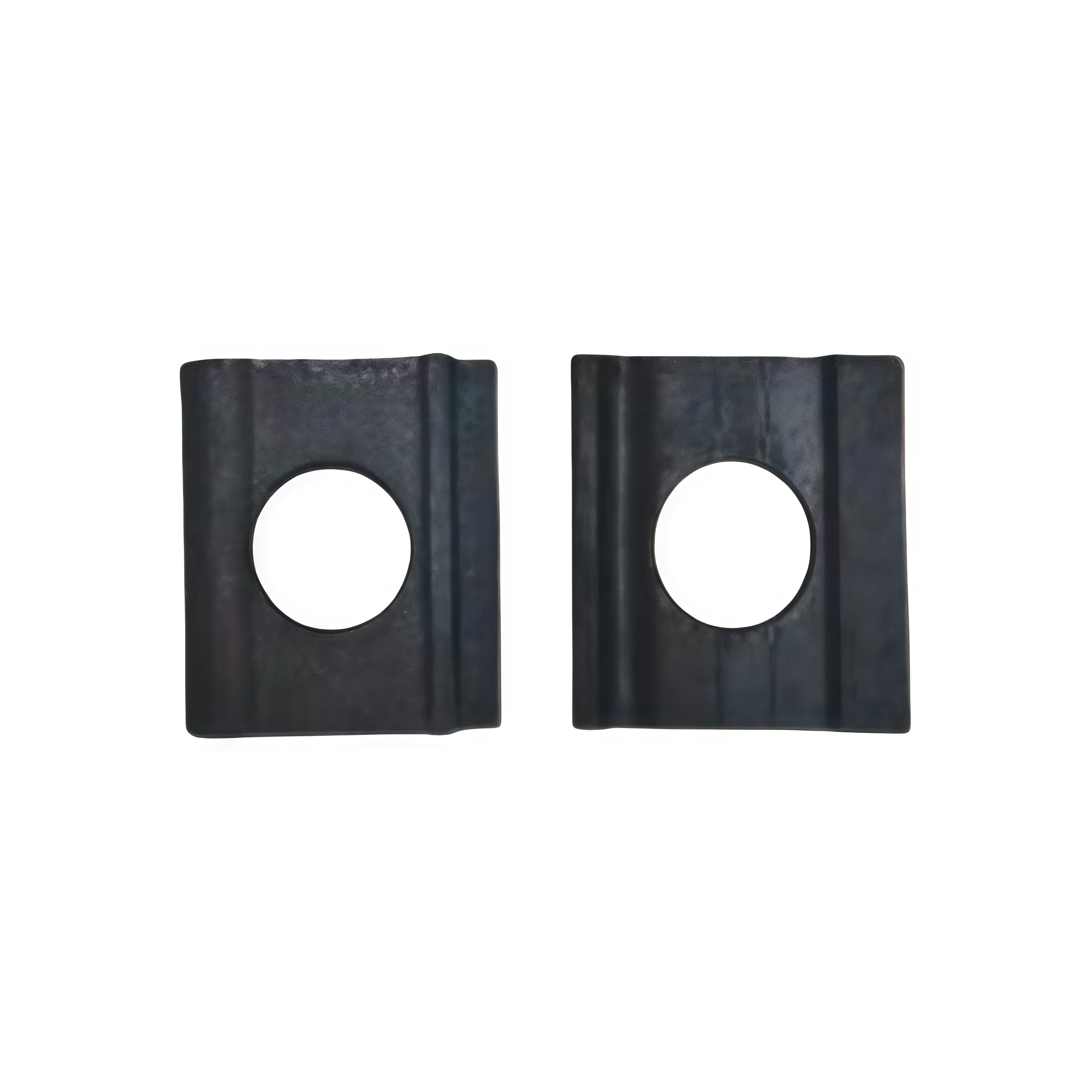
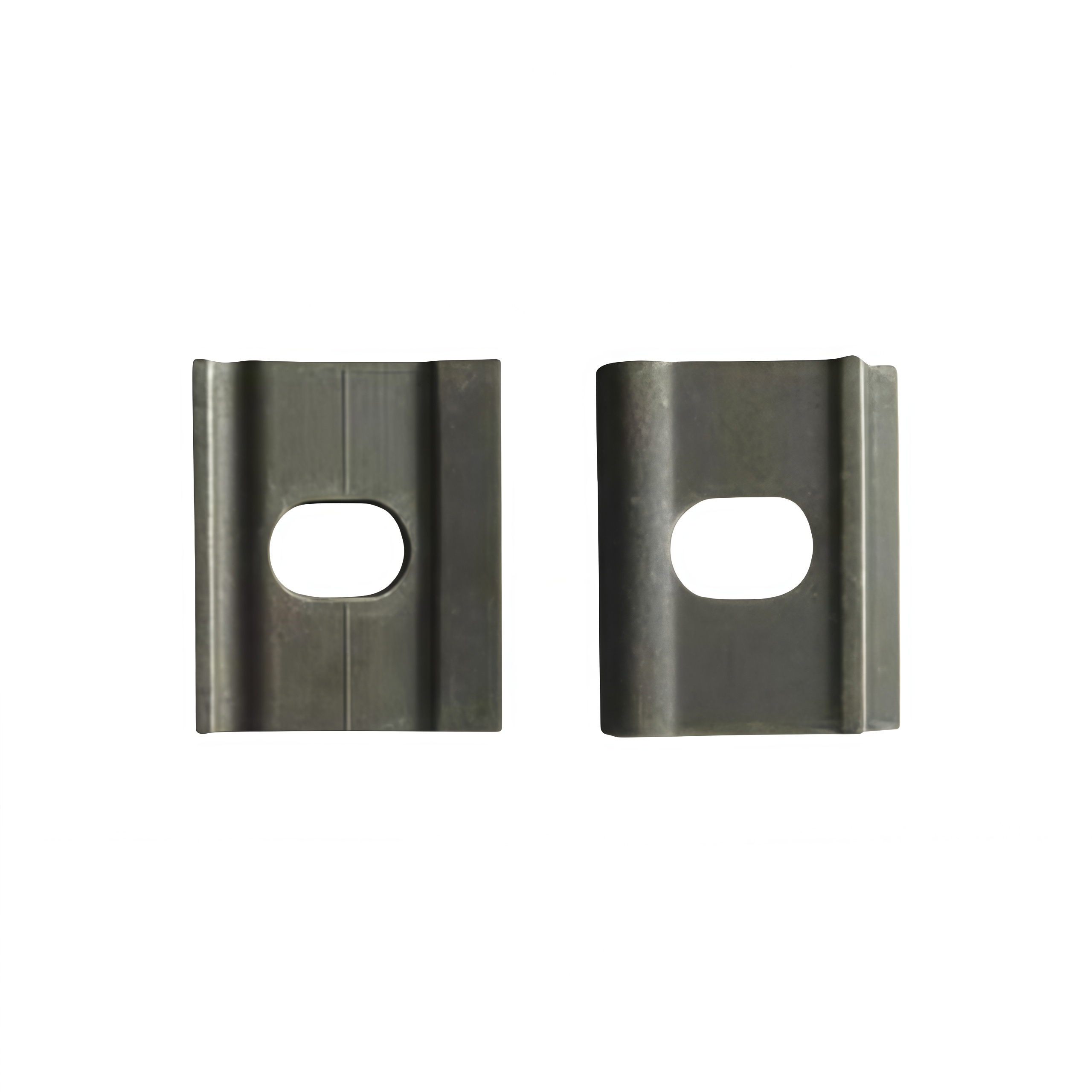
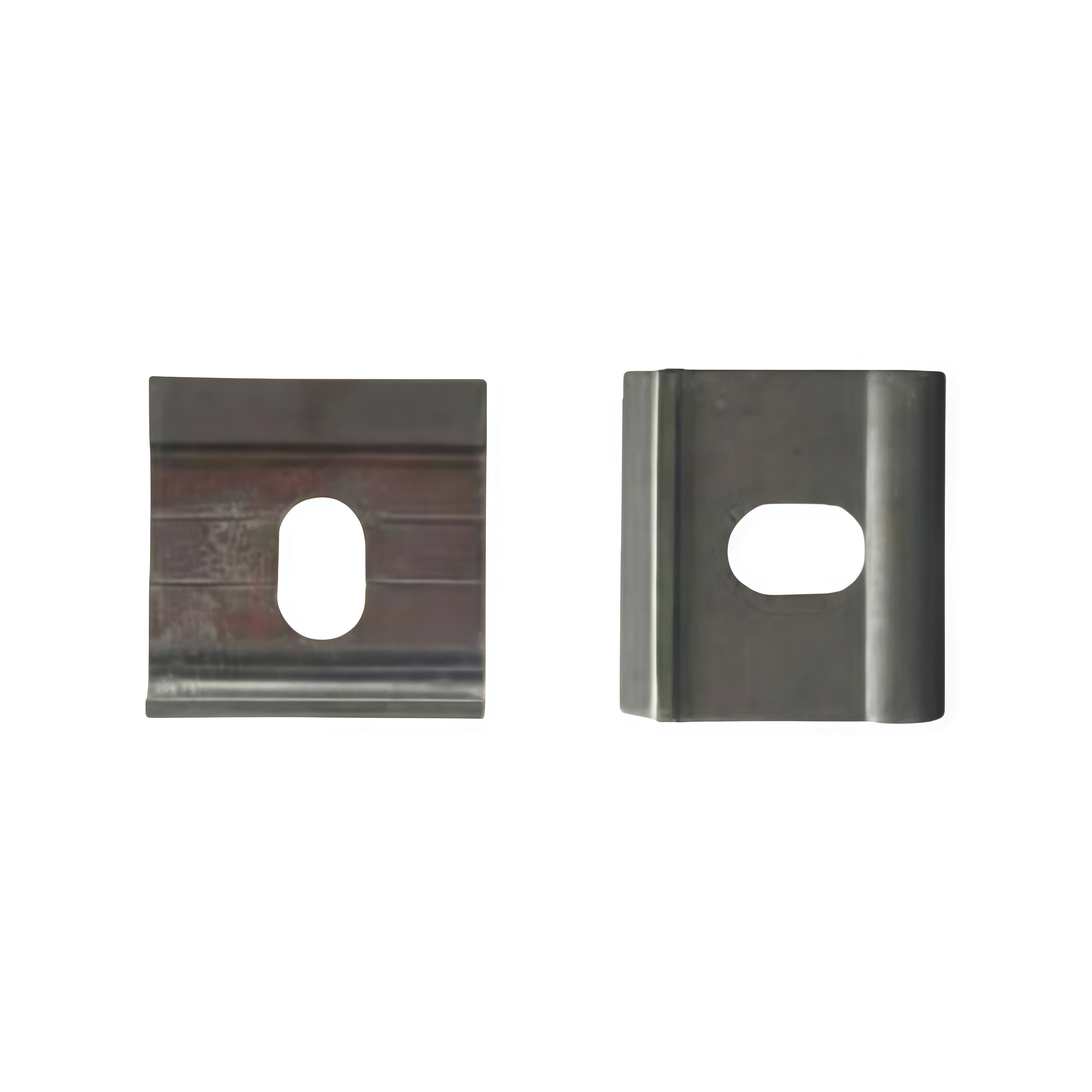
Full-size gauge plates for P50/P60 and international standard rails, customizable black oxide & hot-dip galvanized anti-corrosion treatment.
Stable mass supply supports one-stop bulk procurement with clips, bolts and under-rail pads to accelerate track laying progress.
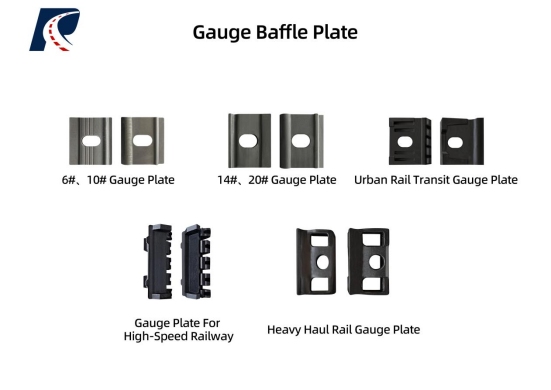
The most important role of the gauge plate is to ensure that the distance between the rails meets the requirements of the standard gauge 1435mm, and the common models are 6#, 10#, 14#, 20#, etc., and the large gauge adjustment amount will also use 3#, 13# gauge baffle and so on.
Rail fastening plates are typically used in traditional plate-type fastening systems. Installed on both sides beneath the rail, they securely clamp and fix the rail in place by bolting to embedded iron seats or pads on the ties. Common materials for fastening plates include malleable cast iron or cast steel, offering excellent strength and impact resistance.
Functions
1. Rail fixation: Securely clamping rails to sleepers or pads to prevent loosening and ensure operational safety.
2. Maintaining gauge: Working with gauge plates and other components to ensure the distance between rails meets standard gauge requirements.
3. Distributing loads: Assisting in dispersing pressure transmitted by the rails under train loads, enhancing the stability of the track structure.
4. Limiting lateral displacement: Effectively suppressing lateral movement of the rails, improving the overall stability of the track.
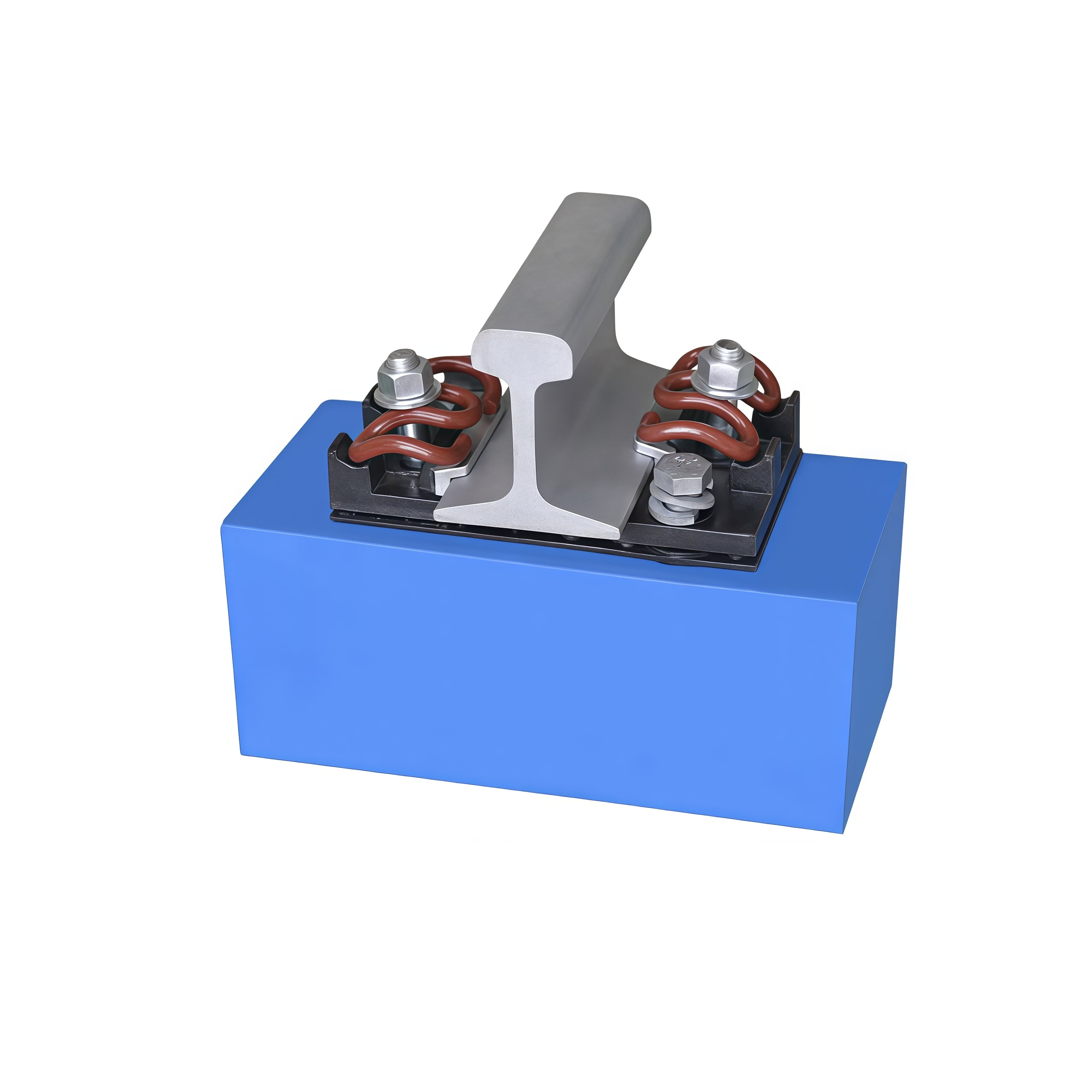
DJK5 Fastening System
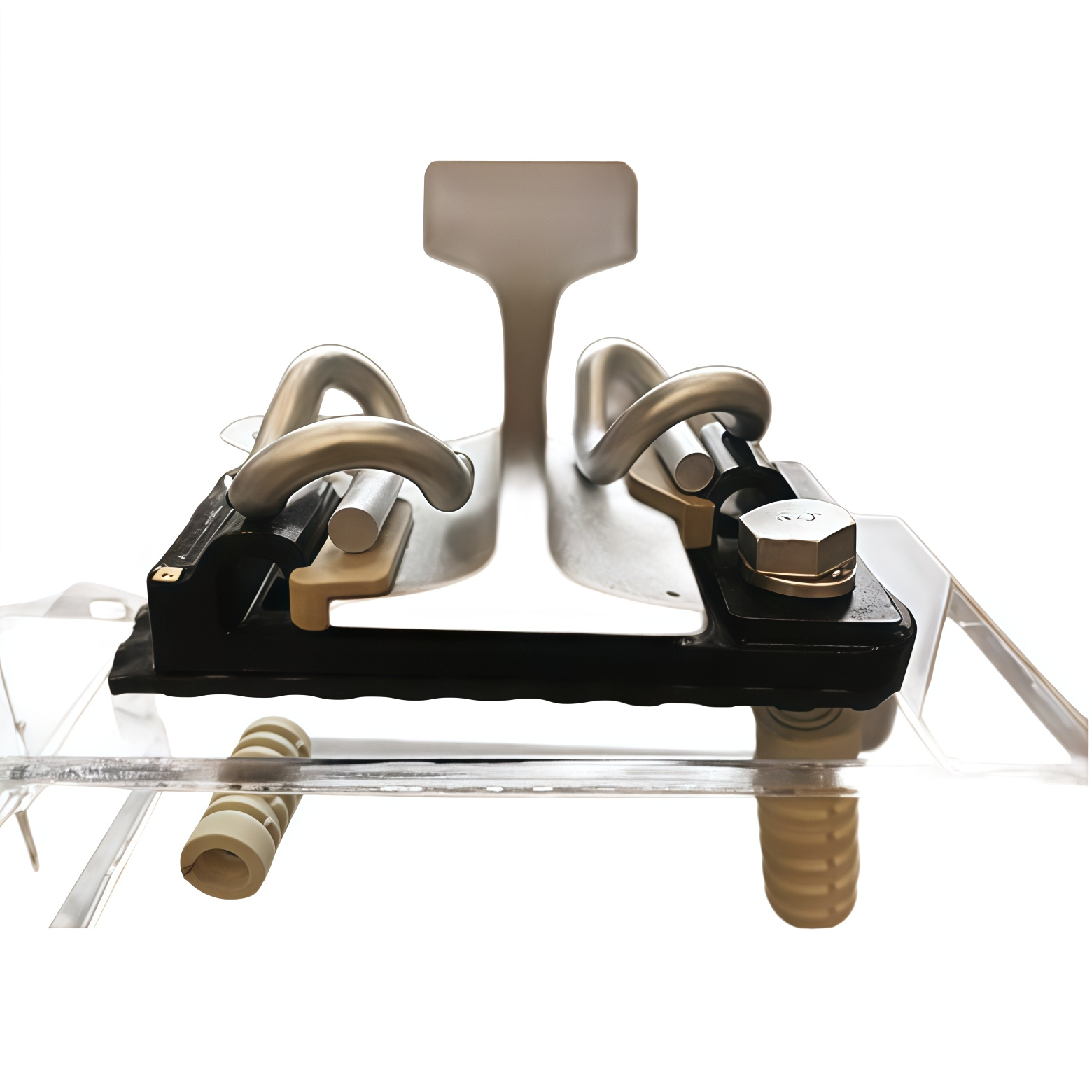
DZIII fastener
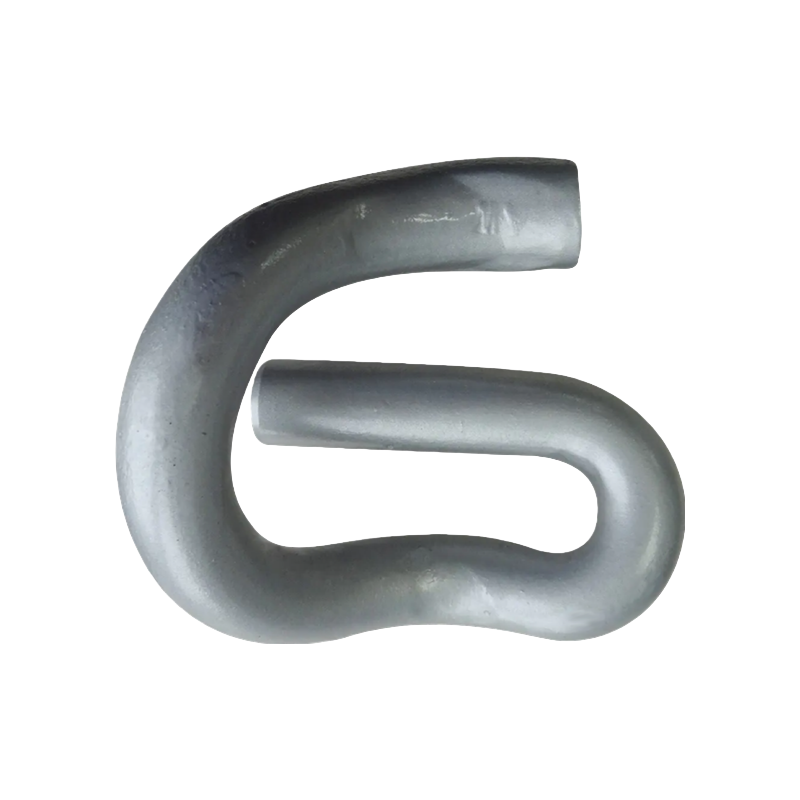
Subway Clips
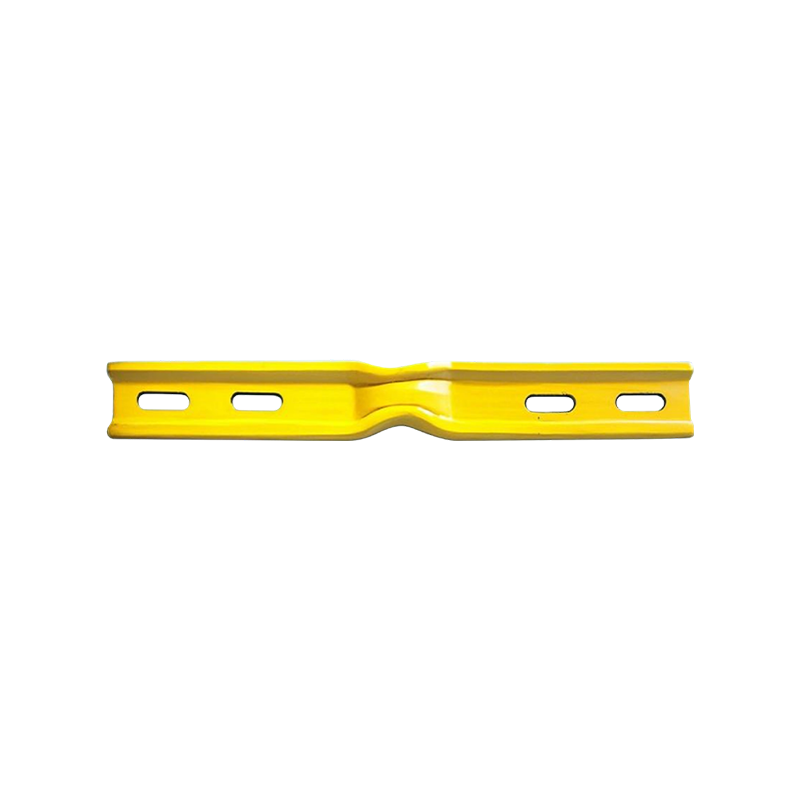
Bulged Fishplate