
 EN
EN
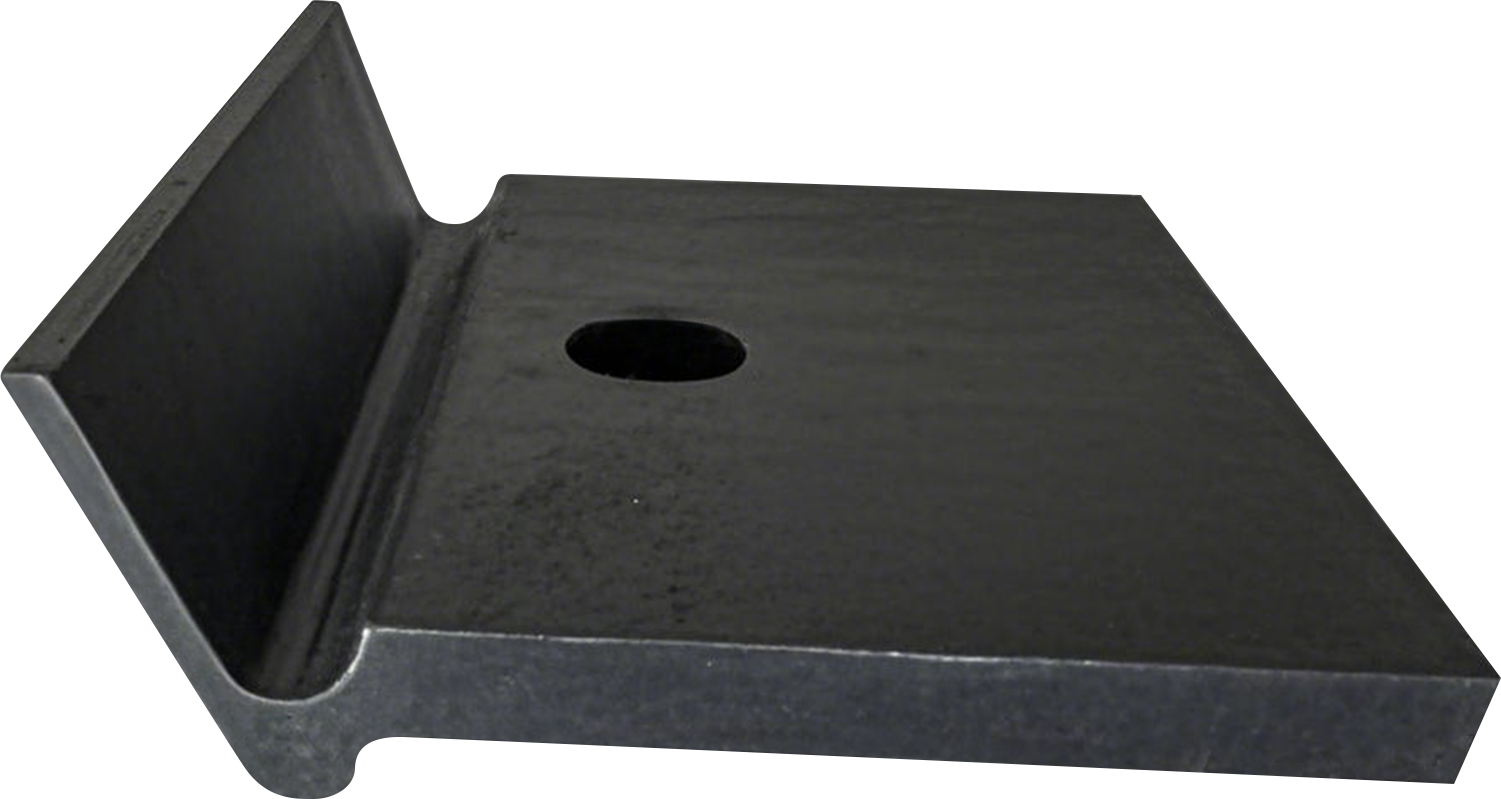
Railway infrastructure depends on precise engineering to ensure safe and reliable train operations across thousands of miles of track. One of the most critical yet often overlooked components in this system is the tie plate, a fundamental metal component that sits between the rail and the railway sleeper. Understanding how a tie plate functions reveals why this seemingly simple device is essential for track longevity and operational safety. The tie plate serves as the direct interface between heavy rail loads and the wooden or concrete sleepers that support the entire track structure, making it indispensable for modern rail systems.
The primary function of a tie plate is to distribute concentrated wheel loads across a larger surface area of the railway sleeper. Without this load distribution mechanism, the intense pressure from passing trains would create localized stress concentrations that rapidly damage sleepers. By widening the contact zone between rail and sleeper, a tie plate prevents puncture-like failures and extends sleeper service life significantly. This load distribution capability makes the tie plate an economically vital component that railway operators cannot overlook when planning maintenance strategies or infrastructure upgrades.
Understanding Load Distribution Through Tie Plate Design
How Tie Plate Geometry Spreads Concentrated Forces
A tie plate features a broad base platform that sits firmly on top of the sleeper, contrasting sharply with the narrow width of the rail foot that rests upon it. This geometric difference is the key to understanding how a tie plate manages load distribution. When a train wheel exerts force downward through the rail, the tie plate spreads this concentrated load over a much wider footprint. For example, a rail foot might contact a sleeper across a width of only 75 millimeters, but the tie plate base can extend this load-bearing area to 150 millimeters or more. This expanded contact area reduces the pressure intensity per unit area, protecting sleepers from localized crushing and deformation.
The material composition of a tie plate directly influences its load distribution effectiveness. High-carbon steel and ductile iron are standard choices because they offer sufficient strength to resist bending and fatigue while remaining cost-effective. The thickness of a tie plate, typically ranging from 8 to 16 millimeters depending on track class and expected loads, ensures the plate itself does not deform under operational stresses. When a tie plate maintains its structural integrity, load distribution remains uniform and predictable throughout the sleeper's life.
Pressure Intensity Reduction and Sleeper Protection
Railway sleepers experience constant cyclic loading from passing trains, and each cycle introduces micro-damage if pressure intensities exceed material limits. A properly designed tie plate reduces pressure intensity by typically 40 to 60 percent compared to direct rail-to-sleeper contact. This reduction is critical for wooden sleepers, which are more vulnerable to crushing than concrete alternatives. Concrete sleepers, while more durable, also benefit significantly from tie plate protection because distributed loads reduce cracking initiation and extend fatigue life. The tie plate acts as a protective barrier that shields the sleeper material from damage mechanisms that would otherwise necessitate premature replacement.
Protection Mechanisms Against Physical and Environmental Degradation
Preventing Sleeper Crushing and Surface Erosion
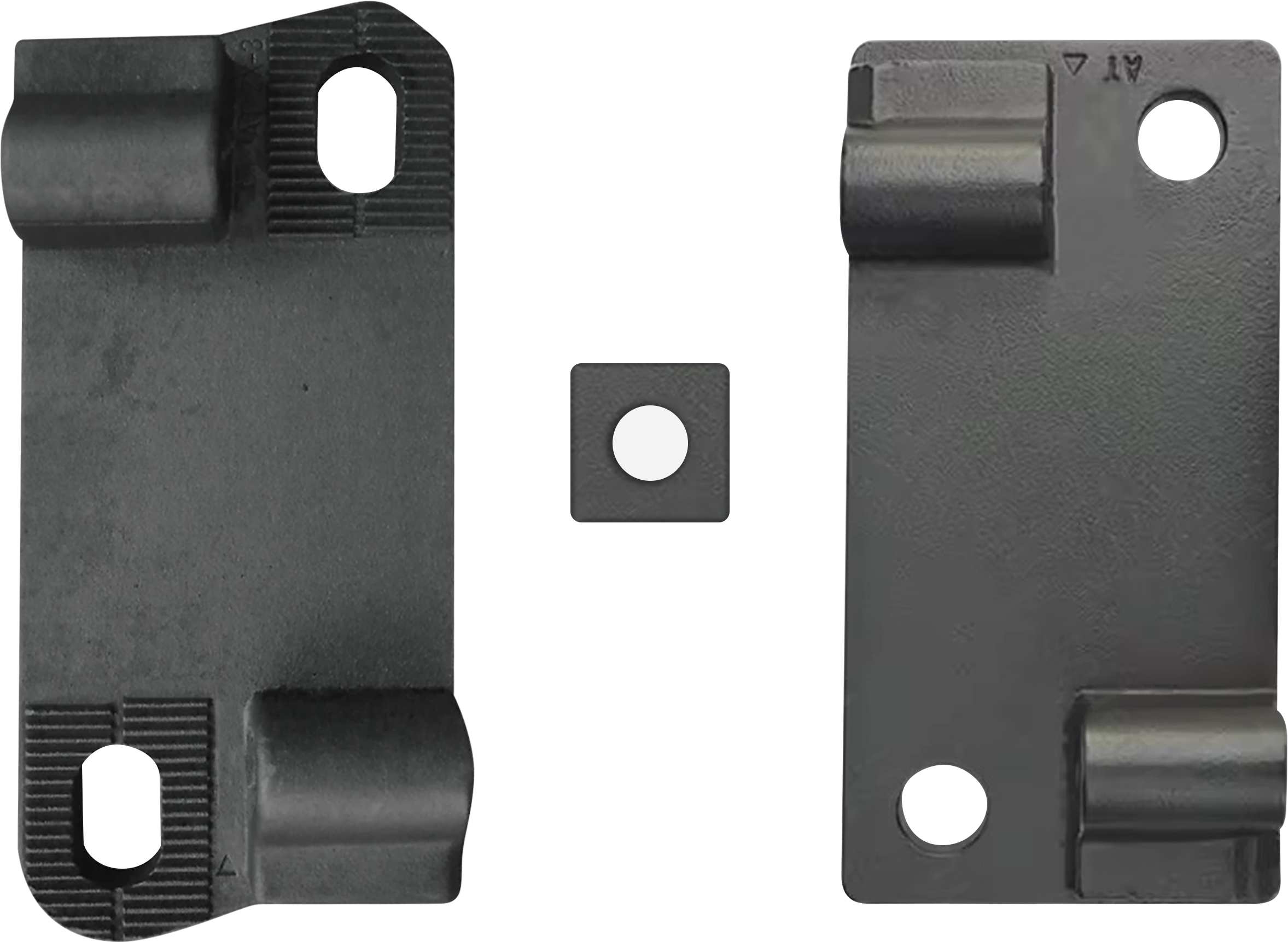
Direct contact between steel rails and wooden sleepers creates an abrasive and erosive interface. Rail vibration and micro-movement generate friction forces that can gradually wear away sleeper surface material. A tie plate prevents this surface erosion by interposing a harder metal surface that resists wear better than wood. Additionally, the tie plate maintains stable geometry under load, preventing the rail from digging into the sleeper. This protection mechanism is especially important in high-speed or heavy-haul applications where operational forces are substantially greater. By eliminating direct rail contact with the sleeper, a tie plate preserves sleeper structural integrity and extends service intervals between maintenance cycles.
The geometry of a tie plate also prevents rail roll-over and lateral displacement that could lead to sleeper cracking. The tie plate base is typically fastened to the sleeper using dedicated fasteners that create a rigid assembly, ensuring the rail remains properly aligned and seated. This stability prevents the sudden shock loadings that occur when rail misalignment forces abrupt corrections, protecting both the rail and sleeper from impact-induced failure.
Moisture Barrier and Corrosion Prevention
Wooden railway sleepers are susceptible to rot and degradation when exposed to moisture, and the interface between rail and sleeper creates a cavity that traps water and promotes decay. A tie plate serves as a moisture barrier that shields the underlying sleeper surface from direct water exposure. By covering the sleeper contact area, the tie plate reduces the surface available for moisture absorption and fungal growth. Railway maintenance engineers frequently specify tie plates with corrosion-resistant coatings, further enhancing the protective barrier effect. This moisture management capability significantly extends wooden sleeper lifespan, making tie plates particularly valuable in wet climates or regions with heavy precipitation.
Operational Benefits and Track System Integration
Enhancing Track Stability and Gauge Consistency
Track gauge, the distance between the two rails, must remain consistent within tight tolerances to ensure train safety and operational efficiency. A tie plate contributes to gauge stability by providing a rigid platform that precisely positions the rail at the correct height and lateral location. When a tie plate deteriorates or becomes misaligned, gauge tolerance violations often follow, requiring corrective track work that disrupts service. Modern tie plate designs incorporate features that resist lateral movement and prevent gauge widening or narrowing. These stability features reduce track inspection intervals and maintenance costs while improving safety margins for train operations.
The tie plate also facilitates proper fastener engagement and maintains clamp load on the rail. Resilient fastening systems that clamp the rail to the sleeper depend on the tie plate providing a stable and adequate surface for fastener contact. When tie plate condition deteriorates, fastener effectiveness diminishes, and rail movement increases. This connection between tie plate integrity and fastening system performance demonstrates why railway maintenance programs prioritize regular tie plate inspection and replacement.
Cost-Effectiveness and Economic Justification
The economic case for investing in quality tie plates is compelling when considering full life-cycle costs. A durable tie plate typically costs between 15 and 40 dollars depending on material grade and design complexity. Replacing a railway sleeper, by contrast, costs between 200 and 500 dollars when accounting for labor, disruption costs, and equipment deployment. By protecting sleepers from premature damage, a tie plate investment yields returns many times its original cost. Railway operators managing thousands of miles of track recognize that tie plate quality and maintenance represent some of the highest-return maintenance investments available. This economic perspective reinforces why selecting high-quality tie plates and maintaining them properly remains a standard practice across the global railway industry.
FAQ
What materials are tie plates typically made from?
Tie plates are most commonly manufactured from high-carbon steel or ductile iron because these materials offer excellent strength-to-weight ratios and fatigue resistance. High-carbon steel tie plates are preferred for heavy-haul and high-speed lines due to superior toughness, while ductile iron tie plates are often used on secondary lines where loads are moderate. The specific material selection for a tie plate depends on track classification, expected tonnage, and climate conditions. Modern tie plates often receive protective coatings to enhance corrosion resistance and extend service life in challenging environments.
How often should tie plates be inspected and replaced?
Tie plate inspection frequency depends on track tonnage, speed, and climate conditions, but most railway operators follow inspection schedules ranging from 12 to 36 months. A deteriorated tie plate showing cracks, excessive wear, or loss of structural rigidity should be replaced immediately to prevent sleeper damage and safety hazards. Replacement intervals for tie plates typically span 15 to 30 years under normal operating conditions, though this timeline varies significantly based on material quality and maintenance practices. Regular visual inspections and metallurgical testing help railway maintenance teams predict tie plate failure and schedule replacements proactively.
Can tie plates prevent all sleeper damage?
While tie plates provide excellent protection against many damage mechanisms, they cannot prevent all sleeper degradation. Environmental factors like freeze-thaw cycles, wood-boring insects, and chemical exposure can still affect sleepers despite tie plate protection. However, a tie plate significantly reduces damage rates from operational loads, moisture infiltration, and surface erosion, representing the most effective single intervention for extending sleeper life. Railway engineers view tie plates as a critical component of a comprehensive sleeper protection strategy that includes ballast management, drainage control, and preventive maintenance practices.