
 EN
EN
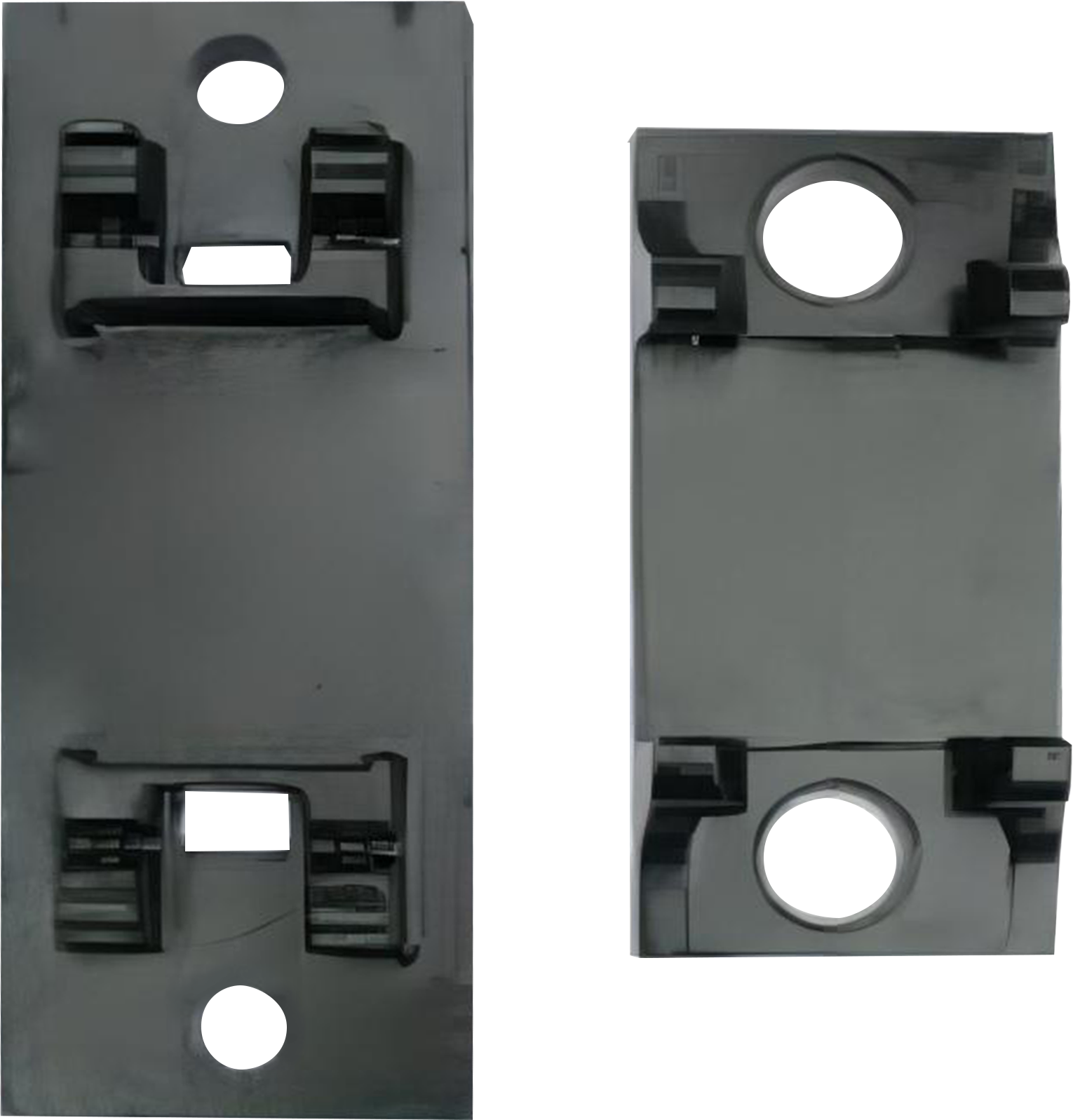
Large infrastructure developments require precision components that hold systems together under extreme conditions. A tie plate is one of the most critical fastening elements in railway infrastructure, designed to secure rails to wooden or concrete sleepers with exceptional durability and load-bearing capacity. These specialized components are essential for maintaining track alignment, distributing forces evenly, and ensuring safe, reliable rail operations across thousands of kilometers. Understanding how tie plate suppliers contribute to major infrastructure projects reveals the engineering expertise and operational support that underpin modern transportation networks.
Infrastructure developers face significant challenges when sourcing high-quality rail components for large-scale projects. Reliable tie plate suppliers provide not only manufactured products but also technical consultation, quality assurance, and logistics support that directly impact project timelines and structural integrity. The role of specialized suppliers extends far beyond simple product delivery—they become strategic partners in ensuring that railway systems meet international safety standards, withstand environmental stress, and deliver decades of reliable service.
Technical Expertise and Component Quality
Precision Manufacturing and Material Standards
Professional tie plate suppliers operate facilities equipped with advanced manufacturing technologies designed to produce components meeting rigorous international standards. Each tie plate undergoes strict quality control testing to verify dimensional accuracy, material composition, and structural integrity. Suppliers working on large infrastructure projects must maintain ISO certifications and comply with railway authority specifications across multiple jurisdictions, ensuring that every tie plate delivered will perform reliably under the specific operational conditions of the infrastructure development.
The material selection process for manufacturing tie plate components directly influences long-term project performance. High-grade steel formulations provide superior corrosion resistance, fatigue strength, and load distribution capabilities compared to standard alternatives. Experienced tie plate suppliers understand that infrastructure developers depend on components that maintain structural integrity across decades of service, often in challenging environmental conditions ranging from extreme temperatures to high-moisture environments.
Customization for Project-Specific Requirements
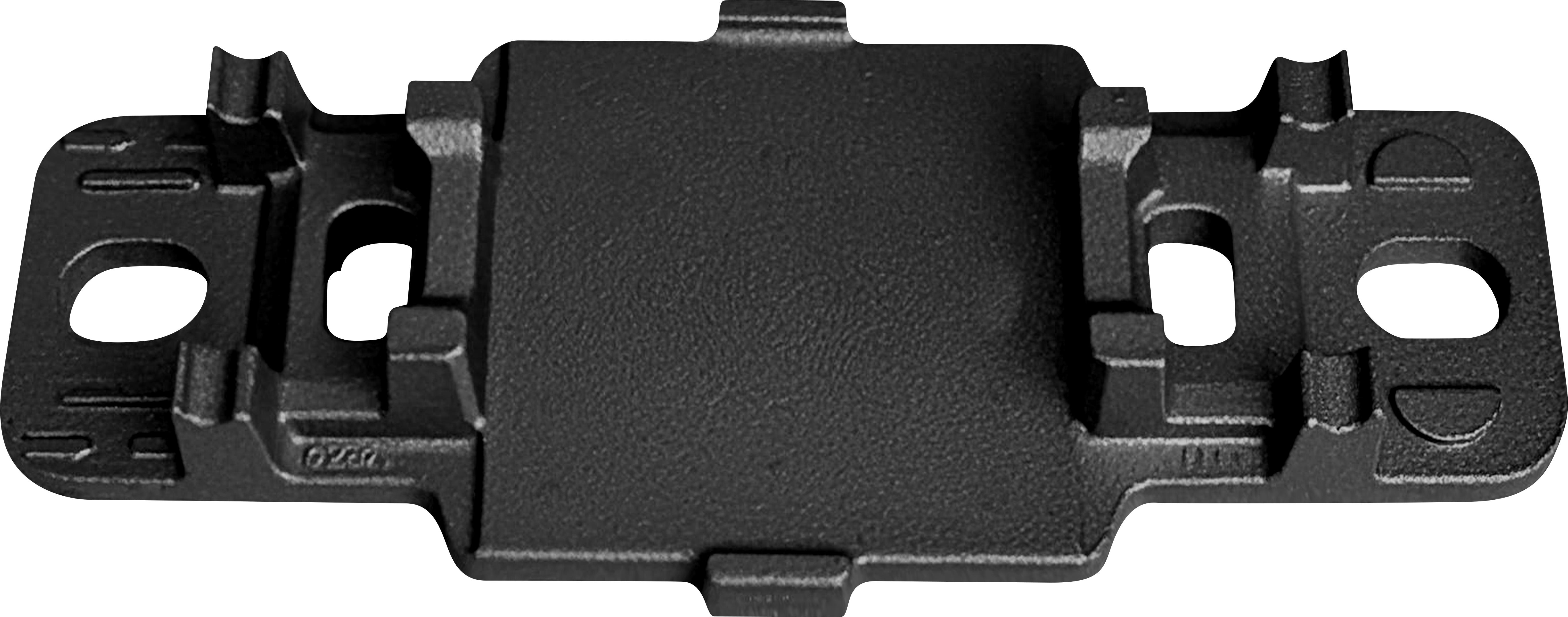
Large infrastructure developments often require customized tie plate solutions tailored to unique track designs, rail specifications, and regional environmental factors. Specialized suppliers maintain engineering capabilities to adapt tie plate designs for standard gauge, broad gauge, or narrow gauge systems, accommodating different sleeper materials and fastening configurations. This flexibility enables infrastructure projects to maintain optimal compatibility between components while preserving the performance characteristics essential for safe rail operations.
Supply Chain Management and Project Support
Reliable Delivery and Inventory Management
Infrastructure developments spanning hundreds or thousands of kilometers require enormous quantities of tie plate components delivered according to precise project schedules. Professional tie plate suppliers establish inventory management systems capable of handling bulk orders while maintaining delivery consistency throughout multi-year construction phases. Their ability to forecast demand, coordinate production capacity, and arrange logistics demonstrates the operational maturity that large infrastructure projects depend on for success.
Unexpected supply disruptions can delay entire infrastructure projects, creating cascading costs and scheduling complications. Established tie plate suppliers mitigate these risks by maintaining strategic inventory reserves, diversifying production facilities, and establishing redundant supply pathways. This proactive approach to supply chain management ensures that infrastructure developers can maintain construction momentum regardless of market fluctuations or unforeseen circumstances affecting component availability.
Technical Support and Installation Guidance
Beyond manufacturing, professional tie plate suppliers provide essential technical support that helps infrastructure development teams maximize component performance and installation efficiency. Supplier experts offer guidance on proper fastening procedures, torque specifications, and maintenance protocols that ensure each tie plate performs as designed throughout its operational lifespan. This knowledge transfer reduces installation errors, improves safety outcomes, and demonstrates the value that experienced suppliers bring to complex infrastructure projects.
Many infrastructure developments face time-sensitive construction schedules requiring rapid problem-solving and adaptive solutions. Tie plate suppliers with strong technical teams can troubleshoot site-specific challenges, recommend adjustments to installation procedures, and provide rapid response support when unusual conditions arise during construction phases.
Cost Efficiency and Long-Term Value
Economies of Scale and Competitive Pricing
Infrastructure developers conducting large-scale procurement can negotiate favorable pricing with established tie plate suppliers capable of handling volume orders. These suppliers achieve production efficiencies through optimized manufacturing processes, standardized production runs, and economies of scale that reduce per-unit costs significantly. The financial benefits of sourcing from specialized suppliers frequently exceed the savings achievable through smaller vendors while preserving quality standards and supply reliability.
Strategic partnerships with reliable tie plate suppliers enable infrastructure developers to achieve budget predictability across multi-year projects. Long-term supply agreements lock in pricing, guarantee component availability, and establish performance expectations that support financial planning and project management throughout the development lifecycle.
Reduced Maintenance and Lifecycle Benefits
Investing in premium-quality tie plate components from reputable suppliers delivers substantial long-term value by minimizing maintenance requirements and extending track system lifespan. High-performance tie plate designs reduce fastener loosening, prevent rail movement, and maintain alignment stability across decades of service. Infrastructure operators benefit from reduced downtime, lower maintenance costs, and improved safety outcomes—advantages that justify the initial investment in quality components during the development phase.
The total cost of ownership for infrastructure systems includes not only initial component purchase costs but also lifecycle maintenance, replacement frequency, and operational reliability. Professional tie plate suppliers understand this economics model and design components that minimize lifetime costs while maximizing system performance and safety.
FAQ
What specifications should infrastructure developers require from tie plate suppliers?
Infrastructure developers should require tie plate suppliers to provide detailed material certifications, dimensional drawings, load-bearing specifications, and compliance documentation with relevant railway authority standards. Suppliers should demonstrate ISO certifications, quality management procedures, and testing protocols confirming that each tie plate meets project requirements. Requesting samples, quality records, and references from comparable infrastructure projects helps validate supplier capability before committing to large-scale procurement.
How do tie plate suppliers ensure consistent quality across large orders?
Reputable tie plate suppliers implement rigorous quality control systems including incoming material inspection, in-process testing, and final product verification before shipment. Each tie plate undergoes dimensional verification, material composition analysis, and structural testing to confirm conformance to specifications. Documentation systems track production batches, test results, and quality metrics, enabling infrastructure developers to maintain traceability and verify compliance throughout the entire supply chain.
What advantages do professional tie plate suppliers offer compared to smaller manufacturers?
Professional tie plate suppliers typically offer greater production capacity, technical expertise, supply chain reliability, and customer support compared to smaller manufacturers. Established suppliers maintain modern facilities, employ specialized engineering teams, and operate quality management systems certified to international standards. Their ability to handle large volume orders, provide technical guidance, and guarantee consistent delivery makes them the preferred choice for infrastructure developers managing complex, large-scale projects requiring dependable component suppliers.