
 EN
EN
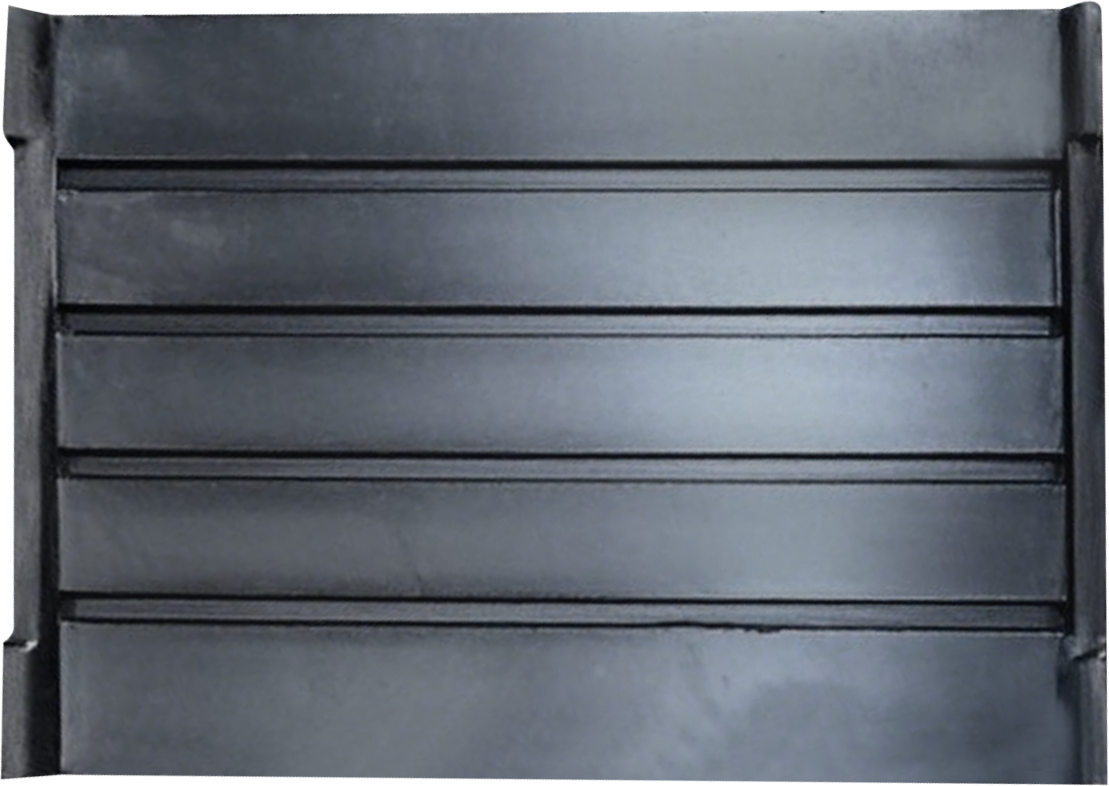
The longevity of a tie plate in railway systems depends on multiple interconnected factors that directly impact operational safety and maintenance costs. Railway operators and engineers must understand what determines the lifespan of a tie plate to make informed decisions about infrastructure investment and replacement schedules. A tie plate serves as a critical component that secures the rail to the wooden or concrete sleeper, and its durability significantly influences the overall reliability of the track structure.
Understanding what influences tie plate performance allows maintenance teams to optimize track reliability and reduce unexpected failures. The lifespan of a tie plate is not predetermined; rather, it emerges from the dynamic interplay of material properties, environmental stressors, installation quality, and maintenance practices. Railway systems worldwide demonstrate that tie plate replacement intervals vary significantly based on these controllable and environmental factors.
Material Composition and Manufacturing Quality
Steel Grade and Alloy Selection
The material used in tie plate manufacturing directly determines how long a tie plate will perform under stress. High-carbon steel and medium-carbon steel compositions provide the strength necessary to withstand repeated locomotive loads, but they respond differently to environmental exposure. A tie plate manufactured from inferior steel grades will suffer accelerated corrosion and weakening, reducing its effective lifespan by years compared to premium-grade alternatives.
The choice of steel alloy affects not only the strength of a tie plate but also its resistance to fatigue fractures caused by cyclic loading. Railway engineers typically select tie plate materials based on expected traffic volume, axle loads, and climate conditions. When a tie plate incorporates molybdenum or other alloying elements, it gains enhanced hardness and corrosion resistance, extending overall service life significantly.
Manufacturing Tolerance and Surface Finish
Precision manufacturing directly influences how well a tie plate distributes loads across the sleeper and maintains contact with the rail. When a tie plate exhibits poor surface finish or dimensional inconsistencies, stress concentrations develop at contact points, accelerating fatigue-related failures. Quality manufacturing processes ensure that each tie plate meets strict dimensional specifications, preventing premature wear and extending the functional lifespan of a tie plate across the track network.
Surface treatments such as zinc plating or hot-dip galvanizing significantly enhance the protective properties of a tie plate. These coatings create a barrier against moisture and oxygen, which are primary drivers of corrosion. When a tie plate receives adequate protective coating during manufacturing, its resistance to environmental degradation improves dramatically, allowing the tie plate to maintain structural integrity for decades rather than years.
Environmental and Operational Stressors
Moisture, Corrosion, and Climate Impact
Moisture exposure represents one of the most significant threats to tie plate durability in railway systems. In humid or wet climates, moisture accumulates beneath and around the tie plate, initiating electrochemical corrosion processes that weaken the metal. The lifespan of a tie plate in coastal regions or high-rainfall areas typically shortens by 20 to 40 percent compared to dry climates unless the tie plate receives premium corrosion protection.
Freeze-thaw cycles in cold climates create additional stress on a tie plate through thermal expansion and contraction. When water trapped in crevices around the tie plate freezes, it exerts mechanical pressure that can initiate cracks or loosen fastening connections. Understanding local climate patterns helps railway maintenance teams predict when a tie plate will likely require replacement and plan preventive interventions before failures occur.
Axle Load and Traffic Intensity
Heavy-haul railway lines subject each tie plate to vastly greater cyclic stress than passenger-only routes. A tie plate carrying 32-ton axle loads experiences cumulative fatigue damage much faster than one supporting 20-ton loads. The relationship between traffic intensity and tie plate lifespan follows predictable degradation patterns, allowing engineers to estimate replacement schedules based on actual operational conditions.
Repeated dynamic loading causes metal fatigue in the tie plate, gradually accumulating microscopic damage that eventually leads to fracture. High-speed trains introduce rapid cyclic stressing that compounds fatigue effects compared to lower-speed freight operations. Accurately modeling the tie plate's exposure to operational loads enables predictive maintenance strategies that extend overall system reliability while controlling replacement costs.
Installation, Maintenance, and Design Factors
Proper Installation and Fastening Integrity
How a tie plate is installed directly affects its structural performance and service life. Improper clamping forces during installation can prevent the tie plate from maintaining secure contact with the rail, causing movement and accelerated wear. When installation teams apply correct torque specifications to fastening bolts, the tie plate remains firmly seated, distributing loads uniformly and extending the lifespan of a tie plate significantly.
Experienced railway maintenance crews recognize that the tie plate's effectiveness depends on maintaining consistent pressure between the rail, tie plate, and sleeper. Loose fasteners allow micro-motion that produces fretting corrosion and metal degradation. Regular inspection protocols that verify fastening integrity help identify when a tie plate risks premature failure, enabling proactive replacement before catastrophic track failure occurs.
Design Geometry and Load Distribution
The geometric design of a tie plate influences how effectively it distributes concentrated rail loads across the sleeper surface. Well-designed tie plates feature optimized contact patterns that minimize stress peaks and promote even load transmission. When a tie plate design incorporates features that enhance grip without creating stress concentrations, the overall structural lifespan increases substantially.
Sleeper material compatibility affects how long a tie plate performs within its mounting environment. A tie plate in contact with concrete sleepers experiences different wear patterns than one fastened to timber sleepers. Modern tie plate designs account for these material interactions, ensuring that the tie plate maintains functionality across diverse sleeper compositions.
Preventive Maintenance and Inspection Programs
Systematic inspection identifies developing damage in a tie plate before it progresses to critical failure stages. Railway operators implementing advanced condition-monitoring systems can detect corrosion, crack initiation, or fastener loosening early. Proactive maintenance that addresses minor tie plate issues extends the functional lifespan of a tie plate by preventing cascade failures that compromise larger track sections.
Timely replacement of corroded fasteners and protective coatings renewal extends tie plate service life substantially. When railway maintenance teams follow evidence-based replacement protocols adjusted for local conditions, the average lifespan of a tie plate approaches or exceeds design expectations. Investment in systematic inspection and preventive care typically reduces total lifecycle costs despite higher near-term maintenance budgets.
FAQ
What is the typical lifespan of a tie plate in railway systems?
The lifespan of a tie plate typically ranges from 15 to 40 years, depending on material quality, climate conditions, and maintenance practices. In high-traffic routes with heavy axle loads and corrosive environments, a tie plate may require replacement within 15 to 20 years. Conversely, light-traffic routes in dry climates with premium tie plate materials and excellent maintenance can achieve 30 to 40 year service lives or longer.
How does corrosion impact the lifespan of a tie plate?
Corrosion represents one of the primary failure mechanisms affecting tie plate durability. Moisture penetration and electrochemical reactions gradually weaken the metal structure of a tie plate, reducing its load-bearing capacity and increasing fracture risk. In severely corrosive environments, unprotected tie plates may deteriorate within 10 to 15 years, while properly galvanized tie plate materials can resist corrosion for 25 to 40 years.
Can maintenance practices extend the lifespan of a tie plate?
Yes, systematic maintenance practices significantly extend tie plate longevity. Regular inspection, fastener torque verification, drainage maintenance to prevent moisture accumulation, and timely protective coating reapplication all contribute to extending the lifespan of a tie plate. Railway operators implementing comprehensive maintenance programs typically achieve 10 to 20 percent longer tie plate service lives compared to those following minimal maintenance protocols.