
 EN
EN
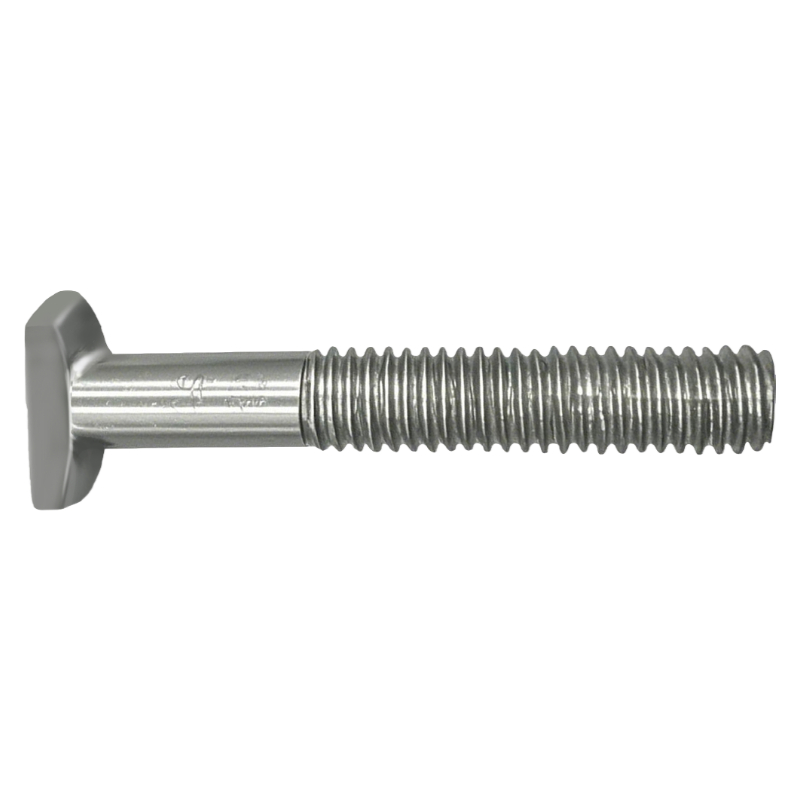
Modular railway systems rely on precise mechanical connections to ensure safe and efficient train operations, with track pins serving as fundamental fastening components that secure rails to various supporting structures. These specialized pins come in multiple configurations designed to accommodate different track geometries, load requirements, and environmental conditions found in modern railway infrastructure.
Understanding the specific types of track pins available for modular railway applications enables engineers and railway operators to select appropriate fastening solutions based on their unique operational requirements. Each pin type offers distinct advantages in terms of installation efficiency, load distribution, corrosion resistance, and maintenance accessibility across diverse railway environments.
Primary Categories of Railway Track Pins
Dog Spike Track Pins
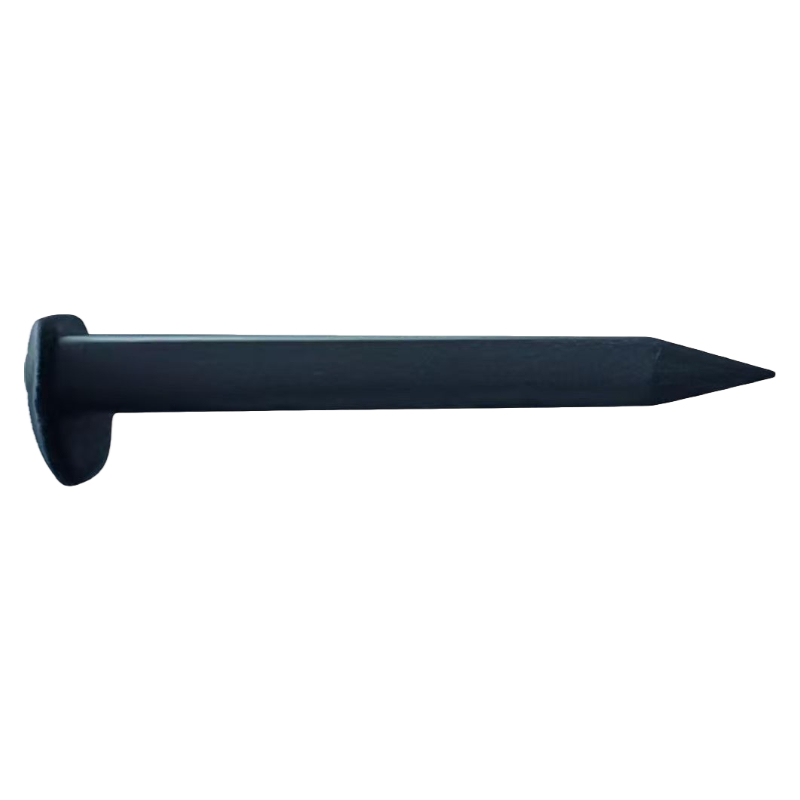
Dog spike track pins represent one of the most widely used fastening solutions in traditional and modular railway systems. These square-headed pins feature a distinctive bent design that allows them to grip wooden ties securely while maintaining consistent rail gauge alignment. The unique shape of dog spike track pins provides excellent holding power through their angular penetration into tie materials.
Modern dog spike applications extend beyond conventional wooden tie installations to include specialized modular components where quick assembly and disassembly capabilities are essential. The standardized dimensions of these track pins ensure compatibility across different modular railway systems while providing reliable mechanical connections under varying load conditions.
Manufacturing specifications for dog spike track pins typically include specific steel grades, surface treatments, and dimensional tolerances that enable consistent performance across diverse environmental conditions. These pins undergo rigorous testing to ensure they meet railway industry standards for tensile strength, corrosion resistance, and fatigue life under repetitive loading cycles.
Screw Spike Track Pins
Screw spike track pins offer enhanced holding power compared to traditional dog spikes through their threaded design that creates mechanical interference with tie materials. These track pins feature helical threads that distribute loads more evenly throughout the fastening zone, reducing stress concentrations and improving long-term reliability in modular railway applications.
The installation process for screw spike track pins requires specialized driving equipment that rotates the pins during insertion, creating tight mechanical connections that resist both vertical and lateral forces. This characteristic makes screw spikes particularly valuable in modular systems where components may experience dynamic loading during assembly, operation, and transportation phases.
Maintenance advantages of screw spike track pins include their ability to be removed and reinstalled multiple times without significant degradation of holding power. This feature proves essential in modular railway systems where components require periodic reconfiguration or replacement to accommodate changing operational requirements.
Specialized Pin Configurations for Modular Systems
Elastic Fastening Track Pins
Elastic fastening systems incorporate track pins designed to work in conjunction with resilient pads and clips that provide controlled flexibility while maintaining rail position accuracy. These specialized track pins feature modified heads and shank configurations that accommodate the additional hardware components required for elastic fastening assemblies.
The engineering benefits of elastic fastening track pins include reduced vibration transmission to surrounding structures, improved noise control characteristics, and enhanced ride quality for railway vehicles. These advantages make elastic fastening systems particularly attractive for modular railway installations in urban environments or sensitive areas where noise and vibration control are critical considerations.
Installation procedures for elastic fastening track pins require careful attention to torque specifications and hardware sequencing to ensure proper system performance. The modular nature of these fastening systems allows for field adjustments and component replacement without major infrastructure modifications, supporting flexible railway operations.
Adjustable Height Track Pins
Adjustable height track pins provide vertical positioning capability that enables precise rail elevation control in modular railway systems. These specialized track pins incorporate threaded adjustment mechanisms or stepped configurations that allow field personnel to modify rail height without replacing entire fastening assemblies.
The practical applications of adjustable height track pins include grade crossing installations, transition zones between different track structures, and temporary railway configurations where precise elevation matching is required. These pins enable modular systems to accommodate varying site conditions and operational requirements while maintaining smooth vehicle operation.
Quality control procedures for adjustable height track pins emphasize dimensional accuracy and thread integrity to ensure consistent adjustment capability throughout the service life of these components. Regular inspection and lubrication of adjustment mechanisms help maintain optimal performance in challenging environmental conditions.
Material Specifications and Performance Characteristics
Steel Composition Requirements
Track pins used in modular railway components must meet stringent material specifications that ensure adequate strength, ductility, and corrosion resistance for their intended service environments. Carbon steel compositions typically range from medium to high carbon content depending on the specific application requirements and expected loading conditions.
Heat treatment processes for railway track pins include controlled cooling and tempering operations that develop optimal mechanical properties while maintaining consistent dimensional characteristics. These thermal processing steps are critical for achieving the balance between hardness and toughness required for reliable performance under repetitive loading cycles.
Alloy additions such as chromium, nickel, and molybdenum may be incorporated into track pin steel compositions to enhance specific performance characteristics such as corrosion resistance, high temperature strength, or impact toughness. The selection of appropriate alloy systems depends on the environmental conditions and service requirements of the specific modular railway application.
Surface Treatment Technologies
Surface treatment applications for track pins include hot-dip galvanizing, zinc plating, and specialized coating systems that provide enhanced corrosion protection in aggressive environments. These protective treatments extend the service life of track pins while reducing maintenance requirements in modular railway systems.
The selection of appropriate surface treatments depends on factors such as exposure to moisture, chemical contaminants, temperature variations, and expected service duration. Galvanized track pins offer excellent long-term corrosion protection but may require specific installation techniques to prevent coating damage during assembly operations.
Quality assurance testing for surface-treated track pins includes coating thickness measurements, adhesion testing, and salt spray corrosion evaluations that verify protective performance under accelerated aging conditions. These tests ensure that coated pins will provide reliable protection throughout their intended service life in modular railway applications.
Installation Considerations and Compatibility Factors
Modular System Integration
The integration of track pins into modular railway systems requires careful consideration of component interfaces, assembly sequences, and field installation requirements. Pin selection must account for the specific geometries and materials used in modular tie plates, rail clips, and supporting hardware to ensure proper system function.
Dimensional compatibility between track pins and modular components involves precise control of hole sizes, pin diameters, and engagement lengths that provide adequate mechanical connection without excessive interference. These dimensional relationships are critical for maintaining system reliability while enabling efficient field assembly operations.
Field installation procedures for track pins in modular systems often emphasize speed and simplicity to minimize construction time and labor requirements. The design of modular fastening systems typically incorporates features that facilitate proper pin alignment and driving without specialized tooling or extensive worker training.
Load Transfer Mechanisms
Effective load transfer through track pins requires understanding of the force paths and stress distributions that occur during railway vehicle operations. Pin designs must accommodate both vertical loads from wheel-rail contact forces and lateral loads from vehicle dynamics, thermal effects, and operational irregularities.
The mechanical analysis of track pin loading includes consideration of fatigue effects, impact loading, and long-term stress relaxation that may affect fastening system performance over time. Modular railway systems benefit from pin designs that distribute loads effectively while providing adequate safety factors for unexpected loading conditions.
Testing protocols for track pin load capacity include both static and dynamic loading evaluations that simulate actual service conditions. These tests validate the structural adequacy of pin designs while identifying potential failure modes that could affect modular system reliability.
FAQ
What is the typical service life of track pins in modular railway systems?
Track pins in modular railway systems typically provide service lives ranging from 15 to 30 years depending on factors such as traffic loading, environmental exposure, maintenance practices, and initial material quality. Regular inspection and replacement of worn or damaged pins helps maintain optimal system performance throughout the operational life of modular railway installations.
How do track pins accommodate thermal expansion and contraction in modular systems?
Track pins accommodate thermal effects through their mechanical connection characteristics and the flexibility of surrounding fastening components. Properly designed pin installations allow for controlled movement while maintaining rail position accuracy, with some systems incorporating specific clearances or elastic elements that manage thermal stresses without compromising structural integrity.
Can different types of track pins be mixed within the same modular railway system?
While different track pin types can potentially be used within the same modular system, this practice requires careful engineering analysis to ensure compatibility of load transfer mechanisms, installation procedures, and maintenance requirements. Most modular railway systems achieve optimal performance through standardized pin types that provide consistent fastening characteristics throughout the installation.
What maintenance procedures are recommended for track pins in modular applications?
Maintenance procedures for track pins include regular visual inspections for signs of loosening, corrosion, or mechanical damage, periodic torque checking for threaded fasteners, and replacement of pins that show excessive wear or deformation. Modular systems often facilitate pin maintenance through accessible designs that enable inspection and replacement without major system disassembly.
Table of Contents
- Primary Categories of Railway Track Pins
- Specialized Pin Configurations for Modular Systems
- Material Specifications and Performance Characteristics
- Installation Considerations and Compatibility Factors
-
FAQ
- What is the typical service life of track pins in modular railway systems?
- How do track pins accommodate thermal expansion and contraction in modular systems?
- Can different types of track pins be mixed within the same modular railway system?
- What maintenance procedures are recommended for track pins in modular applications?