
 EN
EN
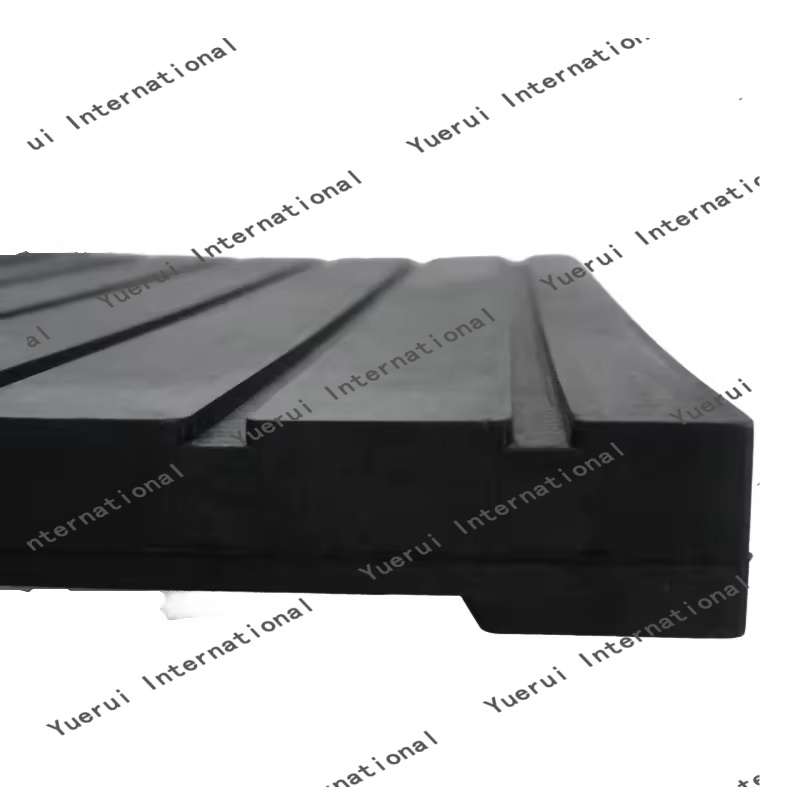
The Indispensable Role of Rubber Pads in Modern Industry
Rubber pads have become fundamental components across industrial and construction environments, offering solutions that combine durability with functional versatility. These resilient elements address multiple challenges simultaneously, from vibration control to equipment protection and worker safety. In manufacturing plants, rubber pads isolate sensitive machinery from harmful vibrations that could affect precision and longevity. Construction sites utilize rubber pads to protect structural elements during assembly and provide cushioning against impact forces. The unique properties of rubber pads allow them to absorb energy, reduce noise transmission, and prevent metal-to-metal contact that leads to premature wear. Modern industrial operations would face significantly higher maintenance costs and equipment failures without the widespread use of properly specified rubber pads. Their ability to perform under heavy loads while maintaining elasticity makes them invaluable for applications where both strength and flexibility are required.
Vibration Control and Noise Reduction
Machinery Isolation for Enhanced Performance
Rubber pads serve as critical vibration isolators for industrial equipment, preventing harmful oscillations from affecting both machinery and surrounding structures. Heavy presses and stamping machines mounted on properly selected rubber pads experience significantly less wear to bearings and other precision components. The damping characteristics of rubber pads convert destructive vibration energy into harmless heat, extending equipment service life. In multistory industrial facilities, rubber pads prevent vibration transmission between floors that could disrupt sensitive processes. Even in construction equipment like pile drivers and compactors, rubber pads reduce the vibration transferred to operator platforms. The thickness and durometer of vibration isolation rubber pads are carefully engineered to target specific frequency ranges. Some advanced rubber pad configurations use layered designs with varying densities to handle complex vibration patterns. This vibration control directly translates to improved product quality in manufacturing and reduced structural fatigue in buildings.
Noise Abatement in Industrial Environments
Rubber pads contribute significantly to noise reduction in facilities where sound control impacts both productivity and regulatory compliance. Equipment mounting systems incorporating rubber pads can reduce noise transmission by up to 30 decibels in some applications. Conveyor systems lined with rubber pads operate more quietly while experiencing less wear from material impact. Structural connections in buildings often include rubber pads to prevent sound transmission through metal components. Even in power generation facilities, rubber pads help meet strict noise pollution standards by damping equipment vibrations. The sound-absorbing properties of rubber pads make them ideal for lining machine guards and enclosures. Some noise control rubber pads feature specialized surface textures that further enhance acoustic performance. In urban construction projects, rubber pads help mitigate community noise complaints by reducing impact sounds during pile driving and demolition. The combination of vibration isolation and acoustic damping makes rubber pads doubly valuable in noise-sensitive industrial applications.
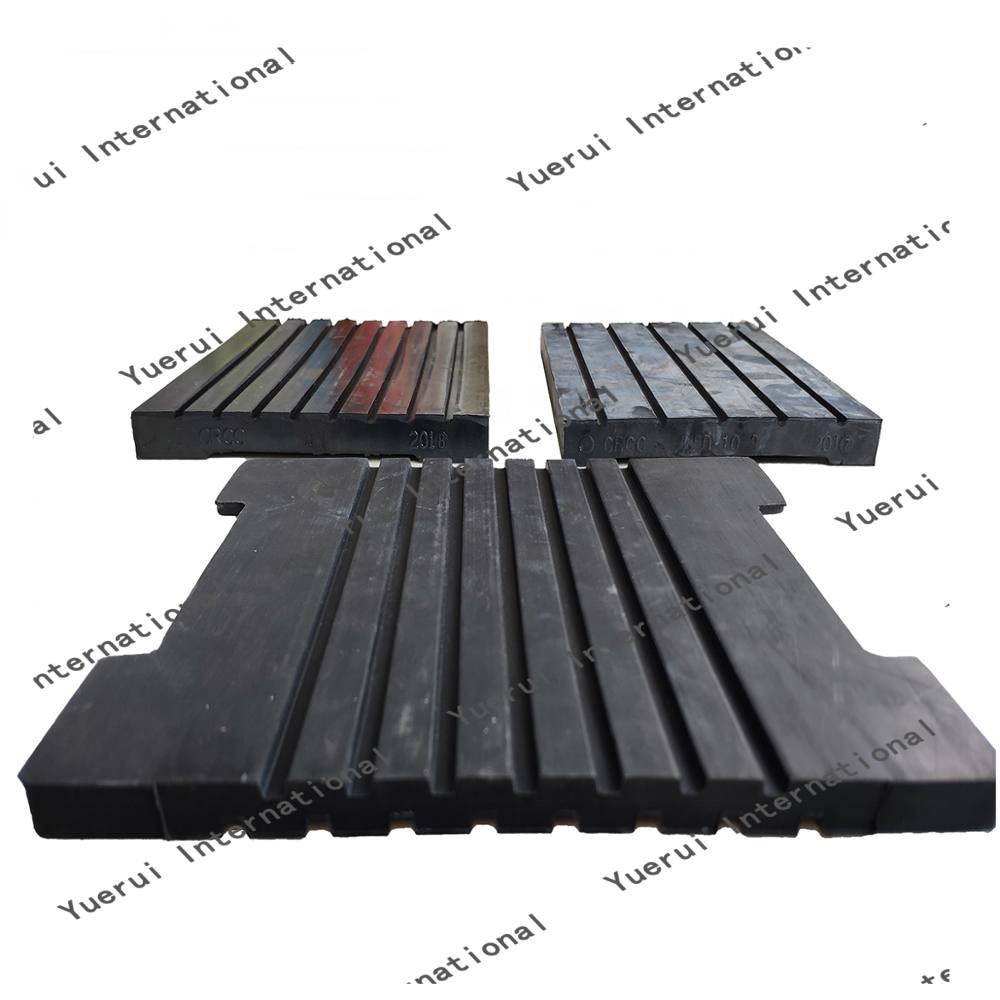
Equipment Protection and Longevity
Preventing Metal-to-Metal Contact Damage
Rubber pads create essential protective barriers between metal components that would otherwise suffer rapid wear from direct contact. Crane and hoist systems use rubber pads at connection points to prevent gouging and deformation of load-bearing surfaces. Bridge expansion joints incorporate rubber pads that allow for thermal movement without metal grinding. Even in simple applications like storage rack legs, rubber pads prevent concrete floor damage while stabilizing the structure. The compressibility of rubber pads accommodates minor misalignments in heavy equipment assembly, preventing stress concentrations. Pipeline supports utilize rubber pads to isolate the pipe from its hangers while allowing for thermal expansion. In steel construction, rubber pads between bolted connections prevent fretting corrosion that could compromise joint integrity. The energy-absorbing qualities of rubber pads also protect equipment from shock loads during sudden starts or stops. By eliminating direct metal contact, these unassuming rubber pads extend the service life of expensive industrial assets.
Impact Resistance for Heavy-Duty Applications
Industrial and construction environments demand rubber pads capable of withstanding tremendous impact forces without failing. Mining operations line ore chutes with thick rubber pads that absorb the energy of falling rocks weighing several tons. Port facilities install rubber pad fender systems that cushion berthing ships weighing thousands of tons. Construction equipment quick-couplers use impact-resistant rubber pads to handle the violent forces during attachment changes. Even in material handling, rubber pads protect both products and equipment from damage during loading operations. The best impact rubber pads combine high tensile strength with excellent energy absorption characteristics. Some feature layered constructions that progressively absorb higher impacts without bottoming out. Others incorporate fabric or metal reinforcement for applications requiring extreme durability. By preventing impact damage, these rubber pads reduce downtime and maintenance costs in heavy industries where equipment faces constant punishment.
Safety Enhancements in Work Environments
Anti-Slip Solutions for Hazardous Areas
Rubber pads provide critical slip resistance in industrial environments where falls account for numerous workplace injuries. Anti-slip rubber pad mats in work areas reduce accidents caused by wet or oily surfaces. Stair treads made from textured rubber pads improve traction while dampening footfall noise in metal staircases. Machinery access platforms often feature rubber pad surfaces that remain slip-resistant even when contaminated. The compressibility of rubber pad flooring also reduces fatigue for workers standing for long shifts. Some safety rubber pads incorporate drainage channels that prevent liquid pooling while maintaining grip. In food processing plants, specialized rubber pad materials provide slip resistance while meeting sanitary requirements. Even temporary construction walkways benefit from interlocking rubber pad tiles that create secure pathways across uneven terrain. These safety applications demonstrate how rubber pads protect workers while improving productivity in challenging industrial environments.
Electrical Insulation and Hazard Mitigation
Rubber pads serve as vital electrical insulators in industrial settings where stray current poses serious risks. Electrical substations use high-voltage rubber pad mats around equipment to protect maintenance personnel. Switchgear installations incorporate rubber pad barriers that prevent accidental contact with live components. Even in construction, rubber pad insulators prevent galvanic corrosion between dissimilar metals in concrete reinforcement. The dielectric properties of quality rubber pads make them ideal for separating conductive materials in electrical applications. Some formulations offer flame resistance for use near potential arc flash hazards. Rubber pads also find use as static control surfaces in electronics manufacturing where electrostatic discharge could damage sensitive components. The combination of electrical insulation and physical protection makes rubber pads invaluable for creating safer work environments around high-voltage equipment.
Structural Applications in Construction
Seismic Protection and Vibration Isolation
Modern construction increasingly relies on rubber pads to protect buildings from earthquake damage and environmental vibrations. Base isolation systems use layered rubber pads that allow structures to move independently during seismic events. Bridge bearings incorporate rubber pads that accommodate thermal expansion while damping traffic vibrations. Even in high-rise construction, rubber pads isolate mechanical equipment from building frames to prevent vibration transmission. The energy dissipation characteristics of seismic rubber pads can reduce earthquake forces on structures by up to 80% in some designs. Some advanced rubber pad isolators feature lead cores that provide additional damping for critical facilities like hospitals. The durability of these structural rubber pads ensures they continue performing for decades without maintenance. As building codes evolve to address seismic risks, rubber pad isolation systems have become standard in earthquake-prone regions worldwide.
Weatherproofing and Expansion Joint Protection
Rubber pads play crucial roles in building envelopes by accommodating movement while preventing water infiltration. Roof penetrations often use rubber pad flashings that maintain watertight seals despite thermal cycling. Expansion joints in concrete structures incorporate rubber pads that allow for movement while blocking debris and moisture. Curtain wall systems utilize rubber pad spacers that accommodate building sway without glass breakage. The weather resistance of construction-grade rubber pads ensures they maintain flexibility across decades of temperature extremes. Some formulations include UV stabilizers that prevent degradation from constant sunlight exposure. Even in below-grade applications, rubber pads prevent water migration at foundation joints while accommodating settlement. The combination of movement accommodation and environmental protection makes rubber pads indispensable for modern, high-performance building enclosures.
FAQ
How do I select the right rubber pad thickness for my application?
The ideal rubber pad thickness depends on several factors including load requirements, desired vibration isolation frequency, and expected compression. As a general rule, thicker rubber pads provide better vibration isolation for lower frequency vibrations, while thinner pads offer more stability under heavy loads. Consult with rubber pad manufacturers who can recommend thickness based on your specific equipment weight, vibration characteristics, and performance requirements.
Can rubber pads withstand outdoor exposure for long periods?
High-quality rubber pads formulated for outdoor use can last 10-15 years or more when properly specified. Look for rubber pads with UV stabilizers, ozone resistance, and weatherproof formulations. Black rubber pads typically offer better UV resistance than colored varieties. Regular inspections should check for surface cracking or hardening that indicates replacement is needed.
Are there food-safe rubber pad options for processing plants?
Yes, FDA-compliant rubber pads made from materials like silicone or EPDM are available for food processing environments. These specialized rubber pads resist bacterial growth, withstand frequent cleaning with harsh sanitizers, and won't contaminate food products. They must meet both food safety regulations and the mechanical demands of industrial equipment.
How do temperature extremes affect rubber pad performance?
Rubber pads become stiffer in cold temperatures and softer in heat, which can affect their vibration isolation and load-bearing characteristics. For extreme environments, select rubber pads specifically formulated for your temperature range. Silicone rubber pads typically offer the widest temperature tolerance, functioning from -80°F to 450°F in some grades. Always verify temperature ratings for your specific application.