
 EN
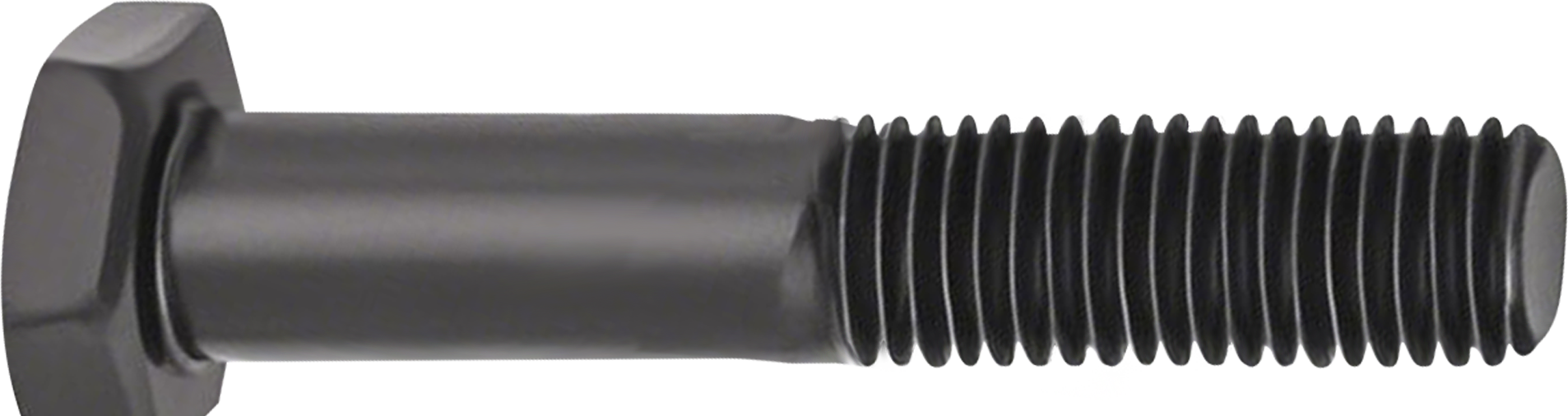
Railroad track bolts are critical fastening components that hold rail infrastructure together, ensuring safe and reliable train operations across vast networks. During routine maintenance cycles, proper inspection of these railroad track bolts prevents catastrophic failures, costly derailments, and dangerous service disruptions. Understanding how to inspect railroad track bolts effectively is essential knowledge for railway maintenance professionals, track workers, and infrastructure managers responsible for keeping rail systems operational and secure.
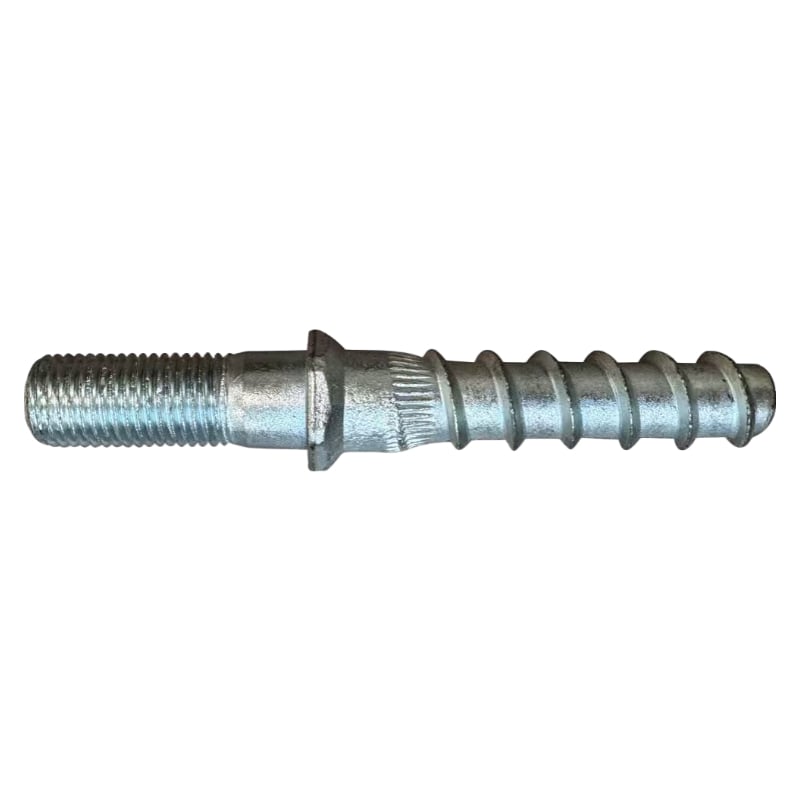
The inspection process for every railroad track bolt requires systematic evaluation of multiple factors including tension, corrosion, alignment, and thread integrity. A well-executed inspection protocol extends the lifespan of rail infrastructure, reduces emergency maintenance costs, and most importantly, protects passenger and freight safety. This guide walks you through the comprehensive approach to railroad track bolt inspection that railway maintenance teams use today.
Understanding Railroad Track Bolt Fundamentals
Core Components and Fastening Systems
A railroad track bolt serves as the primary mechanical connector between rail sections, splice plates, and underlying infrastructure. Each railroad track bolt must withstand enormous cyclic stresses from train loads, vibration, and thermal expansion. The typical railroad track bolt assembly includes the bolt itself, a nut, washers, and sometimes lock devices designed to prevent loosening under dynamic conditions. Understanding these components helps maintenance crews recognize when a railroad track bolt requires closer attention or immediate replacement.
The material composition of each railroad track bolt determines its load capacity and environmental resistance. Standard railroad track bolts are typically fabricated from high-carbon steel or alloy steel formulations that provide superior strength and fatigue resistance. Corrosion protection treatments applied to railroad track bolts help them withstand moisture, salt spray, and chemical exposure common in railway environments. When beginning any inspection routine, familiarity with your specific railroad track bolt specifications ensures accurate assessment and appropriate maintenance decisions.
Safety Standards and Regulatory Requirements
Railroad track bolt inspection procedures must align with industry standards established by organizations that govern rail safety and maintenance protocols. These standards define minimum inspection frequencies, acceptable defect thresholds, and replacement criteria for every railroad track bolt in service. Compliance with these regulatory frameworks protects both personnel safety and operational continuity while establishing baseline quality expectations across the network. Your maintenance team should consult current standards documentation before executing any railroad track bolt inspection program.
Step-by-Step Railroad Track Bolt Inspection Procedures
Visual Assessment and Initial Detection
Begin your railroad track bolt inspection with a thorough visual walkthrough of the track section under review. Look for obvious signs of distress on every railroad track bolt, including visible corrosion, paint flaking, discoloration, or white powder deposits indicating advanced oxidation. A railroad track bolt showing significant rust, pitting, or surface degradation may have compromised structural integrity that warrants immediate attention. Check that each railroad track bolt sits flush against its washer and splice plate without gaps or misalignment that could indicate loosening or bearing surface failure.
Inspect surrounding areas around each railroad track bolt for evidence of moisture accumulation, mud buildup, or debris that traps water and accelerates corrosion. A railroad track bolt buried in debris creates an environment where rust develops faster than on exposed fasteners. Pay special attention to drainage paths along the track where water naturally collects. Document the location and condition of every railroad track bolt showing signs of environmental stress or deterioration for your maintenance records.
Tension and Torque Measurement
Proper tension in every railroad track bolt is essential for maintaining structural load distribution and preventing loosening during train operations. Use calibrated torque wrenches or specialized tension measurement tools to verify that each railroad track bolt meets specified preload requirements. A railroad track bolt with insufficient tension fails to grip properly, allowing movement that gradually loosens the fastener and creates safety hazards. Measure tension systematically, recording readings for each railroad track bolt to establish baseline data and identify problematic sections requiring attention.
When using a railroad track bolt tension indicator or ultrasonic measurement device, follow manufacturer guidelines and calibration schedules precisely. Compare tension readings against the established specification for your particular railroad track bolt type and installation. Bolts showing tension loss compared to previous inspection cycles may indicate bearing surface wear or thread degradation within the railroad track bolt itself. Any railroad track bolt consistently reading below specification should be retorqued and monitored closely during subsequent inspection cycles.
Corrosion Evaluation and Material Condition
Corrosion assessment determines whether each railroad track bolt remains fit for service or requires replacement before failure occurs. Superficial surface rust on a railroad track bolt can often be cleaned and treated with protective coatings, but deep pitting or structural corrosion requires fastener replacement. Examine the railroad track bolt head, shank, and threads carefully using magnification if necessary to identify pits, cracks, or material loss. A railroad track bolt exhibiting severe corrosion in critical stress zones should not remain in service regardless of other factors.
Document corrosion severity using standardized rating systems that your railway maintains for consistent evaluation across maintenance teams. Measure pit depth on corroded railroad track bolts to establish whether remaining material thickness can safely support operational loads. Compare corrosion patterns across multiple bolts to identify environmental factors or systemic issues affecting railroad track bolt longevity in specific track sections. A railroad track bolt showing accelerated corrosion compared to nearby fasteners may indicate localized drainage problems or material incompatibilities requiring investigation.
Advanced Inspection Techniques and Defect Analysis
Thread Integrity and Fastener Performance
Thread condition directly affects the ability of every railroad track bolt to maintain proper tension and resist loosening. Inspect threads visually for stripping, stretching, or deformation that compromises grip strength within the railroad track bolt assembly. A railroad track bolt with damaged or worn threads cannot reliably hold tension, creating safety risks that warrant immediate replacement. Attempt minor adjustments cautiously on suspect railroad track bolts to confirm whether threads still function properly or whether the fastener must be retired.
Use a thread gauge or test by attempting careful retorquing to assess whether each railroad track bolt responds normally to tension adjustment. A railroad track bolt that spins freely without tightening further has lost functional thread integrity and must be removed from service. Check the railroad track bolt nut for similar thread damage and replace the entire assembly if either component shows significant wear. Document which railroad track bolts required replacement due to thread degradation to help predict future replacement cycles and identify environmental trends.
Load Distribution and Structural Response
Monitor how each railroad track bolt responds during actual train loading to ensure it maintains structural function under operational stress. Observe whether the railroad track bolt remains firmly seated or shows signs of movement, slipping, or bearing surface damage after train passage. A railroad track bolt that loosens gradually with each train cycle requires investigation into underlying causes, including bolt quality, installation technique, or environmental factors. Repeat tension measurements after train operations to compare results and identify whether specific railroad track bolts show systematic loss of preload.
Compare bolt behavior between different track sections to identify whether specific geographic locations, grades, or speed zones show higher rates of railroad track bolt degradation. A railroad track bolt installed on grades experiences different stress patterns than bolts on level track, affecting corrosion rates and loosening tendencies. Track sections experiencing higher train frequencies may show accelerated railroad track bolt wear requiring more aggressive maintenance cycles. Use these patterns to optimize your railroad track bolt inspection schedule and predict replacement needs proactively.
FAQ
How often should railroad track bolts be inspected?
Inspection frequency depends on track type, train volume, environmental conditions, and company standards. Many railways inspect main line railroad track bolts every twelve months, while branch or light-density lines may use longer intervals. High-speed corridors or tracks crossing bridges often require more frequent railroad track bolt evaluation. Heavy freight routes with significant tonnage typically demand more frequent inspection cycles to catch problems before critical failures develop.
What tools are essential for railroad track bolt inspection?
Essential tools include calibrated torque wrenches for tension measurement, wire brushes for corrosion cleaning, magnification glasses for thread inspection, measuring devices for pit depth assessment, and documentation forms for recording railroad track bolt conditions. Many modern programs add ultrasonic tension measurement devices and digital cameras for systematic documentation. Proper tool calibration ensures consistent and reliable railroad track bolt assessment across inspection teams and time periods.
When should a railroad track bolt be replaced?
Replace a railroad track bolt immediately if it shows stripped or damaged threads, severe corrosion with pitting exceeding acceptable limits, or persistent tension loss despite retorquing. A railroad track bolt with visible cracks, structural damage, or extreme wear should not remain in service. When tension readings consistently fall below specification or bolts loosen repeatedly within short intervals, replacement prevents safety risks and maintains operational reliability.