EN
EN
Quick Links

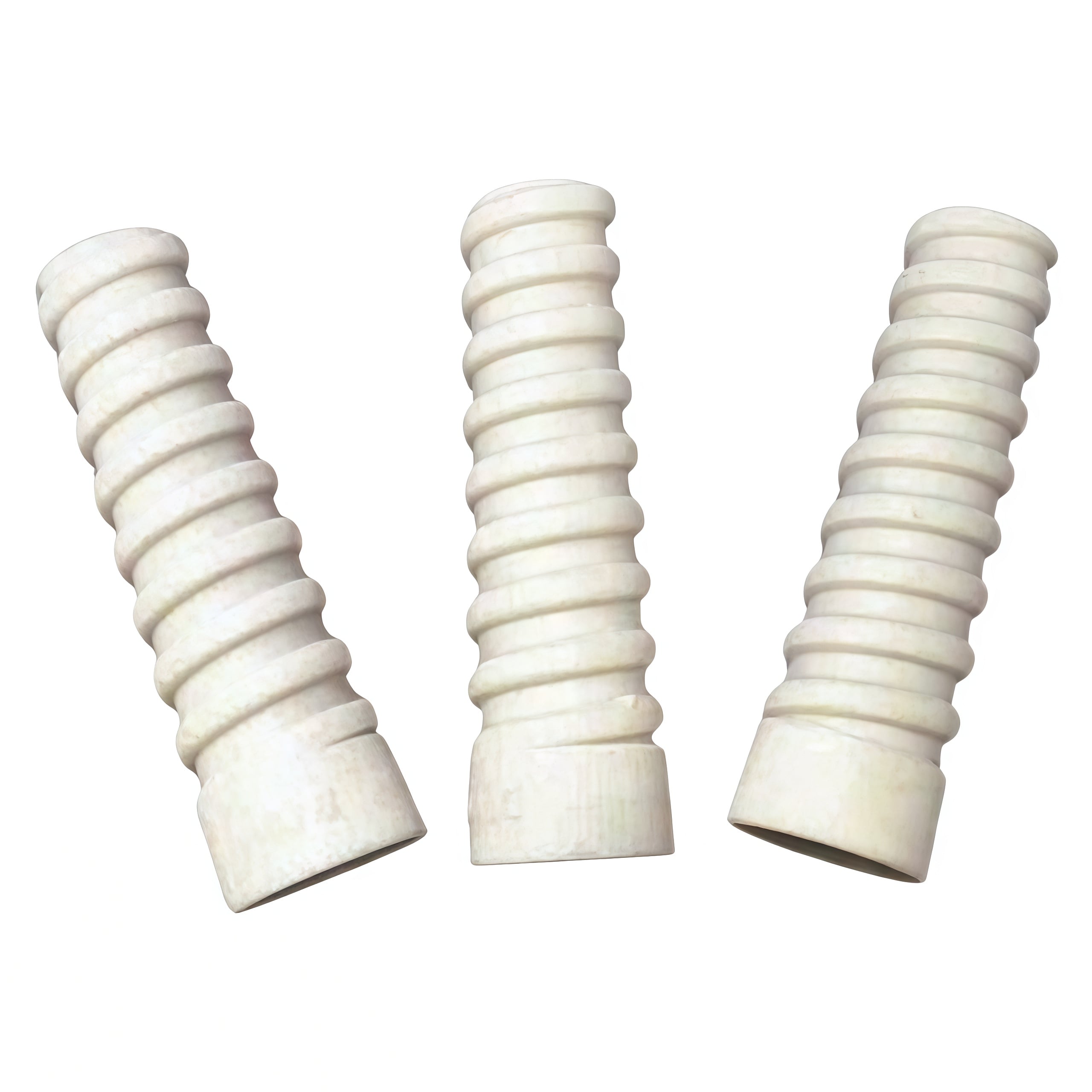
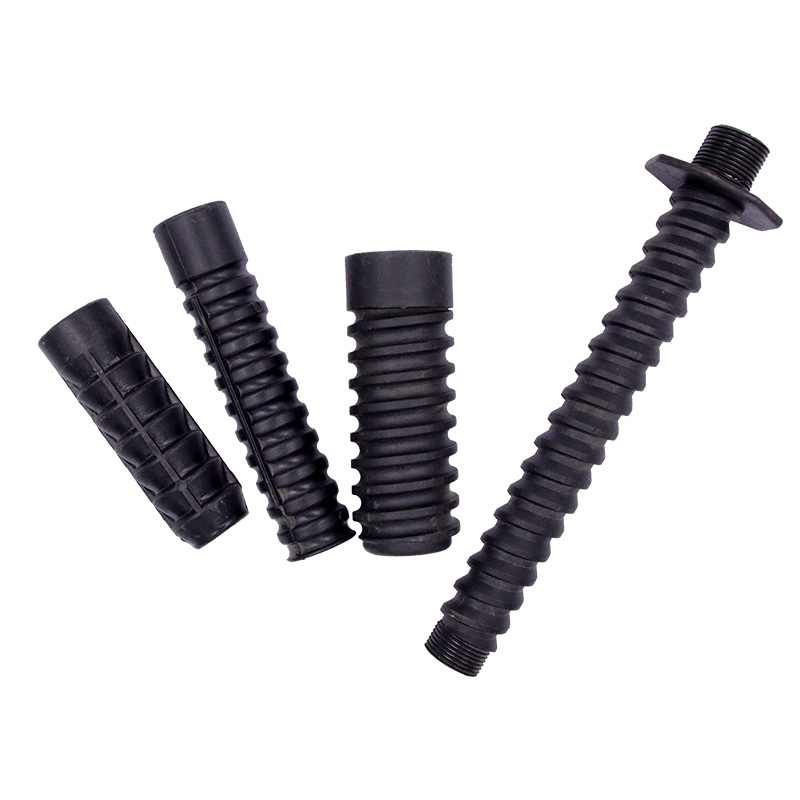
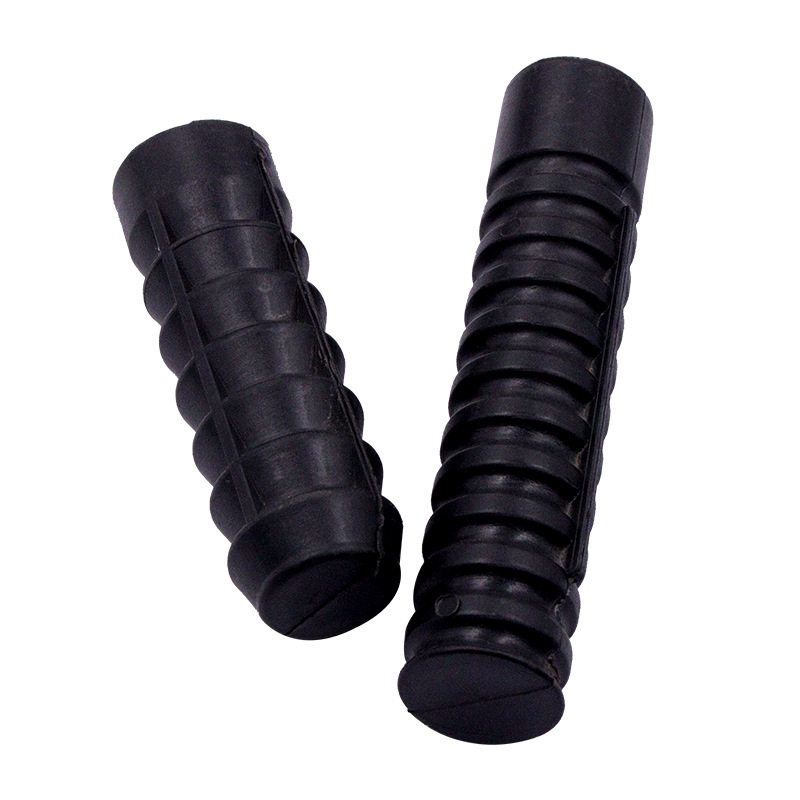
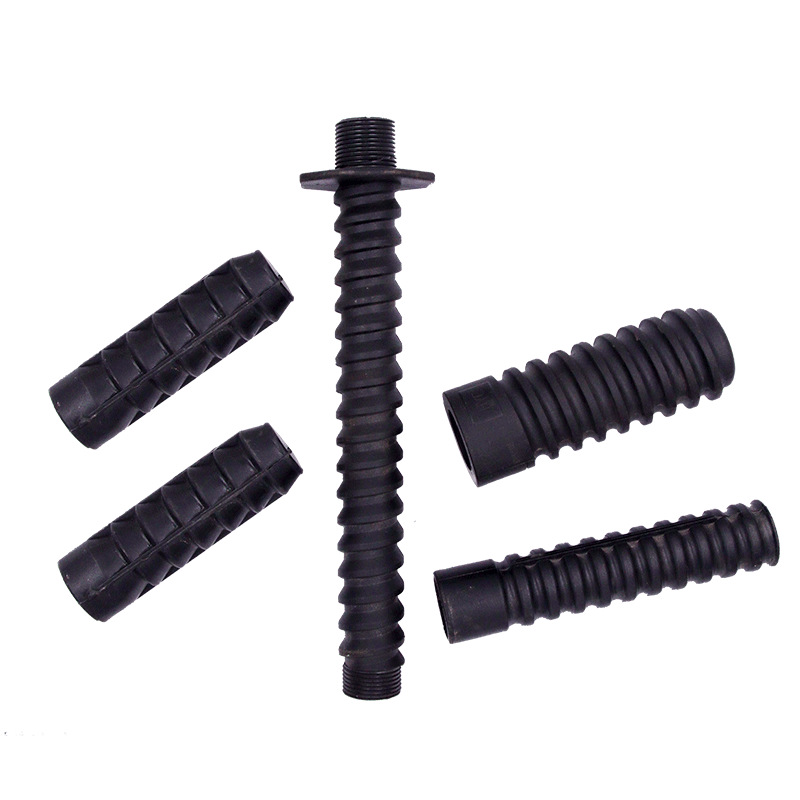
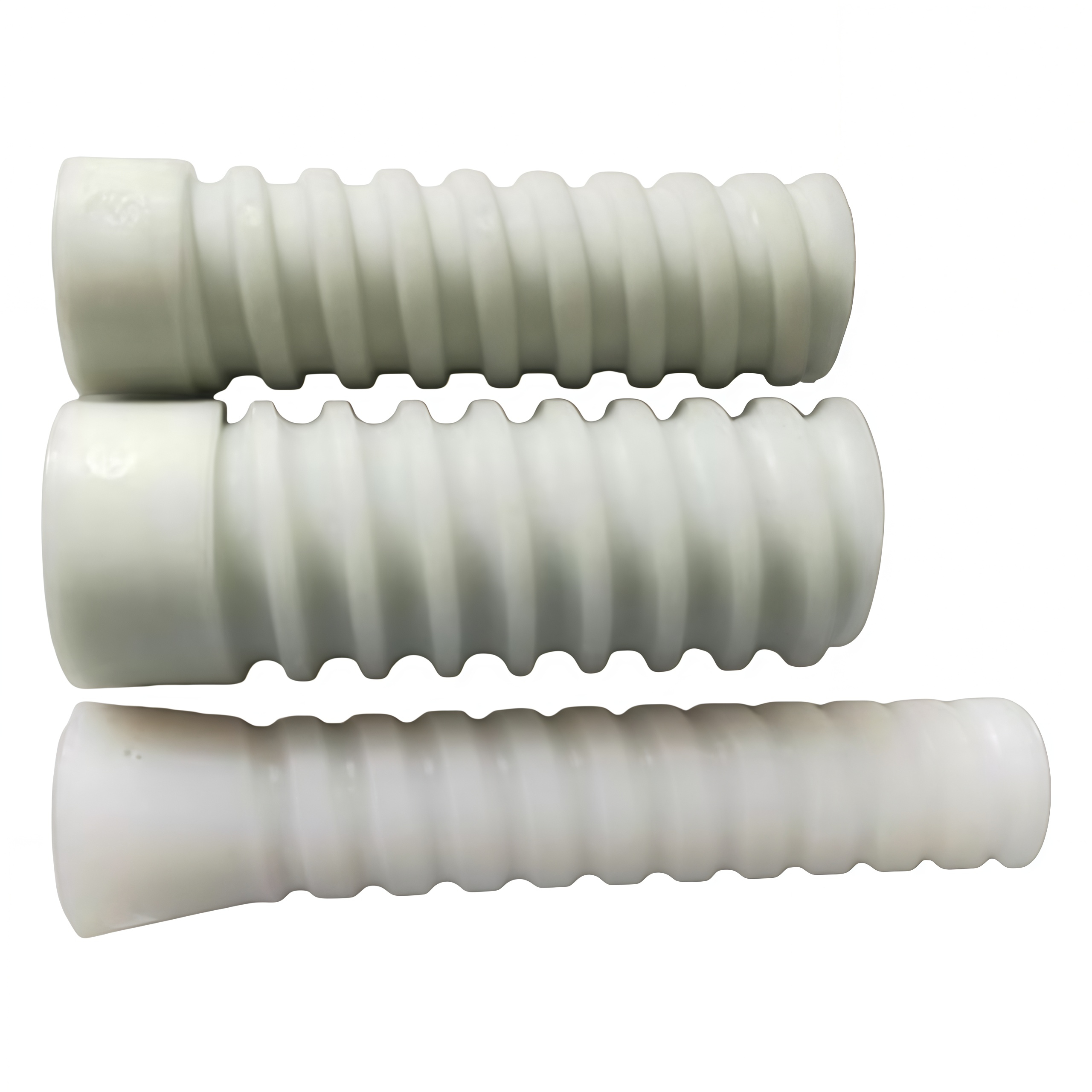
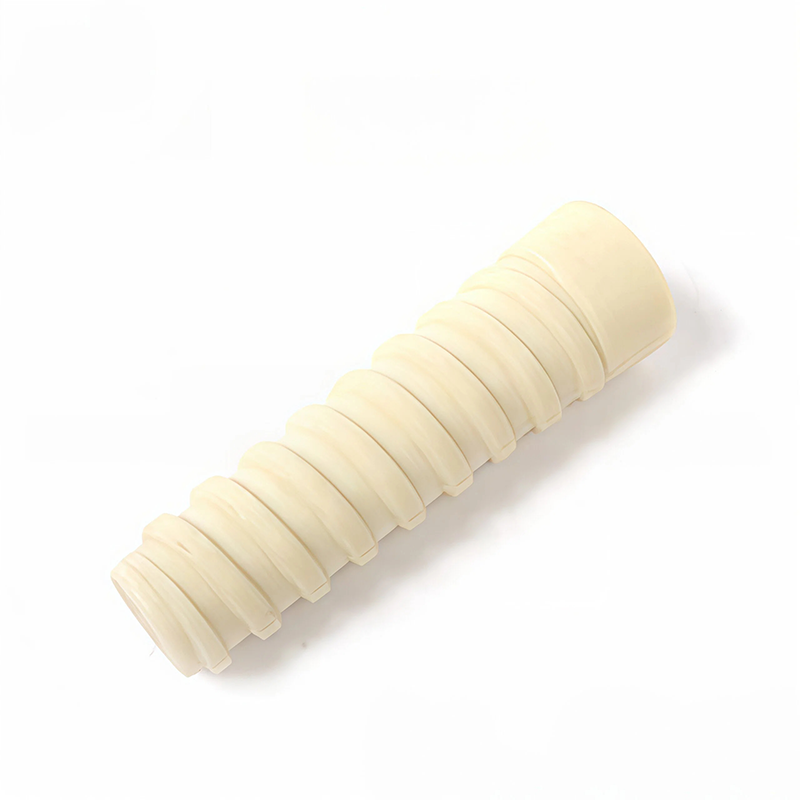
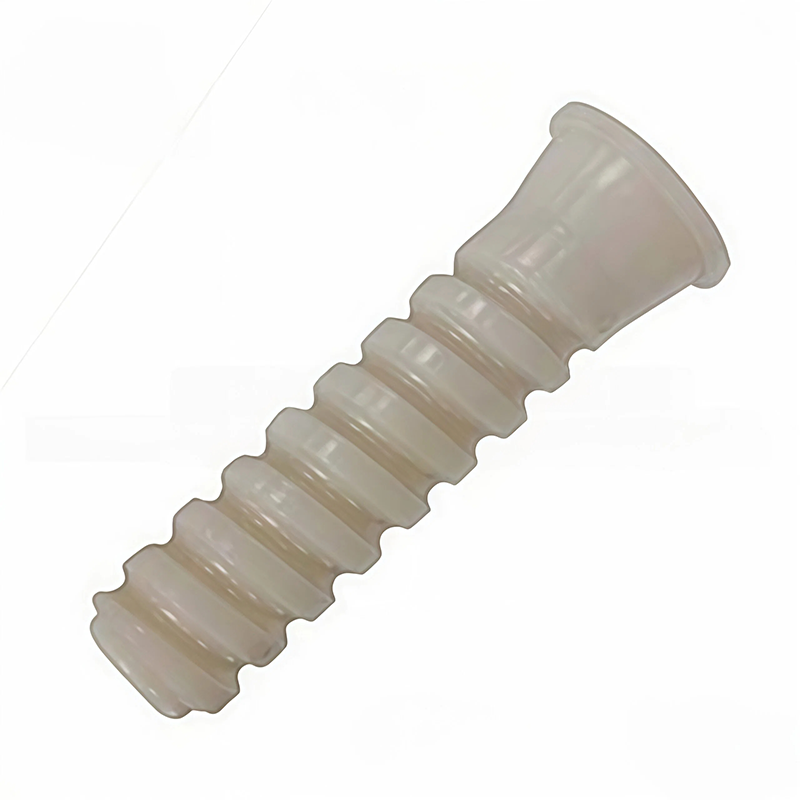
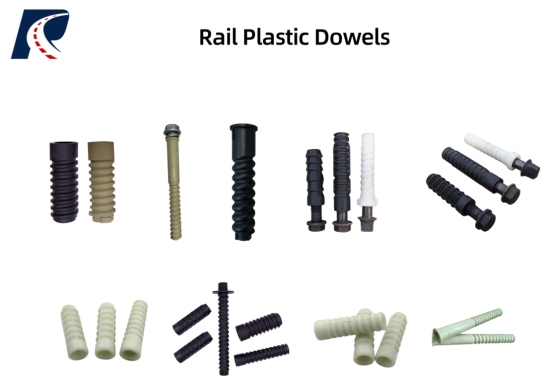
Rail Plastic Dowels are high-strength reinforced nylon threaded sleeves pre-buried in concrete sleepers for high-speed & metro ballastless track fastener systems.
It forms matching thread fit with rail screw spikes, delivers stable clamping pre-tightening force, realizes full insulation between screw and sleeper concrete, prevents thread slip, screw loose-off and stray current leakage, reducing frequent screw retightening & sleeper hole reaming maintenance shutdown loss for passenger dedicated lines.
Nylon sleeve is a kind of embedded assembly, mainly installed in the pre-product (such as cement sleeper bridge, building, etc.), the thread of the surface and the pre-product form soluble, and then used by bolts or screws with it, to fix and fastening other objects act on. It has the advantages of waterproof, anti-extrusion and reinforced insulation cover.
Rail plastic dowels, also referred to as rail plastic sleeves or concrete inserts, serve as the fastening foundation in concrete sleeper systems. These components are pre-inserted into concrete sleepers before assembling rail fastening system parts. The dowel ensures reliable connections between fastening systems and concrete sleepers while providing electrical insulation for fastener components.
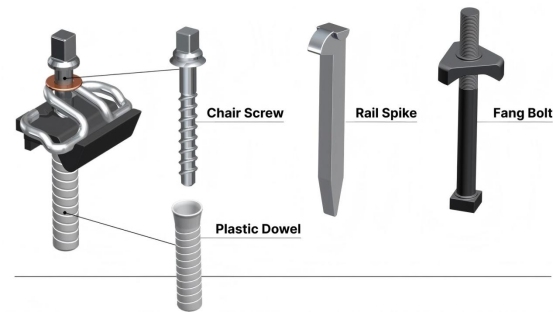
Plastic dowels enable precise fastener positioning and protect concrete from damage during installation and service. The insulating properties prevent electrical conductivity between rails and reinforced concrete structures. Railroad safety encompasses infrastructure integrity and worker protection, where SafeRack provides on-site safety assessments and custom-designed loading platforms for railcar facilities.
What materials are used for rail plastic dowels?
Rail plastic dowels are typically manufactured from PA66, high-density polyethylene (HDPE) or glass-fiber reinforced polyamide. These materials provide excellent electrical insulation, chemical resistance, and mechanical strength while maintaining dimensional stability under varying temperatures and loads.
How do plastic dowels protect concrete sleepers?
Plastic dowels create a buffer zone between metal fasteners and concrete, preventing direct contact that causes concrete spalling and cracking. They distribute point loads over larger areas and accommodate fastener movement without transferring stress directly to the brittle concrete material.
Can damaged plastic dowels be replaced in existing concrete sleepers?
Replacing damaged dowels in existing concrete sleepers is challenging but possible using specialized extraction tools and epoxy-based replacement systems. However, severe damage may require sleeper replacement, as field repairs rarely achieve the same strength as factory-installed dowels.
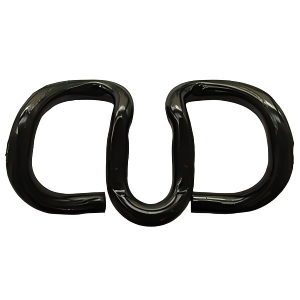
Type SKL Rail Clips
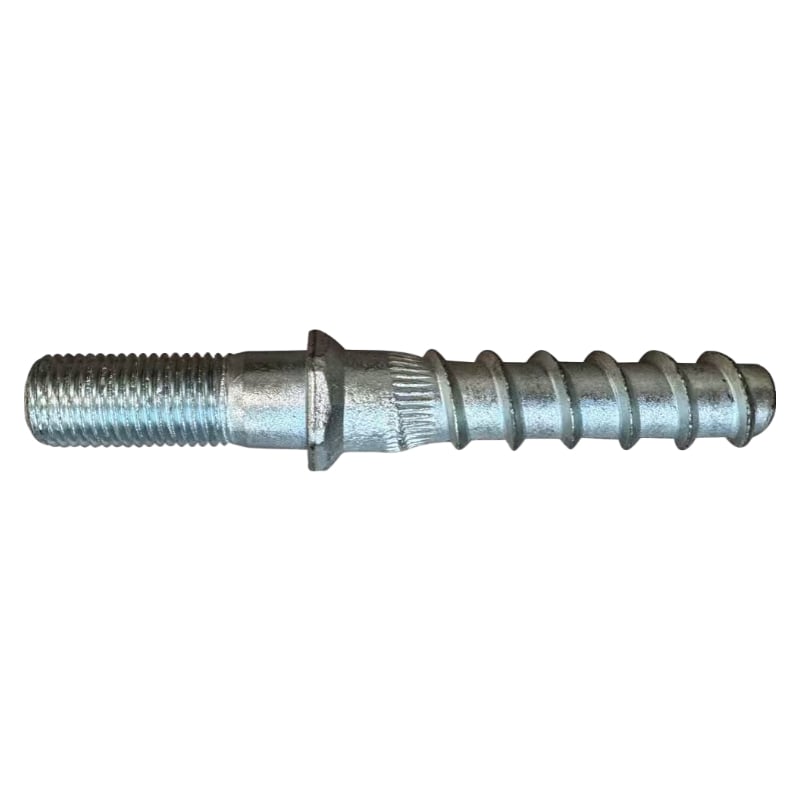
Bolt
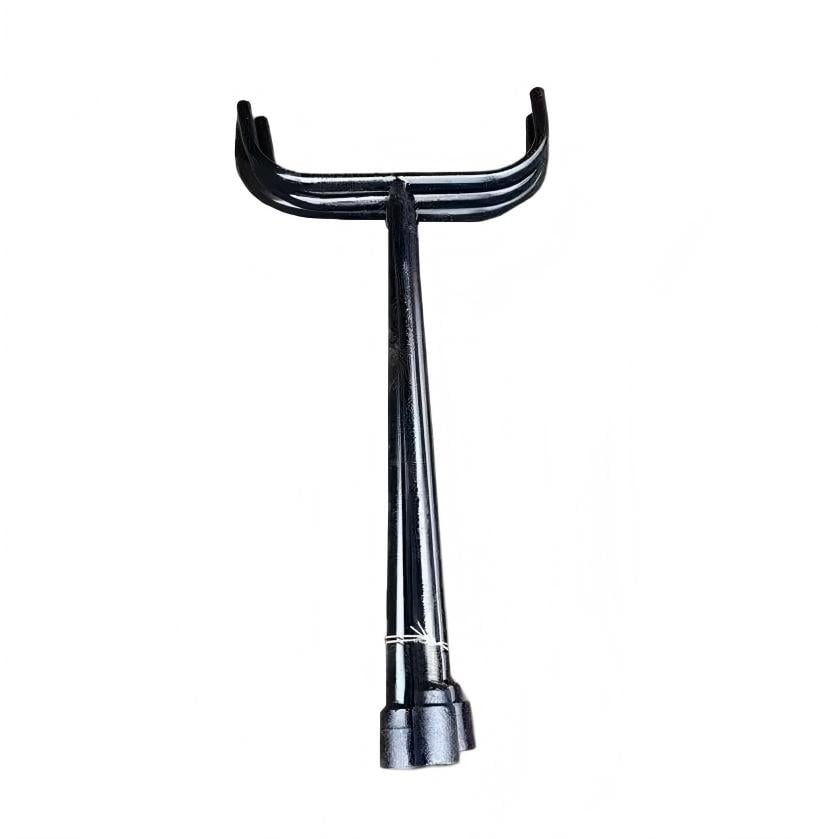
Railway T-Handle Wrench
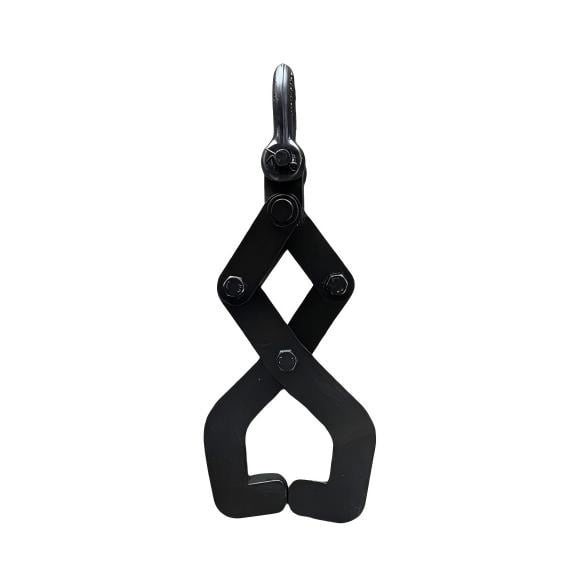
Railway Rail Hoisting Clamp