
 EN
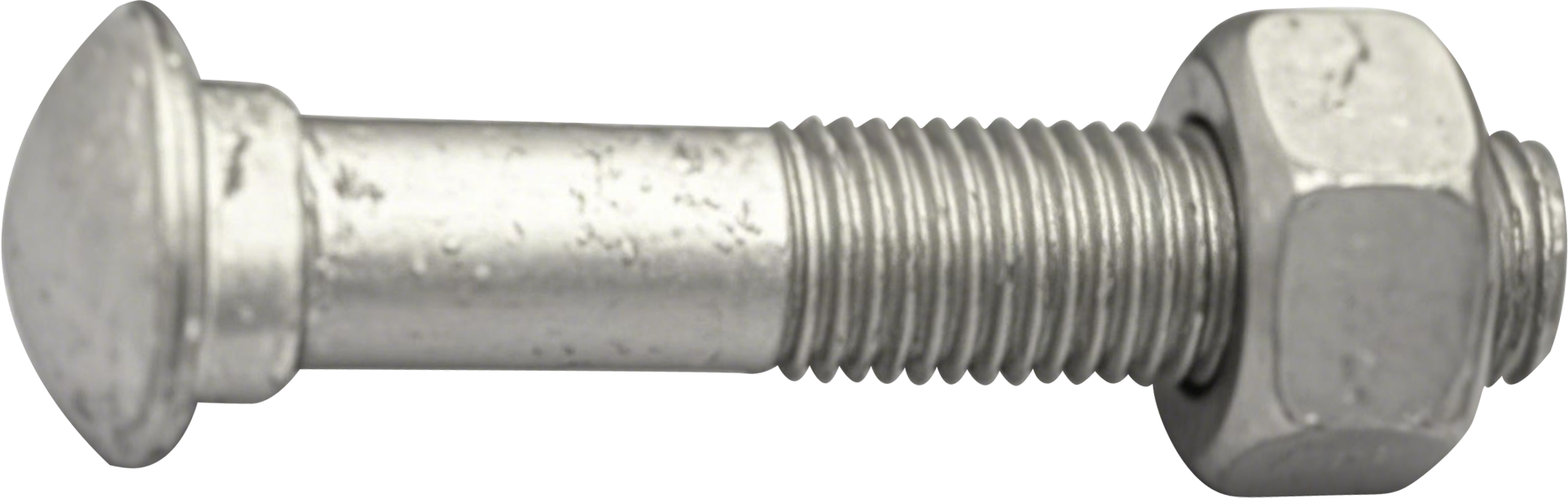
Railroad track bolts are critical components in rail infrastructure, tasked with maintaining secure connections between rails, ties, and fastening systems under constant mechanical stress. Understanding how a railroad track bolt performs under vibration and impact is essential for railway engineers, maintenance teams, and infrastructure planners who need to ensure safe, reliable operations. The performance of a railroad track bolt directly affects track stability, noise reduction, safety, and long-term maintenance costs across the entire rail network.
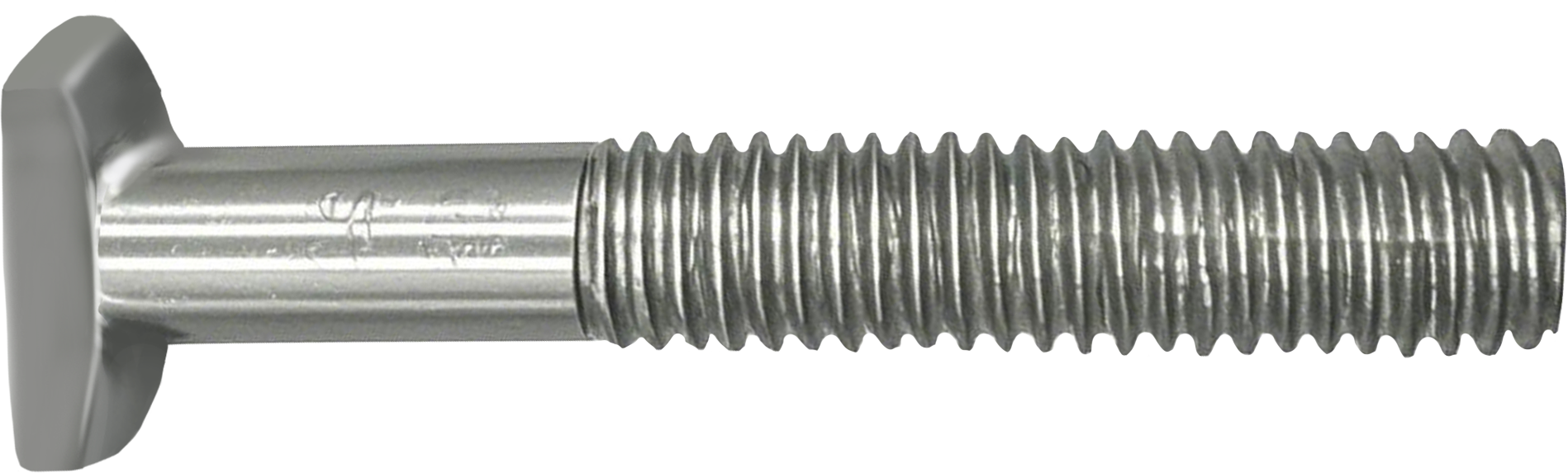
Every railroad track bolt operates in an environment defined by dynamic loading, thermal expansion, and repeated mechanical cycles. Trains exert tremendous forces as they accelerate, brake, and traverse curves, sending vibration and impact energy through the entire track assembly. A properly engineered railroad track bolt must absorb, distribute, and manage these forces without loosening, fracturing, or allowing connection deterioration. The challenge lies in selecting and maintaining bolts that resist loosening while maintaining their structural integrity over years of service.
How Vibration and Impact Affect Railroad Track Bolts
The Nature of Vibration Forces in Rail Systems
Vibration in rail networks originates from multiple sources, including wheel-rail contact irregularities, uneven track surfaces, train acceleration and braking, and dynamic wheel imbalance. These vibrations transmit directly through the railroad track bolt connections, creating repeated stress cycles that challenge fastener stability. A railroad track bolt must resist micro-slip and self-loosening, phenomena where repetitive shear motion causes gradual rotation and axial relaxation. Modern rail systems experience vibration frequencies ranging from low-frequency impacts during switching operations to high-frequency oscillations from wheel-rail interface contact, all transmitted through the railroad track bolt assembly.
Impact Loading and Sudden Stress Events
Impact loads occur when trains experience sudden braking, when wheels strike rail joints, or when track switches engage. These transient events generate shock waves that propagate through the railroad track bolt, creating momentary tensile and shear stresses far exceeding normal operational levels. A railroad track bolt must accommodate these peak loads without yielding or experiencing stress concentration failures. The bolt's material properties, preload tension, and connection geometry all influence how effectively it absorbs impact energy without permanent deformation or loosening.
Material Composition and Structural Design
Steel Grade and Hardness Specifications
High-performance railroad track bolts are typically manufactured from medium-carbon alloy steel or stainless steel formulations, engineered to provide sufficient tensile strength while maintaining ductility. The material composition directly determines how a railroad track bolt responds to cyclic loading and impact events. Grade 8.8 and Grade 10.9 bolts are common choices for heavy-haul rail applications, offering excellent fatigue resistance and impact absorption. Heat treatment processes establish the precise hardness and toughness balance required for a railroad track bolt to resist both brittle fracture and permanent plastic deformation under vibration-induced stress.
Bolt Geometry and Stress Distribution
The physical design of a railroad track bolt significantly influences how it manages vibration and impact loads. Thread geometry, shank diameter, head design, and stress concentration factors all determine the bolt's load-carrying capacity and fatigue life. Modern railroad track bolt designs incorporate chamfered edges and smooth transitions to minimize stress concentrations where failure typically initiates. A well-designed railroad track bolt distributes forces evenly across its cross-section, reducing localized stress peaks that could lead to premature cracking or loosening under repetitive vibration.
Vibration Control and Anti-Loosening Technologies
Preload Management and Tension Control
The initial preload applied during installation is fundamental to how a railroad track bolt performs under vibration. Proper preload creates a clamping force that resists micro-slip between fastened surfaces, directly addressing the mechanism of bolt loosening. Controlled tension installation ensures that a railroad track bolt maintains sufficient clamping force throughout vibration cycles, preventing the self-loosening phenomenon where cyclic shear loads induce axial rotation. Calibrated torque wrenches and ultrasonic tension measurement systems help maintain consistent preload specifications for every railroad track bolt in the network, directly improving system reliability and reducing maintenance intervals.
Locking Mechanisms and Anti-Vibration Systems
Advanced anti-vibration technologies significantly enhance how a railroad track bolt maintains its connection under dynamic loading. Specialized locking washers, thread-locking compounds, and deformation-based locking features create mechanical resistance to rotation, preventing the gradual loosening that occurs with plain bolts. A railroad track bolt equipped with elastomeric or spring-based vibration dampers can further reduce transmitted vibration and impact energy. These integrated systems work synergistically to ensure that a railroad track bolt maintains its structural effectiveness even after millions of load cycles, substantially extending service life and improving track safety across metropolitan and freight rail networks.
Performance Testing and Reliability Standards
Fatigue Testing and Cyclic Loading Validation
Engineering validation of railroad track bolt performance relies on rigorous fatigue testing protocols that simulate real-world vibration and impact conditions. Standard testing procedures subject a railroad track bolt to millions of cyclic load reversals, measuring preload retention, micro-slip characteristics, and ultimate failure modes. Laboratory fatigue curves establish the fatigue limit and endurance strength for specific railroad track bolt designs, informing safe operating parameters. Testing also evaluates how a railroad track bolt performs under combined loading scenarios, where vertical vibration, lateral impact, and thermal stress occur simultaneously, mimicking actual rail service conditions that conventional static testing cannot replicate.
Field Performance Monitoring and Maintenance Protocols
Real-world railroad track bolt performance is validated through continuous field monitoring, where maintenance teams periodically inspect connections for loosening, corrosion, and visible fatigue indicators. Modern track inspection systems use ultrasonic bolt tension measurement, acoustic monitoring, and visual assessment to detect deterioration before catastrophic failure occurs. Maintenance data from millions of miles of operational track provide empirical evidence of how specific railroad track bolt designs perform under actual service conditions. Regular torque verification and progressive bolt replacement strategies ensure that aging railroad track bolts are replaced before their fatigue life expires, maintaining system reliability and preventing derailment risks.
FAQ
Why do railroad track bolts loosen under vibration?
Railroad track bolts loosen due to micro-slip between fastened surfaces caused by repetitive shear loads from vibration and impact. Each vibration cycle induces small relative movements that incrementally reduce preload tension, a phenomenon called self-loosening. When a railroad track bolt experiences insufficient preload or lacks anti-loosening features, cyclic shearing eventually causes axial rotation and tension loss. Advanced anti-vibration technologies and proper preload management directly counteract this loosening mechanism.
What material properties make railroad track bolts vibration-resistant?
Railroad track bolts with superior vibration resistance combine high tensile strength for load-carrying capacity with adequate ductility to absorb impact energy without brittle failure. Medium-carbon alloy steel and stainless steel formulations provide the fatigue strength necessary for a railroad track bolt to withstand millions of stress cycles. Hardness must be carefully controlled so that a railroad track bolt maintains resilience while resisting plastic deformation under peak loading. Proper heat treatment ensures that a railroad track bolt achieves optimal balance between strength and toughness for demanding rail applications.
How often should railroad track bolts be inspected for vibration-related damage?
Railroad track bolt inspection intervals depend on traffic volume, train speed, track geometry, and the age of the fastening system. High-speed rail and heavy-haul freight lines typically require quarterly or bi-annual inspection of critical railroad track bolt connections, while lower-traffic routes may use annual schedules. Modern condition-monitoring systems enable continuous assessment of railroad track bolt preload and tension without requiring manual inspection, allowing maintenance teams to replace bolts proactively before loosening becomes critical. Regular monitoring ensures that every railroad track bolt maintains structural effectiveness throughout its service life.