
 EN
EN
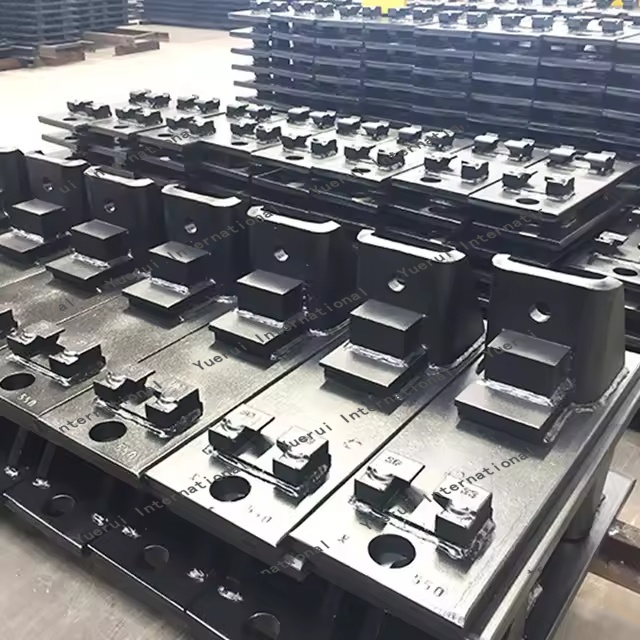
Železničná infraštruktúra vyžaduje výnimočnú trvanlivosť, aby vydržala environmentálne zaťaženia, mechanické zaťaženia a chemické vplyvy počas desiatok rokov prevádzky. Základné dosky, ktoré kotvia koľajnice na pražciach a rozdeľujú zaťaženie po celej koľajovej konštrukcii, sú vystavené obzvlášť prísnym podmienkam, ktoré zrýchľujú degradáciu materiálu. Korózia predstavuje jednu z najväčších hrozieb pre životnosť základných dosiek, keďže ohrozujú ich štrukturálnu celistvosť a vyžadujú nákladné výmeny. Porozumenie tomu, ktoré povlaky pre základné dosky v železniciach poskytujú vynikajúcu odolnosť voči korózii, umožňuje manažérom infraštruktúry predĺžiť životnosť týchto komponentov, znížiť frekvenciu údržby a zabezpečiť prevádzkovú bezpečnosť v celých železničných sieťach.
Výber vhodného povlaky pre základné dosky v železniciach závisí od viacerých faktorov, vrátane vystavenia prostrediu, kontaktu s chemikáliami, galvanickej kompatibility, obmedzení metódy aplikácie a úvah o nákladoch počas celého životného cyklu. Moderné ochranné systémy sa pohybujú od tradičného horúceho zinkovania po pokročilé polymérne kompozity, pričom každý z nich ponúka špecifické výkonné charakteristiky. Prevádzkovatelia železníc musia posudzovať technológie povlakov vzhľadom na konkrétne prevádzkové podmienky a vyvážiť počiatočné investície s dlhodobou účinnosťou ochrany proti korózii. Tento článok skúma overené riešenia povlakov, ktoré významne zvyšujú odolnosť železničných základných dosiek proti korózii, a poskytuje praktické usmernenia pre rozhodovanie o špecifikácii a implementácii.
Zinkové povlakové systémy pre železničné základné dosky
Aplikácie horúceho zinkovania
Horúca zinková pokrytie ponorením stále zostáva najčastejšie špecifikovanou metódou ochrany pre povrchové úpravy podložiek koľajníc v globálnej koľajovej infraštruktúre. Tento proces pozostáva z ponorenia oceľových podložiek do roztaveného zinku pri teplote približne 450 °C, čím vznikne metalurgicky spojená vrstva s hrúbkou zvyčajne od 85 do 200 mikrometrov. Zinková vrstva poskytuje nielen bariérovú ochranu, ale aj katódnu obetovateľnú ochranu, čo znamená, že zinok koroduje preferenčne pred podkladovým oceľovým materiálom. Povrchové úpravy podložiek koľajníc aplikované horúcou zinkovou pokrytím ponorením vykazujú vynikajúcu trvanlivosť pri atmosférickom vystavení, pričom ich životnosť často presahuje 50 rokov v miernych prostrediach a 25 až 35 rokov v prísnych pobrežných alebo priemyselných prostrediach.
Mechanizmus odolnosti voči korózii pozinkovaných povlakov podložiek pre železničné koľajnice je založený na tvorbe stabilných koróznych produktov zinku, vrátane uhličitanu zinku a hydroxychloridu zinku, ktoré vytvárajú ochranné patiny spomaľujúce ďalšie poškodzovanie. Údaje o prevádzkovej výkonnosti z európskych a severoamerických železničných systémov konzistentne ukazujú, že pozinkované podložky pre železničné koľajnice dosahujú o 10 až 20-krát nižšiu rýchlosť korózie v porovnaní s ekvivalentmi z neochránenej ocele. Však povlaky podložiek pre železničné koľajnice používajúce pozinkovanie majú obmedzenia v silne kyslých prostrediach s pH pod 4 alebo v silne zásaditých podmienkach s pH nad 12, kde sa rozpúšťanie zinku zrýchľuje. Špecifikácia pozinkovaných povlakov podložiek pre železničné koľajnice metódou ponorenia do roztaveného zinku by mala zahŕňať minimálne požiadavky na hrúbku povlaku, zvyčajne 85 mikrometrov pre bežné použitie a 130 mikrometrov pre klasifikácie vystavenia extrémnym podmienkam.
Systémy farieb bohatých na zinok
Formulácie bohaté na zinok poskytujú alternatívny prístup k povlakom pre základné dosky železničných koľají, keď je potrebné povlak aplikovať po výrobe alebo opraviť na mieste. Tieto povlaky obsahujú vysoké koncentrácie prášku zinku, zvyčajne 85 až 95 percent hmotnostne v suchom povlaku, pozostávajúcom buď z organických, alebo anorganických viažúcich látok. Organické zinkovo-bohaté povlaky pre základné dosky železničných koľají používajú epoxidové alebo polyuretánové pryskú, čo umožňuje jednoduchšiu aplikáciu a lepšie vlastnosti povlaku, zatiaľ čo anorganické verzie využívajú silikátové viažiace látky, ktoré poskytujú vyššiu odolnosť voči teplu a dlhšiu životnosť. Zinkové častice musia dosiahnuť elektrický kontakt, aby zabezpečili katódovú ochranu, čo vyžaduje presnú formuláciu a kontrolu aplikácie.
Nášľak na železničné základné dosky s obsahom zinku sa zvyčajne aplikuje v niekoľkých vrstvách, aby sa dosiahla celková hrúbka suchého povlaku 75 až 125 mikrometrov, čo približne zodpovedá úrovni ochrany poskytovanej horúcou zinkovou výplňou. Výsledky skúšok výkonnosti ukazujú, že správne aplikované nášľaky na železničné základné dosky s obsahom zinku môžu poskytnúť 15 až 25 rokov účinnej koróznej ochrany pri strednej atmosférickej expozícii. Použitie kvalita má kritický vplyv na výkon; pre dosiahnutie špecifikovanej ochrany je nevyhnutná príprava povrchu až na takzvanú „takmer bielu“ pieskovú čistotu a presne kontrolovaná aplikácia postrekovaním. Nášľaky na železničné základné dosky na báze zinku sa ukázali ako obzvlášť užitočné pri opravných aplikáciách, doplnkovom nášľaku poškodených pozinkovaných povrchov a v prípadoch, keď by tepelná deformácia spôsobená horúcou zinkovou výplňou ohrozila rozmerné tolerancie.
Organické technológie povlakov na zvýšenú ochranu
Epoxidové nášľaky na železničné základné dosky
Epoxyové formulácie predstavujú najrozšírenejšie používané organické povlaky pre železničné základné dosky na ochranu proti korózii v aplikáciách železničnej infraštruktúry. Dvojzložkové epoxyové systémy sa tuhnia chemickým sieťovaním, čím vznikajú husté, nepriepustné bariérové vrstvy, ktoré izolujú oceľové podklady od korózne účinných látok, vrátane kyslíka, vlhkosti a chloridových iónov. Moderné epoxyové povlaky pre železničné základné dosky dosahujú hrúbku suchého povlaku 250 až 500 mikrometrov v viacvrstvových systémoch a poskytujú tak mechanickú ochranu, ako aj odolnosť voči korózii. Vynikajúce adhézne vlastnosti a chemická odolnosť epoxyových povlakov pre železničné základné dosky ich robia vhodnými pre nové stavby aj údržbu v rôznych environmentálnych podmienkach.
Vysokovýkonnostné povlaky pre základné dosky v železniciach často kombinujú epoxidové základné nátery s polyuretánovými alebo polysiloxanovými vrchnými nátermi, aby sa optimalizovala odolnosť voči poveternostným vplyvom a stabilita farby. Vrstva epoxidového základného náteru, zvyčajne hrubá 150 až 250 mikrometrov, poskytuje primárnu ochranu proti korózii a zabezpečuje adhéziu k podkladu, zatiaľ čo vrchné nátery prispievajú k odolnosti voči UV žiareniu a estetickej trvanlivosti. Nátery pre koľajové podložky na báze epoxidových systémov vykazujú výnimočný výkon v chemicky agresívnych prostrediach, vrátane priemyselných zón s expozíciou na oxid sírový, pobrežných oblastí s morskou snehovou hmlou a tunelov s vyššou úrovňou vlhkosti. Zrýchlené testovanie korózie ukazuje, že správne formulované epoxidové nátery pre koľajové podložky vydržia viac ako 3000 hodín expozície morskou snehovou hmlou s minimálnym poškodením podkladu, čo sa prejavuje životnosťou 20 až 30 rokov v reálnych prevádzkových podmienkach.
Polyuretánové a hybridné náterové systémy
Polyuretánové povlaky pre podkladové dosky železničných koľají ponúkajú výbornú pružnosť, odolnosť voči nárazu a odolnosť voči poveternostným vplyvom v porovnaní s konvenčnými epoxidovými systémami. Alifatické polyuretánové zložky zachovávajú lesk a stabilitu farby pri dlhodobej expozícii UV žiareniu, čo ich robí ideálnym riešením pre vrchné povlaky podkladových dosiek železničných koľají v nechránených inštaláciách. Elastické vlastnosti polyuretánových povlakov pre podkladové dosky železničných koľají umožňujú kompenzáciu tepelnej rozťažnosti a mechanického ohybu bez vzniku trhlin alebo odlepu, čo sú kritické vlastnosti pre súčasti vystavené dynamickému zaťaženiu a cyklickým teplotným zmenám. Jednosložkové polyuretánové povlaky, ktoré sa viažu vlhkosťou, umožňujú zjednodušenú aplikáciu pri terénnych podmienkach, zatiaľ čo dvojsložkové systémy poskytujú rýchlejšie vytvrdenie a vyššiu chemickú odolnosť.
Hybridné technológie povlakov kombinujú výhody viacerých systémov pryskyríkov na vytvorenie optimalizovaných povlakov pre podložkové dosky železničných koľají, ktoré vyhovujú špecifickým požiadavkám na výkon. Hybridné povlaky z epoxidu a polyuretánov spoja adhéziu a odolnosť voči korózii epoxidov s flexibilitou a odolnosťou voči poveternostným vplyvom polyuretánov v jednosložkových formuláciách. Povlaky pre podložkové dosky železničných koľají modifikované fluoropolymermi obsahujú PVDF alebo iné fluorované pryskyríky, aby sa zvýšila chemická odolnosť a znížilo znečistenie povrchu. Keramické plnivá v povlakoch pre podložkové dosky železničných koľají pridávajú anorganické častice, ktoré zvyšujú odolnosť voči opotrebeniu a tepelnú stabilitu. Výber z týchto pokročilých povlakov pre podložkové dosky železničných koľají závisí od identifikácie dominantných mechanizmov degradácie v konkrétnych prevádzkových prostrediach a prispôsobenia vlastností povlaku na odstránenie týchto režimov poruchy.
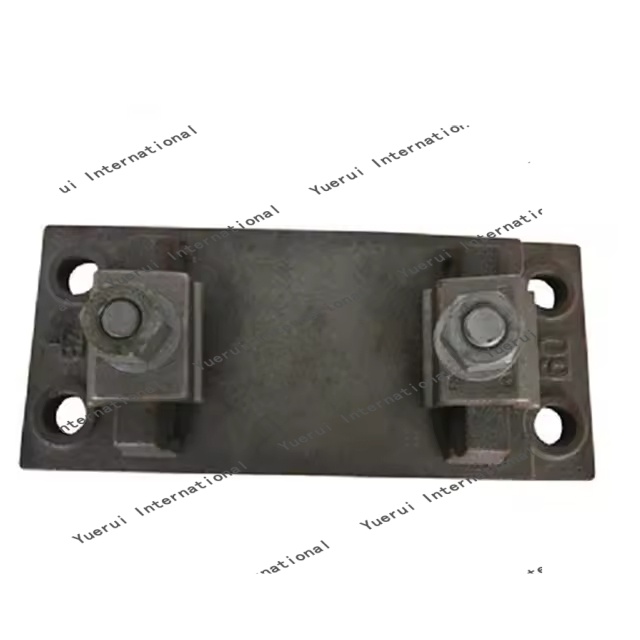
Špecializované povlaky pre extrémne železničné prostredia
Požiadavky na použitie v námornom a pobrežnom prostredí
Nášľady na železničných základných doskách používané v námornej a pobrežnej prostredí sú vystavené zrýchlenej korózii spôsobenej expozíciou chloridov, vysokou vlhkosťou a soľnou sneženkou. Tieto agresívne prostredia vyžadujú systémy povlakov špeciálne formulované na extrémnu ochranu, zvyčajne obsahujúce viacero bariérových vrstiev a zvýšené prísady zlepšujúce adhéziu. Hliníkom bohaté povlaky na železničné základné dosky poskytujú účinnú ochranu v námornom atmosférickom prostredí vytvorením stabilných oxidových vrstiev hliníka, ktoré odolávajú prieniku chloridov. Epoxidové povlaky na železničné základné dosky posilnené sklenenými lupienkami vytvárajú zložité difúzne cesty, ktoré výrazne znížia rýchlosť prenosu vlhkosti a iónov a predĺžia tak dobu ochrany v podmienkach vysokého obsahu soli.
Špecifikácia povlakov pre základné dosky železničných zariadení v pobrežných oblastiach zvyčajne vyžaduje celkovú hrúbku suchého filmu presahujúcu 400 mikrometrov v prípade vrstiev základného náteru, medzivrstvy a vrchného náteru. Štandardy prípravy povrchu musia zabezpečiť minimálnu čistotu Sa 2,5 podľa normy ISO 8501-1, pričom sa odstránia všetky vrstvy valcovacej škály, hrdza a nečistoty, ktoré by mohli ohroziť adhéziu. Povlaky pre základné dosky železničných zariadení v morskom prostredí profitujú z aplikácie žinčových základných náterov s ochrannými vlastnosťami (tzv. žinčových náterov bohatých na zink), ktoré sa aplikujú pod bariérové epoxidové vrstvy; tým sa kombinuje katódová ochrana s bariérovými vlastnosťami a zabezpečuje sa dvojnásobná korózna ochrana. Skúsenosti z pobrežných železničných systémov ukazujú, že správne špecifikované a aplikované povlaky pre základné dosky železničných zariadení môžu poskytnúť 25 až 35 rokov účinnej ochrany aj v prípade extrémne prísnych klasifikácií morského prostredia.
Chemická odolnosť a ochrana v priemyselnom prostredí
Priemyselné železničné zariadenia, ktoré manipulujú s chemikáliami, petrochemickými výrobkami alebo agresívnymi materiálmi, vyžadujú povlaky na železničné podložky navrhnuté tak, aby odolávali chemikáliám a zároveň poskytovali ochranu proti korózii. Povlaky na železničné podložky na báze novolakových epoxidov poskytujú vynikajúcu odolnosť voči kyselinám, rozpúšťadlám a zásaditým roztokom vďaka hustým prekríženým štruktúram s minimálnou pórovitosťou. Povlaky na železničné podložky na báze vinylesterov poskytujú vynikajúcu odolnosť voči silným kyselinám a oxidačným činidlám, čo ich robí vhodnými pre železničné odbočky chemických závodov a priemyselné zariadenia. Povlaky na železničné podložky na báze dechtu zo sadzí, hoci sú v niektorých jurisdikciách obmedzené z dôvodov ochrany životného prostredia, ponúkajú vynikajúcu odolnosť voči dlhodobej imerzii vo vode a kontaktu so zeminou pre aplikácie pod úrovňou terénu.
Protokoly pre skúšanie povlakov podložiek železničných koľajníc určených na prostredia s chemickou expozíciou by mali zahŕňať ponorenie do príslušných chemických látok pri predpokladaných koncentráciách a teplotách. Povlaky podložiek železničných koľajníc musia po uplynutí expozícií imitujúcich roky prevádzkových podmienok zachovať adhéziu, celistvosť povlaku a ochranné vlastnosti. Technické špecifikácie povlakov podložiek železničných koľajníc pre priemyselné aplikácie by mali výslovne uvádzať očakávané chemické expozície, rozsahy koncentrácií, teplotné podmienky a požadovanú životnosť, aby bolo možné vybrať vhodný povlak. Integrácia chemicky odolných povlakov podložiek železničných koľajníc s kompatibilnými upevňovacími prvками a systémami elektrickej izolácie zabezpečuje komplexnú ochranu celej súpravy podložky.
Často kladené otázky
Ako dlho sa rôzne povlaky podložiek železničných koľajníc zvyčajne udržia v prevádzke?
Životnosť povlakov základných dosiek pre železničné trate sa výrazne líši v závislosti od typu povlaku, kvality aplikácie a stupňa vystavenia prostrediu. Povlaky základných dosiek pre železničné trate s horúcou zinkovou ponorovou úpravou zvyčajne dosahujú životnosť 25 až 50 rokov, pričom táto doba závisí od korozívnej agresivity atmosféry – dlhšia životnosť sa dosahuje v vidieckych oblastiach a kratšia v priemyselných alebo pobrežných zónach. Vysokovýkonné epoxidové povlaky základných dosiek pre železničné trate, správne aplikované v systémoch viacvrstvových povlakov, poskytujú 20 až 30 rokov účinnej ochrany za stredne náročných podmienok vystavenia. Zinkovo-bohaté nátery základných dosiek pre železničné trate zvyčajne zabezpečujú 15 až 25 rokov prevádzky, zatiaľ čo štandardné jednovrstvové systémy môžu vyžadovať obnovu po 10 až 15 rokoch. Pravidelné kontrolné programy umožňujú včasnú údržbu povlakov základných dosiek pre železničné trate pred tým, ako sa začne koroziou podkladu, čím sa predĺži celková životnosť komponentov.
Je možné povlaky základných dosiek pre železničné trate opraviť na mieste po inštalácii?
Poľná oprava povlakov základných dosiek železničných koľají predstavuje kritickú údržbovú schopnosť pre správcov železničnej infraštruktúry. Poškodené oblasti povlakov základných dosiek železničných koľají s galvanickým pozinkovaním sa dajú účinne opraviť pomocou farieb bohatých na zinok po vhodnej príprave povrchu, čím sa obnoví katódna ochrana vystavenej ocele. Povlaky základných dosiek železničných koľají na báze epoxidov a polyuretánov umožňujú lokálnu opravu pomocou kompatibilných materiálov, pričom je však nevyhnutná príprava povrchu na odstránenie nečistôt a dosiahnutie správneho adhézneho spojenia. Dotykovo aplikovaný povlak základných dosiek železničných koľají by mal zasahovať aj mimo poškodených oblastí, aby sa zabezpečil dostatočný prekrytie a zabránilo sa korózii okrajov povlaku. Kvalitné poľné opravy povlakov základných dosiek železničných koľají môžu obnoviť 70 až 90 percent pôvodnej ochrany, ak sa vykonajú v súlade so špecifikáciami výrobcu a správnymi postupmi prípravy povrchu.
Aké požiadavky na prípravu povrchu platia pred aplikáciou povlakov základných dosiek železničných koľají?
Príprava povrchu kriticky ovplyvňuje výkon a životnosť ochranných povlakov pre koľajové podložky, pričom nedostatočná príprava je hlavnou príčinou predčasného zlyhania povlaku. Pri horúcej zinkovanej úprave je potrebné odstrániť tuky, oleje a organické nečistoty pomocou odmašťovania, nasledovaného kyselinovým čistením na odstránenie valcovacej škály a hrdzy pred ponorením do roztaveného zinku. Ochranné povlaky pre koľajové podložky na báze farieb zvyčajne vyžadujú abrazívne piaskovanie na stupeň čistoty Sa 2,5 alebo Sa 3 podľa normy ISO 8501-1, pričom sa odstraňuje všetka viditeľná hrdza, valcovacia škála a predchádzajúce povlaky, aby sa odhalil čistý oceľový podklad. Hĺbka povrchovej drsnosti pre ochranné povlaky koľajových podložiek by mala byť v rozmedzí 50 až 100 mikrometrov, aby sa zabezpečilo dostatočné mechanické zaklinenie povlaku do podkladu. Počas aplikácie ochranných povlakov pre koľajové podložky musia byť dodržané špecifikácie týkajúce sa teploty, vlhkosti a rosného bodu, aby sa zabránilo kontaminácii vlhkosťou a zabezpečilo správne vytvrdnutie.