
 EN
EN
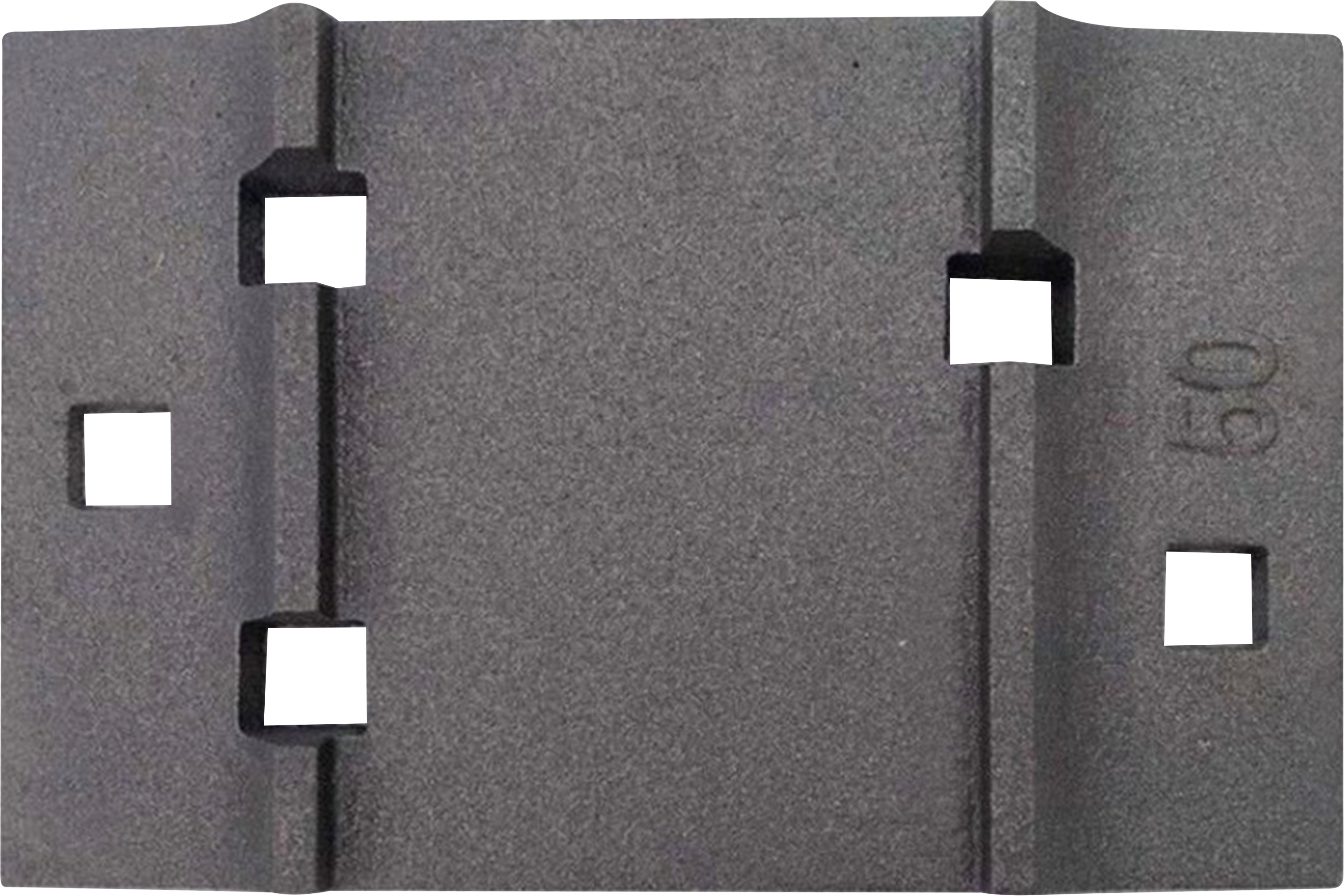
In track assemblies operating under continuous load and movement, metal-to-metal contact is one of the most damaging wear mechanisms engineers face. nylon sleeves have become a widely accepted engineering solution for interrupting direct contact between metal components, acting as a sacrificial yet durable barrier that absorbs friction before it can erode costly structural parts. Understanding exactly how nylon sleeves perform this function helps engineers and procurement teams make better decisions when specifying components for high-wear environments.
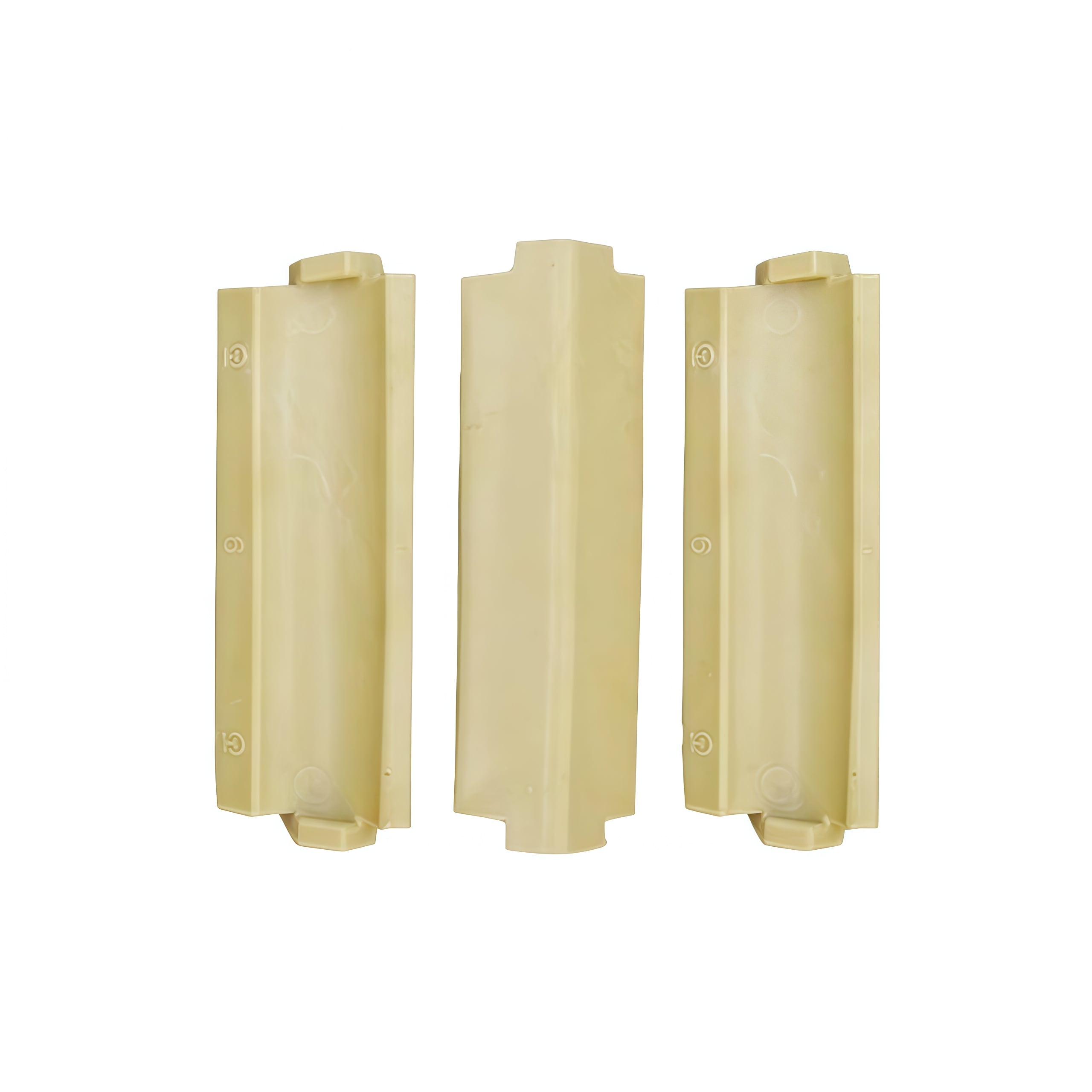
Nylon sleeves are cylindrical or shaped polymer inserts fitted between mating metal surfaces in a track assembly. Their core function is to create a non-metallic interface that reduces friction coefficients, dissipates impact energy, and protects the surrounding steel or aluminum structure from progressive surface degradation. Because nylon sleeves can be manufactured to precise dimensional tolerances, they integrate cleanly into existing track hardware without requiring major redesign of the host assembly.
The Mechanism Behind Metal-to-Metal Wear Prevention
How Nylon Sleeves Interrupt Contact Stress
When two metal surfaces slide or pivot against each other, asperities on each surface interlock and tear away microscopic particles with every cycle. Nylon sleeves interrupt this process by positioning a polymer layer between the metal interfaces. The relatively low hardness of nylon compared to steel means that nylon sleeves deform slightly under contact stress, conforming to minor surface irregularities rather than gouging the metal beneath. This conforming behavior spreads contact load across a broader area and dramatically lowers peak pressure at any single point.
Nylon sleeves also exhibit a naturally low coefficient of friction against steel, typically far lower than steel-on-steel contact. This property means that even under significant axial or radial loads, nylon sleeves generate less heat and less frictional resistance than bare metal interfaces. Over time, this directly translates into slower wear rates across the entire track assembly system.
Self-Lubricating Properties of Nylon Sleeves
Many nylon sleeves used in track assemblies incorporate internal lubricants or are formulated from self-lubricating nylon grades. These formulations allow nylon sleeves to maintain a thin lubrication film at the contact surface without requiring external grease injection at every maintenance interval. Self-lubricating nylon sleeves are particularly valuable in sealed track assemblies where re-greasing access is limited or where contamination from external lubricants must be avoided. The self-lubricating property of nylon sleeves is not a surface coating but an intrinsic material characteristic, meaning it persists throughout the service life of the sleeve rather than wearing away after early use.
Structural and Load-Bearing Advantages in Track Assemblies
How Nylon Sleeves Manage Radial and Axial Loads
Track assemblies typically expose their components to combined radial and axial loading as the track flexes, turns, or carries dynamic payloads. Nylon sleeves are engineered to handle these multi-directional forces without fracturing or permanently deforming under normal operating conditions. The elastic modulus of engineering-grade nylon allows nylon sleeves to absorb impact spikes and return to their functional geometry cycle after cycle. This resilience is critical in track applications where sudden shock loads, such as those generated by uneven terrain or abrupt starts and stops, would otherwise cause metal bushings to crack or seize.
Nylon sleeves also contribute to dimensional stability within the track assembly by maintaining consistent clearance between the pin, the link, and the surrounding housing. When metal bushings wear unevenly, they create variable clearances that accelerate misalignment and accelerate wear across adjacent components. Nylon sleeves, with their controlled wear profile, degrade more uniformly and predictably, giving maintenance teams reliable replacement intervals.
Corrosion Resistance as a Wear Prevention Factor
Metal-to-metal wear is not solely a mechanical phenomenon. Corrosion between dissimilar metals or between steel surfaces exposed to moisture and contaminants accelerates surface degradation and increases friction dramatically. Nylon sleeves eliminate galvanic corrosion pathways because they are electrically non-conductive and chemically inert to most industrial fluids. By isolating metal surfaces from each other and from environmental moisture, nylon sleeves prevent the electrochemical reactions that roughen metal surfaces and increase frictional resistance over time. This makes nylon sleeves especially suitable for track assemblies operating in wet, muddy, or chemically aggressive field conditions.
Installation Fit and Long-Term Performance of Nylon Sleeves
Dimensional Tolerances and Fit Considerations
The protective performance of nylon sleeves depends heavily on correct installation fit. Nylon sleeves specified with too much radial clearance will allow micro-movement that reintroduces metal contact under load. Nylon sleeves installed with excessive interference fit may distort and reduce their ability to conform to the mating surface. Engineers selecting nylon sleeves for track assemblies must account for the thermal expansion characteristics of nylon, which differ from steel, ensuring that the fit remains within tolerance across the full operating temperature range. Properly fitted nylon sleeves maintain consistent contact geometry throughout their service life, delivering the wear prevention performance they are engineered to provide.
Replacement Cycles and Maintenance Planning
One practical advantage of nylon sleeves is that they are designed to be the sacrificial component in a track assembly. Rather than allowing wear to progress into expensive structural pins, links, or housings, nylon sleeves absorb the wear and are replaced at a fraction of the cost of replacing a metal track component. Maintenance teams that implement scheduled nylon sleeves replacement programs report significantly lower total cost of ownership compared to assemblies relying on metal bushings that require the entire bearing area to be rebuilt. Nylon sleeves are lightweight, easy to handle, and do not require specialized tooling for removal and installation in most track assembly designs.
FAQ
Can nylon sleeves be used in high-temperature track assembly environments?
Nylon sleeves are suitable for moderate temperature environments, typically up to around 100 to 120 degrees Celsius depending on the nylon grade. For track assemblies exposed to higher operating temperatures, engineers should specify heat-stabilized nylon sleeves or consider alternative polymer grades. Always confirm the thermal rating of nylon sleeves against the specific operating conditions of your application before finalizing the specification.
How often should nylon sleeves be inspected in a track assembly?
Inspection intervals for nylon sleeves depend on the severity of the operating environment, load cycles, and the specific nylon grade used. In heavy-duty track assemblies operating in abrasive or wet conditions, inspecting nylon sleeves every scheduled maintenance period is advisable. Visual and dimensional checks can confirm whether nylon sleeves have reached their wear limit and should be replaced before metal-to-metal contact resumes.
Are nylon sleeves compatible with all types of track assembly lubrication systems?
Most nylon sleeves are chemically compatible with standard mineral-based and synthetic grease lubricants used in track assembly systems. However, certain aggressive lubricant additives or solvents may affect the dimensional stability of nylon sleeves over time. It is recommended to verify chemical compatibility between the selected nylon sleeves grade and any lubricant or cleaning fluid used in the assembly before deployment.