
 EN
EN
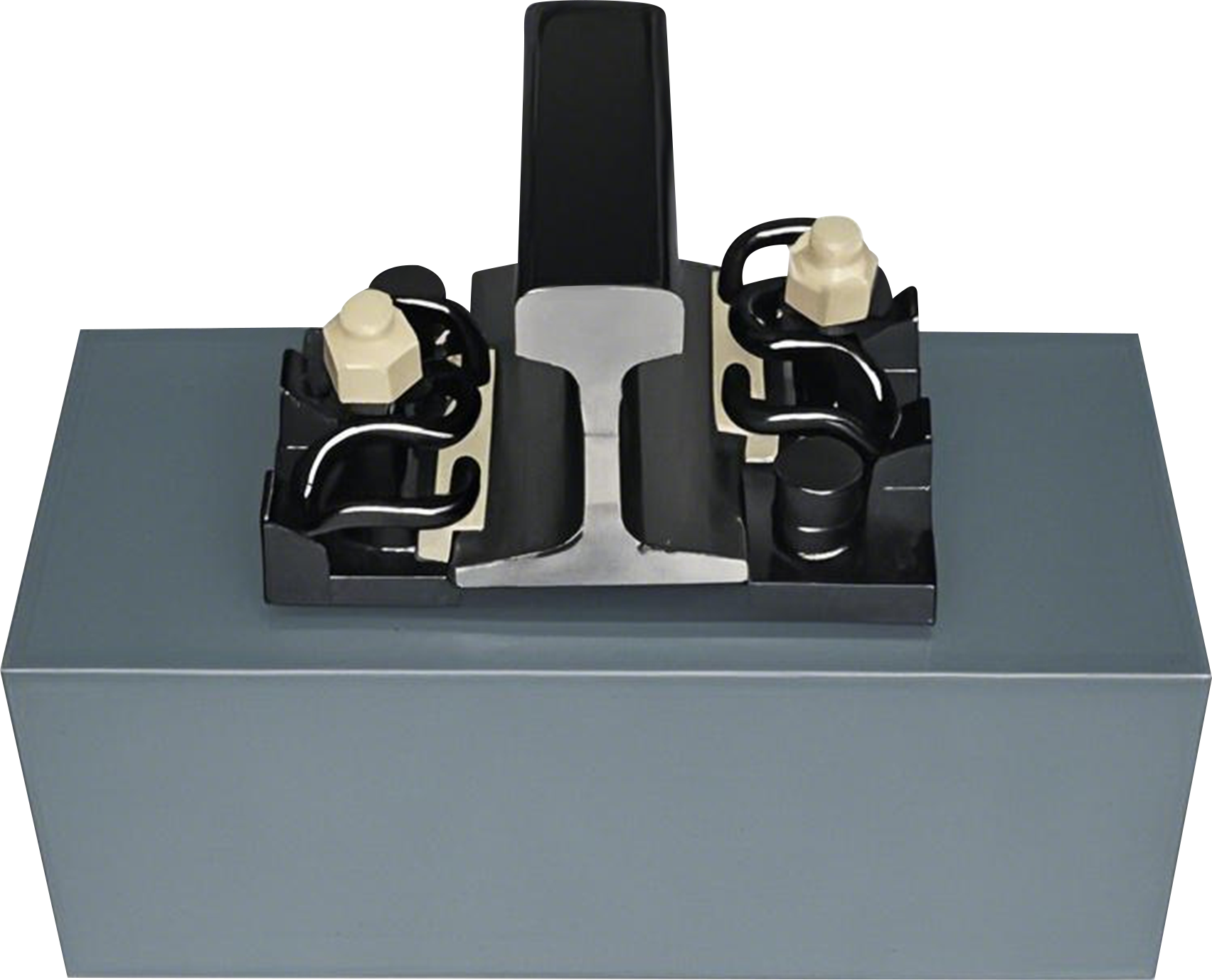
A rail pad serves as a critical interface between the rail and the sleeper or fastening system, absorbing vibrations and distributing loads while protecting railway infrastructure from premature deterioration. Understanding what factors determine rail pad compatibility with different rail types is essential for engineers, railway operators, and procurement professionals who must ensure reliable track performance, passenger safety, and cost-effective maintenance. The compatibility between a rail pad and the specific rail type used in your track system directly influences track longevity, noise reduction, and overall operational efficiency.
Selecting the correct rail pad requires careful analysis of multiple technical parameters, material properties, and operational conditions specific to your railway system. This article explores the fundamental factors that determine rail pad compatibility, enabling you to make informed decisions about rail pad selection for your track infrastructure and ensure long-term performance across diverse railway applications.
Rail Pad Material Composition and Rail Type Alignment
Understanding Material Properties
The material composition of a rail pad fundamentally determines its compatibility with different rail types and operating environments. Natural rubber, synthetic elastomers, and polyurethane compounds each possess distinct properties that affect how well a rail pad performs under specific conditions. A rail pad manufactured from natural rubber typically provides excellent vibration damping for conventional steel rails but may degrade faster in extreme temperature environments compared to synthetic alternatives. The elasticity and compression resistance of the rail pad material directly influence how effectively it can absorb dynamic loads from rail traffic while maintaining dimensional stability over extended service periods. Engineers must match the rail pad material properties to the specific rail type, load profile, and environmental conditions of their track system to ensure optimal compatibility and performance longevity.
Rail Profile and Pad Geometry
Different rail types feature distinct head profiles and base widths, which directly affect rail pad compatibility and installation feasibility. Standard rail types such as 60 kg/m, 75 kg/m, and specialized narrow-gauge rails each require rail pad dimensions that precisely match the rail foot dimensions and fastening system geometry. A rail pad designed for standard gauge rails cannot function effectively under narrow-gauge or specialized rail configurations because the rail pad thickness, width, and contact surface area would be incompatible with the rail foot profile. The rail pad must provide uniform contact across the entire rail foot to distribute loads evenly and prevent localized stress concentrations that could compromise track stability. Ensuring that your selected rail pad geometry aligns with the specific rail type is critical for achieving consistent load distribution and preventing rail pad migration or displacement during operation.
Load Bearing Capacity and Operational Stress
Axle Weight and Traffic Volume Considerations
The load-bearing capacity of a rail pad must match the anticipated axle weights and traffic volumes characteristic of your railway system to maintain compatibility and structural integrity. Heavy freight railways operating with axle loads exceeding 30 tonnes require rail pad materials and thicknesses significantly different from those suitable for urban transit or light rail applications where axle loads typically remain below 15 tonnes. A rail pad selected without adequate consideration of peak axle loads will experience excessive compression, permanent deformation, and premature failure, ultimately compromising track alignment and safety. The rail pad must be engineered to compress within acceptable limits under maximum anticipated loads while recovering its original thickness during load cycles to ensure consistent track geometry. Incompatible rail pad selection based on insufficient load capacity represents a primary cause of track maintenance failures and accelerated deterioration in high-traffic corridors where the rail pad bears repeated stress cycles throughout the day.
Dynamic Vibration Control
The damping characteristics of a rail pad directly affect how effectively it isolates railway structures from dynamic vibrations generated by passing trains, making this factor essential for compatibility assessment. Different rail types and track configurations produce distinct vibration signatures based on rail mass, track stiffness, and wheel-rail interaction forces, all of which influence the optimal rail pad stiffness required for effective vibration control. A rail pad offering insufficient stiffness will allow excessive vertical displacement, reducing vibration isolation effectiveness and increasing noise transmission to surrounding areas, while excessively stiff rail pads will fail to absorb dynamic energy, transmitting greater vibrations to underlying structures. The rail pad must be selected to provide damping characteristics compatible with both the specific rail type and the intended operating environment to minimize noise, protect adjacent structures, and ensure passenger comfort in urban transit applications.
Environmental Factors and Temperature Resistance
Climate Extremes and Material Degradation
Environmental conditions including temperature fluctuations, moisture exposure, and UV radiation significantly influence rail pad compatibility with specific rail types and operating regions. A rail pad designed for temperate climates may become brittle and crack under extreme cold conditions or lose elasticity and harden excessively under prolonged heat exposure in desert environments, making climate compatibility essential for rail pad selection. The rail pad must maintain its elastic properties and dimensional stability across the full range of temperatures experienced throughout the year in your installation region to ensure consistent performance and prevent seasonal maintenance issues. Different elastomer materials exhibit varying temperature resistance characteristics, with some formulations optimized for extreme cold environments while others perform better in high-temperature applications, requiring careful matching between the rail pad material and your regional climate. Selecting a rail pad without adequate consideration of environmental extremes common to your installation region will result in accelerated material degradation, performance loss, and increased maintenance requirements that compromise overall system economics.
Moisture and Chemical Exposure
Railway environments expose rail pads to continuous moisture, salt spray in coastal regions, and industrial pollutants that can degrade incompatible materials and reduce service life significantly. A rail pad lacking adequate resistance to moisture absorption and chemical attack will swell, soften, or become brittle when exposed to wet conditions, track-side runoff, and de-icing chemicals commonly used in winter maintenance operations. The rail pad must be formulated with materials and protective compounds that resist moisture penetration and chemical degradation specific to your track location, whether that involves coastal salt exposure, industrial chemical contaminants, or standard railway environments. Coastal rail installations require rail pads engineered with enhanced chemical resistance because standard materials may experience accelerated corrosion and material breakdown when exposed to salt-laden atmospheres. Incompatible rail pads exposed to moisture and chemical environments without adequate protection will degrade prematurely, requiring more frequent replacement and contributing to increased life-cycle costs compared to properly selected rail pads engineered for your specific environmental conditions.
Installation Compatibility and Fastening System Integration
Fastening System Requirements
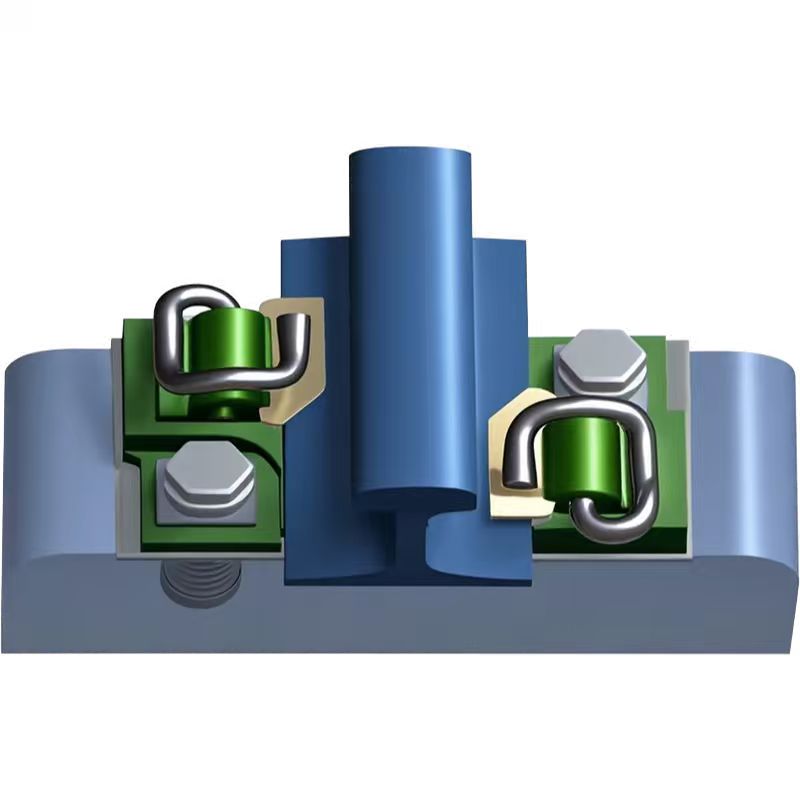
The rail pad must be compatible with the specific fastening system installed on your track infrastructure, as different rail types utilize distinct mechanical fastening arrangements that directly affect rail pad configuration and performance. Shouldered fastening systems, spring-based clip systems, and modern Pandrol-type fasteners each require rail pads engineered with specific thicknesses, surface textures, and attachment features to function reliably and maintain design performance. A rail pad specified for one fastening system type may prove incompatible with another system because the load distribution patterns, clamping pressures, and lateral force transmission characteristics differ significantly between fastening architectures. Installing an incompatible rail pad into your existing fastening system can result in inadequate clamping force, rail movement, loss of track geometry, and increased derailment risk if the rail pad thickness or profile prevents proper fastener engagement. Successful rail pad compatibility requires thorough verification that the selected rail pad dimensions and surface properties align precisely with your installed fastening system components to ensure proper load transmission and secure rail positioning throughout the service life.
Installation Surface Preparation
The condition of the sleeper or fastening base surface directly affects rail pad compatibility and the effectiveness of load distribution across the track structure. A rail pad selected for your specific rail type will fail to perform adequately if installed on damaged, corroded, or uneven sleeper surfaces that prevent uniform contact between the rail pad and the supporting structure. The rail pad must make full surface contact across its entire base to distribute loads effectively and prevent stress concentration at isolated contact points that could cause permanent deformation or instability. Regular inspection and maintenance of sleeper surfaces, removal of debris and corrosion, and verification of flatness ensure that your selected rail pad can function as designed and maintain compatibility with the rail type and track system throughout its operational life. Neglecting surface preparation represents a common installation error that undermines the effectiveness of properly selected rail pads and results in premature failure or performance degradation despite using technically compatible components.
FAQ
What is the primary function of a rail pad in railway systems?
A rail pad functions as a resilient interface between the rail and sleeper, absorbing vibrations, distributing dynamic loads, isolating noise, and protecting track infrastructure from premature deterioration caused by wheel-rail impact forces. The rail pad helps maintain track geometry, reduces maintenance costs, and improves passenger comfort by minimizing vibration transmission to surrounding structures and environments.
How does rail type affect rail pad selection and compatibility?
Different rail types feature distinct profiles, weights, and foot dimensions that directly determine the required rail pad thickness, width, material composition, and load-bearing capacity needed for effective compatibility. Standard gauge rails, narrow-gauge rails, and specialized rail configurations each require rail pads engineered specifically for their geometry and operational characteristics to ensure proper load distribution and performance.
What environmental conditions should influence rail pad compatibility decisions?
Temperature extremes, moisture exposure, UV radiation, salt spray in coastal regions, and industrial chemical contaminants all influence rail pad material selection and compatibility with specific installation regions. A rail pad must be formulated with elastomer compounds and protective features appropriate for the full range of environmental stresses your installation will experience throughout its operational life to ensure long-term performance and cost-effective maintenance.