EN
EN
Quick Links

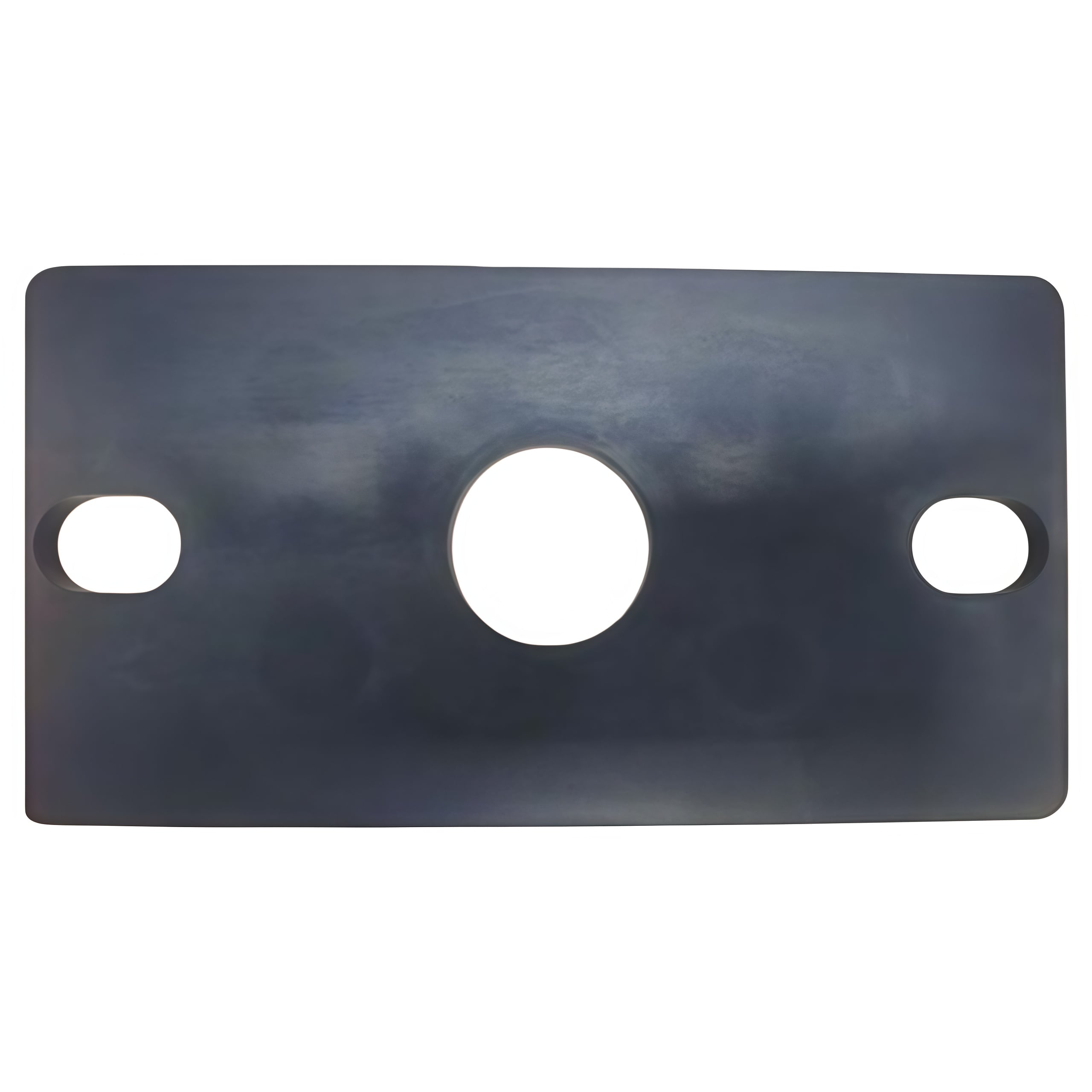
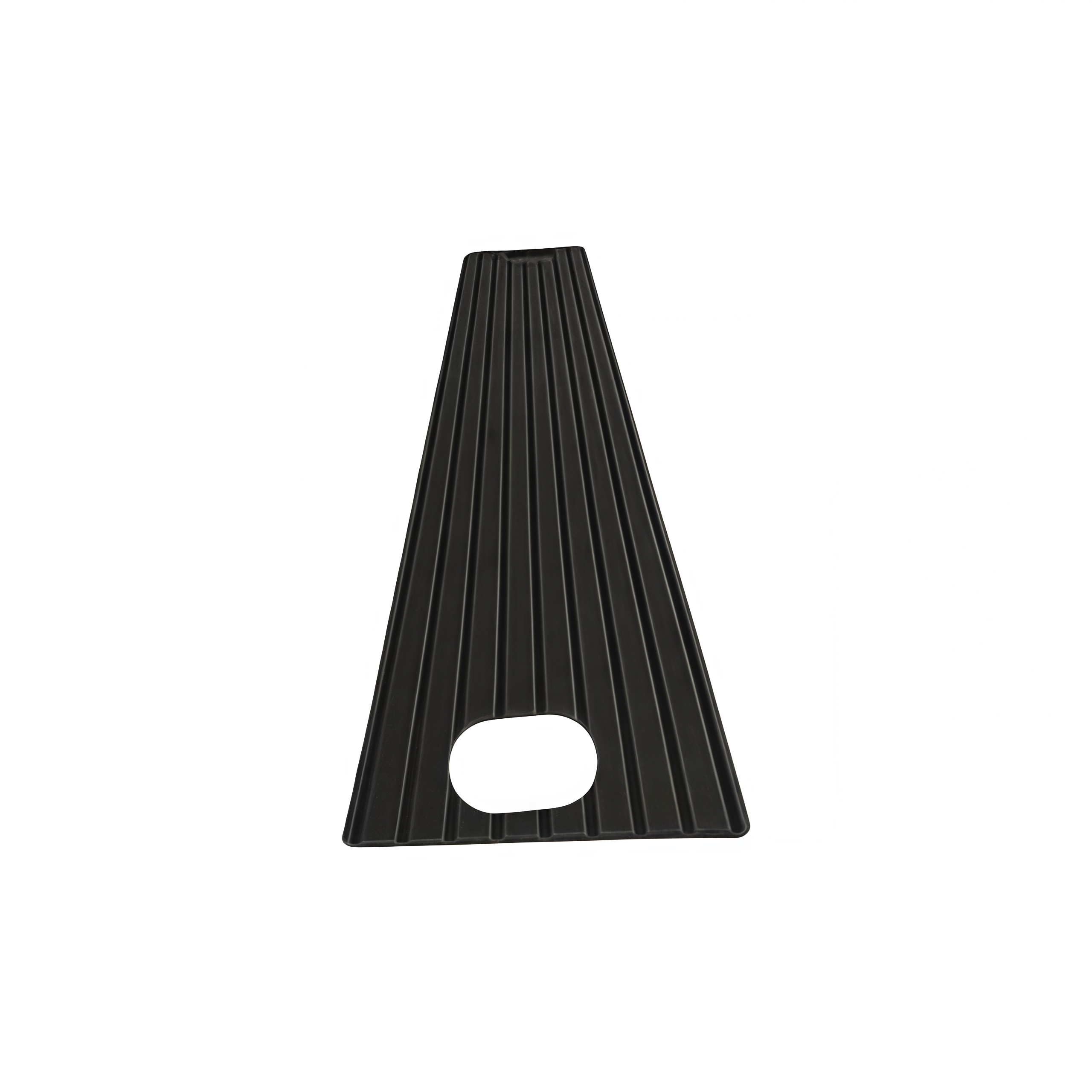
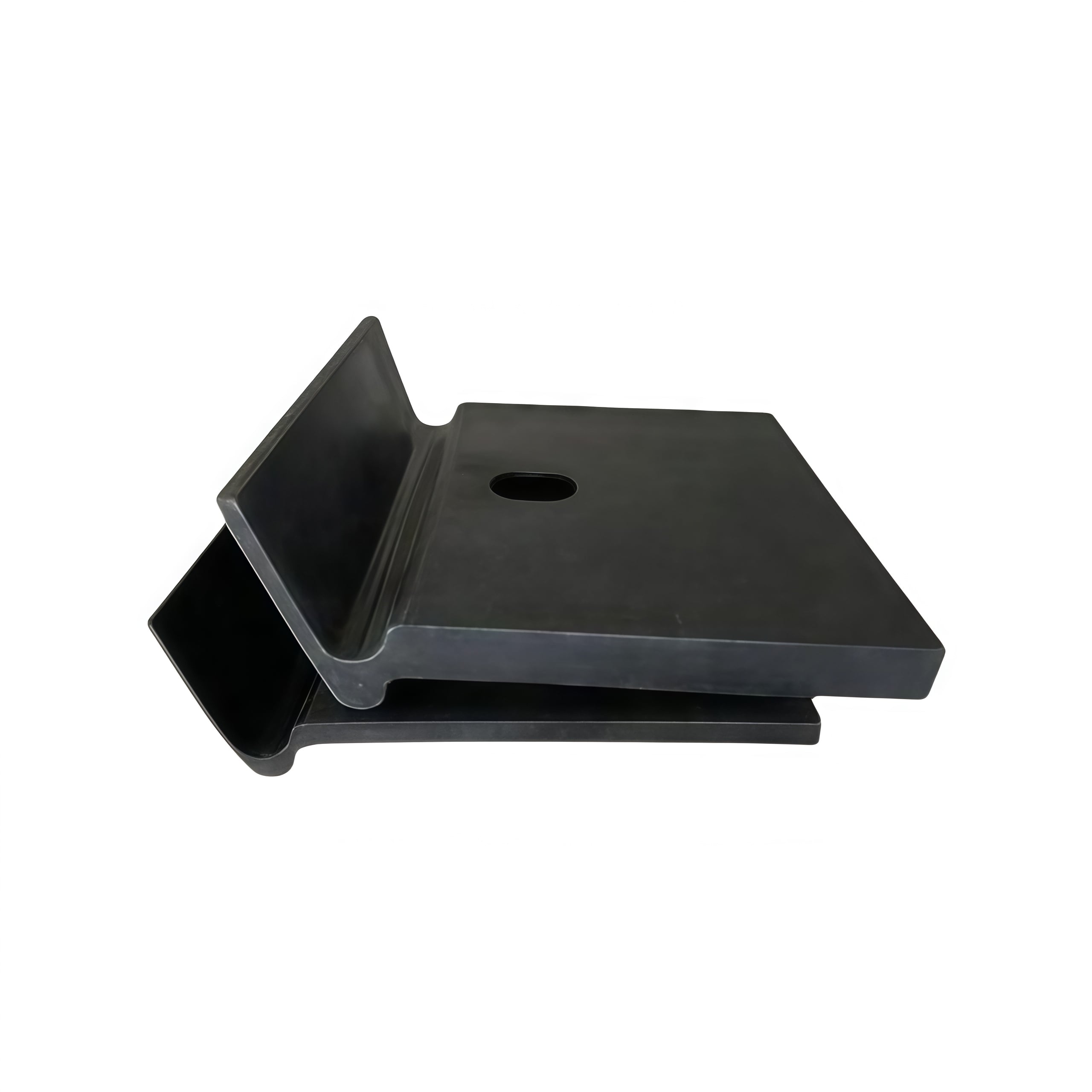
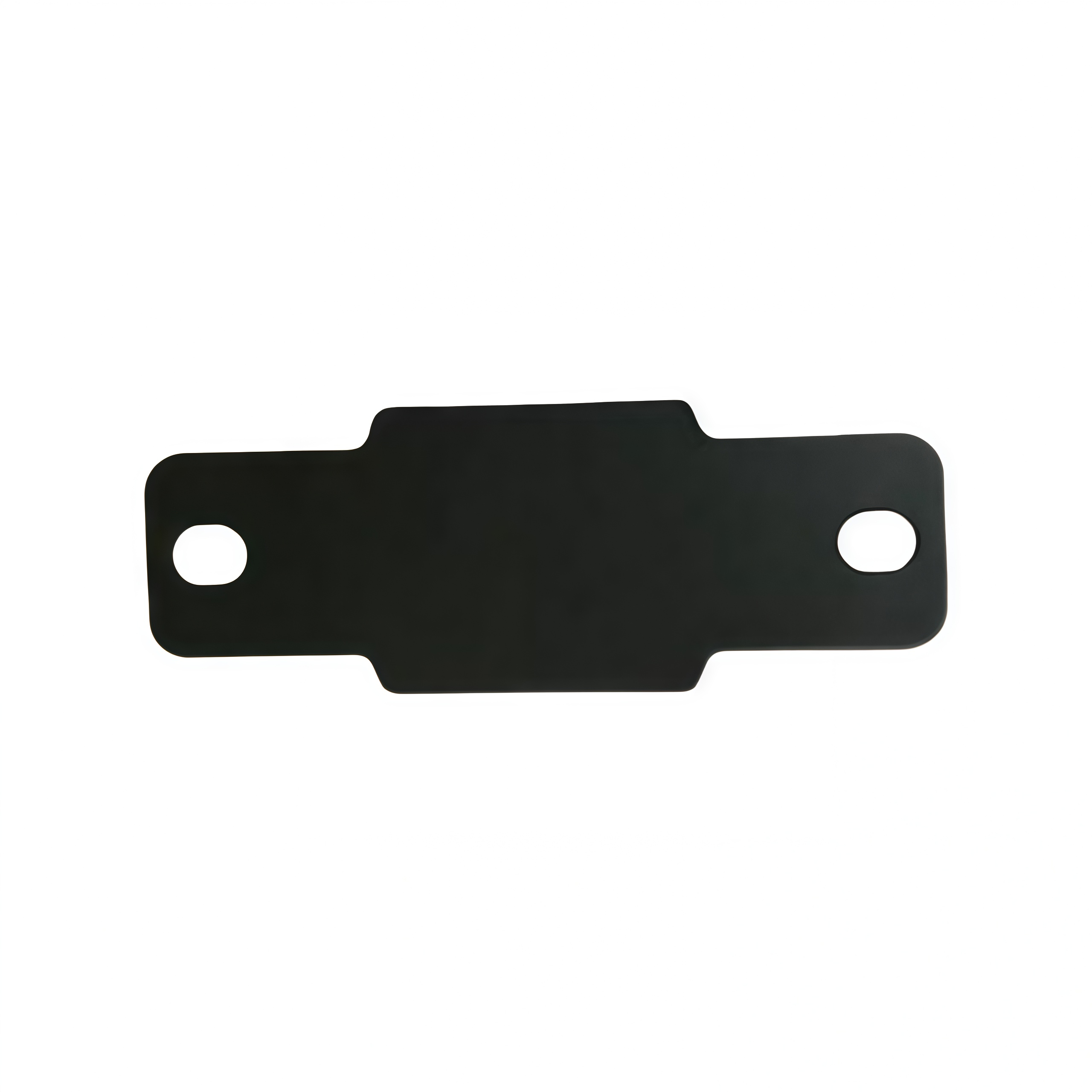
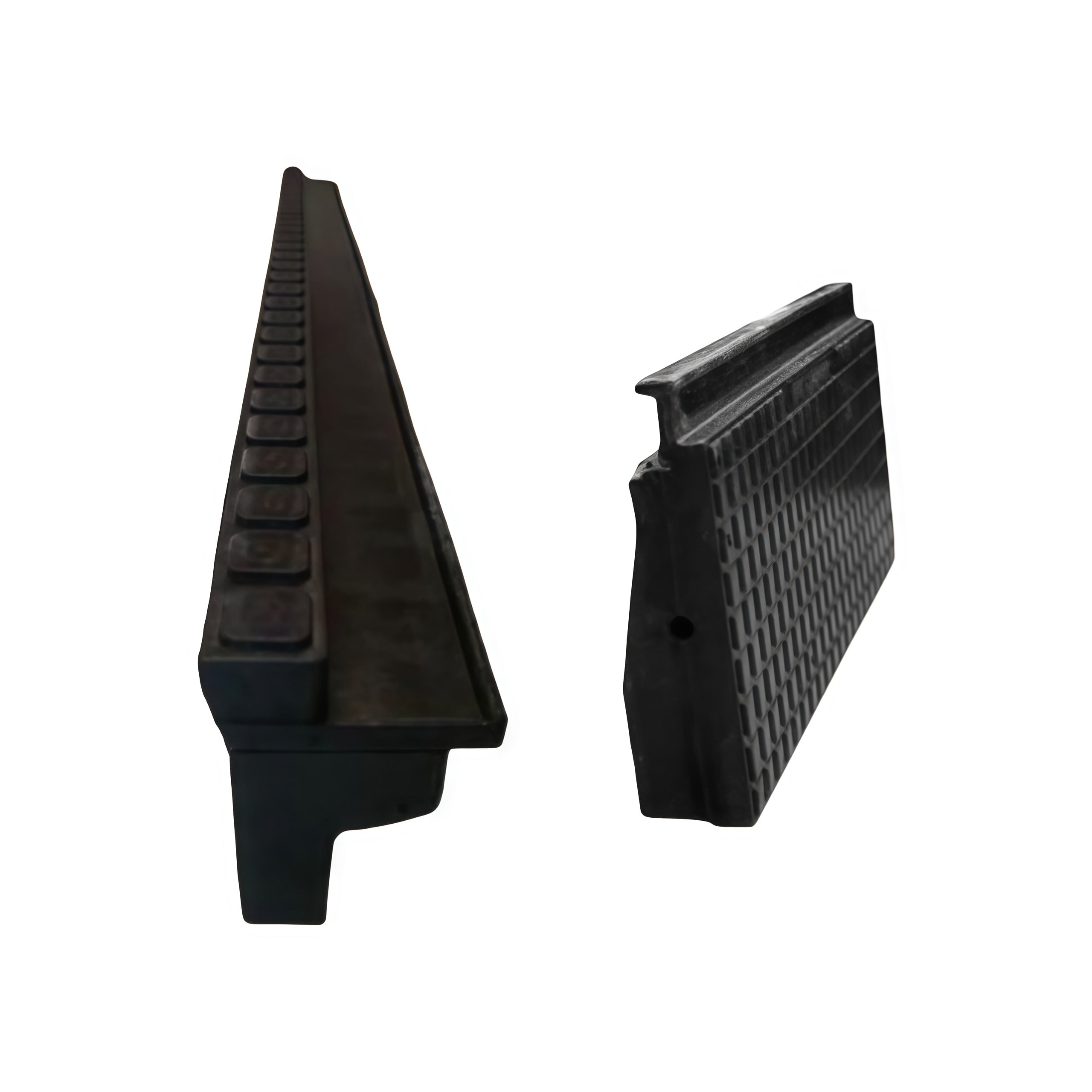
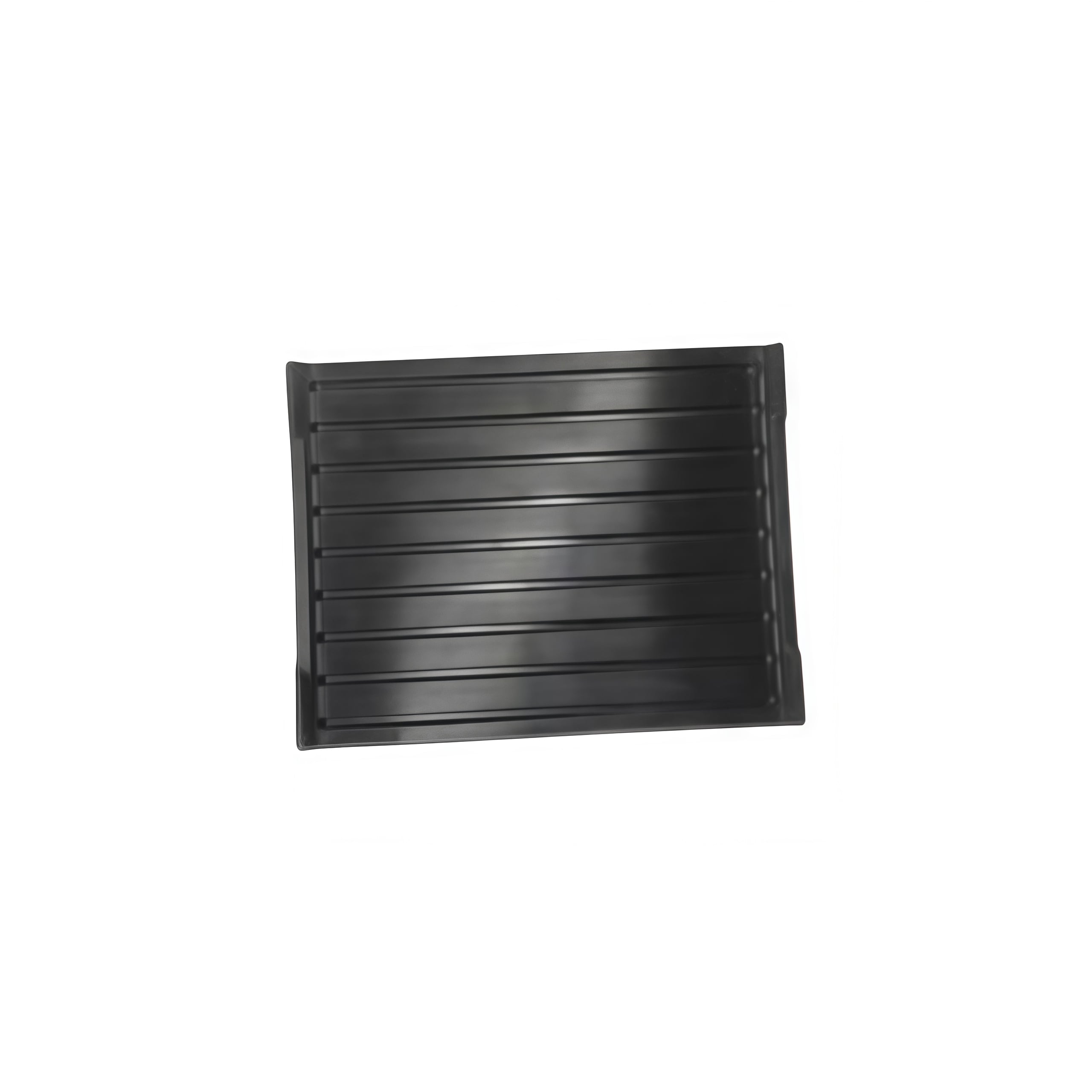
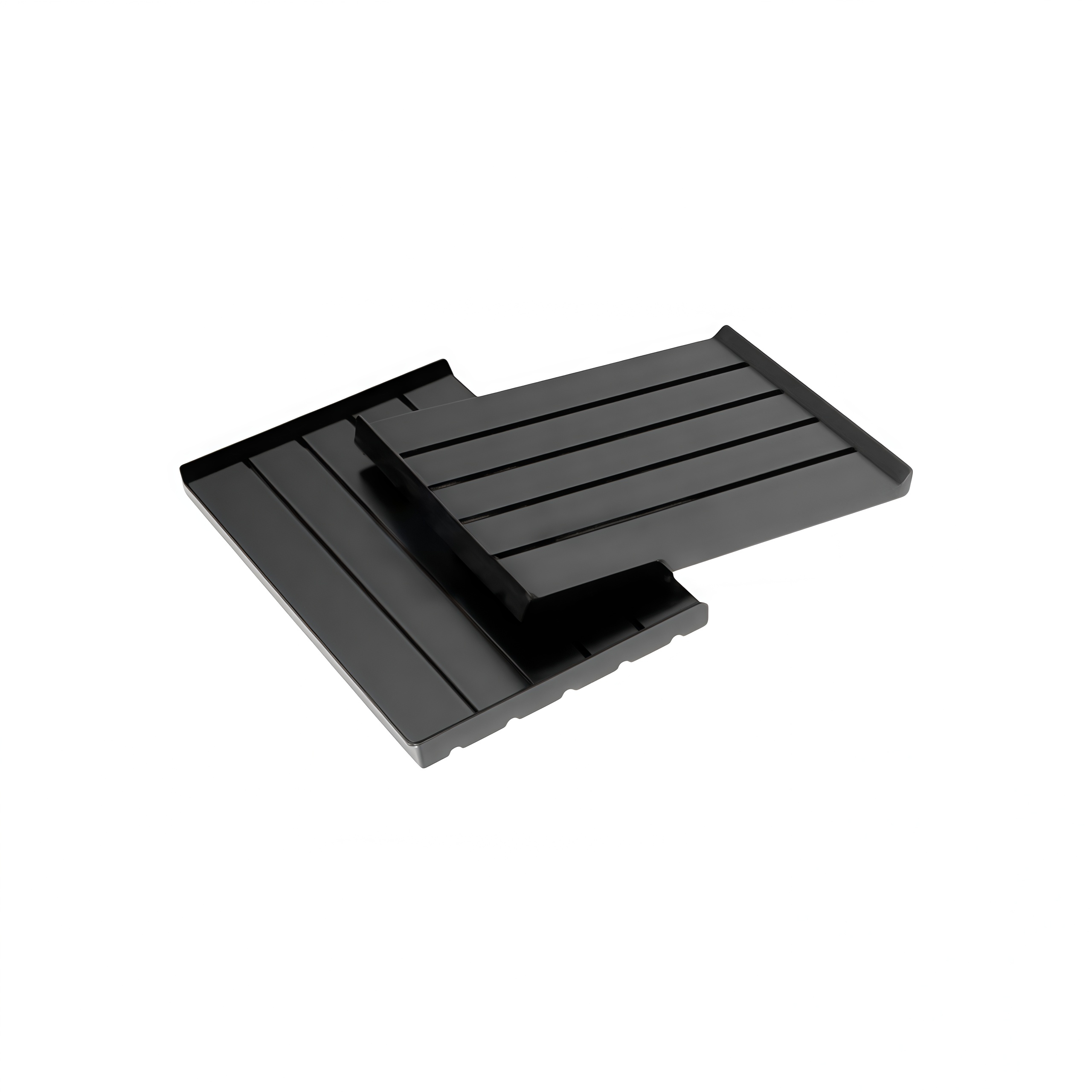
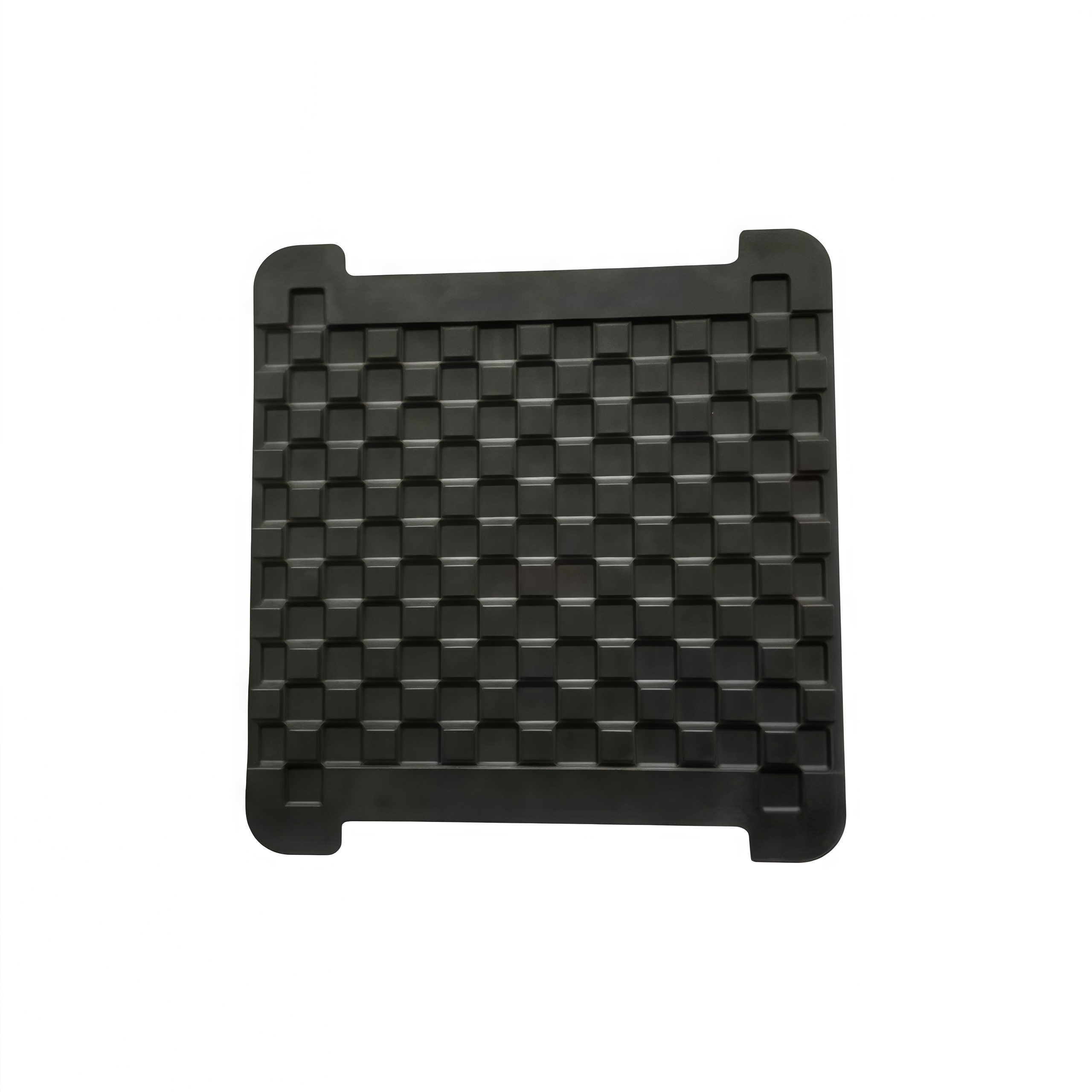
Complete range rubber pads with customizable size, thickness & stiffness, excellent anti-aging, wear & salt fog resistance.
Stable mass production supports one-stop bulk procurement with full rail fastener kits to shorten multi-type track construction cycles.
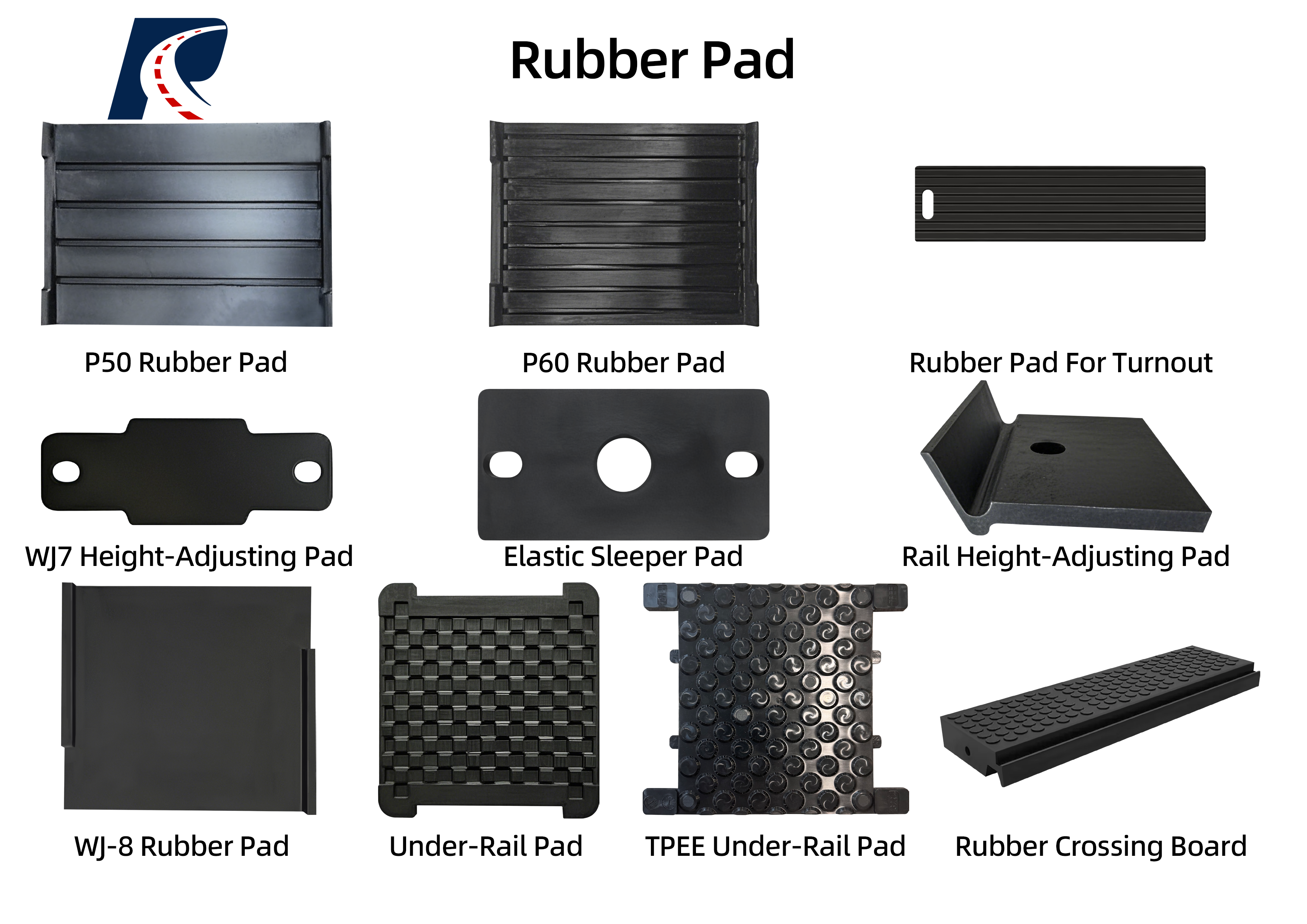
Rubber pad is made of rubber as the main raw material, which can effectively absorb and alleviate the external impact, and play an electrical insulation role in the signal system.
I. Overview of Railway Track Padding
Rubber track pads (hereinafter referred to as “rubber pads”) are critical components in railway track structures. Installed between rails and concrete sleepers, their primary functions include:
- Absorbing high-speed vibrations and impacts generated by passing vehicles to protect the subgrade and sleepers
- Providing electrical insulation for signaling systems Additionally, due to prolonged exposure to atmospheric conditions, rubber pads must exhibit excellent resistance to natural aging, cold temperatures, and heat. Rubber pads used in subways feature superior vibration damping and low-noise performance.
II. Characteristics of Railway Track Padding
1. Strong shock absorption, anti-aging properties, wear resistance, stability, and resistance to high and low temperatures. Products combine natural rubber, styrene-butadiene rubber, neoprene, HDPE, EVA, and high-density polyethylene. They exhibit high elasticity and resist deformation or fracture across various temperatures.
2. Extended service life with low maintenance and replacement costs.
3. Comprehensive range of models suitable for laying various rails (43kg, 50kg, 60kg) and sleepers (wooden, concrete).
4. Excellent load-bearing capacity, vibration damping, and insulation properties. Highly wear-resistant with minimal compression deformation, superior rigidity, aging resistance, and no mud displacement. Long service life and easy installation. Railway rubber pads significantly enhance rolling stock transport capacity, reduce crossing maintenance frequency, and prevent traffic accidents caused by stalled vehicles.
5. Rubber pads offer a service life exceeding three times that of traditional track plates. Testing confirms stable performance without deformation under applied pressures exceeding 80 tons. Manufactured primarily from rubber using scientific formulations and advanced production techniques, these pads meet railway speed enhancement and environmental requirements while boosting locomotive transport capacity.
Our factory is equipped with multiple guide rail pad production lines featuring machinery for machining, injection molding, rubber refining, vulcanization, forming, and inspection. We have our own rail pad development engineers, designing, producing and inspecting. What’s more, rail pads for high-peed rail are our featured products, including both the elastic rubber plates and height adjustment pads.
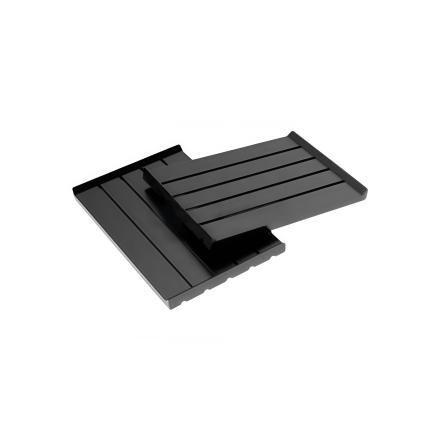
The Following are Rubber Rail Pads Parameters:
| Type | Diameter(mm) | Weight(kg) | Material |
| WJ8-B | 285mm*150mm*12mm | 0.35kg | Thermoplastic elastomer |
| WJ8-6 | 175mm*160mm | 0.24kg | Premium natural rubber or synthetic rubber |
| P50 | 185mm*131mm*10mm | 0.29kg | Premium natural rubber or synthetic rubber |
| P60 | 185mm*151mm*10mm | 0.34kg | Premium natural rubber or synthetic rubber |
| WJ8-6 | 175mm*160mm | 0.24kg | Premium natural rubber or synthetic rubber |
Insulating Rail Clips
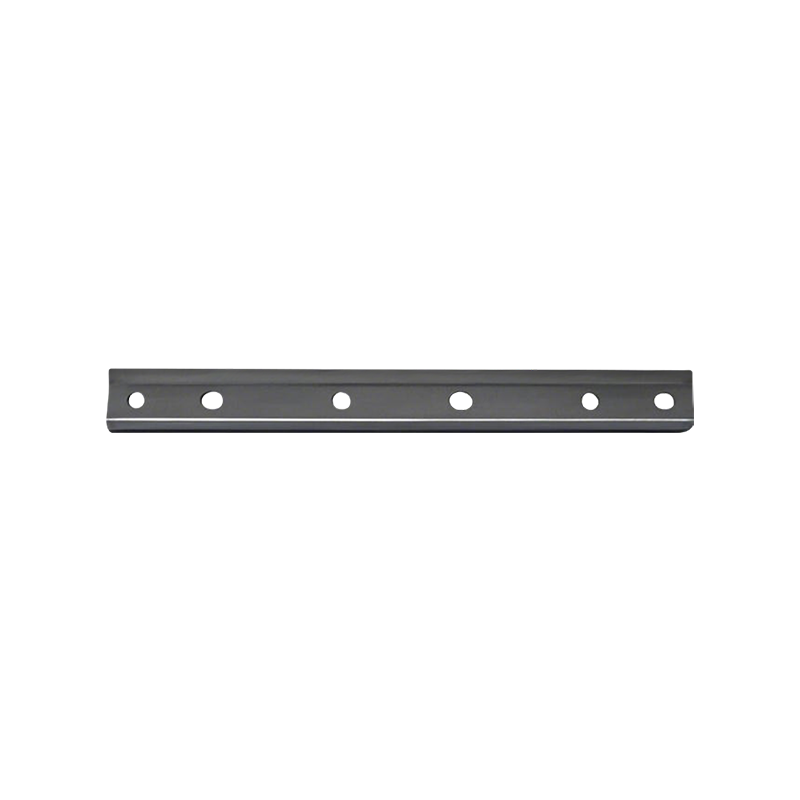
P60 Fishplate
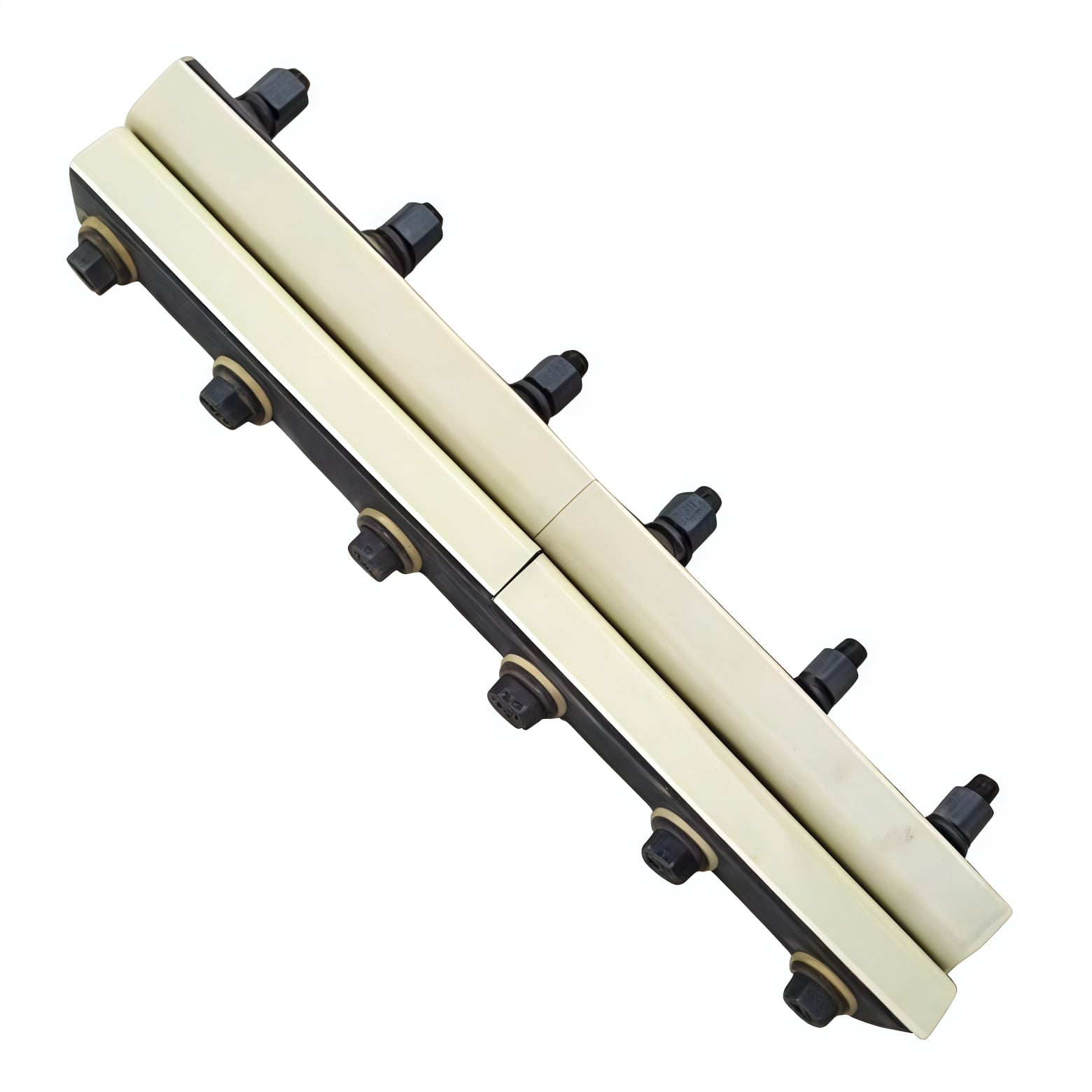
Cemented Insulated Fishplate
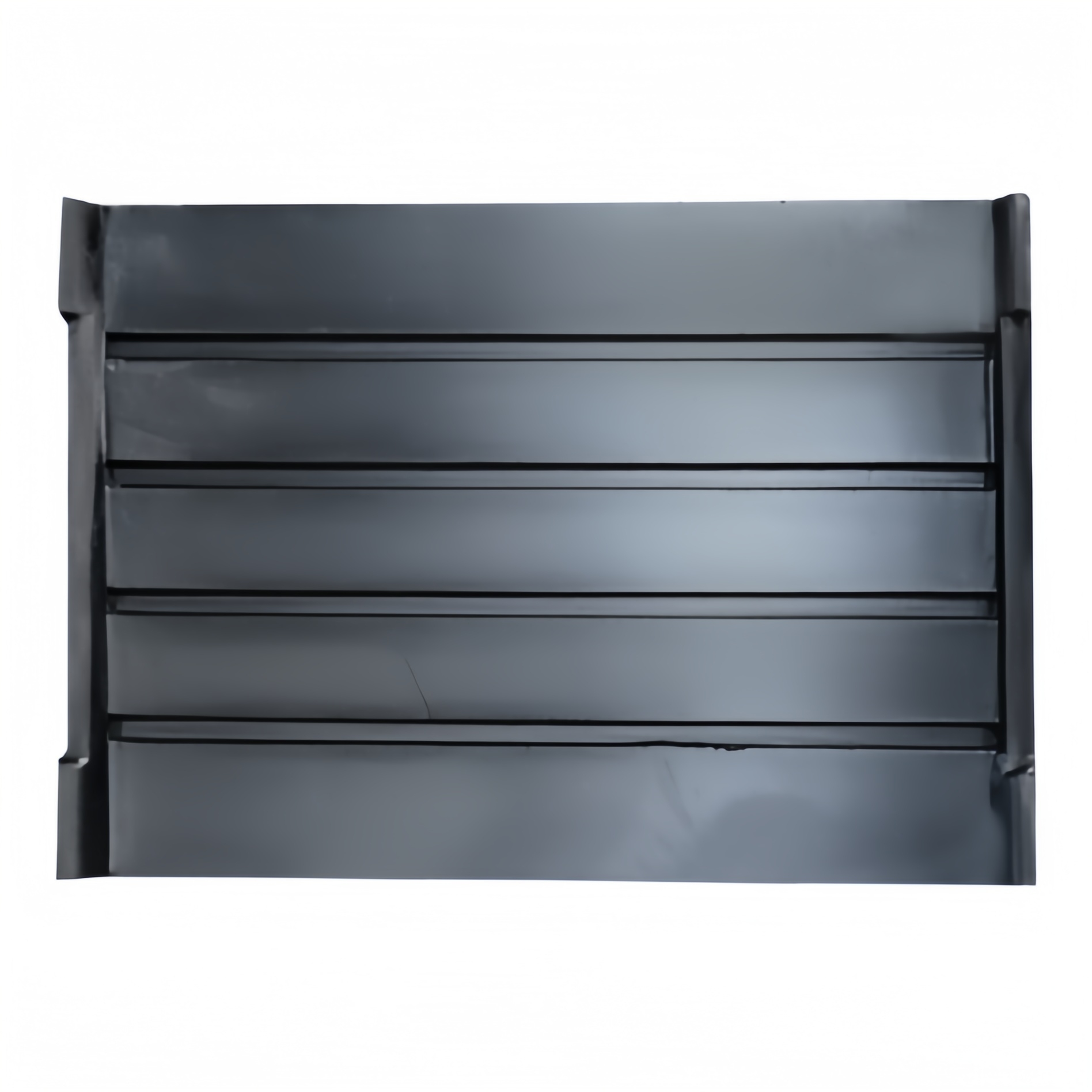
P50 Rubber Pad