
 EN
EN
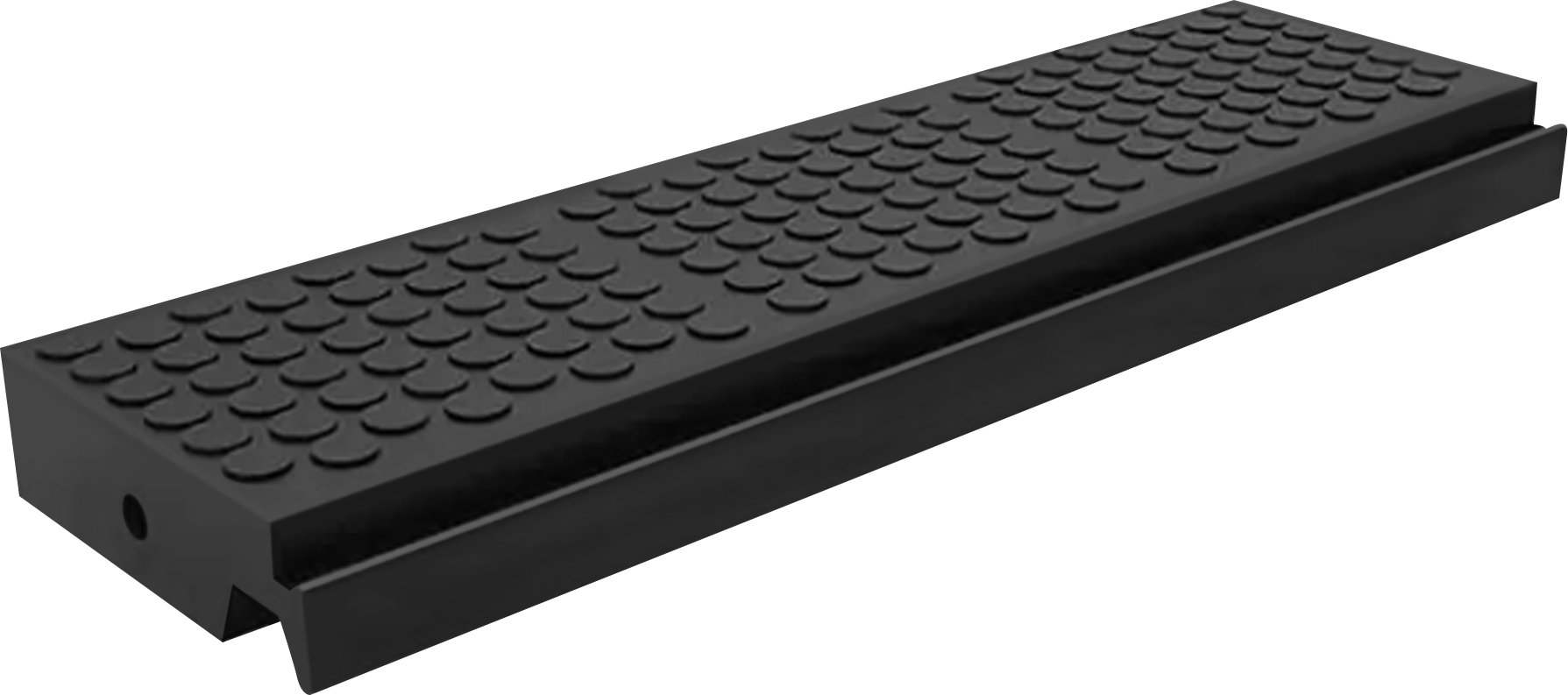
When engineers and procurement specialists evaluate track infrastructure, one of the most consequential decisions involves selecting the right rail plates for the specific system in question. These seemingly straightforward components play a critical structural role, transferring loads from the rail to the underlying sleeper or tie while maintaining precise rail alignment and gauge. However, the design requirements for rail plates differ substantially depending on whether the system is light rail or heavy rail, and understanding these differences is essential for making technically sound and cost-effective choices.
The variation in rail plates across light rail transit and heavy rail freight or mainline systems reflects a broader engineering logic rooted in load capacity, track geometry, operating speed, and material durability. A plate designed for an urban tram network, where axle loads are moderate and curves are tight, must behave very differently from one used in heavy freight corridors where dynamic loads are intense and continuous. This article explores those differences methodically, helping infrastructure professionals understand the key variables that drive rail plate selection across different railway environments.
Fundamental Roles of Rail Plates in Track Systems
Load Distribution and Structural Support
Rail plates serve as the intermediary between the rail base and the sleeper surface, distributing vertical and lateral forces generated by passing trains. Without properly designed rail plates, concentrated loads would bear directly on the sleeper, accelerating deterioration and leading to uneven track settlement. The plate broadens the contact area, reducing peak stress on the sleeper material and extending the service life of the entire track structure.
In heavy rail systems, this load distribution function becomes especially critical. Freight trains operating at 25 to 30 tonnes per axle impose dramatically higher loads than urban transit vehicles, which may carry only 8 to 12 tonnes per axle. As a result, rail plates in heavy rail applications must be manufactured with greater thickness, higher-grade steel, and larger bearing surface areas to handle these forces without plastic deformation or fatigue cracking.
Light rail environments present different demands. While axle loads are lower, the frequency of service is often high and the track geometry includes tighter horizontal curves. Rail plates here must accommodate lateral forces without excessive wear on the rail foot, meaning edge geometry and shoulder design become particularly important design considerations.
Rail Gauge Control and Lateral Restraint
Beyond vertical load management, rail plates also contribute to gauge accuracy by holding the rail in its correct lateral position. The rail foot sits within shoulders or clips mounted on the plate, and the precise distance between rails is partly governed by how well the plate maintains this restraint under repeated traffic. Gauge deviation, even by a few millimetres, can cause ride quality degradation, wheel flange wear, and in extreme cases, derailment risk.
In heavy rail mainline systems, gauge control requirements are governed by stringent national and international standards, and rail plates must be manufactured to tight dimensional tolerances. The plates are often designed with machined shoulders or integrated clips that provide firm lateral restraint against both inward and outward rail movement. Light rail systems, operating under somewhat different regulatory frameworks, may use slightly more flexible gauge management systems, though dimensional accuracy remains vital.
How Load Class Shapes Rail Plate Design
Material Specifications for Different Load Classes
The steel grade used in rail plates is one of the clearest differentiators between light rail and heavy rail applications. Heavy rail plates are typically fabricated from medium to high-carbon steel alloys, sometimes incorporating manganese for added hardness and wear resistance. The increased carbon content improves the plate's resistance to deformation under the high cyclic loading typical of freight and high-speed passenger services.
Light rail applications, by contrast, often use standard structural steel grades that provide adequate strength for the load class without the cost premium associated with high-alloy materials. In some urban transit projects where weight savings are a consideration, light rail plates may even incorporate design features that reduce overall mass while maintaining adequate bearing area and structural integrity. The rail plates used in these contexts reflect a careful engineering balance between material cost, weight, and service life.
Corrosion resistance is another material consideration that varies by application. Heavy rail plates operating in open, rural environments or exposed freight yards may receive hot-dip galvanization or other corrosion-resistant coatings. Light rail plates in urban tunnels or covered stations may require different surface treatments depending on the prevailing humidity and chemical exposure conditions.
Plate Thickness and Bearing Area Variations
The physical dimensions of rail plates scale directly with the load class. Heavy rail plates used under 54E1 or 60E1 rail profiles in mainline applications typically range from 16 to 25 mm in thickness, with bearing areas calculated to keep stress levels within acceptable limits for the underlying sleeper material. Wooden sleeper-based track configurations, in particular, require carefully calculated plate areas to prevent the plate from sinking into the timber under heavy loads.
For light rail systems, plate thickness is generally lower, often in the 10 to 16 mm range, reflecting the reduced axle loads. The bearing area is also proportionally smaller, matching the narrower rail profiles such as 49E1 or similar sections commonly used in urban transit. This dimensional scaling is not arbitrary—it follows rigorous engineering calculations that account for the allowable bearing pressure on the sleeper material and the fatigue life of the plate under the expected number of load cycles.
One notable example of how plate design adapts to application context is the C-shaped wooden sleeper iron base plate. This type of rail plates configuration provides a distinctive profile that wraps around the sleeper edge, offering improved lateral restraint and enhanced load distribution over the sleeper surface. Such designs are particularly valued in track systems where maintaining rail position under dynamic lateral forces is a priority.
Track Geometry Influences on Rail Plate Configuration
Cant and Inclination in Curved Track
Track cant, or the inward banking of the rail in curves, requires that rail plates accommodate a specific inclination so that the rail foot remains properly seated under the weight of passing vehicles. In standard heavy rail track, an inward inclination of 1:20 or 1:40 is commonly applied through inclined rail plates or through the plate's seating geometry, ensuring that the rail head is oriented to receive wheel loads optimally.
Light rail systems, which frequently incorporate very tight radius curves in urban environments, may require specialized plate configurations to manage the increased lateral forces on the inner and outer rails of curves. These curves impose higher flange forces on the outer rail and more complex load distribution patterns, influencing the shoulder height, edge reinforcement, and fastener hole positioning on the rail plates used in those locations.
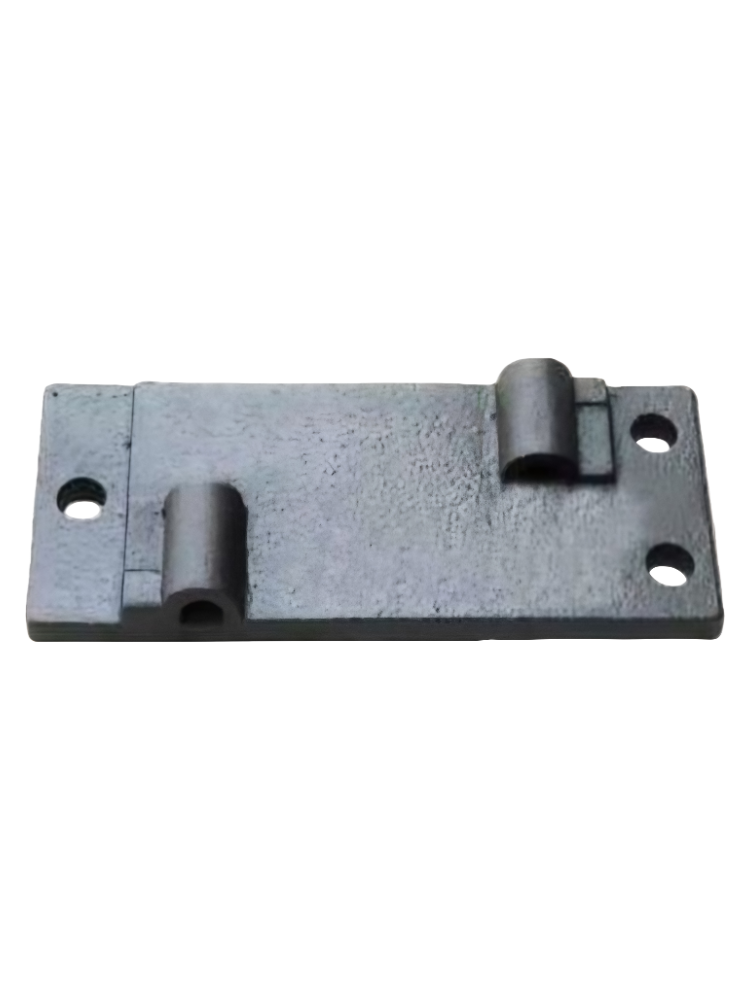
Understanding how track geometry drives rail plate design is important for engineers involved in both greenfield projects and track renewal. Using the wrong plate inclination or selecting a plate not rated for the curve radius can accelerate both plate and sleeper wear, increasing long-term maintenance costs and potentially affecting operational safety.
Transition Zones and Mixed-Use Corridors
Some rail networks include transition zones where light rail and heavy rail services share corridor infrastructure, or where vehicle types change along the route. These transition zones present unique challenges for rail plate selection because the load class, speed profile, and track geometry requirements may shift within short distances. Engineers must carefully specify rail plates that meet the most demanding condition along each segment, or design smooth transitions that prevent abrupt changes in track stiffness.
In mixed corridors, the fastening system attached to the rail plates also becomes a critical selection variable. Heavy-duty elastic fasteners suited for mainline loads may not provide the acoustic damping performance needed in urban light rail tunnels, where noise and vibration management is a key design concern. The plate must therefore be selected in conjunction with the fastener system, treating both as an integrated component assembly rather than independent parts.
Sleeper Compatibility and Fastening System Integration
Wood, Concrete, and Steel Sleeper Interfaces
Rail plates must be geometrically and mechanically compatible with the sleeper type used in each application. In older heavy rail infrastructure, wooden sleepers remain common, and rail plates for these applications are designed with screw spike or coach screw fastenings that penetrate the timber directly. The bearing surface must be wide enough to prevent excessive crushing of the wood fibers, particularly in softwood sleepers that are more susceptible to compression.
Concrete sleepers, now dominant in modern heavy rail construction, require rail plates with precisely located bolt holes or clip housings that match the cast-in inserts within the sleeper. The plate geometry must be matched to the sleeper design at the manufacturing stage, which means that rail plates are often system-specific and cannot be used interchangeably across different sleeper manufacturers or designs without careful verification.
Light rail systems in urban environments sometimes use embedded rail systems or ballast-free slab track, where conventional rail plates may be replaced by resilient base plates or rail support systems integrated into the slab. In these applications, the rail plates still perform a load distribution function but may include additional elastomeric layers to reduce vibration transmission into the surrounding structure.
Fastener Compatibility and Clip Systems
The relationship between rail plates and rail fasteners is deeply integrated. Heavy rail plates are often designed to accept specific elastic clip systems—such as spring clips or Pandrol-type fasteners—that provide the required toe load on the rail foot while allowing controlled longitudinal movement to prevent rail buckling. These clip housing geometries are built directly into the plate profile, which means that changing clip type typically requires changing the plate as well.
Light rail environments may use different fastener philosophies, including direct fastening systems or resilient baseplate systems that integrate rubber pads beneath the rail plates to reduce ground-borne vibration. These additional elastic elements alter the vertical stiffness of the track, which in turn affects dynamic load distribution and must be accounted for in the overall track design calculations. Selecting rail plates without considering the fastener system as a whole can lead to incompatibilities that compromise both performance and safety.
Maintenance Implications of Rail Plate Selection
Inspection Frequency and Wear Patterns
The maintenance requirements associated with rail plates differ markedly between light rail and heavy rail systems. In heavy freight corridors, the high axle loads and traffic volumes produce significant wear on both the rail plates and the sleeper surfaces beneath them, leading to phenomena such as plate cutting, sleeper compression, and rail seat abrasion. Regular inspection regimes must include checks for these failure modes, and worn or deformed rail plates must be replaced before they allow rail misalignment to develop.
In light rail systems, wear-related maintenance is generally less intensive, but corrosion and fatigue can still be significant concerns, particularly in coastal or industrial urban environments. The lighter plate dimensions also mean that any material loss from corrosion represents a proportionally greater reduction in structural cross-section, so surface treatment and periodic inspection remain important even in lower-load applications.
Lifecycle Cost Considerations
Selecting rail plates with the appropriate load rating, material grade, and surface protection for the specific application has a direct impact on total lifecycle cost. Under-specified rail plates in heavy rail applications will deteriorate rapidly, requiring premature replacement and potentially causing collateral damage to fasteners and sleepers. Over-specified plates in light rail applications represent unnecessary capital expenditure without meaningful performance benefit.
A lifecycle cost analysis that considers initial procurement cost, expected service life, maintenance frequency, and replacement logistics provides the most defensible basis for rail plate selection decisions. This analysis should account for the specific load class, environmental conditions, sleeper type, and fastening system in use, ensuring that the selected rail plates deliver the best value over the full asset lifespan rather than simply the lowest initial unit price.
FAQ
What is the primary structural difference between rail plates used in light rail and heavy rail systems?
The primary difference lies in load capacity and dimensional design. Heavy rail plates are thicker, wider, and made from higher-grade steel to handle axle loads of 25 to 30 tonnes or more, while light rail plates are proportionally lighter, thinner, and suited for axle loads typically in the 8 to 12 tonne range. Both types serve the same load distribution and gauge control functions, but their engineering specifications reflect the very different force environments they operate in.
Can rail plates designed for heavy rail be used in light rail applications?
While heavy rail plates are structurally capable of handling light rail loads, using them in a light rail application is generally impractical and unnecessary. The heavier, larger plate dimensions would add excess dead weight to the track structure, increase installation complexity, and may not be geometrically compatible with the lighter rail profiles and concrete or slab sleeper systems commonly used in urban light rail construction. Correct specification is always preferred over cross-system substitution.
How do rail plates interact with the rail fastening system in curved track sections?
In curved track sections, rail plates must accommodate increased lateral forces, and the fastening system must provide adequate toe load to resist rail rollover and lateral displacement. Some plates used in curves incorporate modified shoulder heights or reinforced edge geometry to handle these additional lateral demands. The fastener clip design must also be matched to the plate profile so that the combined assembly maintains the required rail restraint under the specific curve radius and vehicle speed parameters of the application.
What role does sleeper material play in determining rail plate specifications?
Sleeper material significantly influences rail plate specifications because different materials—wood, concrete, and steel—have different bearing strength characteristics and require different fastening methods. Wooden sleepers require plates with sufficient bearing area to prevent timber compression, while concrete sleepers require plates with precisely positioned fastener holes matched to cast-in inserts. The plate must always be specified in conjunction with the sleeper type to ensure proper load transfer and long-term geometric stability of the track.
Table of Contents
- Fundamental Roles of Rail Plates in Track Systems
- How Load Class Shapes Rail Plate Design
- Track Geometry Influences on Rail Plate Configuration
- Sleeper Compatibility and Fastening System Integration
- Maintenance Implications of Rail Plate Selection
-
FAQ
- What is the primary structural difference between rail plates used in light rail and heavy rail systems?
- Can rail plates designed for heavy rail be used in light rail applications?
- How do rail plates interact with the rail fastening system in curved track sections?
- What role does sleeper material play in determining rail plate specifications?