
 EN
EN
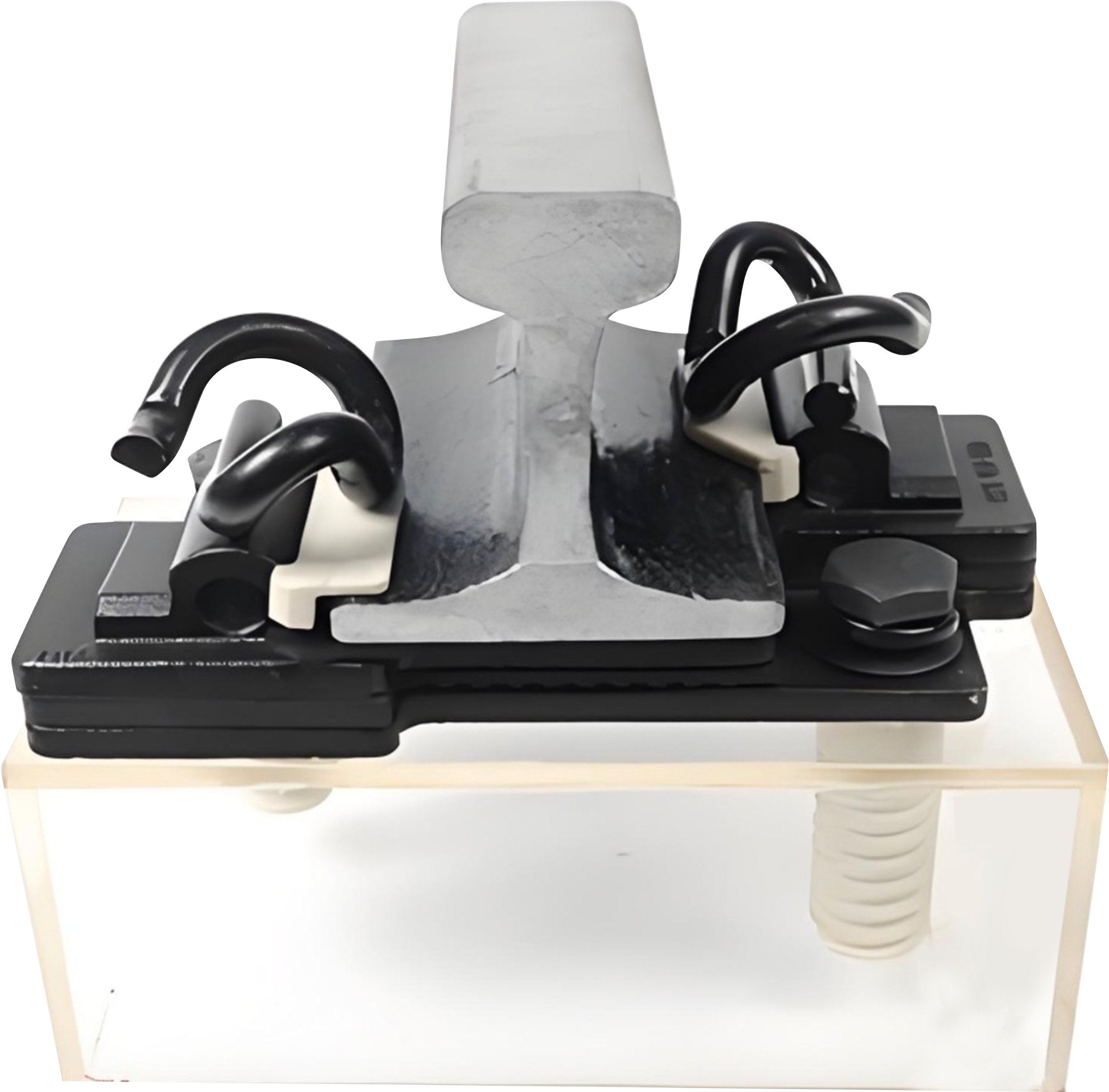
The integrity of any railway system begins not with locomotives or signaling technology, but with the smallest mechanical components holding the track together. Rail fittings — the clips, fasteners, bolts, tie plates, and related hardware that secure rails to sleepers and maintain track geometry — are the unsung foundation of safe and efficient rail operations. Without them functioning correctly, even the most advanced train technologies become vulnerable to derailments, speed restrictions, and costly maintenance shutdowns. Understanding why high-quality rail fittings matter is essential for every infrastructure engineer, procurement specialist, and railway operator who takes safety and performance seriously.
This article explores the specific reasons why choosing superior rail fittings is not merely a procurement decision but a critical engineering and safety imperative. From load transfer mechanics to long-term maintenance economics, every dimension of rail infrastructure performance is shaped by the quality of these components. As rail networks worldwide face increasing demands from higher speeds, heavier freight loads, and denser traffic schedules, the role of precision-engineered rail fittings becomes even more consequential for operators, engineers, and regulators alike.
The Mechanical Role of Rail Fittings in Track Stability
Load Distribution and Force Management
Every time a train wheel passes over a section of track, it transmits enormous dynamic forces — vertical loads, lateral forces, and longitudinal stresses — directly through the rail and into the underlying structure. Rail fittings act as the critical interface that transfers and distributes these forces safely into the sleeper and ballast bed. When these components are manufactured to precise tolerances with appropriate material grades, they ensure that load paths remain predictable and within design parameters.
Low-quality rail fittings often fail to maintain adequate clamping force over time, leading to micro-movements between the rail base and the sleeper. These micro-movements, while invisible during initial inspection, accumulate into gauge widening, rail roll, and misalignment — all of which dramatically increase derailment risk. High-quality components engineered with proper spring characteristics resist relaxation and maintain consistent clamping forces even after millions of load cycles.
The elastic behavior of precision rail fittings also plays a critical role in absorbing dynamic impact loads, particularly on high-speed lines and sections with heavy axle loads. By providing controlled elasticity, well-engineered fastening systems reduce the shock transmitted to concrete or timber sleepers, extending the structural lifespan of the entire track bed and lowering whole-life infrastructure costs.
Gauge Retention and Track Geometry Preservation
Track gauge — the precise distance between the two running rails — is one of the most fundamental parameters governing safe train operation. Even small deviations from standard gauge can cause hunting oscillation, wheel flange contact issues, or in extreme cases, complete derailment. Rail fittings maintain gauge by rigidly positioning the rail at the correct lateral location relative to the sleeper and by resisting the lateral spreading forces generated during train passage.
High-quality rail fittings are designed with tight dimensional tolerances so that they consistently position the rail within specified geometric limits right from installation. Inferior components, however, may have dimensional variability that introduces gauge inconsistencies from the outset. Over time, the problem compounds as poorly manufactured clips or tie plates wear and deform under traffic, allowing progressive gauge widening that requires costly emergency maintenance intervention.
Maintaining track geometry through the reliable performance of rail fittings also reduces wear on rolling stock. Vehicles operating on well-maintained geometry experience lower wheel and axle bearing stress, reducing fleet maintenance costs and increasing the availability of trains for revenue service — a directly quantifiable operational benefit of investing in quality components.
Safety Implications of Rail Fitting Quality
Fatigue Resistance and Long-Term Structural Integrity
Railway infrastructure is subject to fatigue loading by definition. Each axle passage constitutes one load cycle, and on busy mainlines, a single location may experience hundreds of millions of cycles over its operational life. Rail fittings must therefore be manufactured from materials with excellent fatigue resistance — high-grade spring steel for elastic clips, properly heat-treated bolts for tensioned connections, and precisely cast or rolled tie plates that resist bending under repeated loading.
Inferior rail fittings produced from substandard material grades or without proper heat treatment are prone to fatigue cracking long before their design life is reached. A fractured spring clip or a failed bolt may go undetected during routine visual inspection, creating a latent structural vulnerability in the track. When that failure point is eventually triggered by a heavy or fast-moving train, the consequences can be catastrophic — from minor speed restrictions to derailments with potential loss of life and massive infrastructure damage.
Regulatory frameworks in many jurisdictions require certified testing of rail fittings for fatigue performance, and for good reason. Quality manufacturers subject their products to standardized fatigue tests under simulated field conditions before certification, providing documented assurance of performance. This testing regime is one of the key factors that separates engineered, safety-critical rail fittings from commodity hardware.
Corrosion Resistance and Environmental Performance
Track infrastructure is permanently exposed to environmental elements — moisture, de-icing salts, industrial pollutants, and temperature extremes. Rail fittings that lack adequate corrosion protection will degrade rapidly in these conditions, losing clamping force and structural integrity as rust undermines material cross-sections. High-quality rail fittings incorporate appropriate surface treatments — hot-dip galvanizing, electroplating, or specialized coatings — matched to the severity of the installation environment.
The interaction between corrosion and mechanical performance is particularly insidious. A bolt that appears visually intact may have lost significant tensile capacity due to hidden section loss from crevice corrosion. Similarly, a spring clip that has undergone surface oxidation may have altered spring characteristics, reducing clamping force below the safety threshold. Specifying rail fittings with validated corrosion protection relevant to the deployment environment is therefore a direct safety requirement, not an optional quality upgrade.
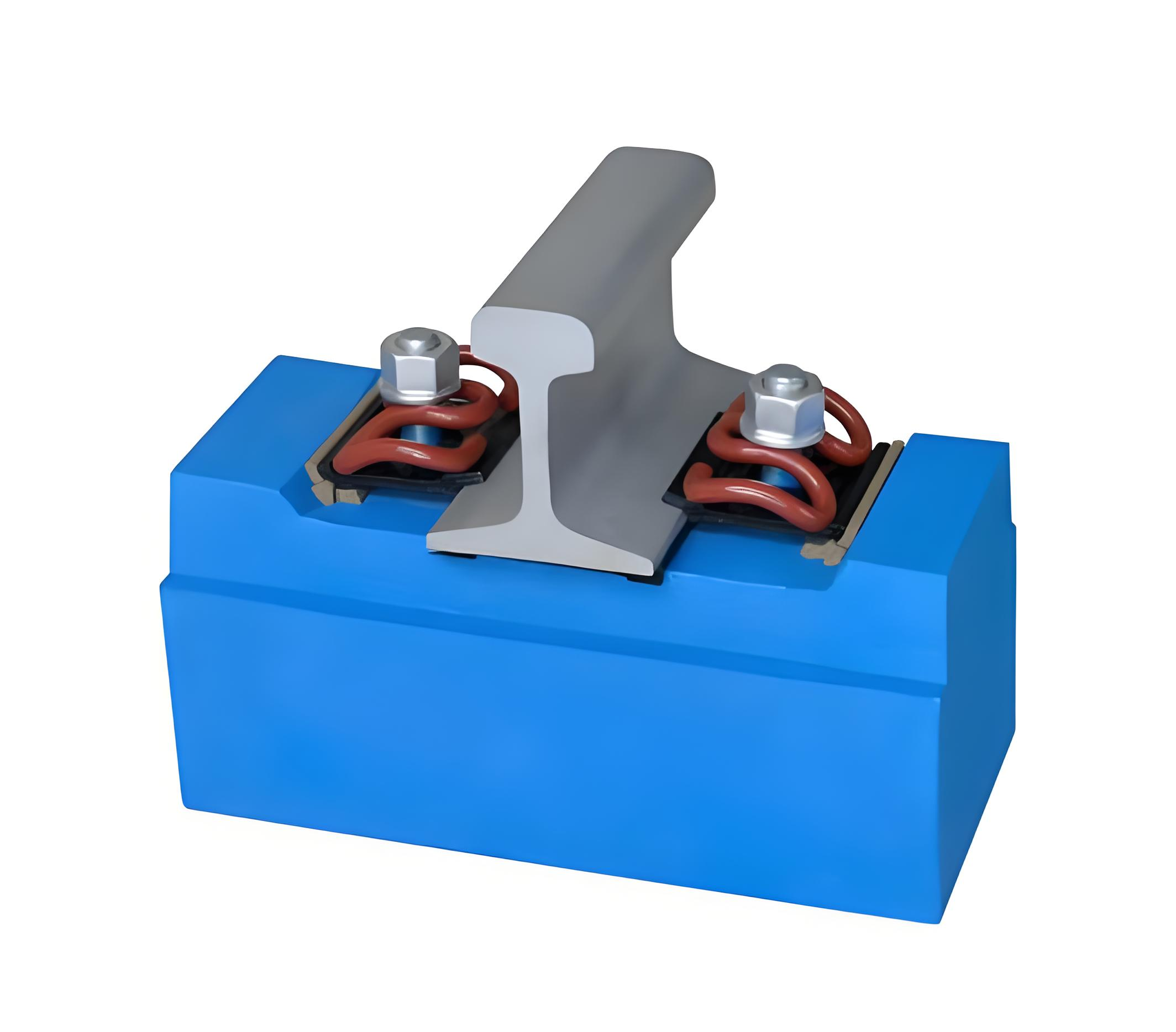
In coastal environments, tunnel installations, or regions where winter road salt is widely used, the corrosion demands on rail fittings are particularly severe. Operators in these environments should always specify components that meet or exceed relevant corrosion standards, and should verify compliance through third-party testing documentation rather than relying solely on supplier claims.
Operational Efficiency and Lifecycle Cost Benefits
Reduced Maintenance Frequency and Track Possession Costs
In modern railway operations, track maintenance windows are increasingly scarce and expensive. Every hour of track possession for maintenance represents lost capacity for revenue services and imposes direct costs on maintenance contractors, equipment, and labor. High-quality rail fittings that perform reliably over extended service intervals dramatically reduce the frequency of maintenance interventions required to keep the track in safe, compliant condition.
The economics become clear when comparing total cost of ownership rather than initial procurement price. Cheaper rail fittings that require replacement or re-tensioning after significantly fewer load cycles may appear cost-effective at purchase, but the cumulative maintenance costs — including track possession time, labor, equipment, and traffic disruption — can far exceed the premium associated with quality components. Infrastructure managers who evaluate procurement decisions on a lifecycle basis consistently find that investing in quality rail fittings reduces whole-life track costs.
Furthermore, the reliability of high-quality rail fittings reduces the incidence of urgent, reactive maintenance that is both more expensive and more disruptive than planned maintenance. Unplanned track closures due to fastener failure create operational chaos, require emergency contractor mobilization at premium rates, and may trigger penalty clauses in performance-based infrastructure contracts. Prevention through quality specification is invariably more economical than emergency response.
Compatibility with Modern Track Systems and Standards
Contemporary railway infrastructure increasingly incorporates sophisticated track system designs — slab track, resilient fastening systems, continuously welded rail — that demand rail fittings engineered with very specific performance characteristics. These systems are designed as integrated assemblies where every component must meet defined stiffness, load, and dimensional parameters. Using substandard rail fittings in these contexts does not just degrade performance — it can fundamentally compromise the designed behavior of the entire system.
For high-speed rail applications, the requirements placed on rail fittings are particularly stringent. Precise spring stiffness characteristics are needed to control dynamic rail response at speeds above 200 km/h, where resonance effects and contact geometry become critical factors in both ride quality and rail wear patterns. Specifying components that meet the original system design parameters is not optional — it is a prerequisite for safe high-speed operation.
Similarly, in urban transit systems where noise and vibration control are design priorities, the vibration isolation properties of rail fittings are integral to achieving compliance with community noise standards. High-quality resilient fastening components with validated dynamic stiffness values allow transit operators to manage noise and vibration within contractual and regulatory limits, avoiding costly post-installation remediation.
Quality Assurance and Specification Practices for Rail Fittings
The Importance of Certified Testing and Traceability
Specifying rail fittings by recognized international or national standards — such as EN, AREMA, or specific network owner standards — provides a documented baseline for performance expectations. However, specification alone is insufficient without robust quality assurance processes that verify actual product performance against those standards. Certified testing by accredited third-party laboratories provides objective evidence that a particular batch of rail fittings meets its specified requirements before it reaches the installation site.
Material traceability is an equally important quality dimension. High-quality rail fittings supplied by reputable manufacturers come with full documentation of material origin, chemical composition, mechanical test results, and heat treatment records. This traceability enables root cause analysis if problems emerge in service and provides the evidentiary foundation for liability management in the event of track incidents. Procuring components without this documentation creates unacceptable risk for infrastructure owners and operators.
Quality-conscious procurement teams also conduct supplier audits and monitor ongoing production quality through batch testing requirements. The cost of this quality governance activity is minor relative to the financial and safety exposure of deploying non-conforming rail fittings across extensive track networks. Infrastructure managers who treat quality assurance as an overhead rather than a safety investment are taking a risk that is very difficult to quantify until something goes wrong.
Installation Quality and Ongoing Inspection Regimes
Even the highest-quality rail fittings will underperform if they are incorrectly installed. Proper installation requires trained personnel, calibrated torque tools, and adherence to manufacturer installation procedures. Over-torquing bolts can induce pre-load stresses that accelerate fatigue failure, while under-torquing leaves connections vulnerable to vibration loosening. Elastic clips must be correctly seated using appropriate installation tools — improper fitting can damage the clip or fail to achieve the design toe load.
Post-installation inspection and periodic condition monitoring are essential complements to quality component specification. Rail fittings should be inspected at defined intervals for signs of fatigue cracking, corrosion, loosening, or physical damage. Modern inspection techniques including automated vision systems and ultrasonic testing can identify defects in rail fittings that would be missed by visual inspection alone, enabling proactive replacement before failures occur in service.
A comprehensive approach to rail fittings management therefore integrates quality procurement, correct installation, and systematic condition monitoring into a single framework. Each element reinforces the others — quality components perform reliably, correct installation activates their designed performance characteristics, and systematic monitoring detects any deviations before they become safety issues. This integrated approach is the hallmark of world-class track asset management.
FAQ
What makes rail fittings different from standard industrial fasteners?
Rail fittings are engineered specifically for the unique mechanical demands of railway track, including cyclic fatigue loading, dynamic impact, precise gauge control, and long outdoor service life. Unlike standard industrial fasteners, they must meet certified performance standards, maintain consistent clamping forces across millions of load cycles, and integrate precisely with specific track system designs. The combination of material specification, dimensional tolerances, surface treatment, and certified testing that defines quality rail fittings is fundamentally different from general industrial hardware requirements.
How often should rail fittings be inspected and replaced?
Inspection frequency for rail fittings depends on traffic density, axle loads, environmental conditions, and the specific component type. Heavily trafficked mainlines typically require more frequent inspection cycles than lightly used branch lines. Most railway infrastructure managers follow network-specific maintenance standards that define inspection intervals and replacement criteria based on condition assessment results. High-quality rail fittings generally extend replacement intervals compared to substandard alternatives, reducing both maintenance frequency and whole-life infrastructure costs.
Can poor-quality rail fittings cause train derailments?
Yes. Degraded or failed rail fittings are a recognized cause of track geometry defects that can lead to derailment. Gauge widening caused by failed fastening components, rail roll resulting from inadequate clamping, and vertical misalignment from deteriorated tie plates are all failure modes directly linked to rail fittings quality and condition. Railway accident investigation reports internationally have identified fastening system failures as contributing factors in serious incidents, which is why regulatory frameworks mandate certified quality standards and systematic inspection regimes for these components.
What standards govern the quality requirements for rail fittings?
Quality requirements for rail fittings are governed by a range of national and international standards, including European EN standards, American AREMA standards, and specific standards issued by national railway infrastructure managers. These standards define requirements for materials, dimensional tolerances, mechanical performance, corrosion resistance, and testing methods. Compliance is typically verified through third-party testing by accredited laboratories, and quality-conscious infrastructure managers require test certificates and full material traceability documentation when procuring rail fittings for safety-critical installations.