
 EN
EN
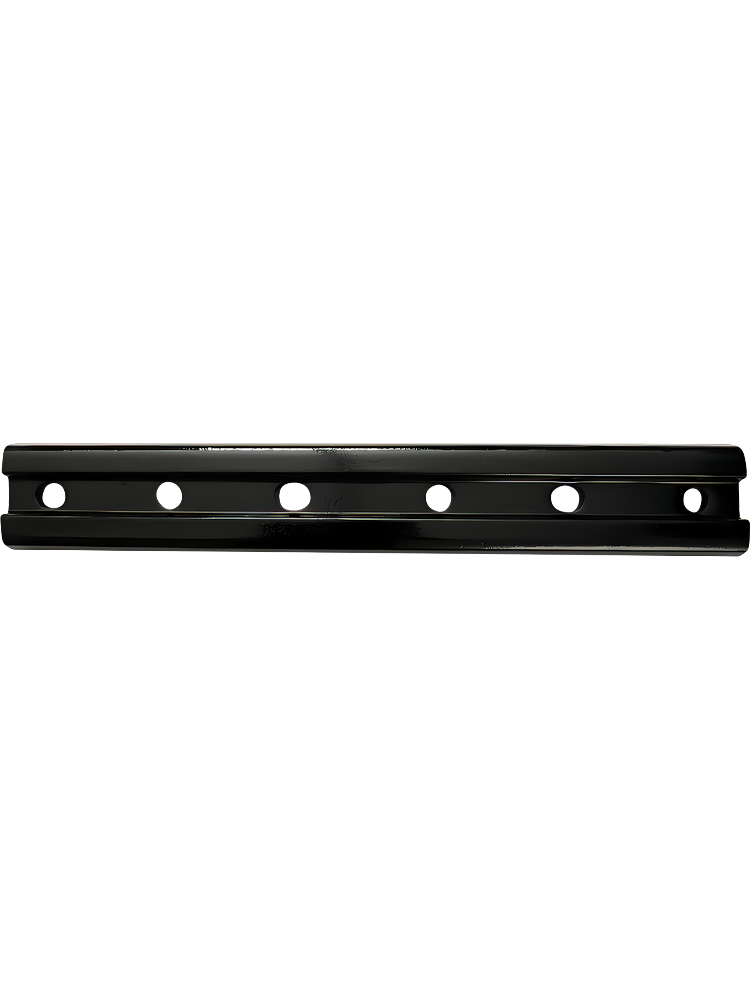
Across the world, railway networks operate on different track widths, and the components that hold those tracks in place must be equally versatile. railroad tie plates are among the most critical of those components. These flat, load-distributing steel elements sit between the rail base and the wooden or concrete tie beneath, holding the rail at the correct lateral position. When gauge requirements vary from one country or corridor to another, railroad tie plates must be engineered to match those exact dimensions without compromise.
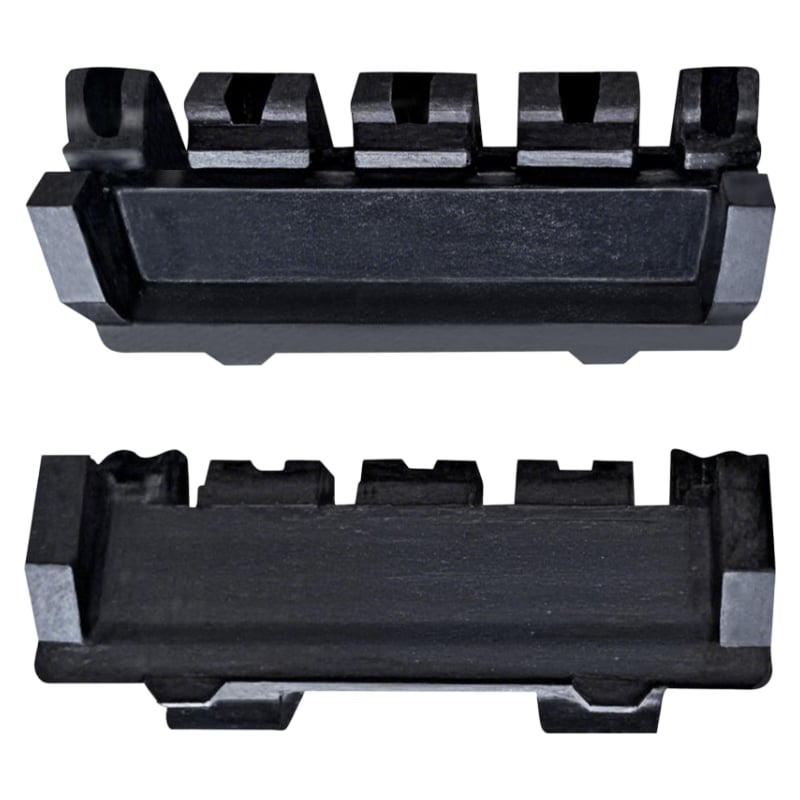
The global railway industry spans standard gauge, narrow gauge, and broad gauge systems, each demanding a specific configuration of railroad tie plates. Understanding how railroad tie plates are designed, dimensioned, and deployed across these systems reveals why they are far more than simple metal pads. They are precision-engineered adapters that translate gauge requirements into stable, long-lasting track geometry. This article explores the mechanisms and design logic that allow railroad tie plates to serve diverse gauge environments worldwide.
The Role of Gauge in Defining Tie Plate Geometry
How Gauge Measurement Shapes Tie Plate Dimensions
Rail gauge is the distance measured between the inner faces of the two running rails. Standard gauge is 1,435 mm, used across most of Europe, North America, and high-speed corridors in Asia. Narrow gauge systems, common in parts of Africa, Southeast Asia, and mountain railways, typically run at 1,000 mm or 1,067 mm. Broad gauge networks in countries such as India, Russia, and Spain operate at widths ranging from 1,520 mm to 1,668 mm. Railroad tie plates must be dimensioned precisely to position each rail at the correct inward face location for each gauge specification. The shoulder-to-shoulder width of railroad tie plates, the cant angle, and the rail seat profile all change depending on which gauge system they serve. A set of railroad tie plates manufactured for standard gauge cannot simply be reused on a broad gauge line without redesign.
The Cant Angle and Its Gauge-Specific Function
One of the most gauge-sensitive features of railroad tie plates is the cant angle, also called the rail inclination. Most railroad tie plates incorporate a slight inward tilt, commonly 1:20 or 1:40, so that the rail head aligns with the wheel flange contact pattern under load. As gauge changes, the effective wheel load distribution changes as well, meaning railroad tie plates must be recalculated to maintain the correct cant. On high-speed lines, where dynamic forces are much greater, railroad tie plates carry even tighter cant tolerances to prevent rail roll and fatigue cracking. Engineers specify railroad tie plates with gauge-matched cant angles to ensure that wheel contact remains centered and consistent at all operating speeds.
Adaptation Mechanisms in Railroad Tie Plates for Different Gauges
Shoulder Spacing and Rail Seat Width Adjustments
The shoulder configuration of railroad tie plates is the primary physical mechanism for gauge adaptation. Railroad tie plates feature machined or cast shoulders on both sides of the rail seat. The distance between these shoulders determines how tightly the rail base is held laterally. When railroad tie plates are produced for narrow gauge, the shoulder spacing is reduced accordingly. For broad gauge systems, railroad tie plates are widened and the rail seat is repositioned outward. This is not simply a scaling exercise. Railroad tie plates for each gauge must also account for the rail foot width of the specific rail profile used on that system, since UIC 54, UIC 60, and other rail sections have different base widths. Properly adapted railroad tie plates ensure that the rail cannot shift inward or outward under lateral forces from curves or crosswinds.
Fastening System Compatibility Across Gauge Variants
Railroad tie plates do not work in isolation. They interface with spike systems, clip fasteners, and elastic rail fasteners that also vary by gauge and regional standard. In North American freight systems, railroad tie plates typically use cut spikes driven through pre-punched holes at positions calibrated to the gauge requirement. In European and Asian high-speed systems, railroad tie plates often integrate with elastic clip fasteners such as the e-clip or Pandrol system, which apply vertical and lateral clamping force. The hole patterns and clip seat geometries on railroad tie plates must match the fastener type approved for each gauge. When a rail operator transitions between gauge systems, railroad tie plates must be respecified along with the entire fastener assembly to maintain lateral resistance and longitudinal restraint.
Global Standards and High-Speed Applications for Tie Plates
International Standards Governing Railroad Tie Plate Design
Multiple international and national bodies publish standards that govern how railroad tie plates are designed for specific gauge environments. The International Union of Railways publishes UIC leaflets that define rail seat geometry, hole spacing, and material grade for railroad tie plates used across member networks. Individual national rail authorities, including those managing broad gauge infrastructure, maintain their own specifications that railroad tie plates must satisfy before approval. These standards ensure that railroad tie plates deliver consistent gauge holding performance, fatigue resistance, and dimensional accuracy regardless of the gauge system. Manufacturers of railroad tie plates must certify their products against these standards through independent testing, which includes lateral load simulation, drop testing, and dimensional verification.
Railroad Tie Plates in High-Speed Gauge-Sensitive Environments
High-speed railway corridors place the most demanding requirements on railroad tie plates. At speeds above 250 km/h, even minor deviations in gauge can amplify dynamic wheel-rail interaction forces and cause track geometry degradation. Railroad tie plates used in high-speed applications are manufactured from higher-grade steel, feature tighter dimensional tolerances, and often incorporate gauge adjustment slots that allow fine-tuning during installation. These railroad tie plates also undergo rigorous quality inspection to verify that the rail seat surface is flat, the cant angle is within specification, and the fastener holes are precisely located. The ability of railroad tie plates to maintain gauge under repeated high-frequency loading cycles is what separates high-speed-rated plates from conventional freight track plates.
FAQ
Can railroad tie plates be reused when a track is converted to a different gauge?
Generally, railroad tie plates cannot be directly reused after a gauge conversion. Since railroad tie plates are dimensioned specifically for one gauge, including shoulder spacing, cant angle, and fastener hole placement, converting to a different gauge requires new railroad tie plates that match the new track geometry. Reusing gauge-mismatched railroad tie plates would compromise lateral rail stability and create safety risks.
What materials are railroad tie plates typically made from for different gauge applications?
Railroad tie plates are typically manufactured from carbon steel or alloy steel, with grades selected based on axle load, speed, and environmental conditions. High-speed railroad tie plates often use higher-strength steel with controlled hardness to resist deformation under repeated dynamic loading. The material grade does not change based on gauge alone, but operating conditions associated with each gauge system influence the steel specification chosen for railroad tie plates.
How do railroad tie plates maintain gauge accuracy over time under heavy traffic?
Railroad tie plates maintain gauge accuracy through their shoulder geometry, which physically prevents the rail from spreading or squeezing inward. Over time, fastener tension and tie condition also affect how well railroad tie plates hold gauge. Regular track inspection programs monitor gauge widening or tightening, and railroad tie plates showing wear on the rail seat or shoulder faces are replaced to restore original gauge compliance and structural performance.